The Staphylococcus aureus Network Adaptive Platform Trial Protocol: New Tools for an Old Foe
Steven Y C Tong, Jocelyn Mora, Asha C Bowen, Matthew P Cheng, Nick Daneman, Anna L Goodman, George S Heriot, Todd C Lee, Roger J Lewis, David C Lye, Robert K Mahar, Julie Marsh, Anna McGlothlin, Zoe McQuilten, Susan C Morpeth, David L Paterson, David J Price, Jason A Roberts

TL;DR
The SNAP trial is a new clinical trial design to efficiently study treatments for Staphylococcus aureus bloodstream infections, which are deadly but under-researched.
Contribution
The paper introduces an adaptive platform trial framework to improve clinical trial efficiency for S. aureus infections.
Findings
The SNAP trial commenced in 2022 with a target of 7000 participants across multiple countries.
The adaptive platform trial design allows multiple treatment questions to be addressed simultaneously.
This approach could serve as a model for other infectious disease trials.
Abstract
Staphylococcus aureus bloodstream (SAB) infection is a common and severe infectious disease, with a 90-day mortality of 15%–30%. Despite this, <3000 people have been randomized into clinical trials of treatments for SAB infection. The limited evidence base partly results from clinical trials for SAB infections being difficult to complete at scale using traditional clinical trial methods. Here we provide the rationale and framework for an adaptive platform trial applied to SAB infections. We detail the design features of the Staphylococcus aureus Network Adaptive Platform (SNAP) trial that will enable multiple questions to be answered as efficiently as possible. The SNAP trial commenced enrolling patients across multiple countries in 2022 with an estimated target sample size of 7000 participants. This approach may serve as an exemplar to increase efficiency of clinical trials for other…
Genes, proteins, chemicals, diseases, species, mutations and cell lines named across the full text — each resolved to its canonical identifier and authoritative record.
Click any figure to enlarge with its caption.
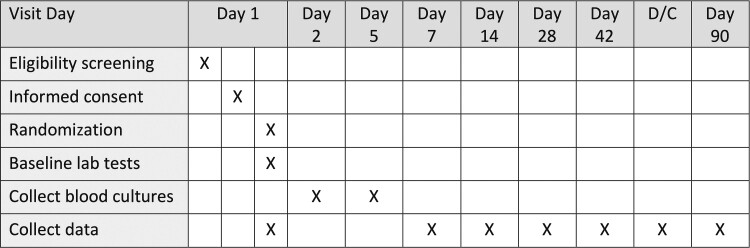 Figure 1
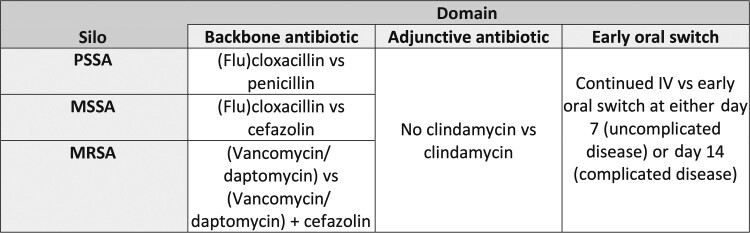 Figure 2
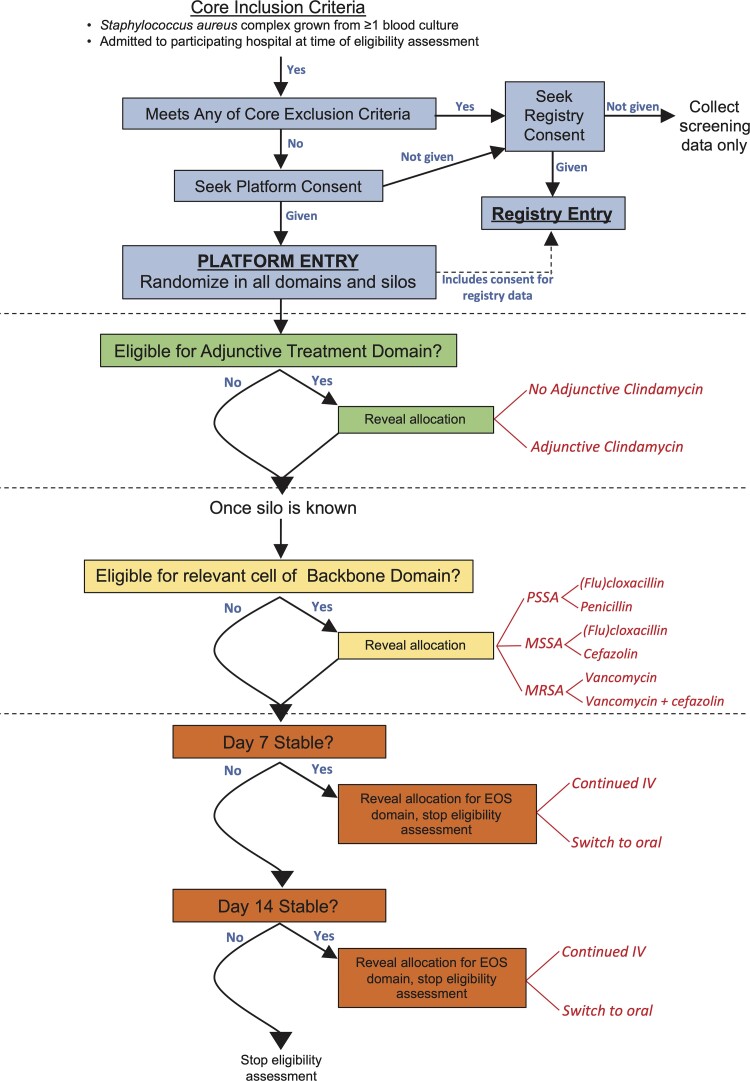 Figure 3
Peer Reviews
No public reviews on file for this paper yet. If you reviewed it on a platform where reviews are public (OpenReview, ICLR, NeurIPS, ICML), you can paste yours below so the community can read it here.
Videos
No videos yet. Explain this paper in a talk, walkthrough, or lecture? Add one.
Taxonomy
TopicsAntifungal resistance and susceptibility · Antimicrobial Resistance in Staphylococcus · Bacterial Identification and Susceptibility Testing