A real-world pharmacovigilance study of FDA Adverse Event Reporting System (FAERS) events for osimertinib
Yanchao Yin, Yamin Shu, Junru Zhu, Feie Li, Juan Li

TL;DR
This study analyzed real-world data to identify adverse events linked to the cancer drug osimertinib, revealing new safety signals for clinical monitoring.
Contribution
The study identifies new and unexpected adverse event signals for osimertinib using FAERS data and disproportionality analysis.
Findings
Osimertinib caused adverse events in 27 organ systems, with 68 significant signals detected.
Unexpected AEs like scrotal volvulus and venous thromboembolisms were identified.
Most AEs occurred within 30 days of starting osimertinib, with a median onset of 58 days.
Abstract
Osimertinib was a third-generation, irreversible epidermal growth factor receptor tyrosine kinase inhibitor (EGFR-TKI), which approved by the US Food and Drug Administration (FDA) in 2015 for treatment of non-small cell lung cancer (NSCLC). Our study was to explore the adverse events (AEs) caused by osimertinib through data mining of the US FDA Adverse Event Reporting System (FAERS), and provide reference for clinical safety. Data of osimertinib were collected from the FAERS database covering the period from first quarter of 2016 to the fourth quarter of 2021. Disproportionality analyses was employed to quantify the associated AE signals of osimertinib and detect the risk signals from the data in the FAERS database. Reporting odds ratio (ROR) was used to detect the risk signals from the data in the FAERS database. The definition relied on system organ class (SOCs) and preferred terms…
Genes, proteins, chemicals, diseases, species, mutations and cell lines named across the full text — each resolved to its canonical identifier and authoritative record.
Click any figure to enlarge with its caption.
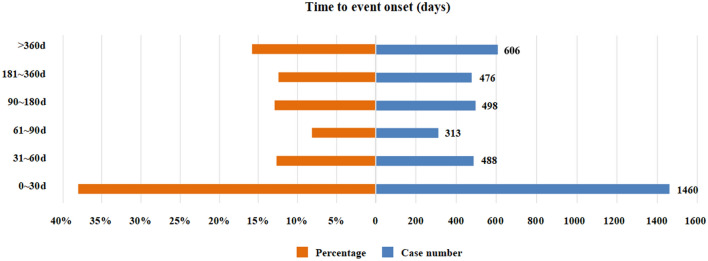 Figure 1
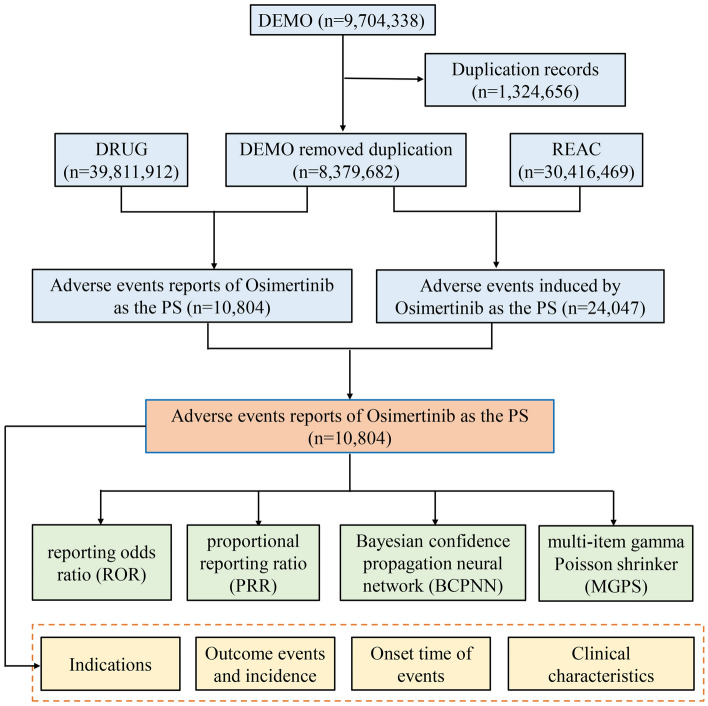 Figure 2
Peer Reviews
No public reviews on file for this paper yet. If you reviewed it on a platform where reviews are public (OpenReview, ICLR, NeurIPS, ICML), you can paste yours below so the community can read it here.
Videos
No videos yet. Explain this paper in a talk, walkthrough, or lecture? Add one.
Taxonomy
TopicsLung Cancer Treatments and Mutations · Pharmacovigilance and Adverse Drug Reactions · HER2/EGFR in Cancer Research
Introduction
Non-small cell lung cancer (NSCLC) is the leading cause of cancer-related death in the world currently, accounting for about 80–85% of all lung cancers^1,2^. Epidermal growth factor receptor (EGFR) tyrosine kinase inhibitors (TKIs), including gefitinib, erlotinib, and afatinib, are the first-line treatments for NSCLC patients harboring EGFR mutations^3^. However, up to 50% of the patients treated with first-line EGFR-TKIs acquire resistance to these drugs, and acquisition of the T790M mutation is the main mechanism responsible for the progress of resistance^4^. Osimertinib is a third-generation EGFR-TKI, which is suitable for patients with EGFR T790M mutation positive NSCLC whose disease progresses on or after EGFR-TKI therapy^5^. Osimertinib was approved by U.S. Food and Drug Administration (FDA) in November 2015, later in European, Japan and China in 2017. Preclinical studies and phase 1 clinical data from the AURA trial suggested that osimertinib might also be an effective first-line therapy for patients with EGFR mutation-positive advanced NSCLC^6^. Clinical trials have consistently demonstrated superior clinical activity and relative safety of osimertinib in advanced NSCLC patients with EGFR mutations regardless of their EGFR T790M mutation status^7,8^.
Most common adverse reactions of osimertinib (≥ 20%) were diarrhea, rash, dry skin, nail toxicity, and fatigue. Furthermore, the most frequent adverse reactions leading to dose reductions or interruptions were prolongation of the QT interval as assessed by electrocardiogram (ECG), neutropenia, and diarrhea^6^. Based on animal studies, osimertinib caused post-implantation loss, early embryonic death and caused an increase in total litter loss and postnatal death, which may impair fertility in females and males of reproductive potential^7,8^. Because clinical trials are conducted under widely varying conditions, adverse reactions observed in clinical trials may not reflect the real-world situation observed in practice. However, a meta-analysis showed that osimertinib notably increased the risk of cardiac toxicities^9^. Therefore, using data mining algorithm to search for the potential ADRs signals of osimertinib in the real-world is necessary for the study of osimertinib.
FDA Adverse Event Reporting System (FAERS) is a public database which is designed to facilitate the FDA’s post-marketing safety monitoring of drug and therapeutic products, and it is one of the largest pharmacovigilance databases in the world^10,11^. A FAERS study revealed the incidence of cardiotoxicity due to osimertinib compared with other drugs approved by the FDA and also specifically versus other EGFR-TKIs between January 1, 2016, and September 30, 2018, and mainly focused on the cardiotoxicity of osimertinib^12^. Data are lacking regarding the real-world safety of osimertinib from 2019 to 2021. In the present study, we retrospectively excavated and analyzed the AEs of osimertinib by data mining in FAERS from the first quarter of 2016 to the fourth quarter of 2021. Our study results may offer a guide for physicians and health policymakers to monitor ADRs for facilitating the rational use of clinical drugs.
Results
General characteristics
The clinical characteristics of osimertinib-associated AEs were described in Table 1. For gender, the incidence of AEs in females (55.45%) accounted for a larger proportion than males. In terms of age composition, patients whose age were over 65 years accounted for a higher proportion (36.98%) than patients under 18 years old and patients whose age between 18 and 65 years old. Non-small cell lung cancer was the most reported indication (49.95%), followed by lung neoplasm malignant (36.98%). US (48.20%) reported the largest number of AEs, followed by Japan (15.93%), China (5.70%), France (3.10%), and Thailand (2.42%). Serious outcomes include death, life-threatening, hospitalization, disability, and other serious outcomes. We divide one of them by all serious outcomes reports, to get the proportion. Death (45.85%) was the most frequently reported serious outcome which might be related to disease progression caused by tumor. Other serious outcomes and hospitalization were reported in 3425 (31.81%) and 1973 (18.33%) cases, respectively. Excluding the unknown reporters, physicians and consumers reported the most AEs in 28.11% and 24.73%, respectively. The number of AEs reported were increasing year by year, and the most reported year was 2021 (31.06%), followed by 2020 (27.90%), 2019 (17.60%), 2018 (10.51%), 2017 (8.10%), and 2016 (4.83%), respectively.Table 1. Clinical characteristics of reports with Osimertinib from the FAERS database (January 2016 to December 2021).CharacteristicsCase number, nCase proportion, %Number of events10,804GenderMale323529.94Female599155.45Unknown157814.61Age < 1860.0618 ≥ and ≤ 65216120.00 > 65399536.98Unknown464242.97Indications (TOP five)Non-small cell lung cancer388149.95Lung neoplasm malignant287336.98Lung adenocarcinoma2963.81EGFR gene mutation1321.70Neoplasm malignant1211.56Serious OutcomeDeath493645.85Hospitalization197318.33Life-Threatening2802.60Disability1421.32Other Serious Outcome343531.90Reported Countries (Top five)America520848.20Japan172115.93China6165.70France3353.10Thailand2612.42Reported PersonPhysician303728.11Consumer267224.73Health Professional7917.32Other health-professional4454.12Unknown345932.02Reporting year2021335631.06%2020301427.90%2019190217.60%2018113510.51%20178758.10%20165224.83%
Signal detection
Signal strengths reports of osimertinib at the System Organ Class (SOC) level are described in Table 2. According to the statistics, we found that 27 organ systems were involved in osimertinib-induced AEs. The significant SOCs that met four criteria were neoplasms benign, malignant and unspecified (incl cysts and polyps) and congenital, familial and genetic disorders. Also, general disorders and administration site conditions, respiratory, thoracic and mediastinal disorders, and hepatobiliary disorders were significant SOCs that at least one of the four indices met the criteria.Table 2. Signal strength of reports of Osimertinib at the System Organ Class (SOC) level in FAERS database.System organ class (SOC)Osimertinib cases reportingSOCROR(95% two-sided CI)PRR(χ^2^)IC(IC 025)EBGM(EBGM 05)General disorders and administration site conditions63962.26 (2.17–2.35)*1.51 (1824.95)0.60 (0.55)*1.51 (1.46)Respiratory, thoracic and mediastinal disorders19651.32 (1.26–1.39)*1.26 (125.75)0.34 (0.27)*1.26 (1.20)Neoplasms benign, malignant and unspecified (incl cysts and polyps)19572.62 (2.49–2.75)*2.32 (1595.83)*1.21 (1.14)*2.32 (2.21)*Gastrointestinal disorders13800.66 (0.62–0.70)0.70 (214.75)− 0.51 (− 0.59)0.70 (0.66)Nervous system disorders12620.50 (0.47–0.53)0.56 (568.56)− 0.85 (− 0.93)0.56 (0.52)Skin and subcutaneous tissue disorders11550.62 (0.58–0.66)0.66 (240.22)− 0.60 (− 0.69)0.66 (0.62)Cardiac disorders11250.91 (0.86–0.97)0.92 (8.18)− 0.12 (− 0.21)0.92 (0.87)Vascular disorders10650.60 (0.56–0.64)0.64 (253.24)− 0.64 (− 0.73)0.64 (0.60)Investigations9900.78(0.73–0.83)0.80 (57.25)− 0.33 (− 0.42)0.80 (0.75)Injury, poisoning and procedural complications9260.23 (0.21–0.24)0.29 (2218.16)− 1.77 (− 1.86)0.29 (0.27)Musculoskeletal and connective tissue disorders7860.56 (0.52–0.60)0.59 (248.34)− 0.75 (− 0.86)0.59 (0.55)Metabolism and nutrition disorders7701.00 (0.93–1.07)1.00 (0.00)− 0.01 (− 0.11)1.00 (0.93)Infections and infestations7600.60 (0.56–0.65)0.63 (186.18)− 0.67 (− 0.78)0.63 (0.59)Immune system disorders6770.63 (0.58–0.68)0.65 (138.15)− 0.62 (− 0.73)0.65 (0.6)Blood and lymphatic system disorders5731.09 (1.00–1.18)1.08 (3.68)0.11 (− 0.01)1.08 (0.99)Hepatobiliary disorders4871.74 (1.59–1.90)*1.70 (144.90)0.76 (0.63)*1.70 (1.55)Psychiatric disorders4170.27 (0.25–0.30)0.30 (788.24)− 1.74 (− 1.89)0.30 (0.27)Renal and urinary disorders2820.37 (0.32–0.41)0.38 (302.13)− 1.39 (− 1.56)0.38 (0.34)Congenital, familial and genetic disorders2514.10 (3.61–4.64)*4.02 (570.66)*1.98 (1.80)*4.01 (3.54)*Eye disorders2320.49 (0.43–0.56)0.50 (118.88)− 0.99 (− 1.18)0.50 (0.44)Reproductive system and breast disorders720.15 (0.12–0.19)0.15 (351.19)− 2.70 (− 3.05)0.15 (0.12)Endocrine disorders720.25 (0.20–0.32)0.26 (158.35)− 1.96 (− 2.30)0.26 (0.20)Ear and labyrinth disorders490.35(0.26–0.46)0.35 (59)− 1.51 (− 1.93)0.35 (0.27)Surgical and medical procedures310.08 (0.06–0.12)0.09 (314.21)− 3.55 (− 4.07)0.09 (0.06)Social circumstances290.23 (0.16–0.33)0.23 (76.47)− 2.14 (− 2.68)0.23 (0.16)Product issues140.03 (0.02–0.05)0.03 (452.88)− 5.04 (− 5.81)0.03 (0.02)Pregnancy, puerperium and perinatal conditions20.01 (0–0.04)0.01 (196.22)− 6.62 (− 8.67)0.01 (0.00)ROR reporting odds ratio, CI confidence interval, PRR proportional reporting ratio, χ^2^ chi-squared, IC information component, IC 025 the lower limit of 95% CI of the IC, EBGM empirical Bayesian geometric mean, EBGM 05 the lower limit of 95% CI of EBGM.*Indicates statistically significant signals in algorithm.
After excluding neoplasms benign, malignant and unspecified (incl cysts and polyps) which may cause by the disease progression, totally 68 significant disproportionality PTs conforming to the four algorithms simultaneously are shown in Table 3. According to the previous study of osimertinib, cardiotoxicity events, pneumonitis, eye disorders, and skin disease events are usually reported. In our study, long QT syndrome (PT: 10024803), cardiac failure (PT: 10007554), cardiomyopathy (PT: 10007636), platelet count decreased (PT: 10035528), paronychia (PT: 10034016), etc. are consistent with findings from clinical trials. Interestingly, unexpected significant AEs were uncovered in the label, including B-Raf proto-oncogene, serine/threonine kinase (BRAF) gene mutation (PT:10075648), volvulus (PT: 10047697), mechanical ileus (PT: 10051399), amylase increased (PT: 10002016), immobilisation syndrome (PT: 10084349), cerebral infarction (PT: 10008118), deep vein thrombosis (PT: 10051055), venous thrombosis limb (PT: 10061408)Table 3. Signal strength of reports of Osimertinib at the Preferred Term (PT) level in FAERS database.SOCPreferred terms (PTs)Osimertinib cases reporting PTROR(95% two-sided CI)PRR(χ^2^)IC(IC 025)EBGM(EBGM 05)Blood and lymphatic system disordersMyelosuppression7915.53 (14.94–16.14)9.68 (34,904.03)3.26 (3.20)9.57 (9.21)Cardiac disordersCardiac failure11126.04 (23.54–28.82)25.11 (9007.09)4.52 (4.37)24.36 (22.01)Pericardial effusion4015.18 (13.63–16.92)14.73 (4342.61)3.80 (3.64)14.47 (12.99)Cardiomyopathy372.84 (2.54–3.16)2.78 (380.97)1.46 (1.30)2.77 (2.49)Cardiotoxicity267.54 (6.59–8.64)7.41 (1184.5)2.83 (2.63)7.35 (6.42)Cardiac dysfunction19254.76 (216.08–300.36)250.3 (35,659.35)6.57 (6.33)189.42 (160.66)Cardiac failure acute1812.97 (11.18–15.05)12.77 (1913.25)3.56 (3.34)12.58 (10.84)Long QT syndrome83.63 (3.13–4.22)3.59 (330.94)1.81 (1.59)3.58 (3.08)Ventricular dysfunction66.73 (5.77–7.87)6.65 (777.17)2.67 (2.44)6.60 (5.65)Congenital, familial and genetic disordersAcquired gene mutation1903.02 (2.58–3.54)2.99 (205.95)1.55 (1.32)2.99 (2.55)EGFR gene mutation393.47 (2.92–4.11)3.44 (229.53)1.74 (1.49)3.43 (2.89)Gene mutation147.93 (6.65–9.46)7.85 (746.42)2.87 (2.61)7.78 (6.52)BRAF gene mutation83.94 (3.30–4.71)3.91 (265.85)1.92 (1.65)3.90 (3.26)Eye disordersKeratitis72.82 (2.34–3.40)2.80 (128.8)1.45 (1.17)2.80 (2.32)Gastrointestinal disordersStomatitis1232.97 (2.45–3.61)2.95 (134.22)1.52 (1.23)2.95 (2.43)Volvulus74.72 (3.85–5.79)4.69 (268.66)2.15 (1.85)4.67 (3.80)Mechanical ileus437.55 (30.14–46.78)37.27 (2829.17)4.64 (4.32)35.6 (28.58)General disorders and administration site conditionsDeath4,3494.15 (3.33–5.16)4.12 (190.86)1.97 (1.64)4.11 (3.30)Drug resistance40110.49 (8.39–13.10)10.42 (664.14)3.19 (2.86)10.29 (8.24)Disease progression1772.84 (2.26–3.59)2.83 (85.24)1.44 (1.10)2.83 (2.24)Hepatobiliary disordersHepatic function abnormal12617.93 (14.06–22.86)17.82 (1040.3)3.79 (3.43)17.44 (13.68)Liver disorder8114.98 (11.57–19.4)14.91 (751.24)3.55 (3.17)14.64 (11.31)Infections and infestationsParonychia843.33 (2.54–4.37)3.32 (85.69)1.64 (1.24)3.31 (2.53)Pneumonia bacterial206.15 (4.63–8.18)6.13 (204.53)2.43 (2.01)6.09 (4.58)Nail infection84.26 (3.17–5.71)4.24 (111)1.95 (1.52)4.22 (3.15)Infectious pleural effusion65.59 (4.17–7.5)5.57 (167.81)2.30 (1.87)5.54 (4.13)Lymphangitis514.76 (10.91–19.97)14.71 (539.18)3.44 (2.99)14.45 (10.68)Injury, poisoning and procedural complicationsRadiation pneumonitis264.66 (3.43–6.34)4.65 (116.7)2.06 (1.6)4.62 (3.40)InvestigationsPlatelet count decreased1553.76 (2.75–5.13)3.75 (80.27)1.77 (1.31)3.73 (2.74)Electrocardiogram QT prolonged933.30 (2.41–4.53)3.30 (62.19)1.60 (1.14)3.29 (2.40)Ejection fraction decreased48155.48 (110.19–219.39)154.92 (4970.31)4.91 (4.41)129.27 (91.61)Blood creatine phosphokinase increased459.50 (6.9–13.09)9.47 (284.53)2.91 (2.44)9.37 (6.80)Carcinoembryonic antigen increased3740.00 (28.73–55.68)39.86 (1333.32)4.23 (3.74)37.96 (27.26)Amylase increased136.09 (4.40–8.42)6.07 (155.63)2.37 (1.90)6.03 (4.36)SARS-CoV-2 test negative122.82 (2.03–3.91)2.81 (42.00)1.38 (0.90)2.81 (2.02)Tumour marker increased115.94 (4.03–8.73)5.92 (105.64)2.26 (1.69)5.89 (4.00)BRAF V600E mutation positive618.92 (12.82–27.93)18.88 (429.72)3.43 (2.86)18.45 (12.50)Myocardial necrosis marker increased54.73 (3.05–7.35)4.73 (58.42)1.93 (1.28)4.70 (3.03)Metabolism and nutrition disordersDecreased appetite3329.17 (5.83–14.42)9.16 (136.50)2.62 (1.95)9.06 (5.76)Hypophagia365.38 (3.38–8.56)5.38 (63.68)2.04 (1.36)5.34 (3.36)Musculoskeletal and connective tissue disordersImmobilisation syndrome46.82 (4.29–10.86)6.81 (88.55)2.30 (1.61)6.76 (4.25)Nervous system disordersTaste disorder415.77 (3.63–9.17)5.76 (70.29)2.12 (1.44)5.72 (3.60)Cerebral infarction3912.41 (7.32–21.05)12.39 (144.35)2.71 (1.93)12.21 (7.20)Respiratory, thoracic and mediastinal disordersInterstitial lung disease3456.71 (3.89–11.59)6.70 (62.57)2.14 (1.33)6.66 (3.85)Pleural effusion21525.92 (14.91–45.05)25.89 (300.99)3.10 (2.28)25.08 (14.43)Pneumonitis1799.91 (5.61–17.52)9.90 (94.8)2.43 (1.59)9.79 (5.54)Lung disorder16326.89 (15.12–47.83)26.87 (288.82)3.04 (2.19)26.00 (14.62)Pulmonary embolism13312.16 (6.87–21.52)12.15 (120.91)2.58 (1.74)11.98 (6.77)Respiratory failure10410.45 (5.76–18.95)10.44 (92.68)2.41 (1.54)10.32 (5.69)Pneumothorax453.98 (2.2–7.21)3.98 (24.44)1.54 (0.67)3.97 (2.19)Pulmonary alveolar haemorrhage184.33 (2.25–8.33)4.32 (22.88)1.54 (0.58)4.31 (2.24)Pulmonary toxicity1835.60 (18.24–69.46)35.57 (289.1)2.83 (1.85)34.05 (17.45)Lung opacity11124.03 (58.79–261.67)123.94 (841.01)2.90 (1.81)106.98 (50.71)Eosinophilic pneumonia86.24 (3.11–12.52)6.24 (34.93)1.80 (0.78)6.20 (3.09)Hydrothorax75.42 (2.70–10.87)5.42 (28.62)1.69 (0.66)5.39 (2.69)Pulmonary artery thrombosis510.37 (5.16–20.84)10.36 (66.78)2.17 (1.14)10.24 (5.10)Skin and subcutaneous tissue disordersNail disorder6713.81 (6.54–29.16)13.80 (81.64)2.21 (1.11)13.57 (6.43)Onychoclasis595.16 (2.45–10.86)5.16 (23.32)1.57 (0.47)5.13 (2.44)Skin disorder535.70 (2.71–11.99)5.70 (26.9)1.65 (0.55)5.66 (2.69)Dermatitis acneiform43232.51 (93.36–579.09)232.38 (1063.33)2.54 (1.23)178.99 (71.86)Erythema multiforme*387.25 (3.25–16.21)7.25 (32.03)1.71 (0.53)7.19 (3.22)Onychalgia138.45 (3.78–18.91)8.45 (38.99)1.81 (0.62)8.37 (3.74)Ingrowing nail1211.46 (4.74–27.73)11.46 (47.04)1.79 (0.49)11.31 (4.67)Nail discolouration95.62 (2.33–13.54)5.61 (18.82)1.40 (0.10)5.58 (2.31)Nail bed disorder520.83 (8.57–50.65)20.82 (91.89)2.00 (0.70)20.30 (8.35)Vascular disordersDeep vein thrombosis7214.19 (5.86–34.38)14.19 (60.19)1.88 (0.58)13.95 (5.76)Venous thrombosis limb1228.18 (10.39–76.43)28.17 (101.14)1.80 (0.33)27.21 (10.03)Thrombophlebitis migrans914.35 (5.34–38.59)14.34 (48.76)1.64 (0.18)14.10 (5.24)ROR reporting odds ratio, CI confidence interval, PRR proportional reporting ratio, χ^2^ chi-squared, IC information component, IC 025 the lower limit of 95% CI of the IC, EBGM empirical Bayesian geometric mean, EBGM 05 the lower limit of 95% CI of EBGM.*Emerging findings of Osimertinib associated AEs from FAERS database.
Onset time of events
The onset times of osimertinib-associated AEs were collected from the database. Excluding false reports, totally 3841 AEs reported onset time. The median onset time was 58 days (interquartile range [IQR] 14–212 days). As shown in Fig. 1, results indicated that the onsets of osimertinib were general, cases may cover over a year. However, most of the cases occurred within the first month (n = 1460, 38.01%) after osimertinib initiation. However, the case ratios occurred in the 2 months (n = 488, 12.71%), 6 months (n = 498, 12.97%), and 12 months (n = 476, 12.39%) were similar, which reflected that AEs might occur at anytime within a year. Furthermore, AEs occurred after 1 year of osimertinib treatment with percentage of 15.78% (n = 606) as illustrated in our data.Figure 1. Time to onset of osimertinib-related AEs.
Conclusion
Our pharmacovigilance analysis of FAERS database revealed the safety signals of osimertinib and time to AEs onsets with osimertinib comprehensively and systematically. New and unexpected significant AEs as volvulus, hepatic function abnormal, and VTEs might also occur. High attention should be paid to common AEs included long QT syndrome, endocrine, pneumonitis, and cardiomyopathy. Completely monitoring and risk identification of all these AEs are suggested in all populations. Cohort studies and long-term clinical investigations are still needed to verified these results and to further comprehend the safety of osimertinib.
Discussion
In previous studies, the research on osimertinib mostly focused on the mechanism, clinical trials, and literature analysis, etc., and few articles concentrated on the latest real-world research. Based on the largest samples of the real-world data, we collected and evaluated the pharmacovigilance of osimertinib in the post-market. The purpose is to analyze new and meaningful adverse reactions, to guide the update of summary of product characteristics (SmPC), and to provide a basis for clinical rational drug use.
The AEs of osimertinib occurred more commonly in females (55.45%) than in males (29.94%). This may be related to the increase of female patients with lung cancer, which leads to the increase of drug use opportunities. Studies have shown that females are more likely than males to have non-smoking lung cancer^13^. The causes of lung cancer in female may be related to the influence of estrogen^14^, environment^15^ and molecular factors^16^. Also, the study described a higher AEs proportion in elderly patients (36.98% patients > 65 years), which was consistent with the FLAURA and AURA clinical trials that the number of AEs leading to the dose adjustment (suspension or reduction) of the study drug was higher in subjects aged over 65 years^6^. With the increasing clinical application of osimertinib, it is important for clinicians to be alert to the AEs associated with osimertinib, especially in olderly patients. Early recognition of AEs is necessary because these effects can be life-threatening or lead to disease progression.
According to the disproportionality analysis, the most commonly reported and significant signals at SOC levels were general disorders and administration site conditions, and neoplasms benign, malignant and unspecified (incl cysts and polyps). These AEs included death, disease progression, malignant neoplasm progression, et al*.*, which were not recorded in the SmPC of osimertinib and might be related to the patient's own disease progression rather than the drug itself. Evidence suggested that approximately 38% of all dead lung cancer patients had single site metastasis and 19% had two or more metastases^17^. It might be irrational to judge whether tumor metastasis and tumor progression were caused by osimertinib only by ADR signals. Clinicians should distinguish whether tumor-related disease is caused by osimertinib. Besides, significant signals were observed in SOC of respiratory, thoracic, and mediastinal disorders. Relevant studies have pointed out that different EGFR-TKIs can cause respiratory toxicity, and the incidence of interstitial lung disease (ILD) is 0–5.3%, while there is no significant difference between osimertinib and the first two generations^18,19^. Blood and lymphatic system disorders which related to the laboratory abnormalities were commonly found in more than 20% of patients in clinical trial^6^. However, AEs included hepatobiliary disorders, congenital, familial and genetic disorders are not mentioned in the SmPC. We should pay attention to whether they have clinical significance to guide clinical medication.
Among all the AEs, the AEs involving respiratory system and cardiovascular system still deserve attention. The respiratory adverse reactions mentioned in the SmPC of osimertinib include cough, pneumonia, and ILD. This study also excavated signs of AEs such as pneumothorax, pleural effusion, and hydrothorax. And the most common AEs leading to discontinuation of osimertinib was ILD/pneumonitis. Fan et al.^18^ found that all EGFR-TKIs had drug-related toxicities included ILD, and the incidence of drug-related ILD in different EGFR-TKIs ranged from 0 to 5.3%. The mechanism of ILD may be different for third-generation EGFR-TKIs, because osimertinib induced ILD in patients who had no pulmonary toxicities during a prior treatment with first- or second-generation EGFR-TKI^19^. The mechanism of osimertinib induced respiratory toxicity is not clear, but it may be related to the inhibition of the maintenance of epithelial cells. Osimertinib changed the expression of cytokines by impairing the growth and migration of epithelial cells, resulting in inflammatory cell recruitment and lung tissue injury^20^. Although different EGFR-TKIs could cause respiratory toxicity, the AEs related to EGFR-TKI were usually tolerable and controllable. Risk factors, such as tobacco exposure, pre-existing lung fibrosis, and chronic obstructive pulmonary disease, indicate that lung inflammatory circumstances may worsen with EGFR-TKI treatment because of impaired epithelial healing of lung injuries^20^. Noonan et al.^21^ demonstrated NSCLC patients who had previously received chest radiotherapy or had a history of aspiration were more likely to have lung shadows or subpleural nodules after using osimertinib. Furthermore, a combination of drugs with or without radiotherapy can increase the risk of ILD^22^. Therefore, we speculated that patients with chronic lung injury in the past were the high-risk population of respiratory toxicity. Mamesaya et al.^23^ reported a case of a 38-year-old female patient with osimertinib-induced ILD after treatment with anti-PD1 antibody and speculated anti-PD1 therapies might be the risk factor of EGFR-TKI-induced ILD. Our study suggests that for patients with chronic respiratory diseases and combined PD-1/PD-L1 therapy, the pharmaceutical care of osimertinib should be strengthened.
Cardiotoxicity is accompanied by a history of treatment with antitumor drugs. Whether traditional chemotherapy^24^, new targeted therapy^25^ or immunotherapy^26^ can cause cardiac related AEs. Cardiac related AEs are a commom toxicity of TKIs existed in not only first and second generation but third generation^12,27^. Our study not only found out AEs signals of cardiac disorders like heart failure, QT interval prolongation, electrocardiogram QT prolonged, in the SmPC of osimertinib, but also excavated AEs like ventricular dysfunction, cardiology, cardiac dysfunction and cardiotoxicity that do not exist in the SmPC. In vitro, osimertinib not only inhibited EGFR but also human epidermal growth factor receptor-2 (HER2) at clinically relevant concentrations. The current mainstream view is that the inhibition of HER2 is the main reason for the cardiotoxicity of some antitumor drugs^28^. HER2 is essential for maintaining cardiac function, and HER2 inhibition is the main cause of cardiotoxicity for some antitumor drugs. Trastuzumab is a monoclonal antibody targeting HER2, whose cardiotoxicity increased by 2.45 times after treatment^29^. Perez et al.^30^ also found that osimertinib might lead to dose independent reversible myocardial injury by inhibiting erythroblastic leukemia viral oncogene B (commonly referred to as HER). Kunimasa et al.^31^ found severe osimertinib-associated cardiotoxicities with a higher frequency (4.1%) than previous studies. They also suggested that in the clinical application of osimertinib, attention should be paid not only to the QTc interval prolongation, but also to other cardiotoxicity. Although osimertinib was highly specific for EGFR, study showed that osimertinib has a greater inhibitory effect on HER2 than other EGFR-TKIs^32^. Furthermore, rates of QT prolongation, cardiac failure, and atrial fibrillation were found to be higher when osimertinib compared with other EGFR-TKIs in FAERS^12^. Based on all the facts we speculated that HER2 was the main cause of osimertinib cardiotoxicity. The risk factors of cardiotoxicity caused by antitumor drugs include age, potential heart disease, renal insufficiency, and the combination of other cardiotoxic drugs, while the risk of cardiotoxicity caused by EGFR-TKI is more closely related to the patient's cardiovascular history^33^. Thus, the early awareness of cardiotoxicities, monitoring for QT prolongation, managing symptoms of heart failure, and close follow-up, may enhance the benefits of therapy while taking osimertinib.
Excitingly, we found some unexpected and significant safety signals, which included BRAF V600E mutation positive, volvulus, hepatic function abnormal, and venous thromboembolism (VTE). BRAF is an important proto oncogene in human beings. About 15% of malignant tumors are related to BRAF mutation^34^. At present, there are many mutations in this gene, of which BRAF V600E is the most common accounts for 75–82% of BRAF mutations in cutaneous melanoma^35^. Different from EGFR and ALK gene mutations, BRAF V600 mutation is relatively rare in non-small cell lung cancer, about 2–3% of which are adenocarcinoma^36,37^. BRAF mutation will continuously activate the downstream MEK-ERK signal pathway and play a vital role in tumor growth, proliferation, invasion, and metastasis. There is no specific treatment for NSCLC patients carrying a BRAF mutation, even if in melanoma, BRAF inhibitors were demonstrated to prolong progression-free survival and survival^38^. Therefore, BRAF mutation represents strong tumor invasiveness. Therefore, we infer that BRAF mutation may be a signal reflecting disease progression.
Drug-induced liver injury is an important adverse effect of TKIs. In vitro, osimertinib was mainly eliminated by the liver and metabolized by Cytochrome P450 (CYP, P450) 3A4 and CYP 3A5. The main metabolic pathways are oxidation and dealkylation. In the AURA2 study, 1 patient developed drug induced liver injury (DILI) which was manifested by elevated serum aminotransferase levels (< 1%)^39^. Elevated liver transaminases (all grades) associated with EGFR-TKI use are seen in 25–55%, 27–38%, 10%, and 9% of patients treated with gefitinib, erlotinib, afatinib, and osimertinib, respectively. Severely (grade 3 or 4) elevated liver transaminases is found in 1% of patients treated with osimertinib^7^. The mechanism of liver injury caused by EGFR-TKI has not been fully elucidated. Some researchers believe that the liver toxicity of TKI drugs is related to the metabolism of their active metabolites, which can interfere with cellular molecules and thus affect cell function and death^40^. Autoimmune activation is also a mechanism by which TKIs cause hepatotoxicity^41^. Ivan Gonzalez et al.,^42^ reported that pericentral confluent necrosis and parenchymal collapse in liver biopsy after the patient treated with osimertinib and developed transaminitis of unclear etiology, which has been reported in other TKIs. Hirabayashi et al.^43^, reported a case that osimertinib induced hepatotoxicity after 15 days of treatment. Although there are not many case reports about liver injury, it is undeniable that it has become a class of AEs that needs to be paid enough attention to liver disorders are often improved with dose reduction or transient discontinuation of EGFR-TKIs, and concomitant use of hepatoprotective agents^17^.
Nowadays, there has been no association with volvulus and EGFR inhibition. The occurrence of volvulus is caused by a variety of reasons, and physiological or pathological factors are the predisposing factors. The risk factors of cecal volvulus included chronic constipation, distal colon obstruction, high-fiber diets, ileus, prior colonoscopy, and late pregnancy^44^. Constipation, a known risk factor for volvulus, was only found in 7 cases in clinical trial. Patil et al.^45^, reported 3 cases associating cecal volvulus with the 160 mg dose of osimertinib, and highlighted a potentially vital surgical complication associated with the 160 mg dose of osimertinib.
Tumor patients have a higher incidence of VTE than normal people. The mortality of tumor patients with VTE is a twofold increased mortality rate compared to cancer patients without VTE^46^. Accurate assessment of patients' risk of VTE can effectively prevent the occurrence of VTE events and reduce mortality. According to our study, osimertinib can also lead to deep vein thrombosis, venous thrombosis limb, and pulmonary embolism. A meta-analysis of venous thromboembolic events associated with VEGFR-TKIs found that the use of VEGFR-TKIs does not significantly increase the risk of VTEs, the risk of VTEs in cancer patients is mainly affected by tumor types, host factors, and concomitant usage of anticancer drugs^47^. Hotta et al.^48^, aimed to identify anticancer drugs and anticoagulants that can be used safely in combination, as accompanying study to an observational research on VTE incidence rates in lung cancer patients. And the study indicated that the PK of anticoagulants was not affected by co-administration of EGFR-TKIs (gefitinib, erlotinib, and afatinib). While, early diagnosis, appropriate treatment, and prevention are considered important measures to improve prognosis.
Results of our study showed that the median onset time was 58 days, and most cases occurred within the first month (n = 1460, 38.01%), after osimertinib initiation. In FLAURA and AURA, 49% of patients reported diarrhea with a median duration of 19 and 22 days and a median duration of 19 and 6 days, respectively. We also found that except for the first month, the probability of AEs within one year was similar. The median time of ILD or ILD like adverse reactions in the global population is 85 days. These results suggested that we should pay special attention to the AEs of patients in the first month and early recognition of AEs caused by osimertinib therapy could reduce the agony of patients which can be life-threatening.
Based on FAERS database, our study excavates and analyzes the adverse reaction signals of osimertinib, discusses the respiratory toxicity and cardiotoxicity related to osimertinib, and some other meaningful AEs, in order to provide some reference for improving the safety of clinical medication. FAERS database is a spontaneous reporting system. Due to its own limitations, there are phenomena such as underreporting, re-reporting, incomplete case information and so on. And lack of underlying disease and concomitant medication may affect the results. Moreover, media attention and recent publication of an adverse drug reaction in the literature might affect the reporting behaviors^49^. However, despite the facts that FAERS database has some limitations in pharmacovigilance studies, a comprehensive characterization of the AE signals from osimertinib and the discovery of some unexpected AE signals might provide foundation for further clinical studies of osimertinib. And the efficacy and safety of osimertinib still need to be continuously monitored.
Methods
Data source and collection
We launched a pharmacovigilance study of osimertinib in the post-marketing setting using data covering the period from first quarter of 2016 to the fourth quarter of 2021 from the FAERS database. FAERS database is based on the International Safety Reporting Guidelines (ICH E2B) issued by ICH, and the adverse events are coded according to the Medical Dictionary for Regulatory Activities (MedDRA). Seven databases make up FAERS data files, including demographic and administrative information (DEMO), adverse drug reaction information (REAC), patient outcome information (OUTC), drug information (DRUG), drug therapy starts dates and end dates (THER), information on report sources (RPSR), and indications for use/diagnosis (INDI). We chose the latest FDA_DT with the same CASEID or selected the higher PRIMARYID when the CASEID and FDA_DT were the same to identify and remove duplicate reports. During the study period, totally 9,704,338 reports of osimertinib were gained from FAERS database. 8,379,682 case reports of osimertinib as the primary suspect (PS) drug after the exclusion of duplicates, and 10,804 AEs were associated with osimertinib (Fig. 2). All AEs reports of osimertinib were identified in system organ class (SOC) and PT levels. The codes of drugs reported in event include PS, secondary suspect drug (SS), concomitant (C), and interacting (I). Moreover, generic name (Osimertinib) and trade name (Tagrisso) were defined as target drugs in the DRUG file, and we chose the role_cod as PS.Figure 2. Flow diagram of this study (DEMO demographic and administrative information, DRUG drug information, REAC preferred terminology for adverse event, PS primary suspect drug).
Statistical analysis
The association between osimertinib and AEs were determined by the reporting odds ratio (ROR), the proportional reporting ratio (PRR), the Bayesian confidence propagation neural network (BCPNN) and the multi-item gamma Poisson shrinker (MGPS) algorithms, which was based on the disproportionality analysis^50^. The equations and criteria for the four algorithms are described in Supplementary Table S1. The data that were chosen for analysis in our study were AE signals that met four algorithm standards. The novelty signals are identified as any significant AE which was not listed in package inserts^51^.
The onset time was defined as the interval between EVENT_DT (date of adverse event occurrence) and START_DT (start date for osimertinib use). Moreover, input errors (EVENT_DT earlier than START_DT) reports or inaccurate date entries were excluded. The time-to-onset was describled by median and interquartile ranges (IQR). MYSQL 8.0, Navicat Premium 15, Microsoft EXCEL 2016 and the GraphPad Prism 8 (GraphPad Software, CA, USA) were used to perform data processing and statistical analyses.
Supplementary Information
Supplementary Information.
The reference list from the paper itself. Each links out to its DOI / PubMed record.
- 1Stinchcombe TE Socinsk IMA Considerations for second-line therapy of non-small cell lung cancer Oncologist 200813283610.1634/theoncologist.13-S 1-2818263772 · doi ↗ · pubmed ↗
- 2Mountain CF Revisions in the international system for staging lung Cancer 2010111710171710.1378/chest.111.6.17109187198 · doi ↗ · pubmed ↗
- 3Guo X Zhang Q Chu YB Cost-effectiveness of afatinib, gefitinib, erlotinib and pemetrexed-based chemotherapy as first-line treatments for advanced non-small cell lung cancer in China Lung Cancer 2019127848910.1016/j.lungcan.2018.11.02930642557 · doi ↗ · pubmed ↗
- 4Wu SG Chiang CL Liu CY An observational retrospective study to evaluate the incidence of acquired EGFR T 790M resistance in NSCLC patients with EGFR mutation following progression after at least one prior EGFR TKI treatment in Taiwan: ARISE study-Science Direct Ann. Oncol.20193016810.1093/annonc/mdz 437.024 · doi ↗
- 5Hochmair MJ Morabito A Hao D Overall survival in patients with EGF Rm+ NSCLC receiving sequential afatinib and osimertinib: Updated analysis of the Gio Tag study Ann. Oncol.20193016510.1093/annonc/mdz 437.015 · doi ↗
- 6Astrazeneca pharmaceuticals. Tagrisso (osimertinib) [package insert]. U.S. Food and Drug Administration website. Revised April 2018. Available at: www.accessdata.fda.gov/drugsatfda_docs/label/2018/208065 s 008lbl.pdf.
- 7Soria JC Ohe Y Vansteenkiste J Reungwetwattana T Chewaskulyong B Osimertinib in untreated EGFR-mutated advanced non-small-cell lung cancer N. Engl. J. Med.201837811312510.1056/NEJ Moa 171313729151359 · doi ↗ · pubmed ↗
- 8Ramalingam SS Vansteenkiste J Planchard D Overall survival with osimertinib in untreated, EGFR-mutated advanced NSCLCN. Engl. J. Med.2020382415010.1056/NEJ Moa 191366231751012 · doi ↗ · pubmed ↗