Self-Healing Hydrogels: Development, Biomedical Applications, and Challenges
Md. Mahamudul Hasan Rumon, Anwarul Azim Akib, Fahmida Sultana, Md. Moniruzzaman, Mahruba Sultana Niloy, Md Salman Shakil, Chanchal Kumar Roy

TL;DR
Self-healing hydrogels are promising biomedical materials with applications in tissue engineering and drug delivery, but challenges remain in balancing their mechanical properties and long-term effects.
Contribution
This review provides an overview of the mechanisms, recent advancements, and challenges of self-healing hydrogels in biomedical applications.
Findings
Self-healing hydrogels respond to external stimuli like pH and temperature, making them adaptable for biomedical use.
Key challenges include balancing healing performance with mechanical toughness and understanding long-term in vivo effects.
Recent advancements in SHH have shown promise in tissue engineering, wound healing, and drug delivery.
Abstract
Polymeric hydrogels have drawn considerable attention as a biomedical material for their unique mechanical and chemical properties, which are very similar to natural tissues. Among the conventional hydrogel materials, self-healing hydrogels (SHH) are showing their promise in biomedical applications in tissue engineering, wound healing, and drug delivery. Additionally, their responses can be controlled via external stimuli (e.g., pH, temperature, pressure, or radiation). Identifying a suitable combination of viscous and elastic materials, lipophilicity and biocompatibility are crucial challenges in the development of SHH. Furthermore, the trade-off relation between the healing performance and the mechanical toughness also limits their real-time applications. Additionally, short-term and long-term effects of many SHH in the in vivo model are yet to be reported. This review will discuss…
Genes, proteins, chemicals, diseases, species, mutations and cell lines named across the full text — each resolved to its canonical identifier and authoritative record.
Click any figure to enlarge with its caption.
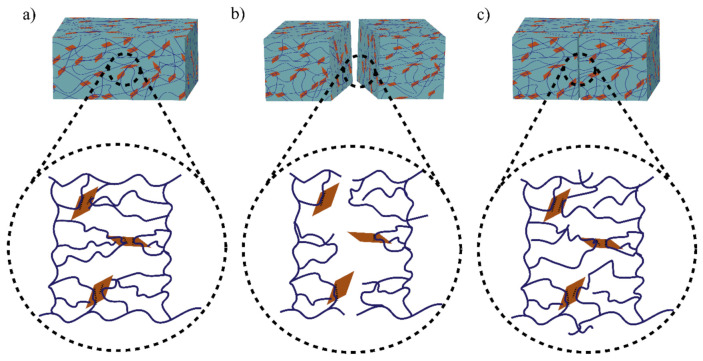 Figure 1
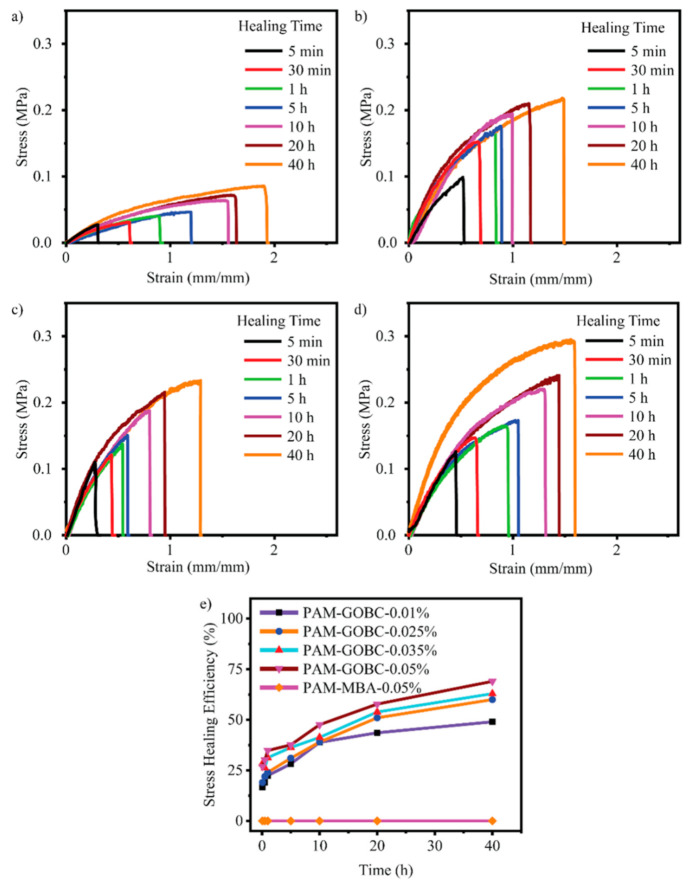 Figure 2
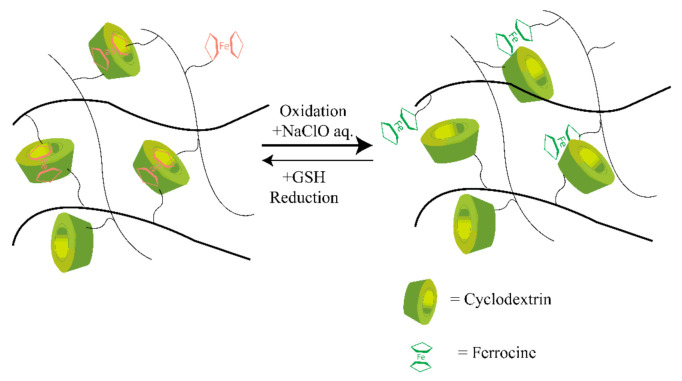 Figure 3
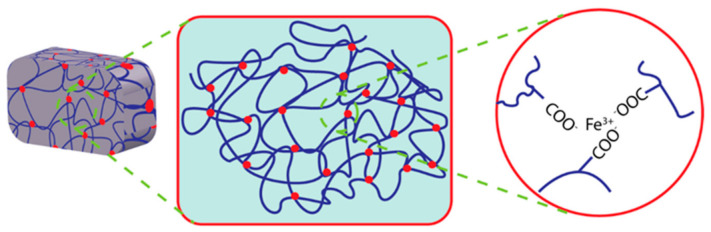 Figure 4
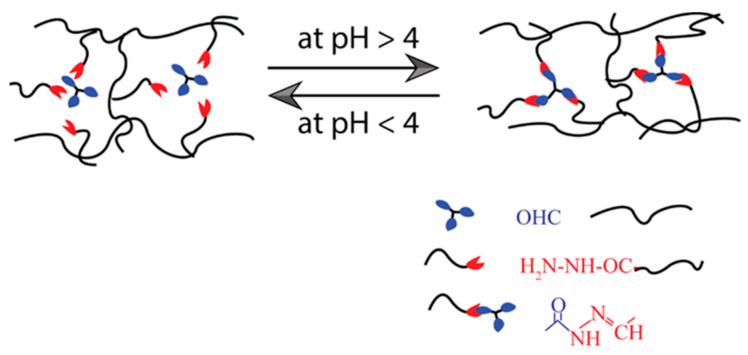 Figure 5
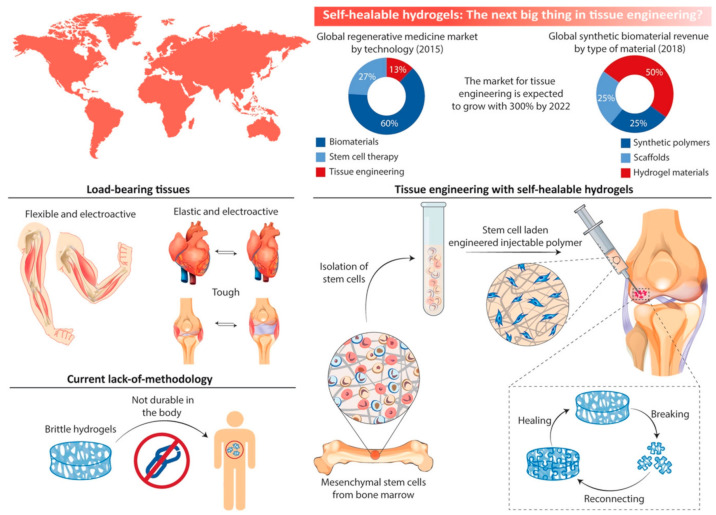 Figure 6
 Figure 7
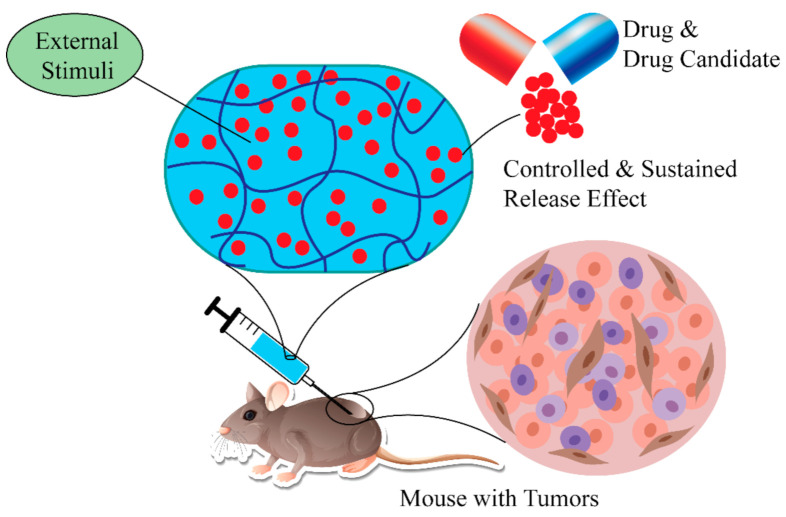 Figure 8
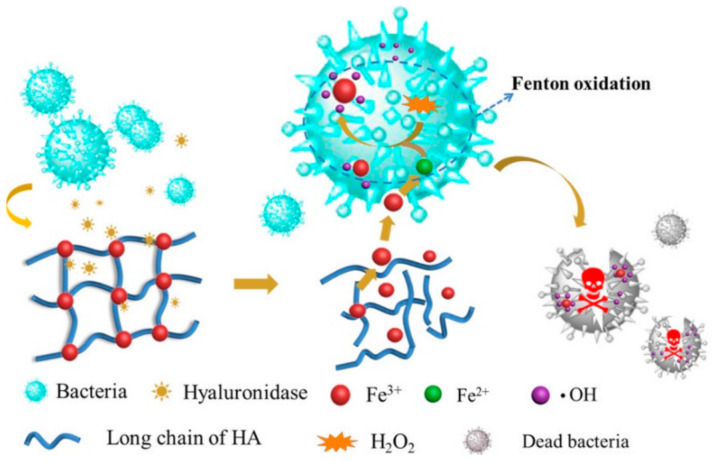 Figure 9
Peer Reviews
No public reviews on file for this paper yet. If you reviewed it on a platform where reviews are public (OpenReview, ICLR, NeurIPS, ICML), you can paste yours below so the community can read it here.
Videos
No videos yet. Explain this paper in a talk, walkthrough, or lecture? Add one.
Taxonomy
TopicsHydrogels: synthesis, properties, applications · Electrospun Nanofibers in Biomedical Applications · 3D Printing in Biomedical Research