APOBEC-mediated mutagenesis is a favorable predictor of prognosis and immunotherapy for bladder cancer patients: evidence from pan-cancer analysis and multiple databases
Run Shi, Xin Wang, Yang Wu, Bin Xu, Tianyu Zhao, Christian Trapp, Xuanbin Wang, Kristian Unger, Cheng Zhou, Shun Lu, Alexander Buchner, Gerald Bastian Schulz, Fengjun Cao, Claus Belka, Chuan Su, Minglun Li, Yongqian Shu

TL;DR
APOBEC mutagenesis is linked to better outcomes and immunotherapy response in bladder cancer patients, based on analysis of multiple cancer datasets.
Contribution
The study identifies APOBEC mutagenesis as a favorable biomarker for prognosis and immunotherapy in bladder cancer using pan-cancer and multi-omics data.
Findings
APOBEC mutagenesis is a dominant mutational pattern in bladder cancer.
Higher APOBEC enrichment correlates with better prognosis and immune activation in bladder cancer patients.
APOBEC3A and APOBEC3B are key in tumor progression and immune response in the tumor microenvironment.
Abstract
Background: The APOBEC (apolipoprotein B mRNA editing enzyme, catalytic polypeptide-like) family-mediated mutagenesis is widespread in human cancers. However, our knowledge of the biological feature and clinical relevance of APOBECs and APOBEC mutagenesis in cancers remains limited. Methods: In this study, with a series of bioinformatic and statistical approaches, we performed a comprehensive analysis of multiple levels of data, including whole-exome sequencing (WES) and targeted next-generation sequencing (NGS), transcriptome (bulk RNA-seq and single-cell RNA-seq), immune signatures and immune checkpoint blockade (ICB) potential, patient survival and drug sensitivity, to reveal the distribution characteristics and clinical significance of APOBECs and APOBEC mutagenesis in pan-cancer especially bladder cancer (BLCA). Results: APOBEC mutagenesis dominates in the mutational patterns of…
Genes, proteins, chemicals, diseases, species, mutations and cell lines named across the full text — each resolved to its canonical identifier and authoritative record.
Click any figure to enlarge with its caption.
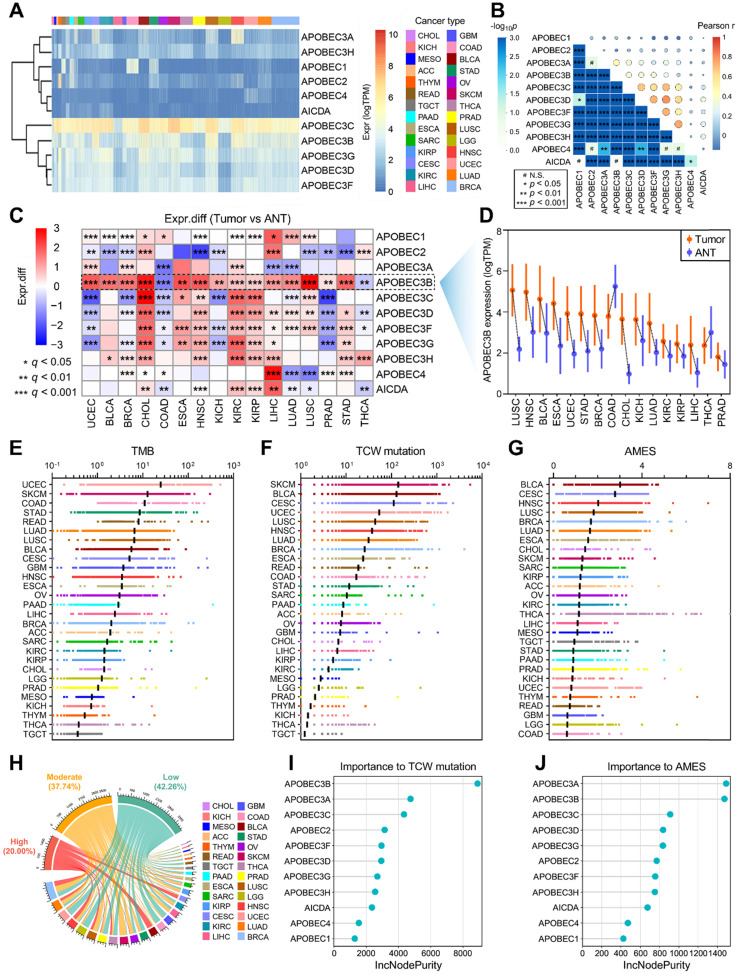 Figure 1
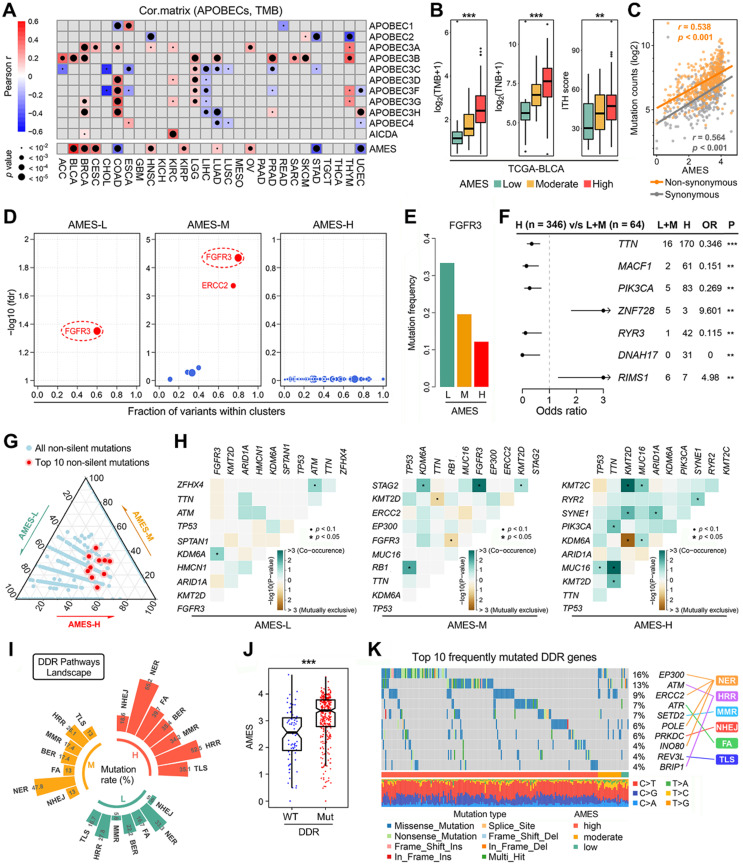 Figure 2
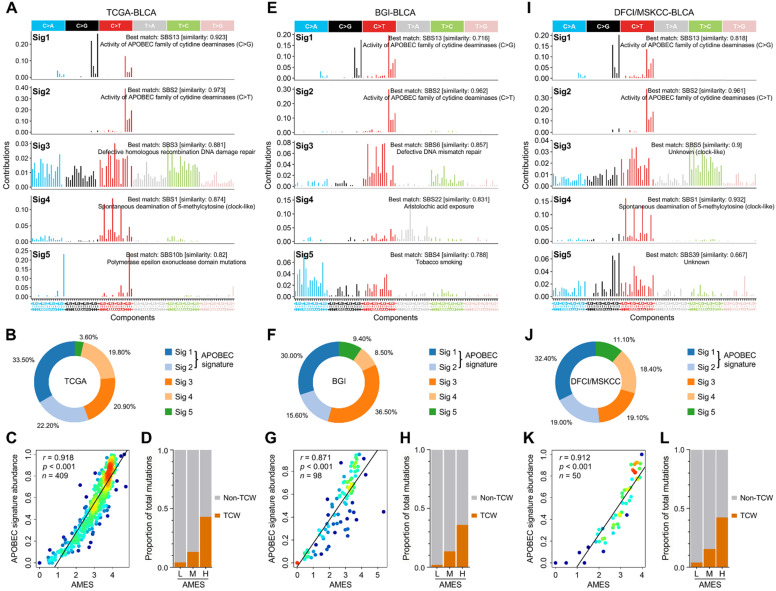 Figure 3
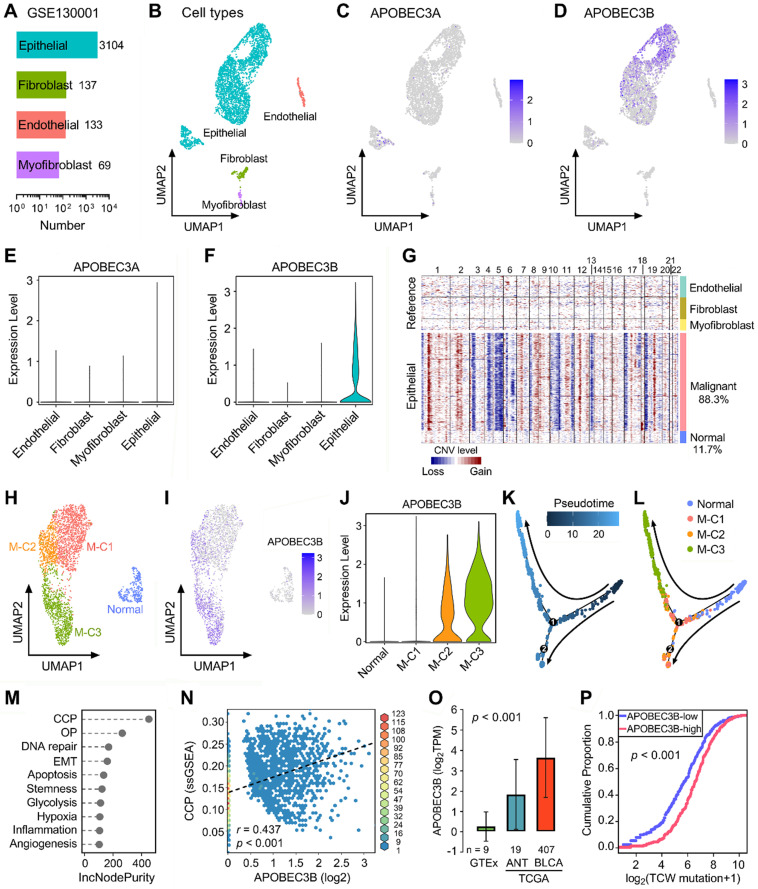 Figure 4
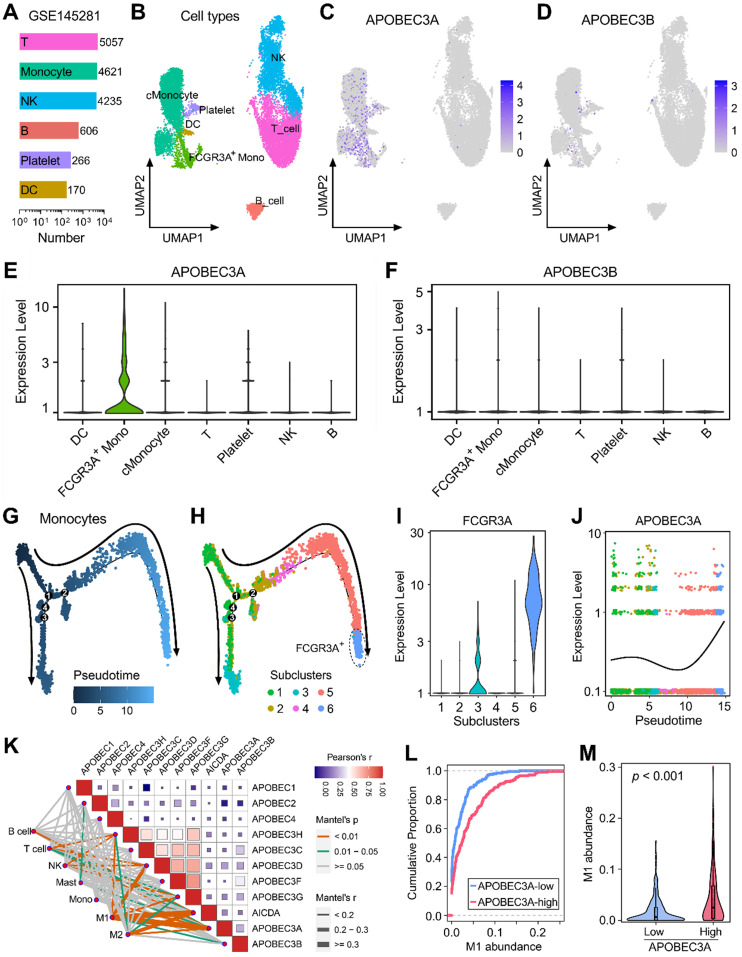 Figure 5
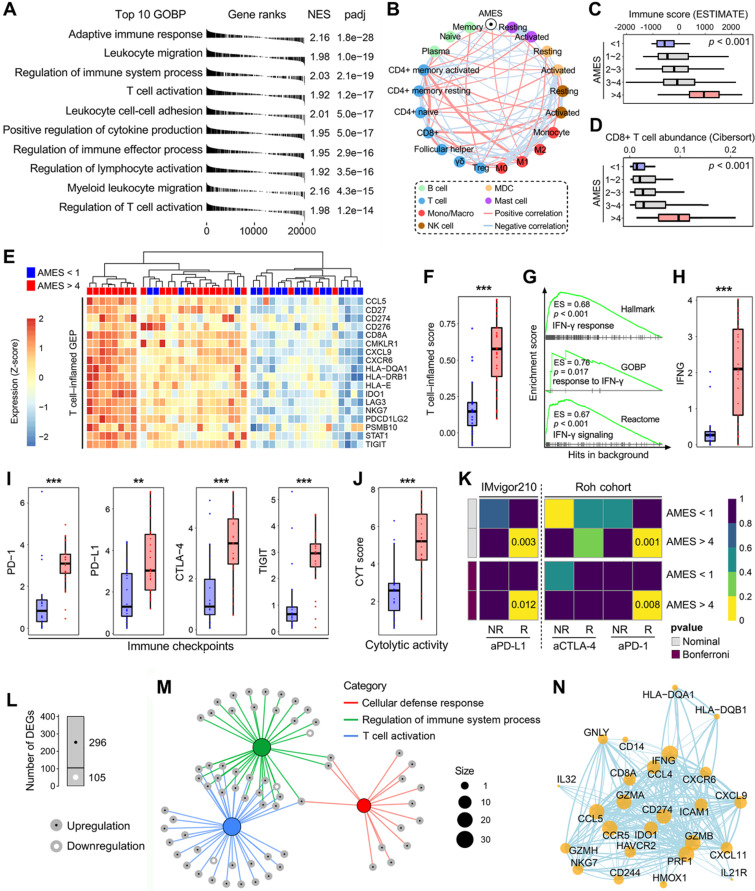 Figure 6
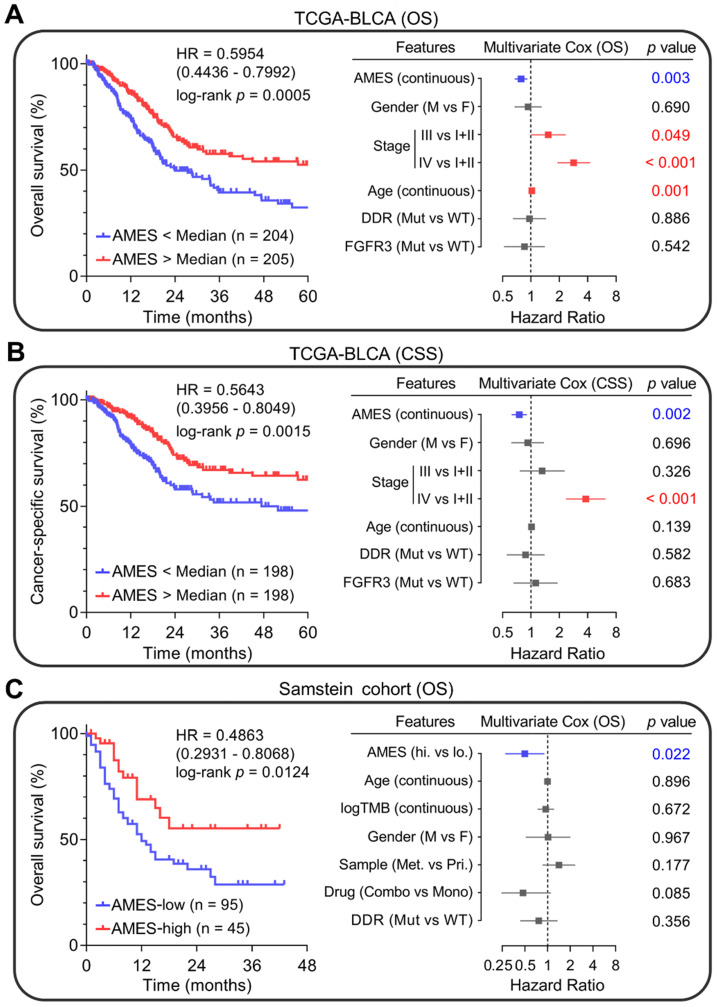 Figure 7
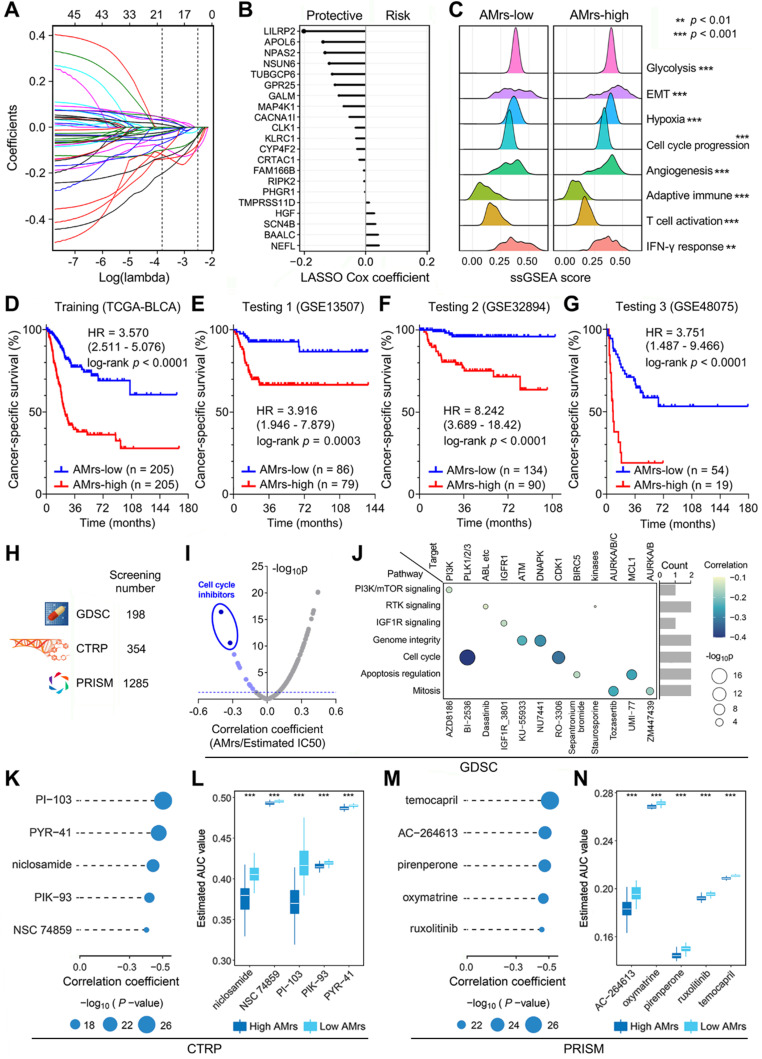 Figure 8
 Figure 9
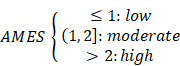 Figure 10
 Figure 11
Peer Reviews
No public reviews on file for this paper yet. If you reviewed it on a platform where reviews are public (OpenReview, ICLR, NeurIPS, ICML), you can paste yours below so the community can read it here.
Videos
No videos yet. Explain this paper in a talk, walkthrough, or lecture? Add one.
Taxonomy
TopicsFerroptosis and cancer prognosis · Bladder and Urothelial Cancer Treatments · Single-cell and spatial transcriptomics