Microfluidics for detection of exosomes and microRNAs in cancer: State of the art
Seyed Mojtaba Mousavi, Seyed Mohammad Amin Mahdian, Mohammad Saeid Ebrahimi, Mohammad Taghizadieh, Massoud Vosough, Javid Sadri Nahand, Saereh Hosseindoost, Nasim Vousooghi, Hamid Akbari Javar, Bagher Larijani, Mahmoud Reza Hadjighassem, Neda Rahimian, Michael R. Hamblin

TL;DR
This review discusses how microfluidics can improve the detection of exosomes and microRNAs in cancer, offering faster and more efficient diagnostic tools.
Contribution
The paper reviews recent advances in microfluidics for exosome and microRNA detection, focusing on their potential for clinical applications.
Findings
Microfluidics devices offer improved efficiency in isolating exosomes and microRNAs from small sample volumes.
These devices can enhance the detection and monitoring of cancer-related biomarkers in body fluids.
Microfluidics holds promise for developing point-of-care diagnostic tools for cancer.
Abstract
Exosomes are small extracellular vesicles with sizes ranging from 30–150 nanometers that contain proteins, lipids, mRNAs, microRNAs, and double-stranded DNA derived from the cells of origin. Exosomes can be taken up by target cells, acting as a means of cell-to-cell communication. The discovery of these vesicles in body fluids and their participation in cell communication has led to major breakthroughs in diagnosis, prognosis, and treatment of several conditions (e.g., cancer). However, conventional isolation and evaluation of exosomes and their microRNA content suffers from high cost, lengthy processes, difficult standardization, low purity, and poor yield. The emergence of microfluidics devices with increased efficiency in sieving, trapping, and immunological separation of small volumes could provide improved detection and monitoring of exosomes involved in cancer. Microfluidics…
Genes, proteins, chemicals, diseases, species, mutations and cell lines named across the full text — each resolved to its canonical identifier and authoritative record.
Click any figure to enlarge with its caption.
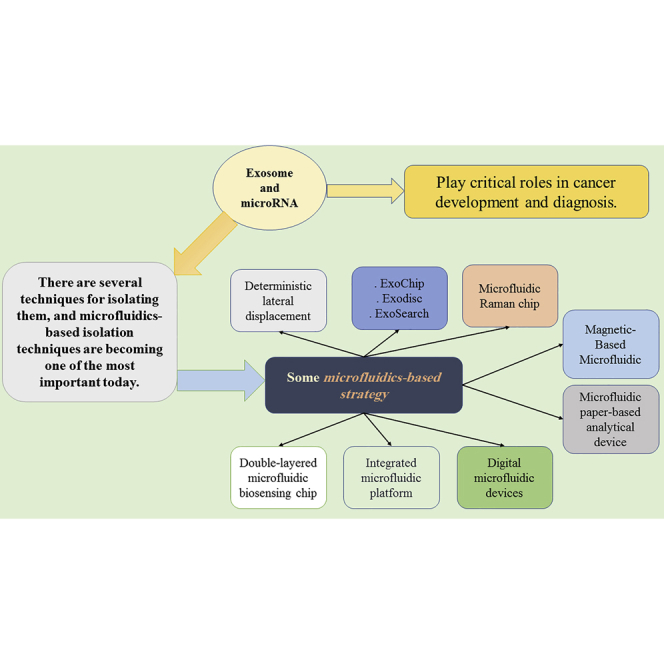 Figure 1
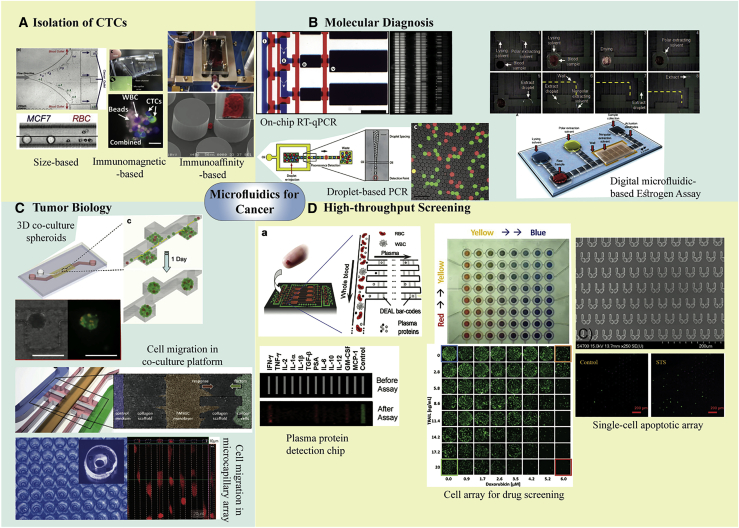 Figure 2
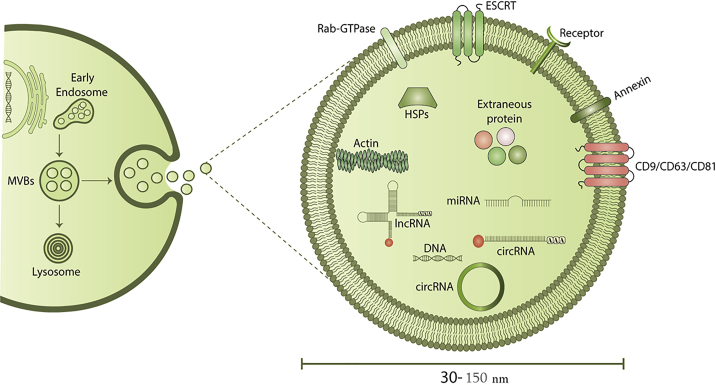 Figure 3
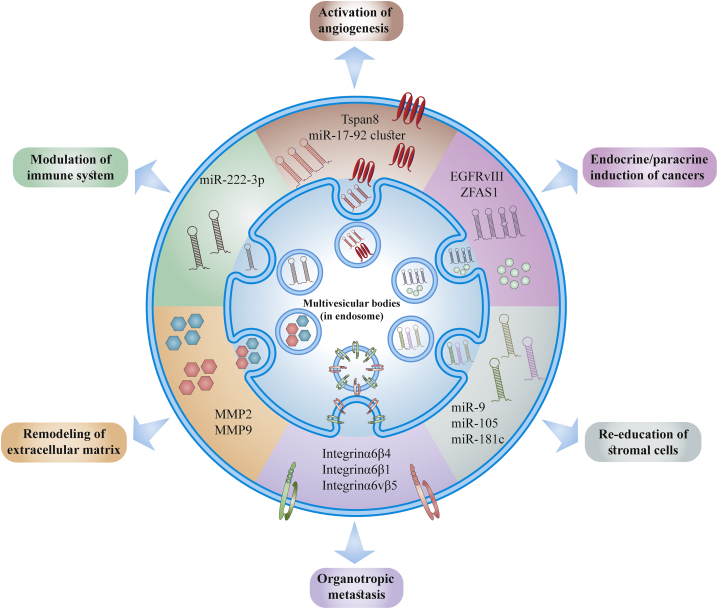 Figure 4
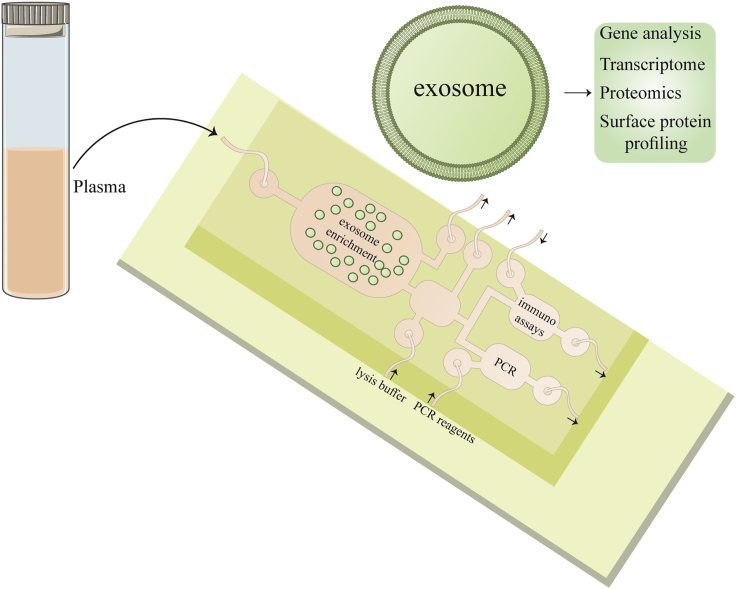 Figure 5
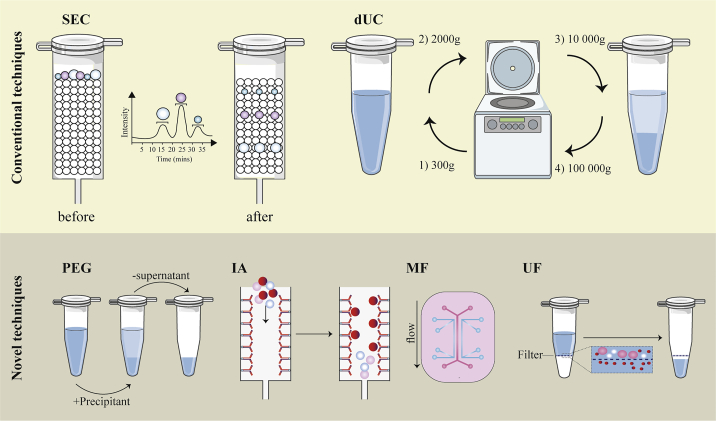 Figure 6
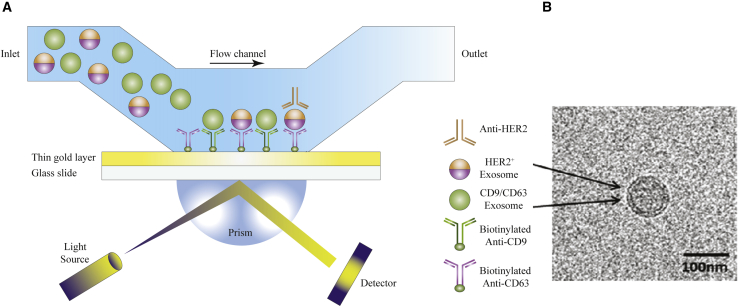 Figure 7
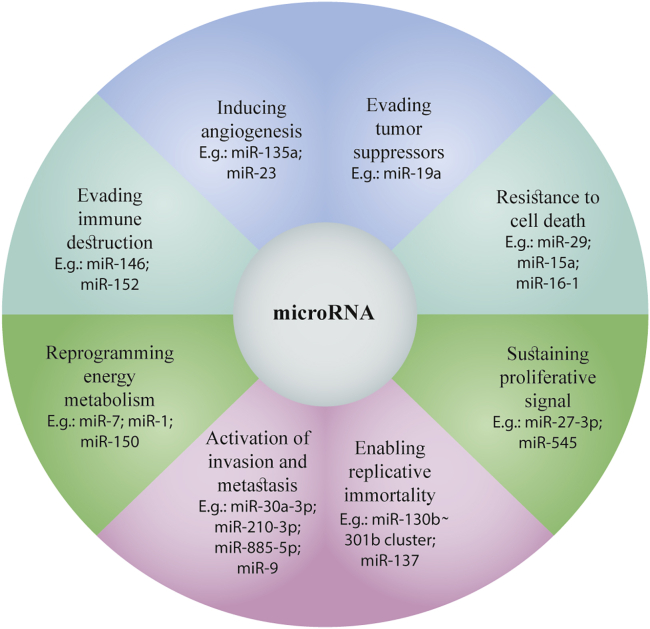 Figure 8
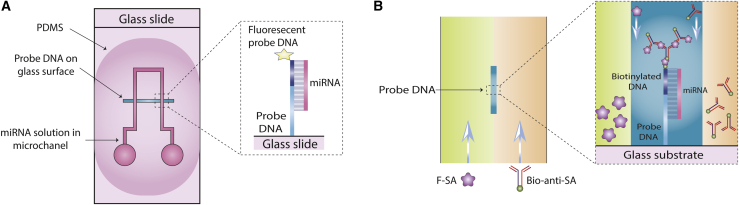 Figure 9
Peer Reviews
No public reviews on file for this paper yet. If you reviewed it on a platform where reviews are public (OpenReview, ICLR, NeurIPS, ICML), you can paste yours below so the community can read it here.
Videos
No videos yet. Explain this paper in a talk, walkthrough, or lecture? Add one.
Taxonomy
TopicsExtracellular vesicles in disease · MicroRNA in disease regulation · Microfluidic and Bio-sensing Technologies