Redox-Switchable Chalcogen Bonding for Anion Recognition and Sensing
Robert Hein, Andrew Docker, Jason J. Davis, Paul D. Beer

TL;DR
This paper introduces a new way to control chalcogen bonding using redox reactions, enabling sensitive anion sensing and molecular switches.
Contribution
The first demonstration of redox-switchable chalcogen bonding for reversible anion recognition and sensing.
Findings
Redox control modulates chalcogen bonding strength by up to three orders of magnitude.
Chalcogen-bond-based sensors outperform similar halogen and hydrogen bond sensors in electrochemical responses.
Redox-switchable anion recognition is demonstrated in aqueous-organic solvent systems.
Abstract
Inspired by the success of its related sigma-hole congener halogen bonding (XB), chalcogen bonding (ChB) is emerging as a powerful noncovalent interaction with a plethora of applications in supramolecular chemistry and beyond. Despite its increasing importance, the judicious modulation of ChB donor strength remains a formidable challenge. Herein, we present, for the first time, the reversible and large-scale modulation of ChB potency by electrochemical redox control. This is exemplified by both the switching-ON of anion recognition via ChB oxidative activation of a novel bis(ferrocenyltellurotriazole) anion host and switching-OFF reductive ChB deactivation of anion binding potency with a telluroviologen receptor. The direct linking of the redox-active center and ChB receptor donor sites enables strong coupling, which is reflected by up to a remarkable 3 orders of magnitude modulation of…
Genes, proteins, chemicals, diseases, species, mutations and cell lines named across the full text — each resolved to its canonical identifier and authoritative record.
Click any figure to enlarge with its caption.
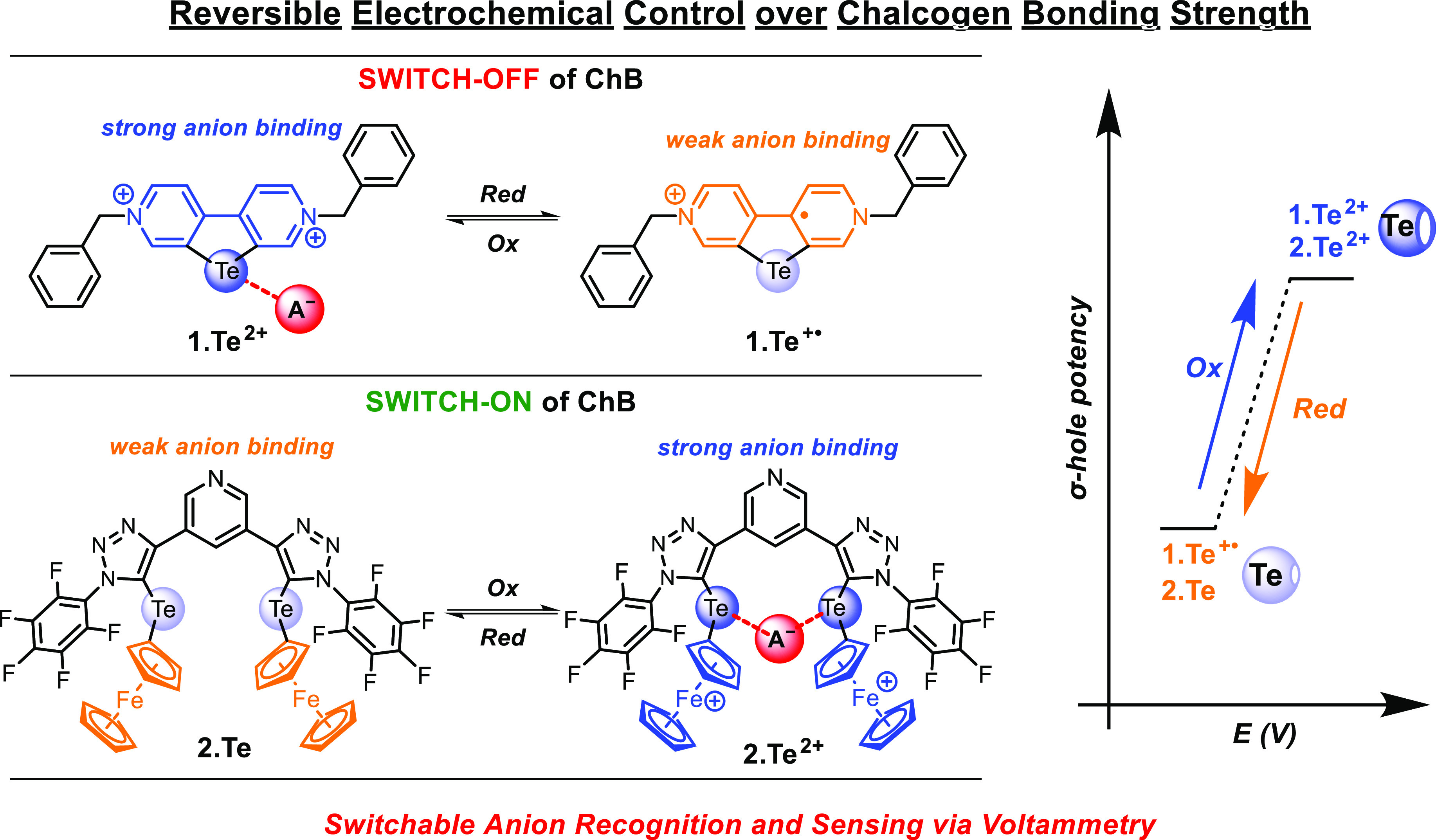 Figure 1
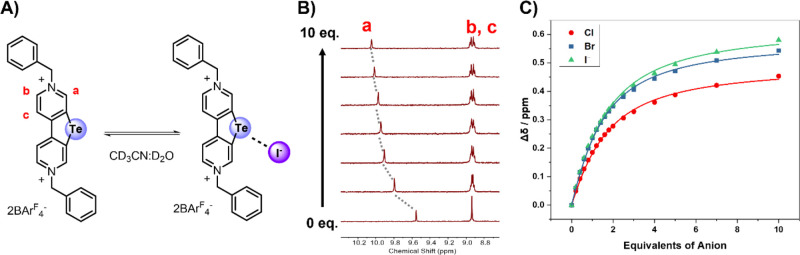 Figure 2
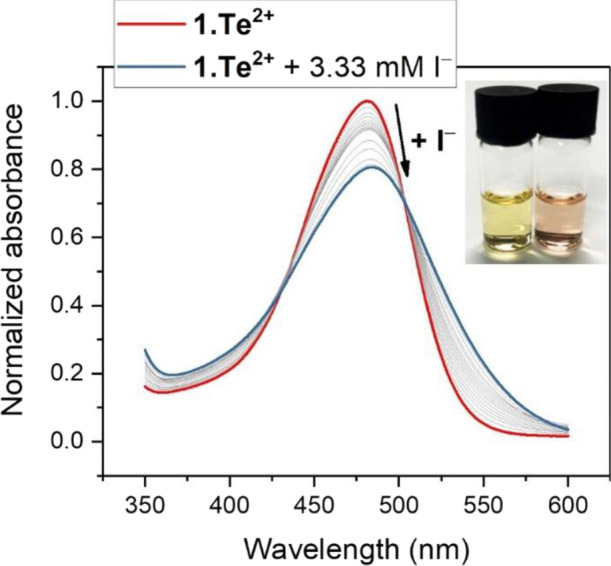 Figure 3
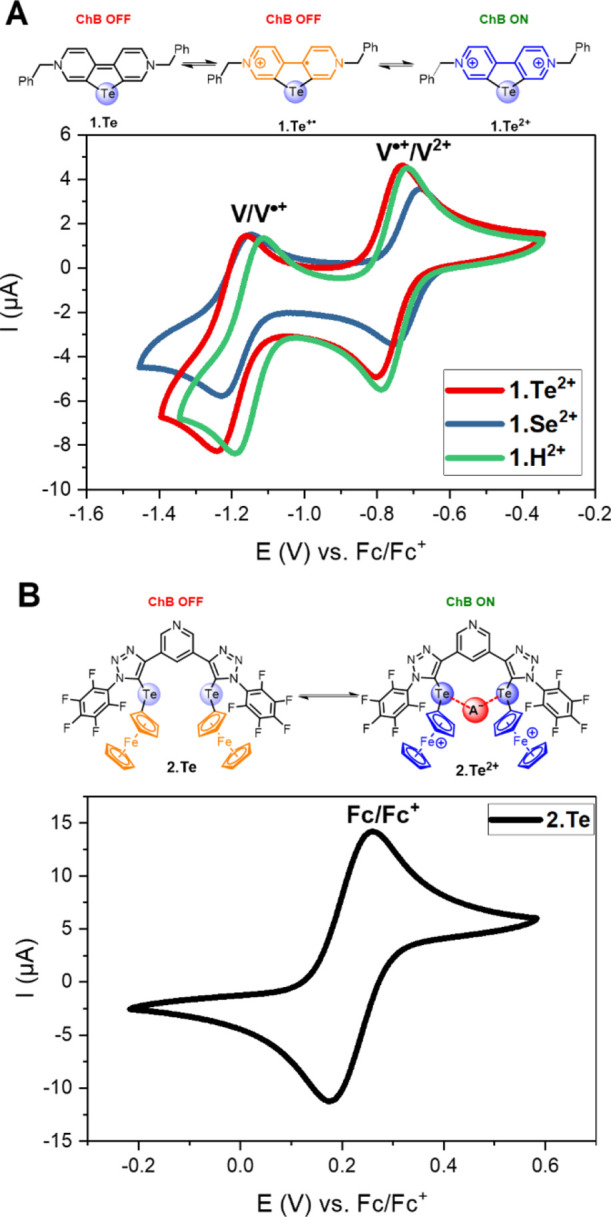 Figure 4
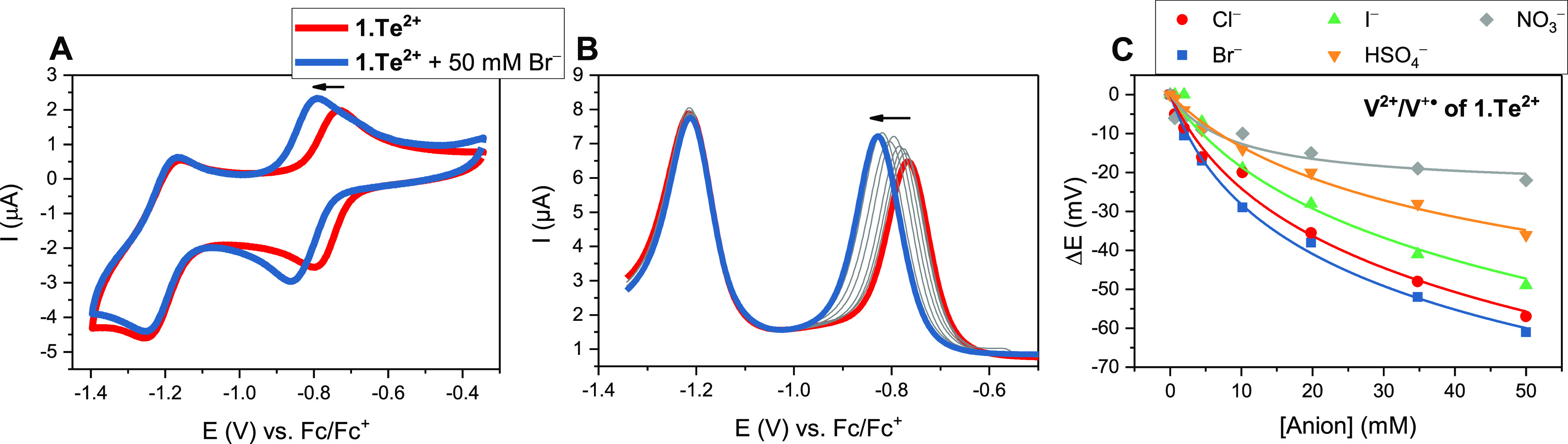 Figure 5
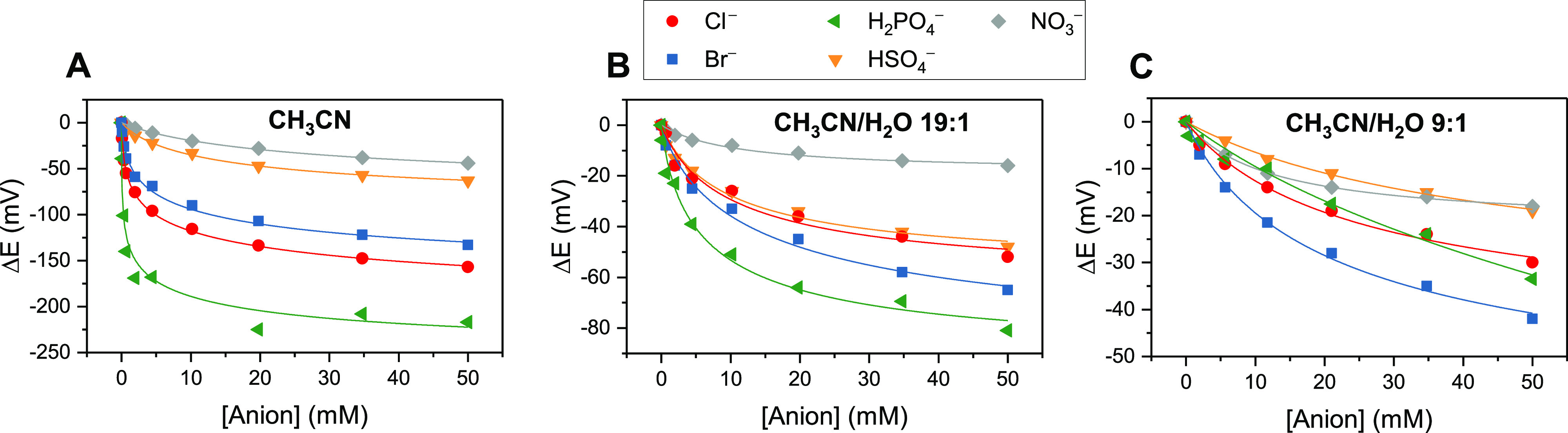 Figure 6
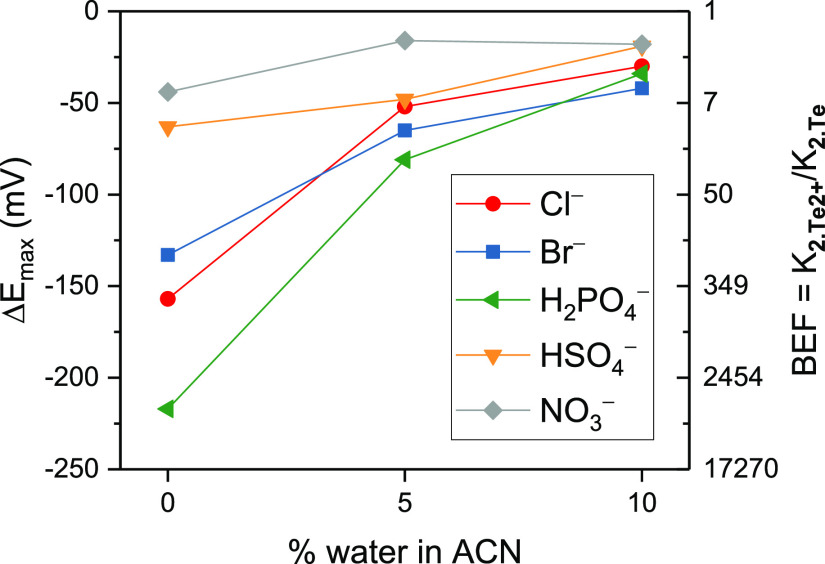 Figure 7
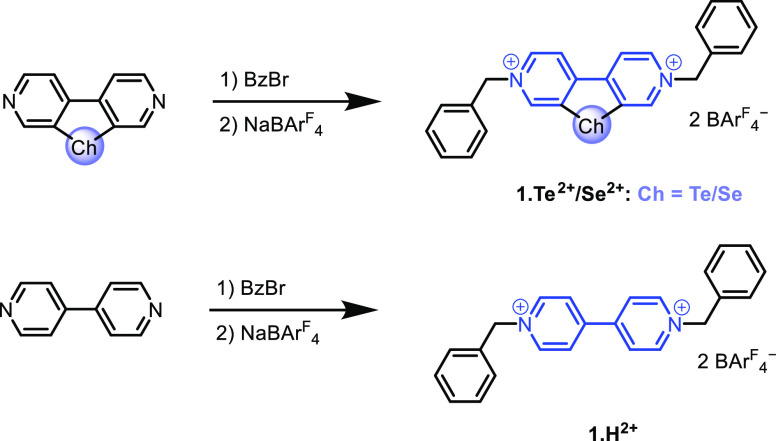 Figure 8
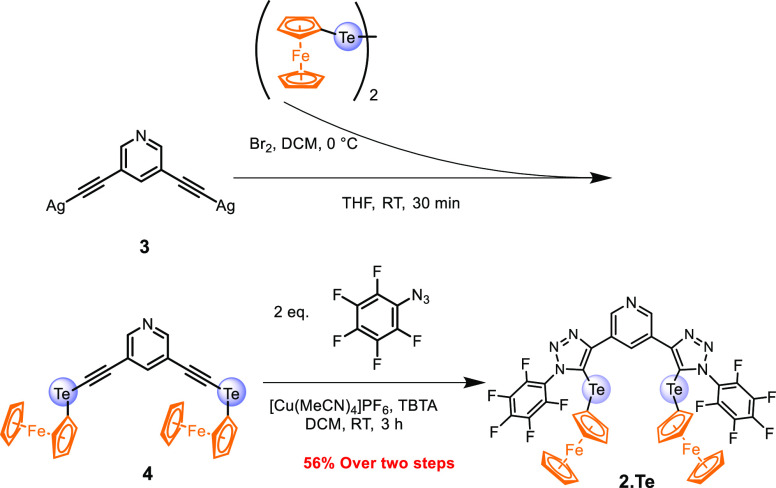 Figure 9
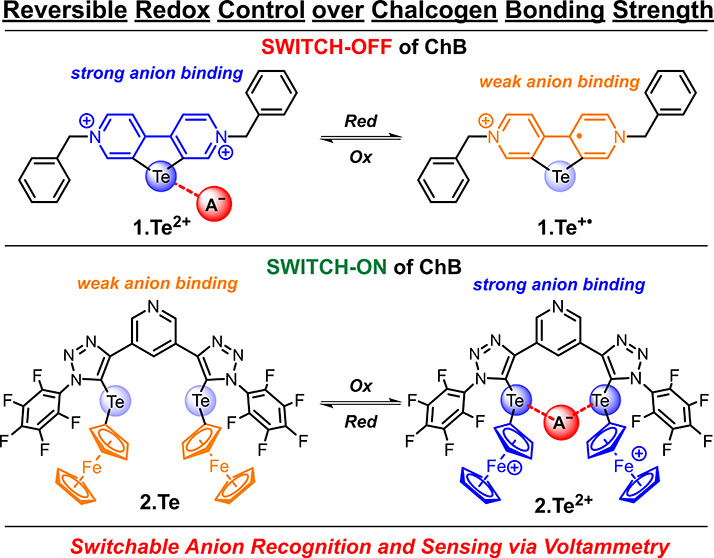 Figure 10
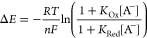 Figure 11
Peer Reviews
No public reviews on file for this paper yet. If you reviewed it on a platform where reviews are public (OpenReview, ICLR, NeurIPS, ICML), you can paste yours below so the community can read it here.
Videos
No videos yet. Explain this paper in a talk, walkthrough, or lecture? Add one.
Taxonomy
TopicsMolecular Sensors and Ion Detection · Crystallography and molecular interactions · Luminescence and Fluorescent Materials