3D printed collagen/silk fibroin scaffolds carrying the secretome of human umbilical mesenchymal stem cells ameliorated neurological dysfunction after spinal cord injury in rats
Chong Chen, Hai-Huan Xu, Xiao-Yin Liu, Yu-Sheng Zhang, Lin Zhong, You-Wei Wang, Lin Xu, Pan Wei, Ya-Xing Chen, Peng Liu, Chen-Ru Hao, Xiao-Li Jia, Nan Hu, Xiao-Yang Wu, Xiao-Song Gu, Li-Qun Chen, Xiao-Hong Li

TL;DR
3D printed scaffolds with stem cell secretome improved spinal cord injury recovery in rats by aiding nerve regeneration and function.
Contribution
3D printed collagen/silk fibroin scaffolds with MSC secretome enhance SCI recovery more effectively than scaffolds alone.
Findings
MSC secretome-containing scaffolds improved hindlimb locomotor function in rats.
The secretome facilitated nerve fiber regeneration and remyelination at the injury site.
Synaptic connections were accelerated with the secretome-loaded scaffolds.
Abstract
Although implantation of biomaterials carrying mesenchymal stem cells (MSCs) is considered as a promising strategy for ameliorating neural function after spinal cord injury (SCI), there are still some challenges including poor cell survival rate, tumorigenicity and ethics concerns. The performance of the secretome derived from MSCs was more stable, and its clinical transformation was more operable. Cytokine antibody array demonstrated that the secretome of MSCs contained 79 proteins among the 174 proteins analyzed. Three-dimensional (3D) printed collagen/silk fibroin scaffolds carrying MSCs secretome improved hindlimb locomotor function according to the Basso–Beattie–Bresnahan scores, the inclined-grid climbing test and electrophysiological analysis. Parallel with locomotor function recovery, 3D printed collagen/silk fibroin scaffolds carrying MSCs secretome could further facilitate…
Genes, proteins, chemicals, diseases, species, mutations and cell lines named across the full text — each resolved to its canonical identifier and authoritative record.
Click any figure to enlarge with its caption.
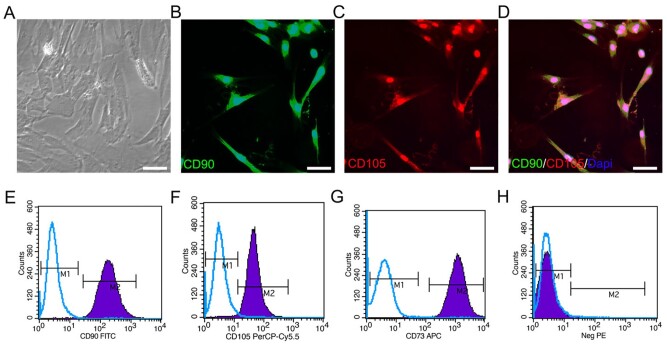 Figure 1
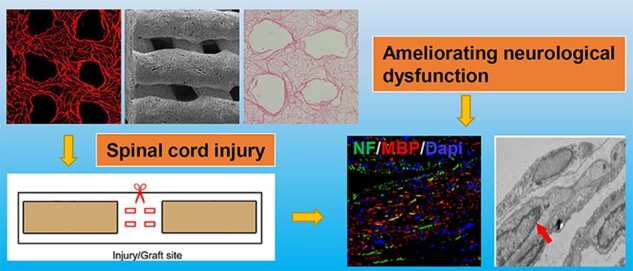 Figure 2
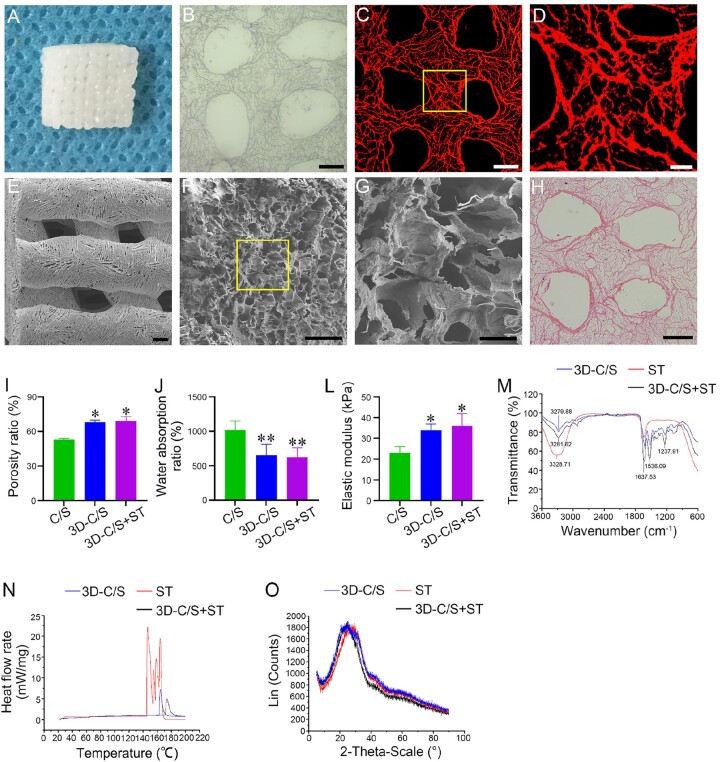 Figure 3
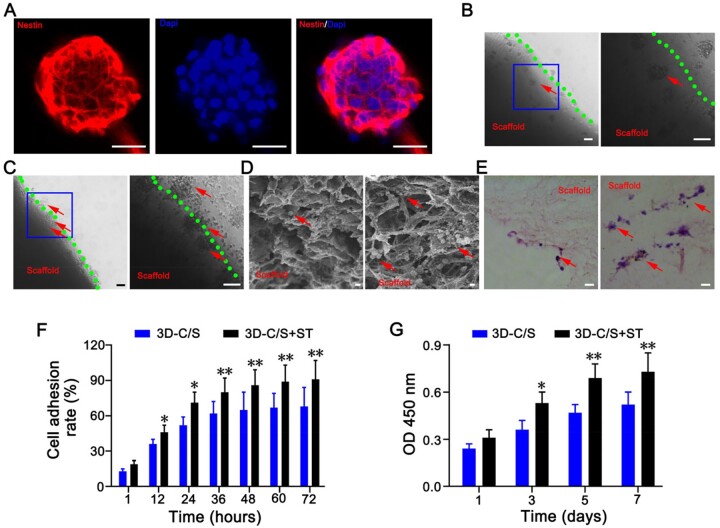 Figure 4
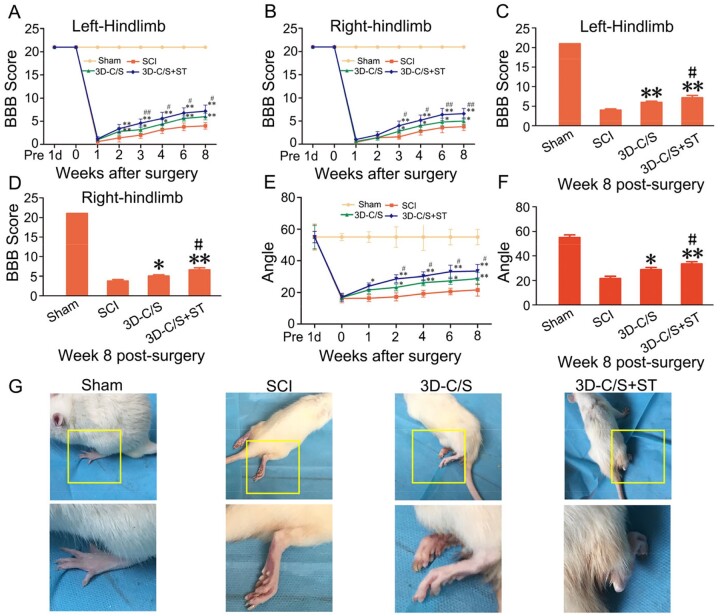 Figure 5
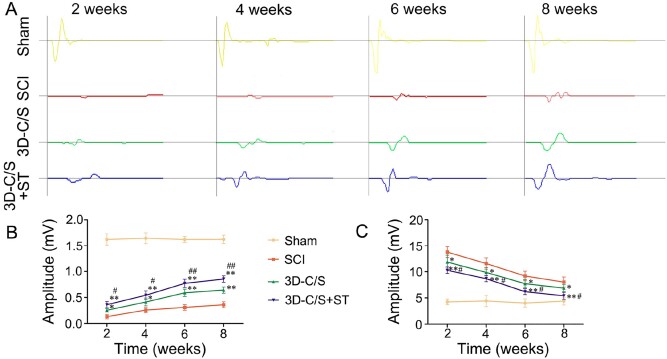 Figure 6
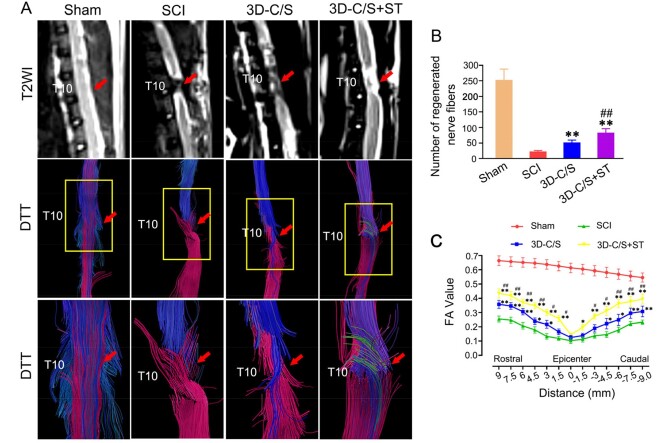 Figure 7
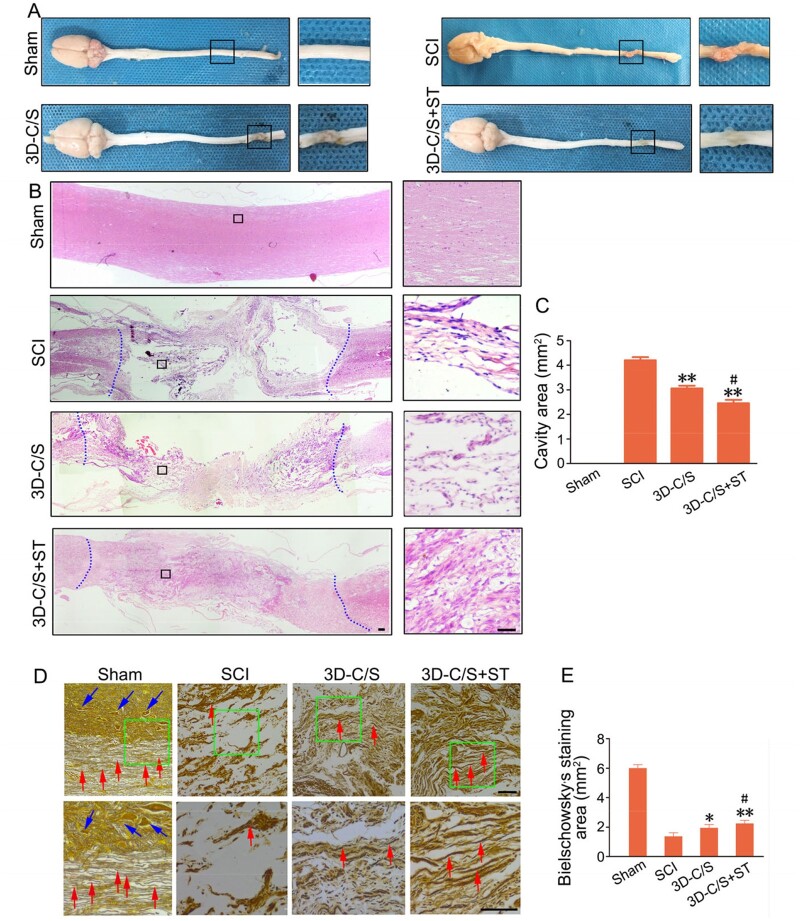 Figure 8
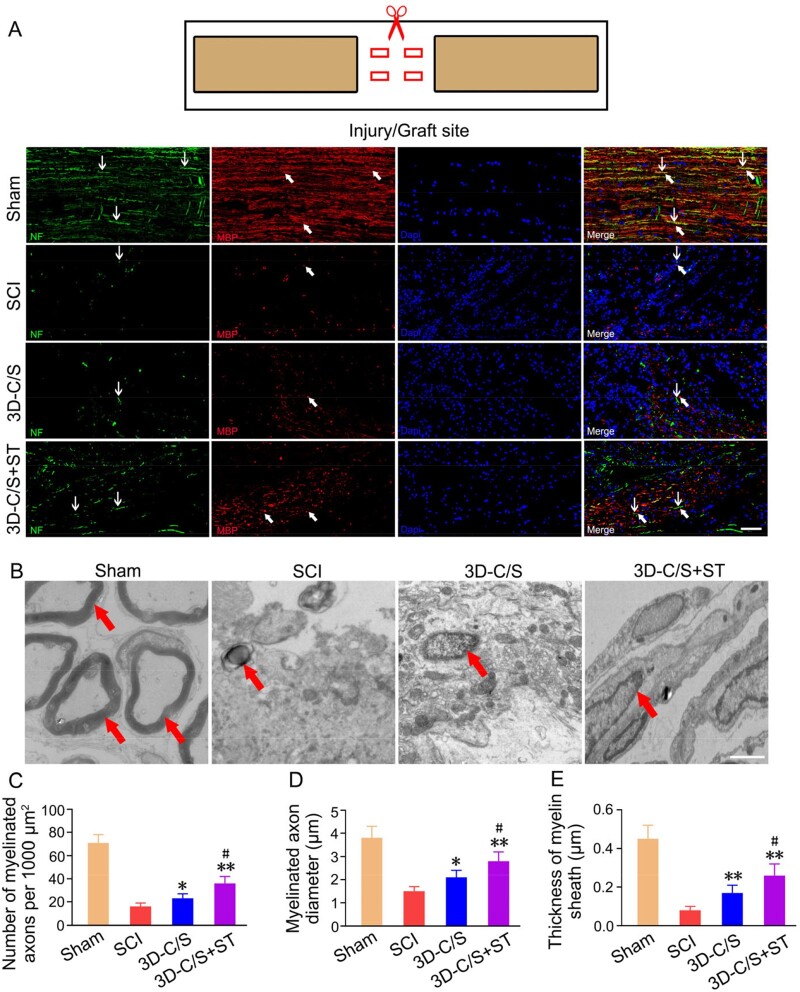 Figure 9
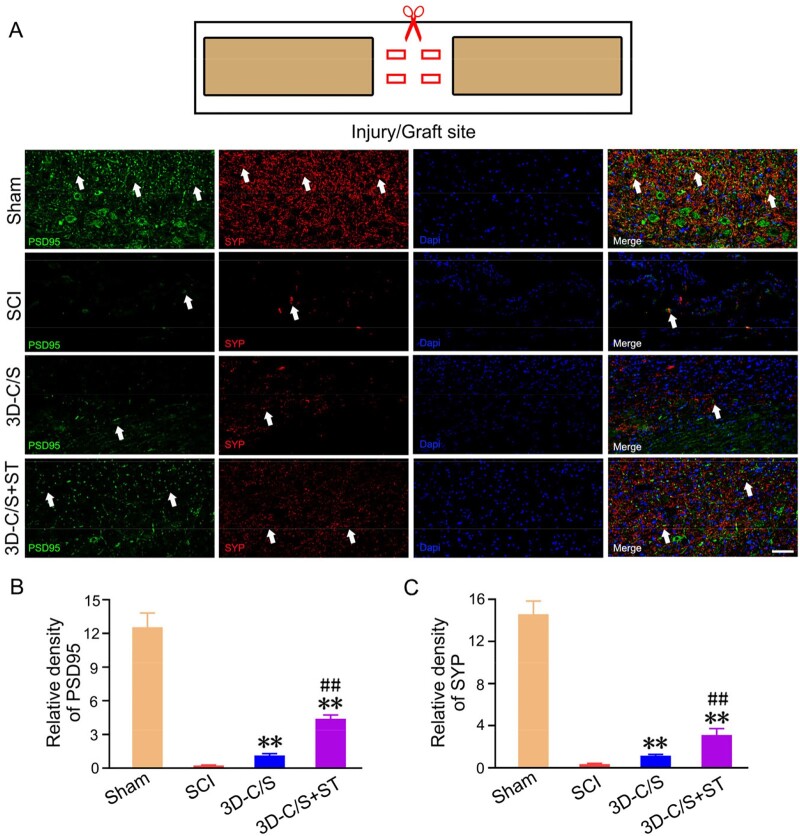 Figure 10
Peer Reviews
No public reviews on file for this paper yet. If you reviewed it on a platform where reviews are public (OpenReview, ICLR, NeurIPS, ICML), you can paste yours below so the community can read it here.
Videos
No videos yet. Explain this paper in a talk, walkthrough, or lecture? Add one.
Taxonomy
TopicsNerve injury and regeneration · Mesenchymal stem cell research · Spinal Cord Injury Research