Droplet Microfluidics for High-Throughput Analysis of Antibiotic Susceptibility in Bacterial Cells and Populations
Witold Postek, Piotr Garstecki

TL;DR
Droplet microfluidics enables high-throughput analysis of antibiotic resistance in bacteria, offering insights into resistance distribution and aiding in rapid diagnostics.
Contribution
A novel detection system using light scattering for high-throughput droplet-based antibiotic susceptibility testing is developed.
Findings
Droplet techniques reveal resistance level distributions in clonally identical bacterial populations.
A light scattering detection system enables rapid, label-free analysis of bacterial resistance in thousands of droplets per second.
Abstract
Antibiotic-resistant bacteria are an increasing concern both in everyday life and specialized environments such as healthcare. As the rate of antibiotic-resistant infections rises, so do complications to health and the risk of disability and death. Urgent action is required regarding the discovery of new antibiotics and rapid diagnosis of the resistance profile of an infectious pathogen as well as a better understanding of population and single-cell distribution of the resistance level. High-throughput screening is the major affordance of droplet microfluidics. Droplet screens can be exploited both to look for combinations of drugs that could stop an infection of multidrug-resistant bacteria and to search for the source of resistance via directed-evolution experiments or the analysis of various responses to a drug by genetically identical bacteria. In droplet techniques that have been…
Genes, proteins, chemicals, diseases, species, mutations and cell lines named across the full text — each resolved to its canonical identifier and authoritative record.
Click any figure to enlarge with its caption.
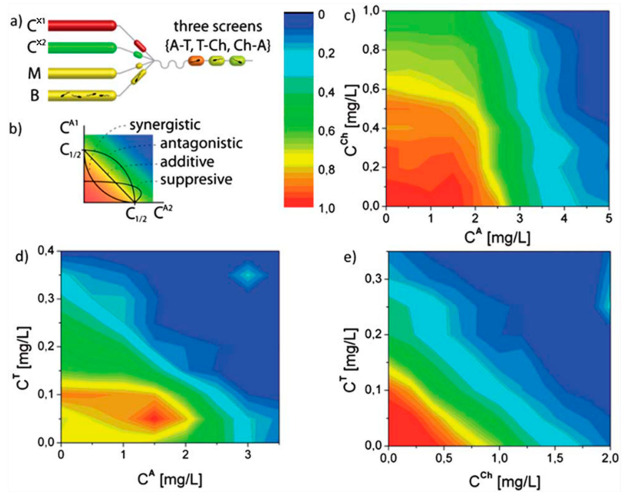 Figure 1
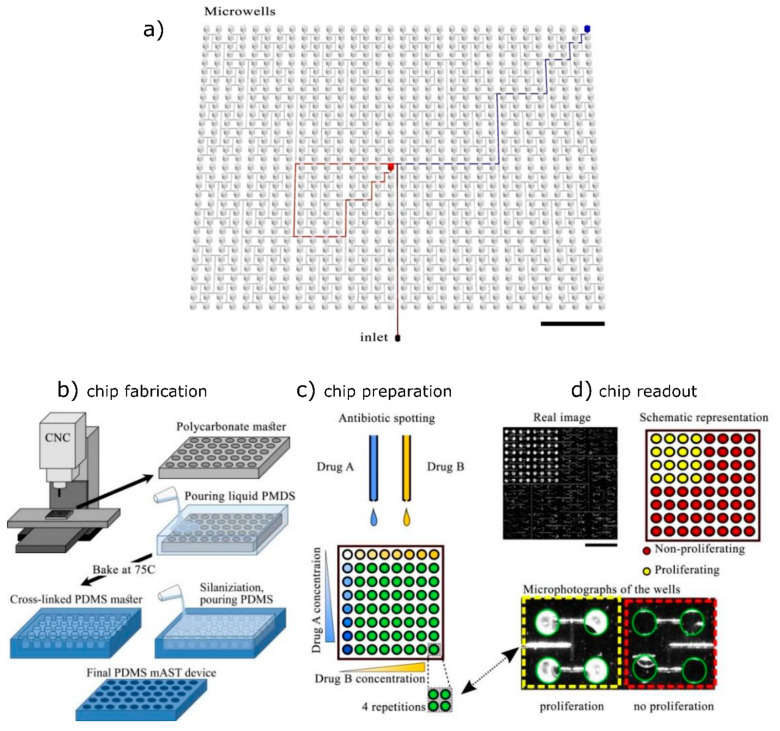 Figure 2
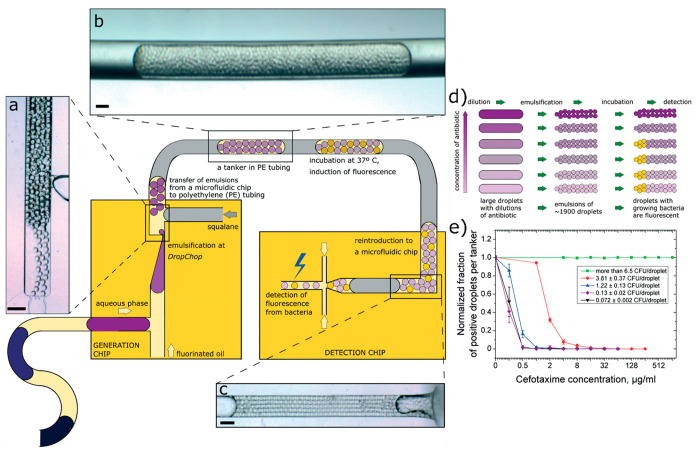 Figure 3
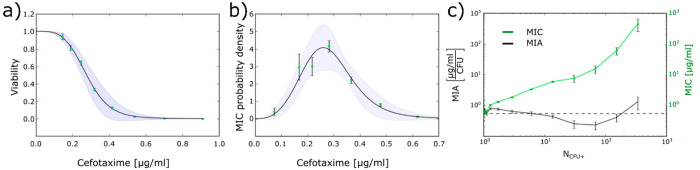 Figure 4
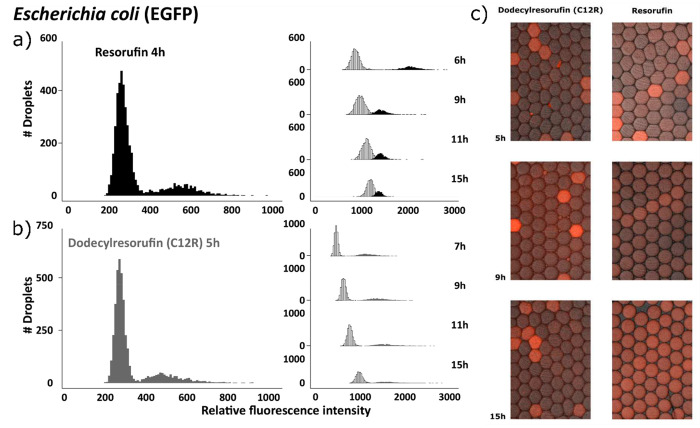 Figure 5
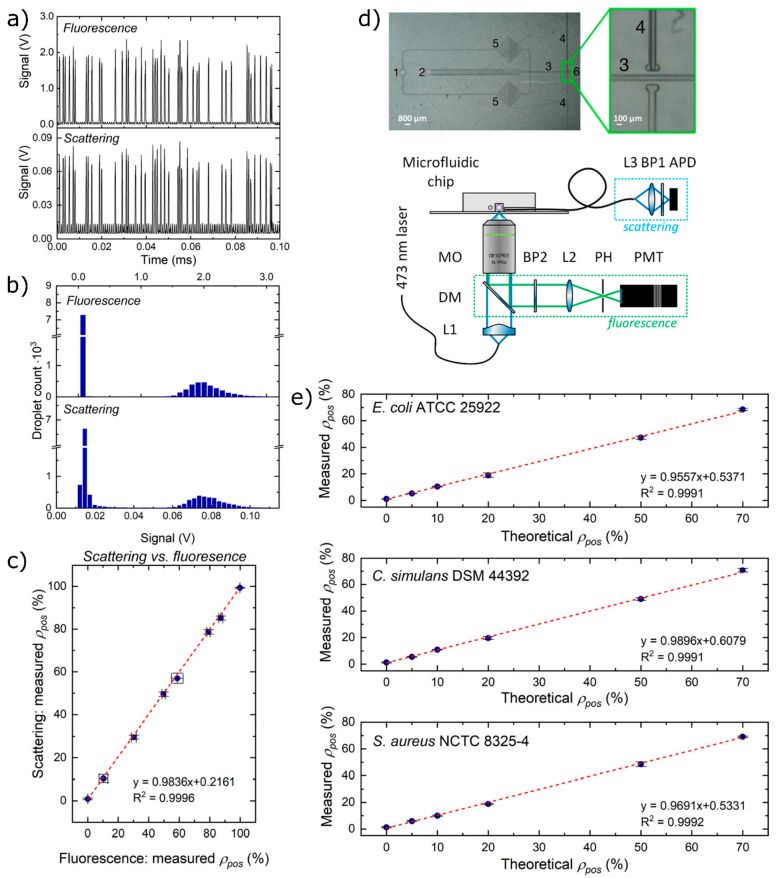 Figure 6
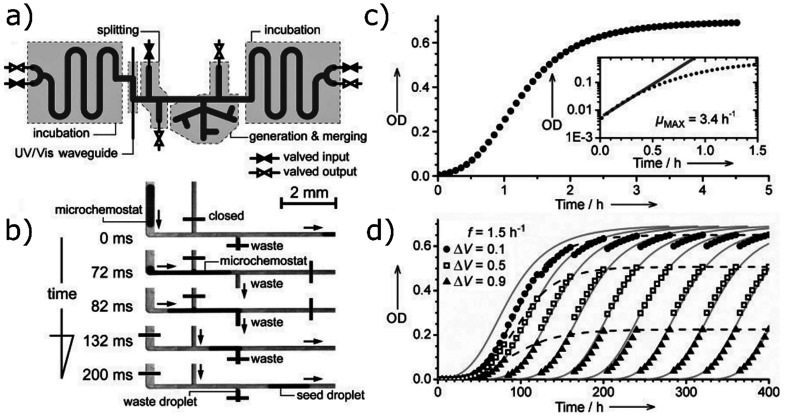 Figure 7
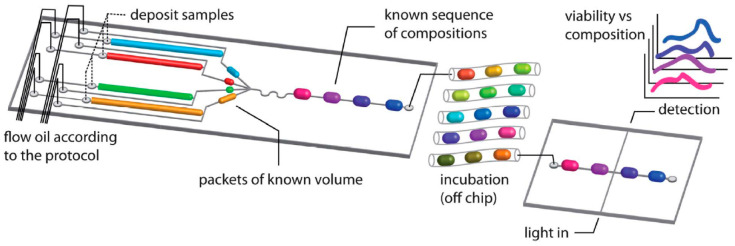 Figure 8
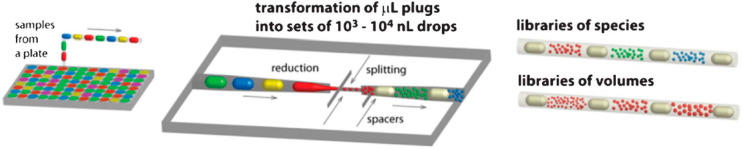 Figure 9
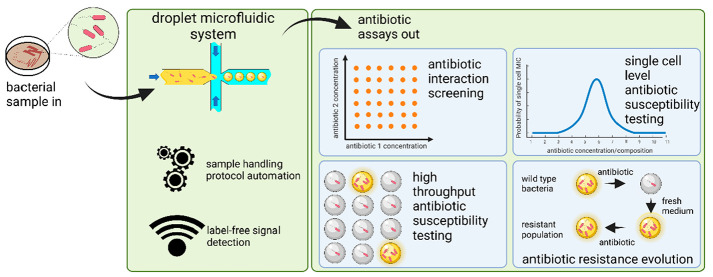 Figure 10
Peer Reviews
No public reviews on file for this paper yet. If you reviewed it on a platform where reviews are public (OpenReview, ICLR, NeurIPS, ICML), you can paste yours below so the community can read it here.
Videos
No videos yet. Explain this paper in a talk, walkthrough, or lecture? Add one.
Taxonomy
TopicsInnovative Microfluidic and Catalytic Techniques Innovation · Microfluidic and Capillary Electrophoresis Applications · Biosensors and Analytical Detection