Didymin Suppresses Microglia Pyroptosis and Neuroinflammation Through the Asc/Caspase-1/GSDMD Pathway Following Experimental Intracerebral Hemorrhage
Lingui Gu, Mingjiang Sun, Ruihao Li, Xingyu Zhang, Yihao Tao, Ye Yuan, Xu Luo, Zongyi Xie

TL;DR
Didymin reduces brain inflammation and injury after intracerebral hemorrhage by suppressing microglial pyroptosis through a specific molecular pathway.
Contribution
Didymin's novel anti-pyroptosis and anti-neuroinflammation effects via the Asc/Caspase-1/GSDMD pathway after ICH are demonstrated.
Findings
Didymin improved neurobehavioral outcomes and reduced brain swelling after ICH.
Didymin suppressed microglial pyroptosis and inflammatory molecule expression.
Rkip upregulation by Didymin inhibits the inflammasome and neuroinflammation.
Abstract
Neuroinflammation has been proven to exert an important effect on brain injury after intracerebral hemorrhage (ICH). Previous studies reported that Didymin possessed anti-inflammatory properties after acute hepatic injury, hyperglycemia-induced endothelial dysfunction, and death. However, the role of Didymin in microglial pyroptosis and neuroinflammation after ICH is unclear. The current study aimed to investigate the effect of Didymin on neuroinflammation mediated by microglial pyroptosis in mouse models of ICH and shed some light on the underlying mechanisms. In this study, we observed that Didymin treatment remarkably improved neurobehavioral performance and decreased BBB disruption and brain water content. Microglial activation and neutrophil infiltration in the peri-hematoma tissue after ICH were strikingly mitigated by Didymin as well. At the molecular level, administration of…
Genes, proteins, chemicals, diseases, species, mutations and cell lines named across the full text — each resolved to its canonical identifier and authoritative record.
Click any figure to enlarge with its caption.
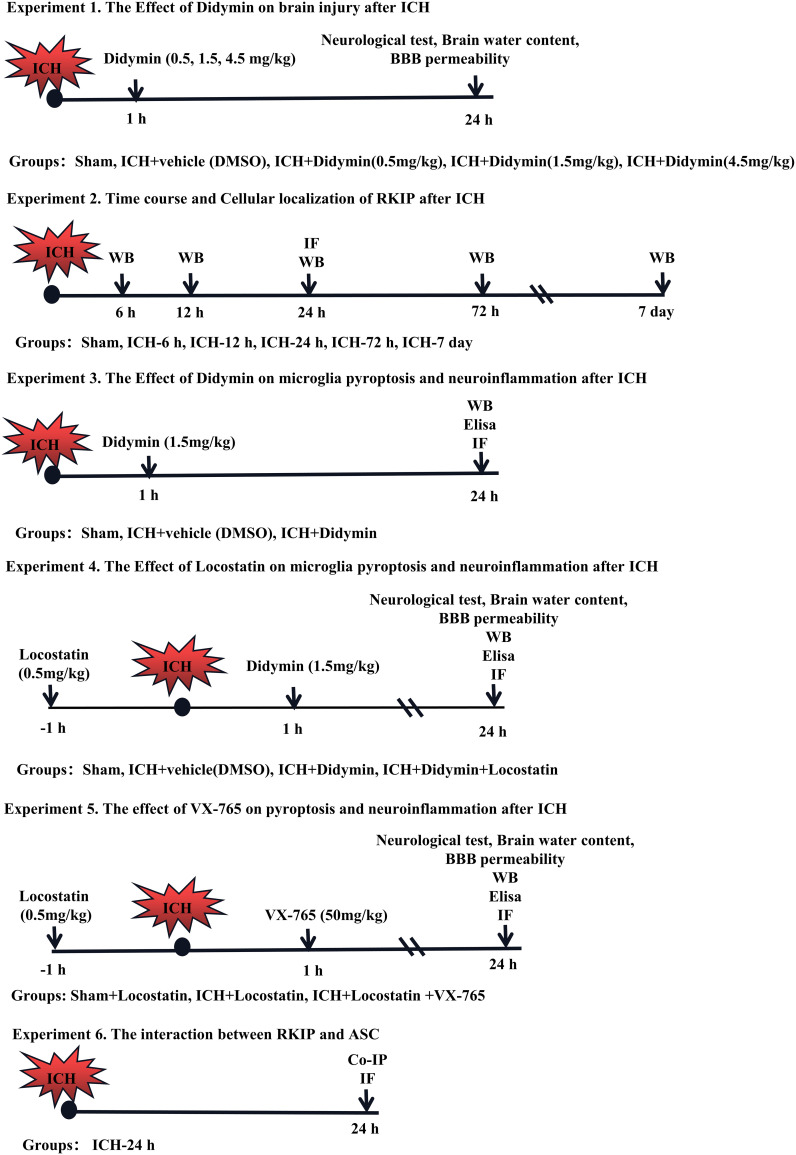 Figure 1
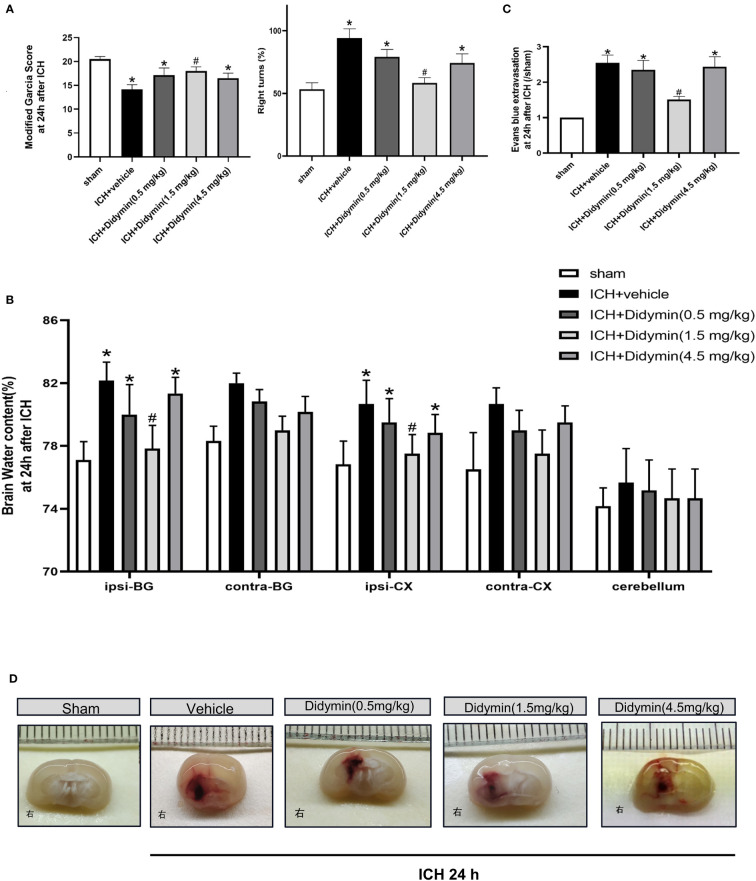 Figure 2
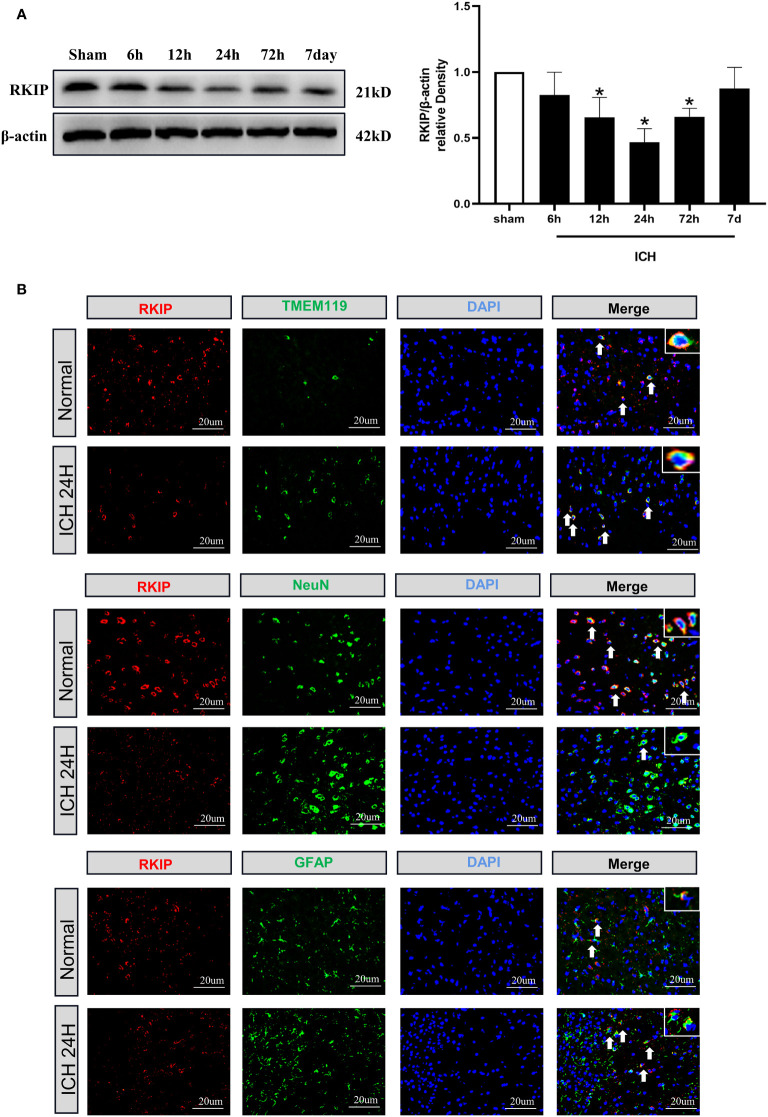 Figure 3
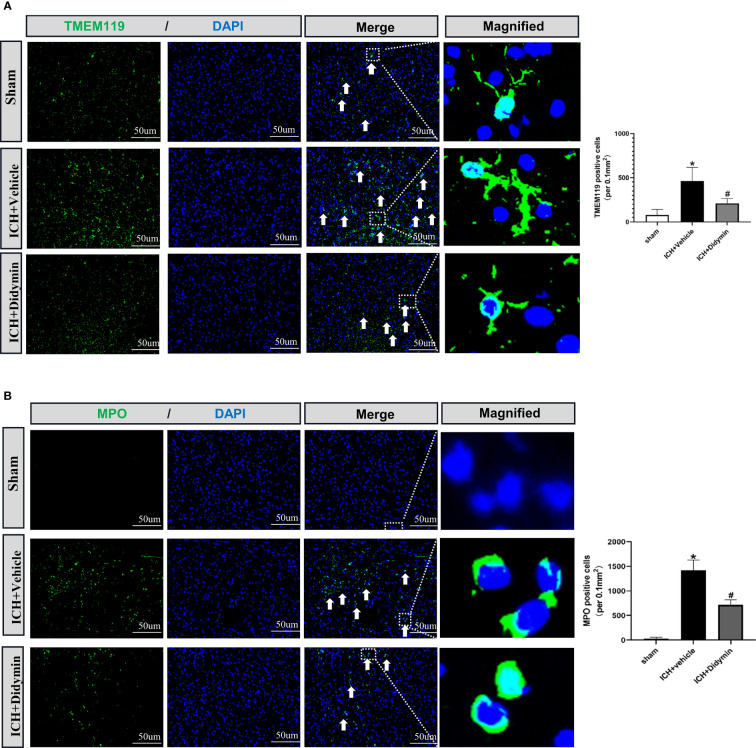 Figure 4
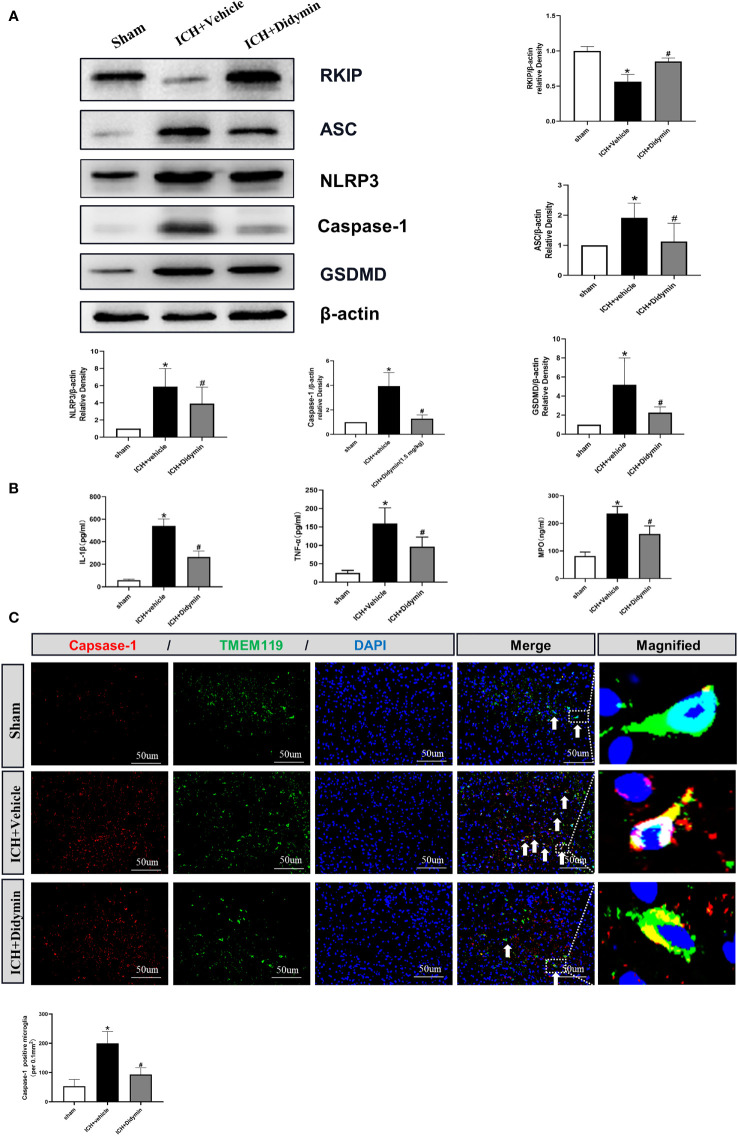 Figure 5
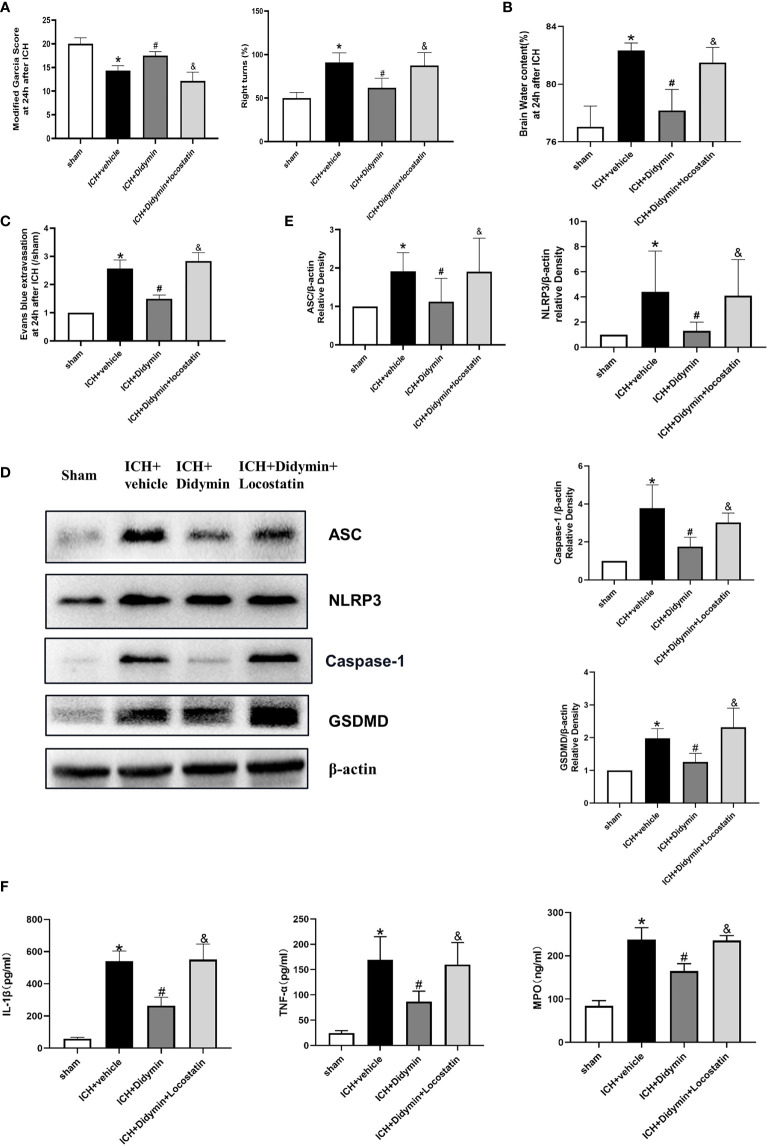 Figure 6
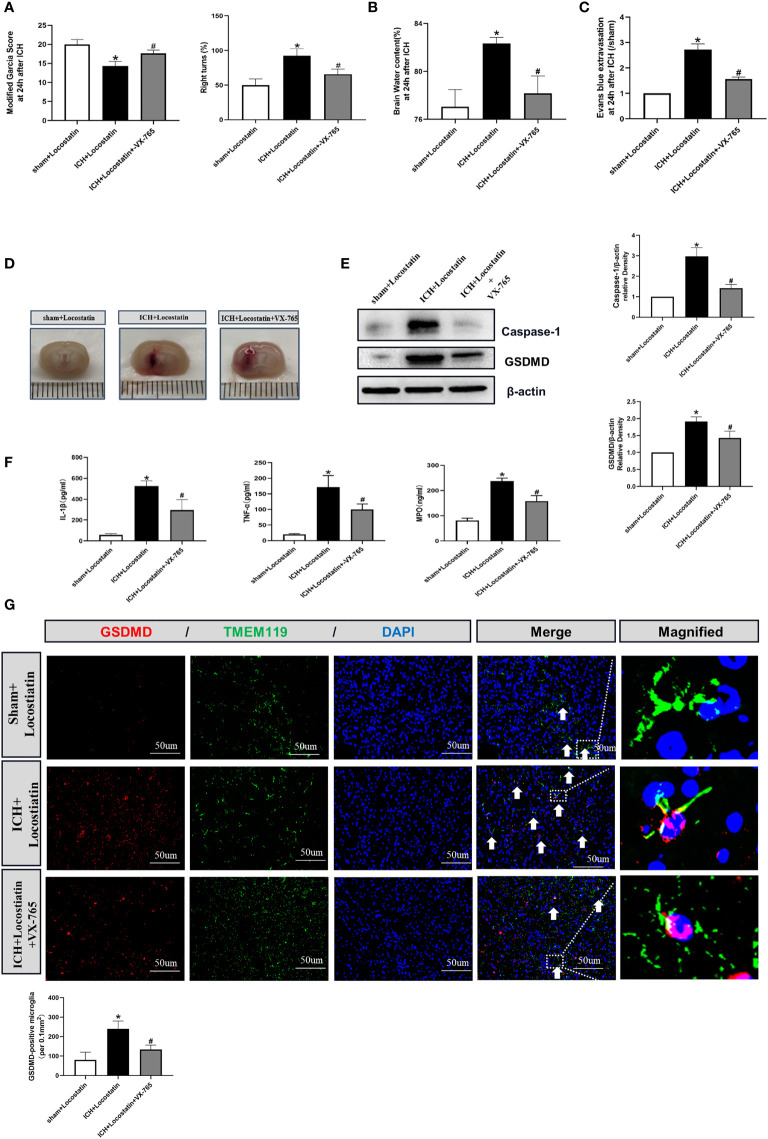 Figure 7
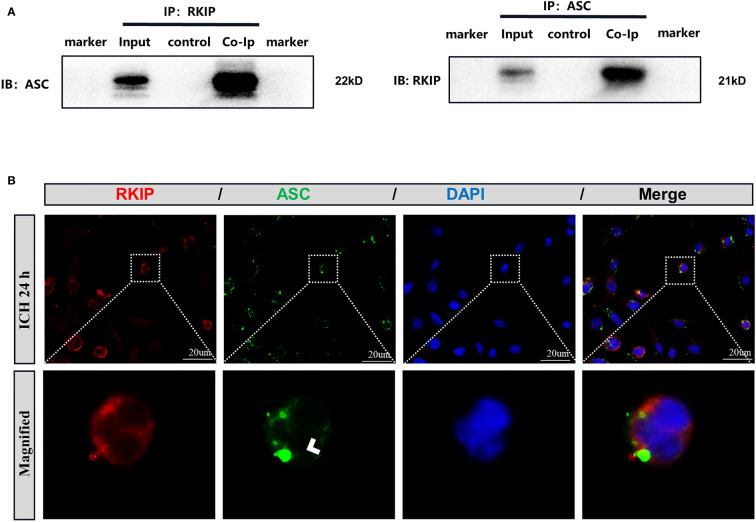 Figure 8
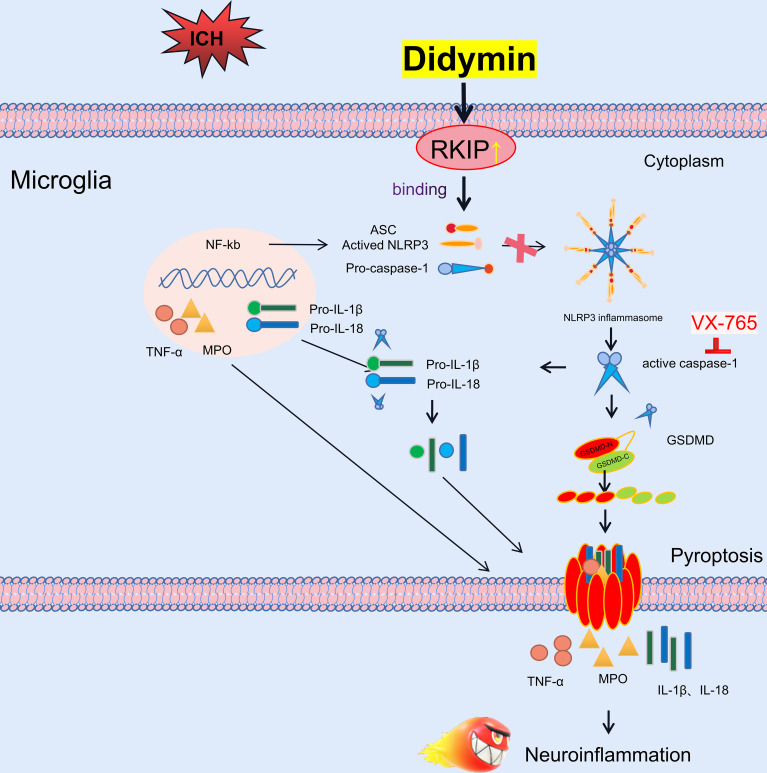 Figure 9
Peer Reviews
No public reviews on file for this paper yet. If you reviewed it on a platform where reviews are public (OpenReview, ICLR, NeurIPS, ICML), you can paste yours below so the community can read it here.
Videos
No videos yet. Explain this paper in a talk, walkthrough, or lecture? Add one.
Taxonomy
TopicsIntracerebral and Subarachnoid Hemorrhage Research · Inflammasome and immune disorders · Neurosurgical Procedures and Complications