An Overview of Organs-on-Chips Based on Deep Learning
Jintao Li, Jie Chen, Hua Bai, Haiwei Wang, Shiping Hao, Yang Ding, Bo Peng, Jing Zhang, Lin Li, Wei Huang

TL;DR
This paper reviews how deep learning can enhance organs-on-chips technology for drug development and personalized medicine.
Contribution
The paper provides a comprehensive overview of integrating deep learning with organs-on-chips for biomedical applications.
Findings
Deep learning can automate data analysis from high-parallel organs-on-chips systems.
Combining deep learning with OoCs improves image digitization and system automation.
Challenges remain in fully integrating deep learning with OoCs, requiring further research.
Abstract
Microfluidic-based organs-on-chips (OoCs) are a rapidly developing technology in biomedical and chemical research and have emerged as one of the most advanced and promising in vitro models. The miniaturization, stimulated tissue mechanical forces, and microenvironment of OoCs offer unique properties for biomedical applications. However, the large amount of data generated by the high parallelization of OoC systems has grown far beyond the scope of manual analysis by researchers with biomedical backgrounds. Deep learning, an emerging area of research in the field of machine learning, can automatically mine the inherent characteristics and laws of “big data” and has achieved remarkable applications in computer vision, speech recognition, and natural language processing. The integration of deep learning in OoCs is an emerging field that holds enormous potential for drug development, disease…
Genes, proteins, chemicals, diseases, species, mutations and cell lines named across the full text — each resolved to its canonical identifier and authoritative record.
Click any figure to enlarge with its caption.
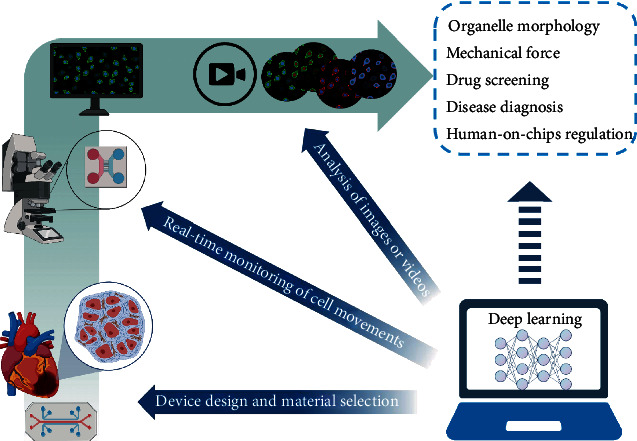 Figure 1
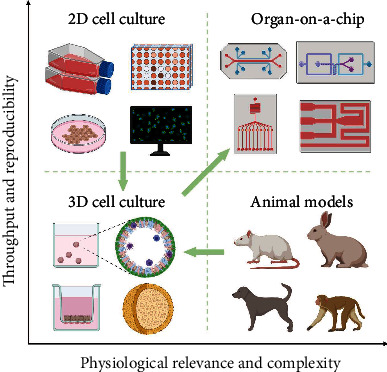 Figure 2
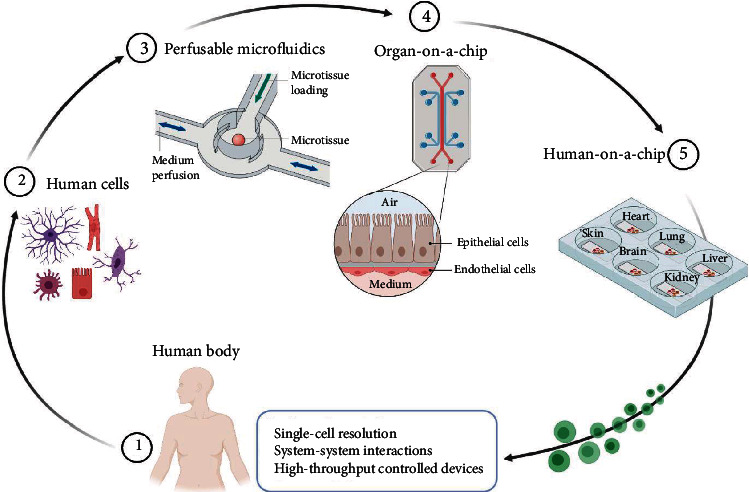 Figure 3
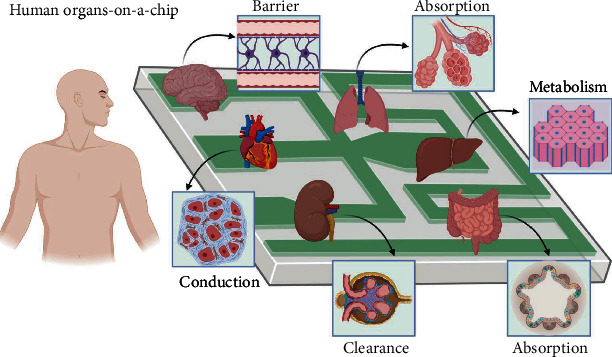 Figure 4
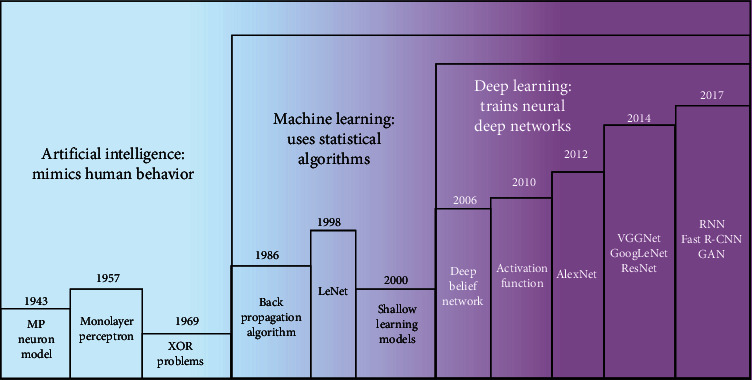 Figure 5
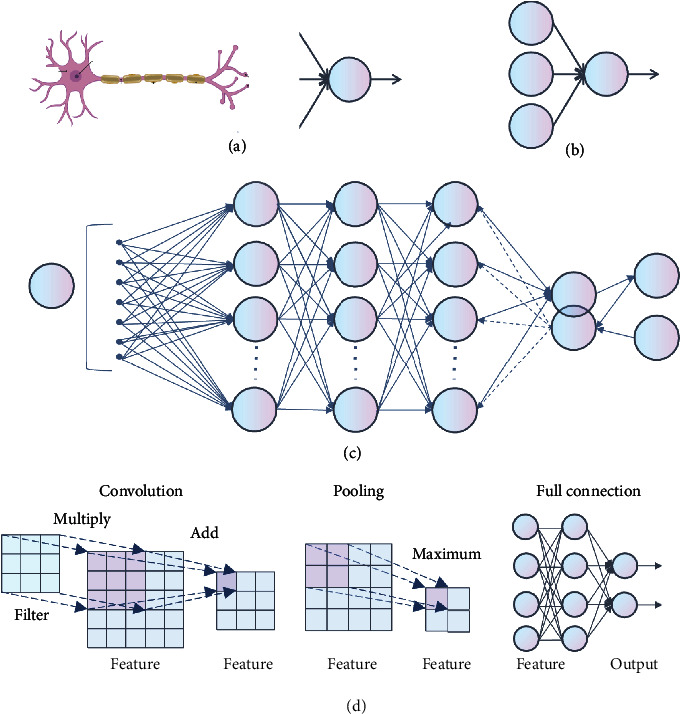 Figure 6
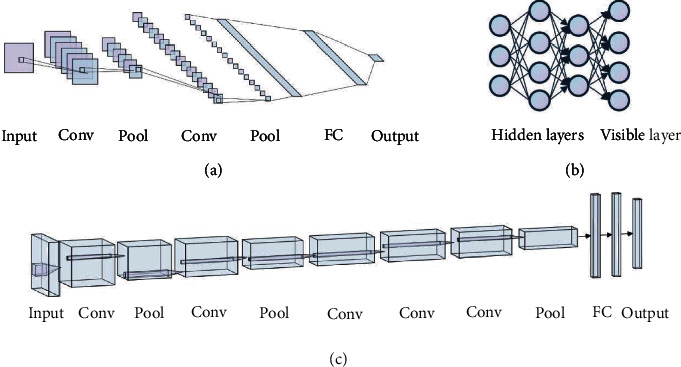 Figure 7
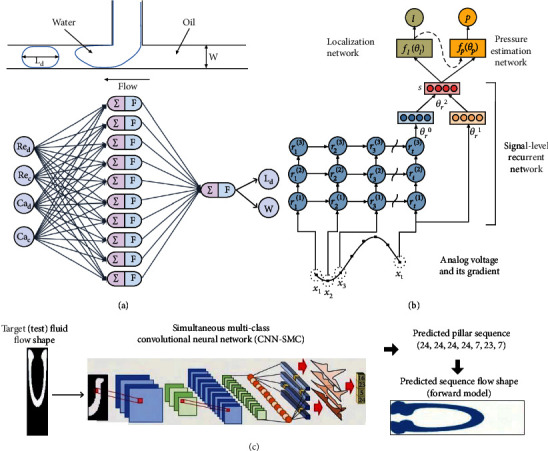 Figure 8
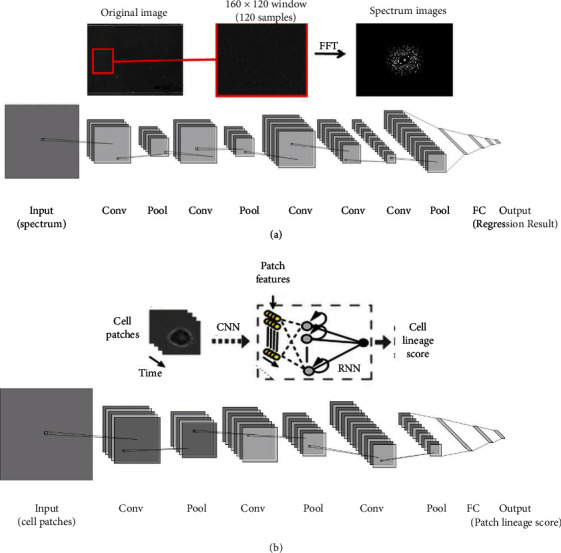 Figure 9
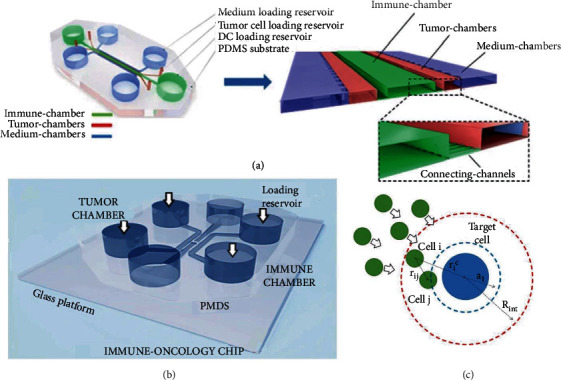 Figure 10
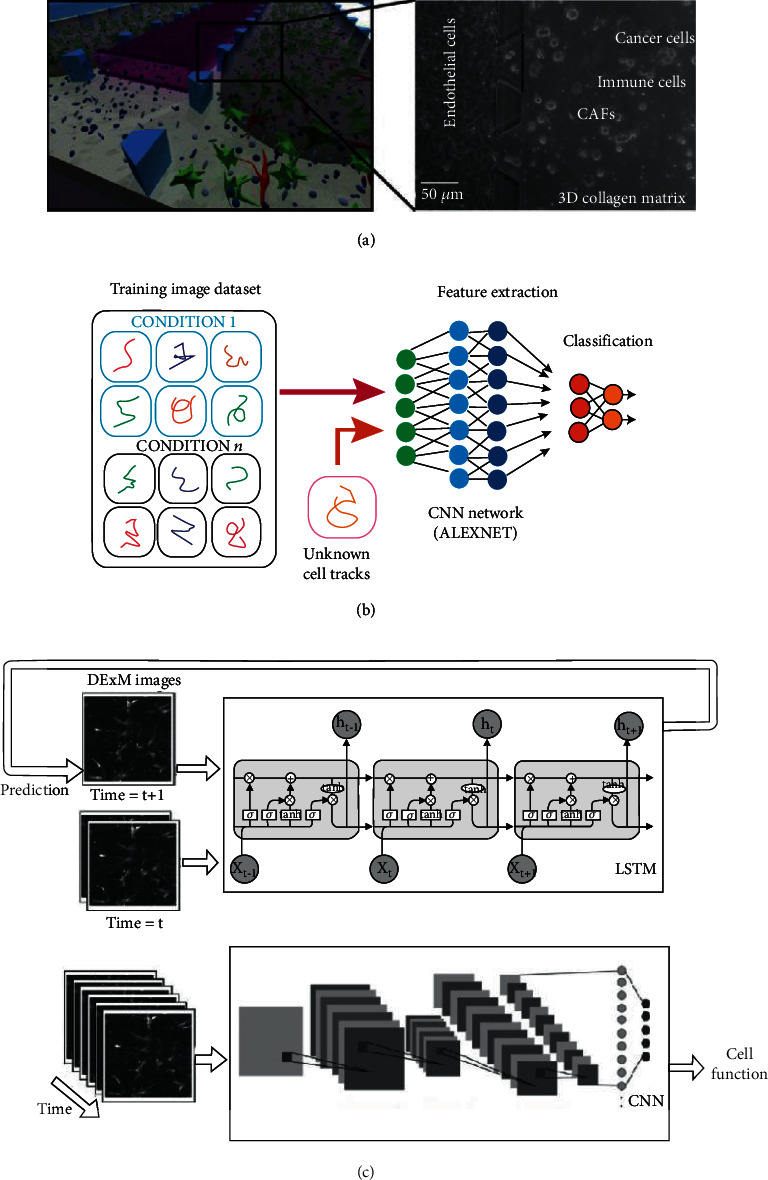 Figure 11
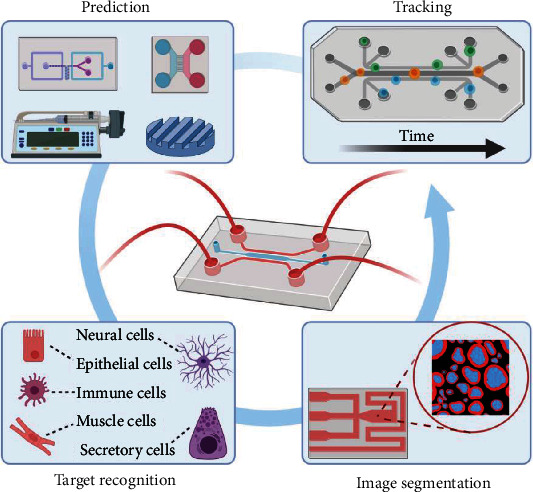 Figure 12
Peer Reviews
No public reviews on file for this paper yet. If you reviewed it on a platform where reviews are public (OpenReview, ICLR, NeurIPS, ICML), you can paste yours below so the community can read it here.
Videos
No videos yet. Explain this paper in a talk, walkthrough, or lecture? Add one.
Taxonomy
Topics3D Printing in Biomedical Research · Molecular Communication and Nanonetworks · Neuroscience and Neural Engineering