Mapping molecular subtype specific alterations in breast cancer brain metastases identifies clinically relevant vulnerabilities
Nicola Cosgrove, Damir Varešlija, Stephen Keelan, Ashuvinee Elangovan, Jennifer M. Atkinson, Sinéad Cocchiglia, Fiona T. Bane, Vikrant Singh, Simon Furney, Chunling Hu, Jodi M. Carter, Steven N. Hart, Siddhartha Yadav, Matthew P. Goetz, Arnold D. K. Hill, Steffi Oesterreich

TL;DR
This study explores how different breast cancer subtypes develop brain metastases and finds that a DNA repair defect called homologous recombination deficiency is a key weakness in some cases.
Contribution
The study identifies subtype-specific molecular alterations and validates homologous recombination deficiency as a therapeutic vulnerability in brain metastases.
Findings
Luminal brain metastases show homologous recombination deficiency with specific mutational signatures.
PARP inhibition was effective in patient-derived brain metastatic tumor explants with HRD.
Transcriptional programs and hub genes were identified that are specific to brain metastasis subtypes.
Abstract
The molecular events and transcriptional plasticity driving brain metastasis in clinically relevant breast tumor subtypes has not been determined. Here we comprehensively dissect genomic, transcriptomic and clinical data in patient-matched longitudinal tumor samples, and unravel distinct transcriptional programs enriched in brain metastasis. We report on subtype specific hub genes and functional processes, central to disease-affected networks in brain metastasis. Importantly, in luminal brain metastases we identify homologous recombination deficiency operative in transcriptomic and genomic data with recurrent breast mutational signatures A, F and K, associated with mismatch repair defects, TP53 mutations and homologous recombination deficiency (HRD) respectively. Utilizing PARP inhibition in patient-derived brain metastatic tumor explants we functionally validate HRD as a key…
Genes, proteins, chemicals, diseases, species, mutations and cell lines named across the full text — each resolved to its canonical identifier and authoritative record.
Click any figure to enlarge with its caption.
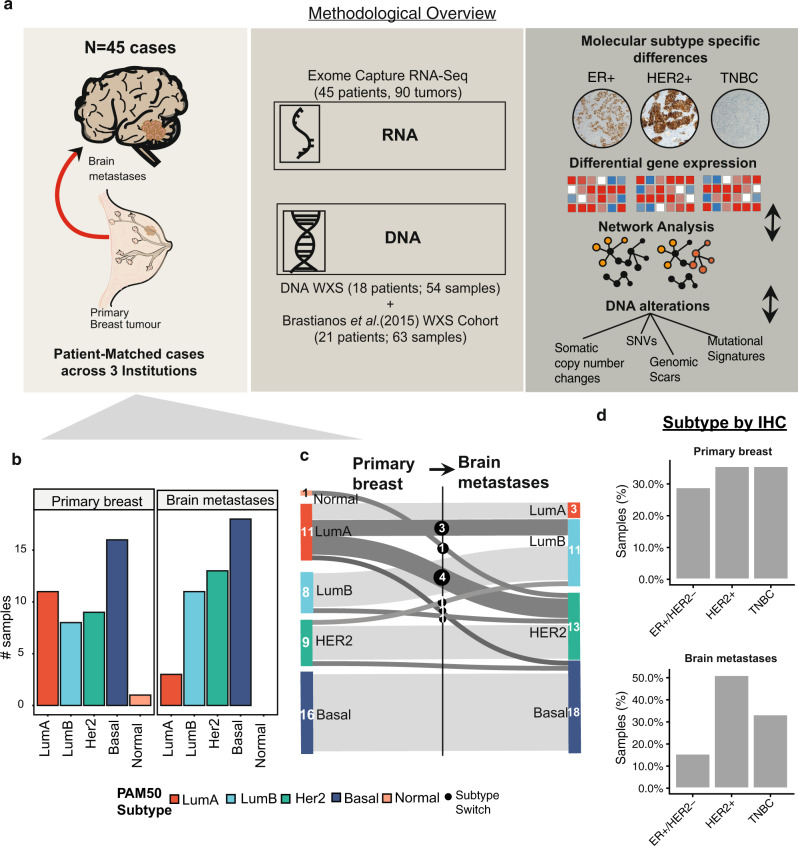 Figure 1
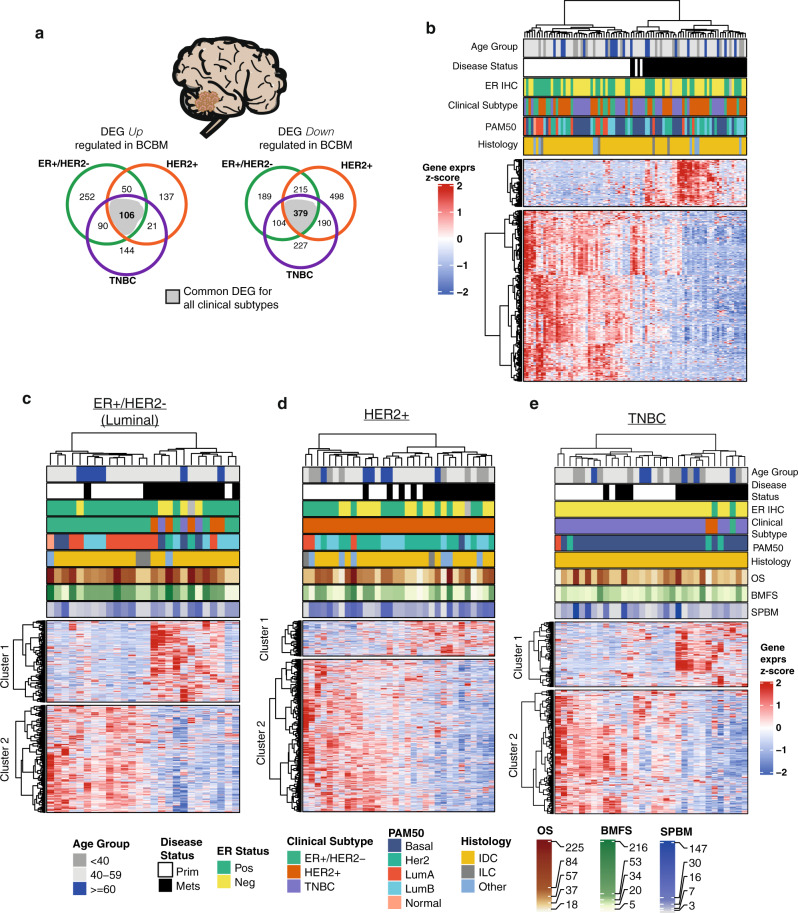 Figure 2
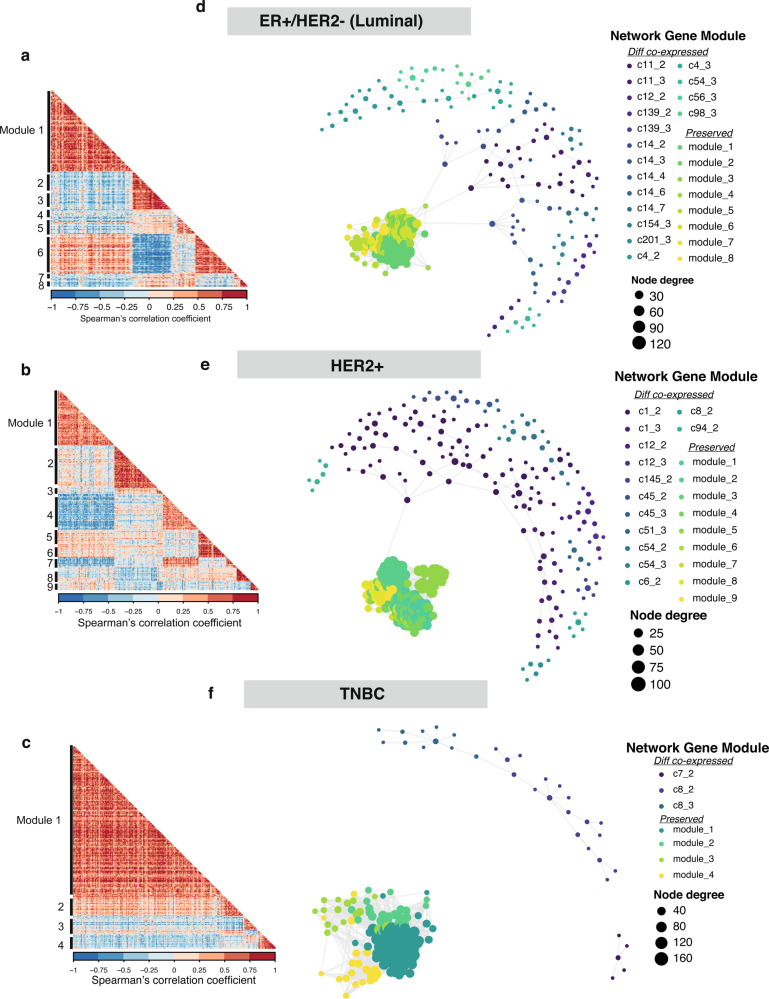 Figure 3
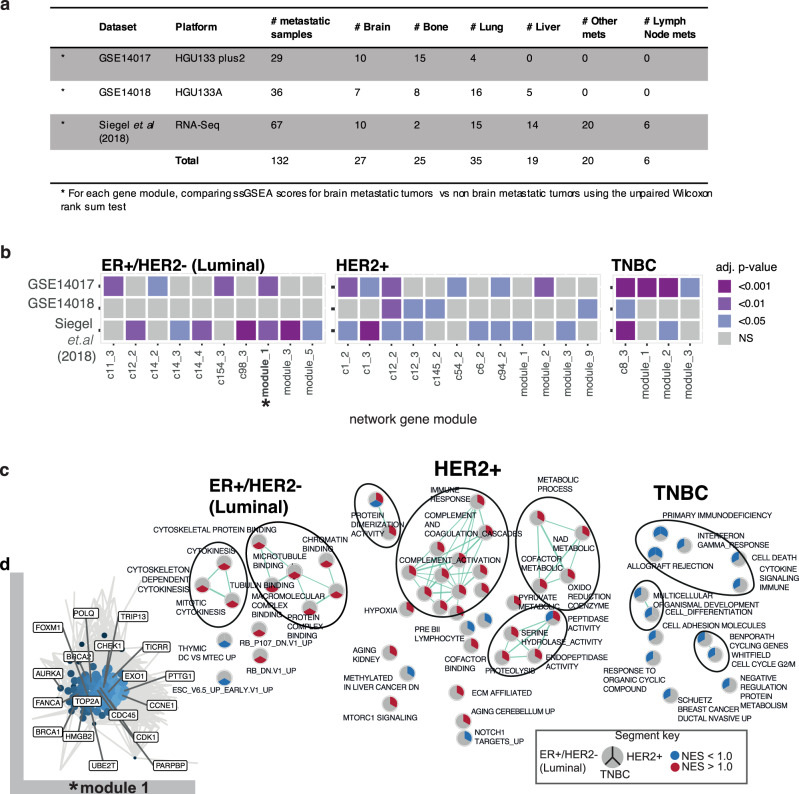 Figure 4
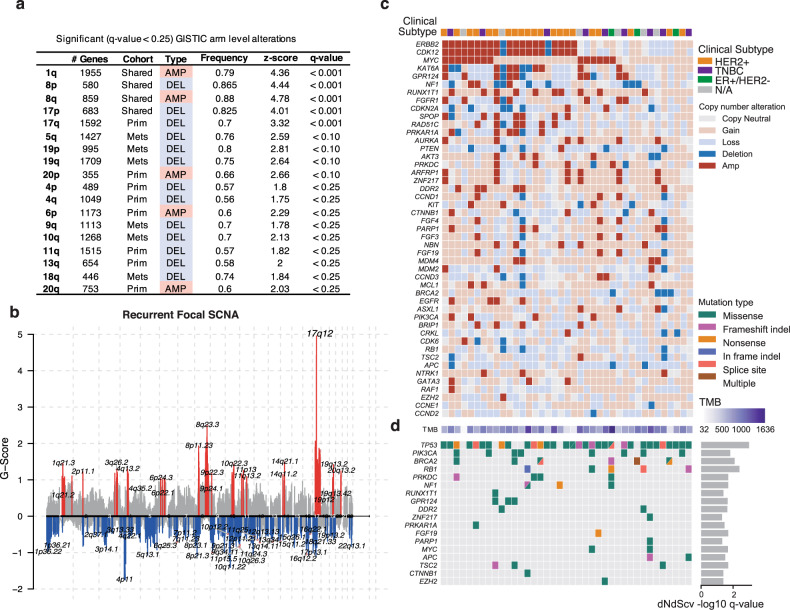 Figure 5
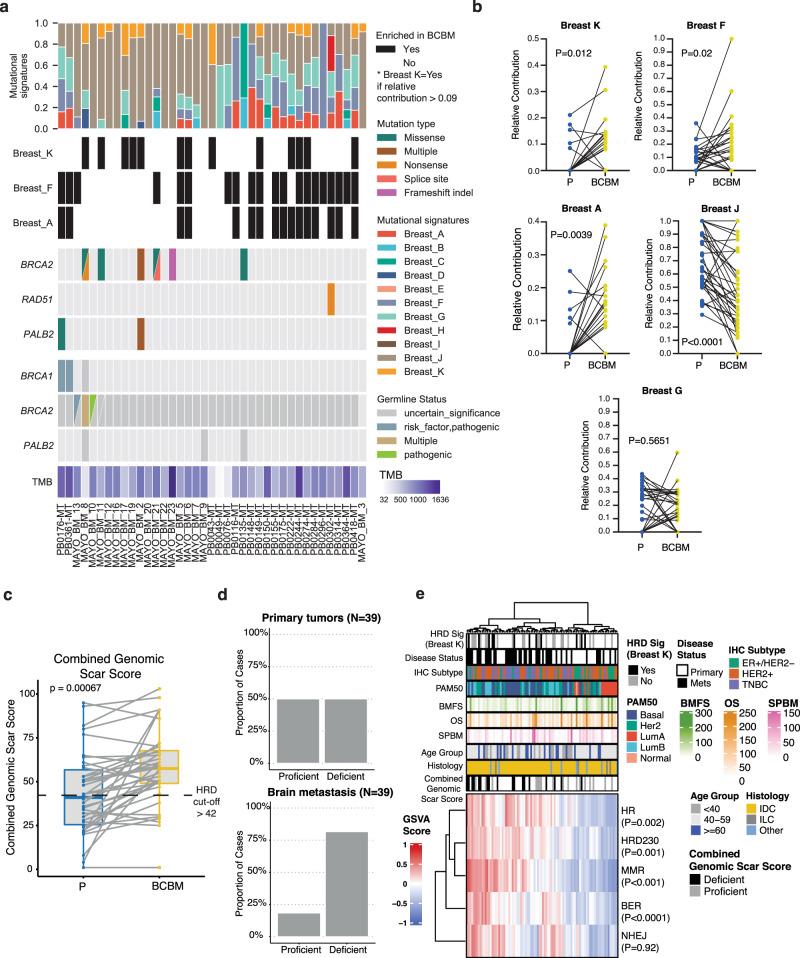 Figure 6
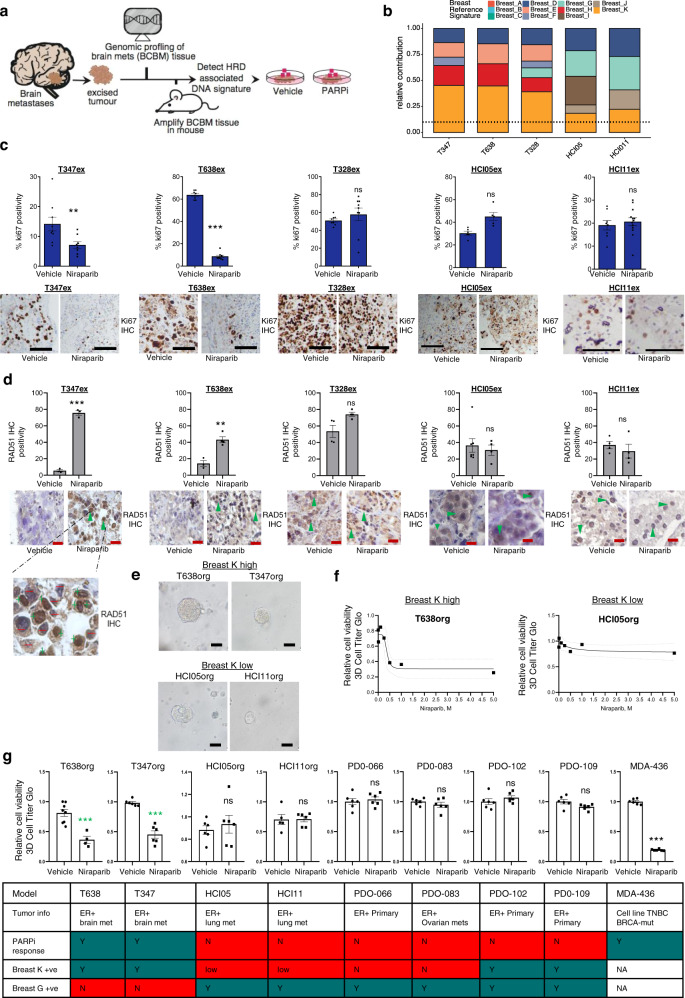 Figure 7
Peer Reviews
No public reviews on file for this paper yet. If you reviewed it on a platform where reviews are public (OpenReview, ICLR, NeurIPS, ICML), you can paste yours below so the community can read it here.
Videos
No videos yet. Explain this paper in a talk, walkthrough, or lecture? Add one.
Taxonomy
TopicsBrain Metastases and Treatment · PARP inhibition in cancer therapy · Lung Cancer Research Studies