Neocortex saves energy by reducing coding precision during food scarcity
Zahid Padamsey, Danai Katsanevaki, Nathalie Dupuy, Nathalie L. Rochefort

TL;DR
The brain saves energy during food scarcity by reducing the precision of visual information processing, which can be reversed with a hormone called leptin.
Contribution
The study reveals a novel energy-saving mechanism in the neocortex during food scarcity involving AMPAR conductance and leptin regulation.
Findings
Food restriction reduces AMPA receptor conductance, saving 29% of synaptic ATP use.
Leptin supplementation restores visual coding precision impaired by food scarcity.
Reduced coding precision leads to broader orientation tuning and impaired visual discrimination.
Abstract
Information processing is energetically expensive. In the mammalian brain, it is unclear how information coding and energy use are regulated during food scarcity. Using whole-cell recordings and two-photon imaging in layer 2/3 mouse visual cortex, we found that food restriction reduced AMPA receptor conductance, reducing synaptic ATP use by 29%. Neuronal excitability was nonetheless preserved by a compensatory increase in input resistance and a depolarized resting potential. Consequently, neurons spiked at similar rates as controls but spent less ATP on underlying excitatory currents. This energy-saving strategy had a cost because it amplified the variability of visually-evoked subthreshold responses, leading to a 32% broadening of orientation tuning and impaired fine visual discrimination. This reduction in coding precision was associated with reduced levels of the fat mass-regulated…
Genes, proteins, chemicals, diseases, species, mutations and cell lines named across the full text — each resolved to its canonical identifier and authoritative record.
Click any figure to enlarge with its caption.
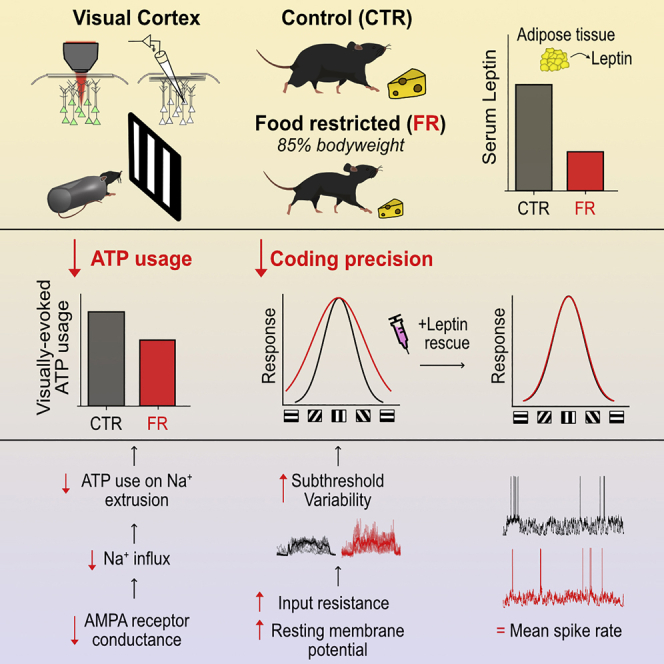 Figure 1
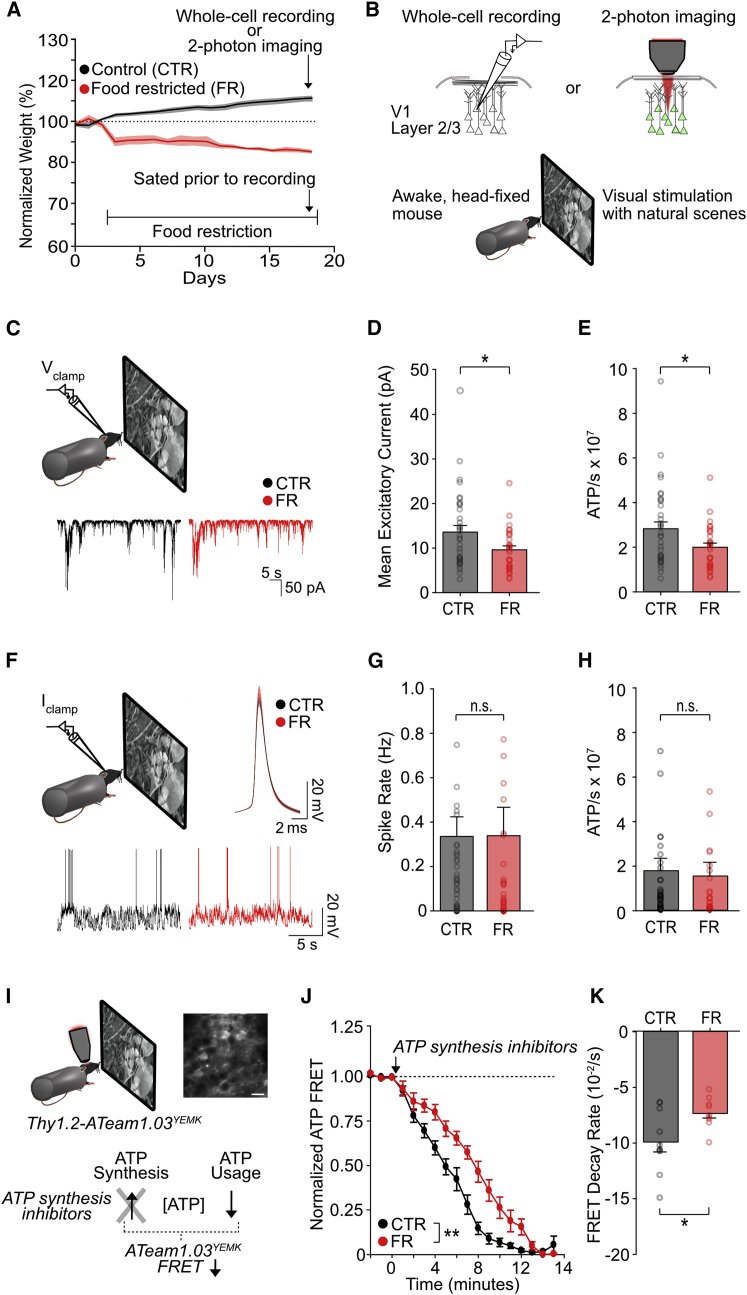 Figure 2
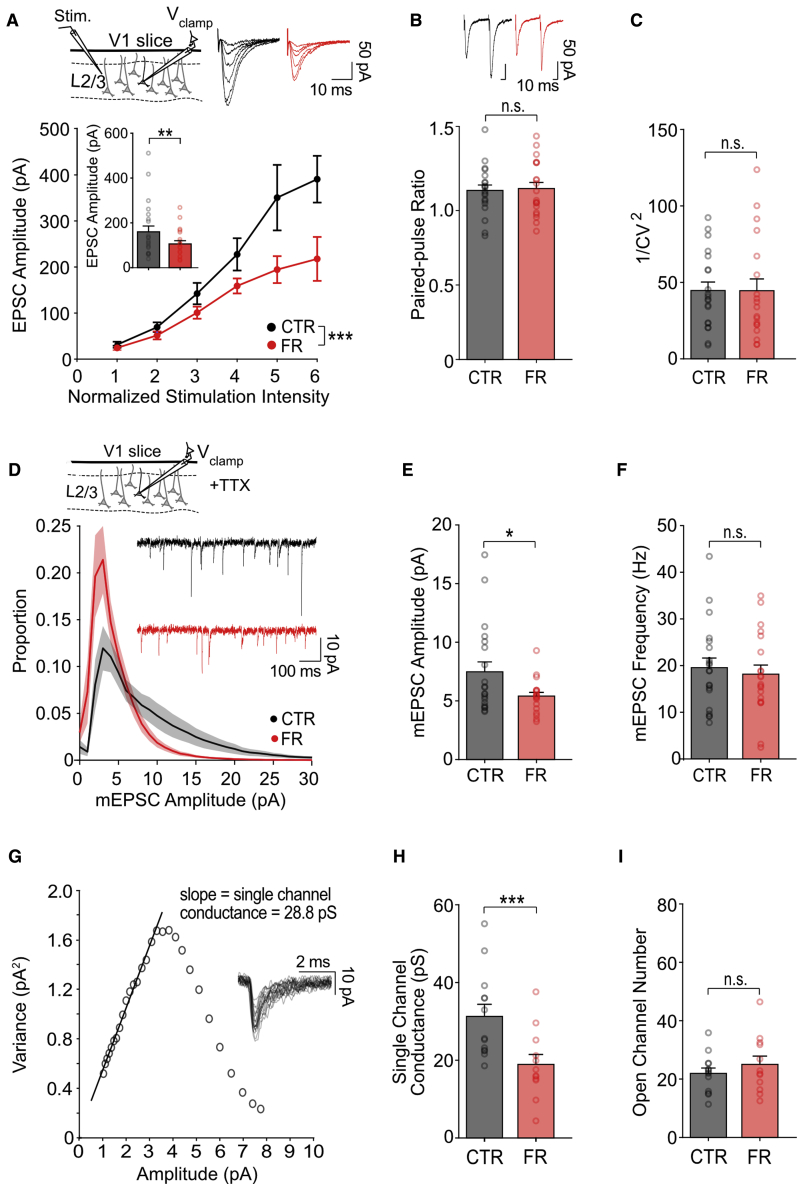 Figure 3
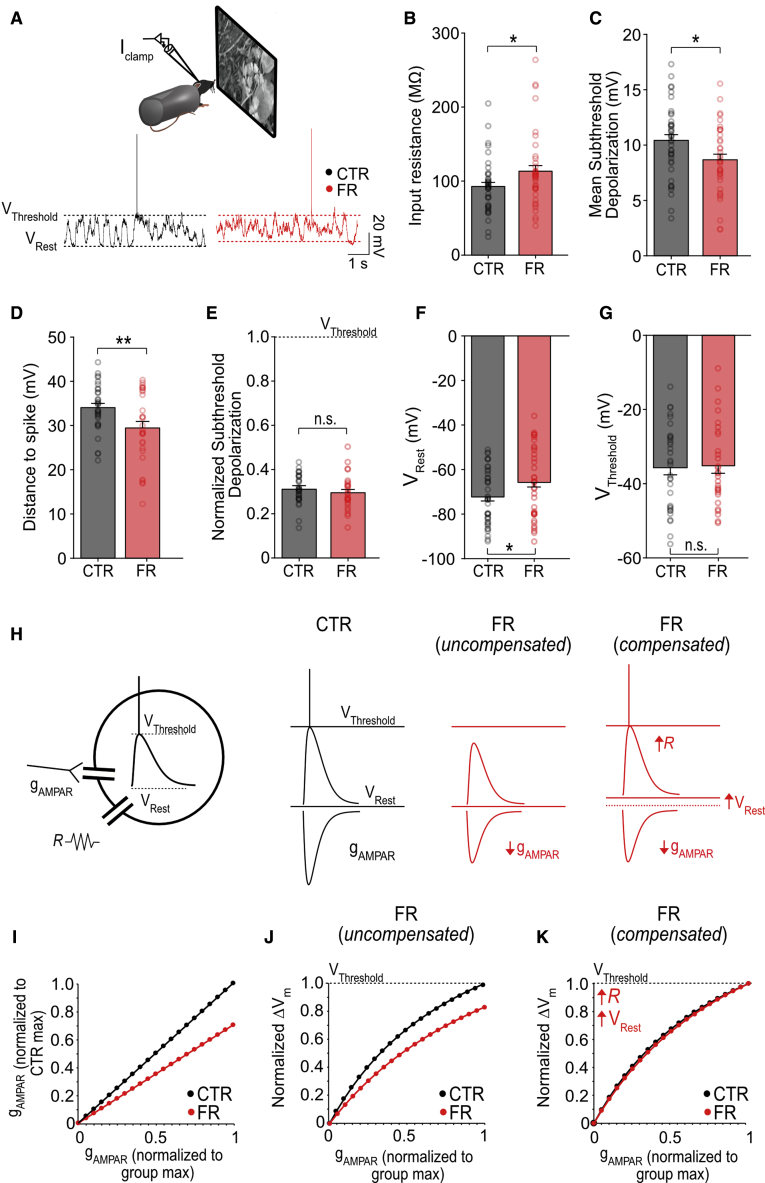 Figure 4
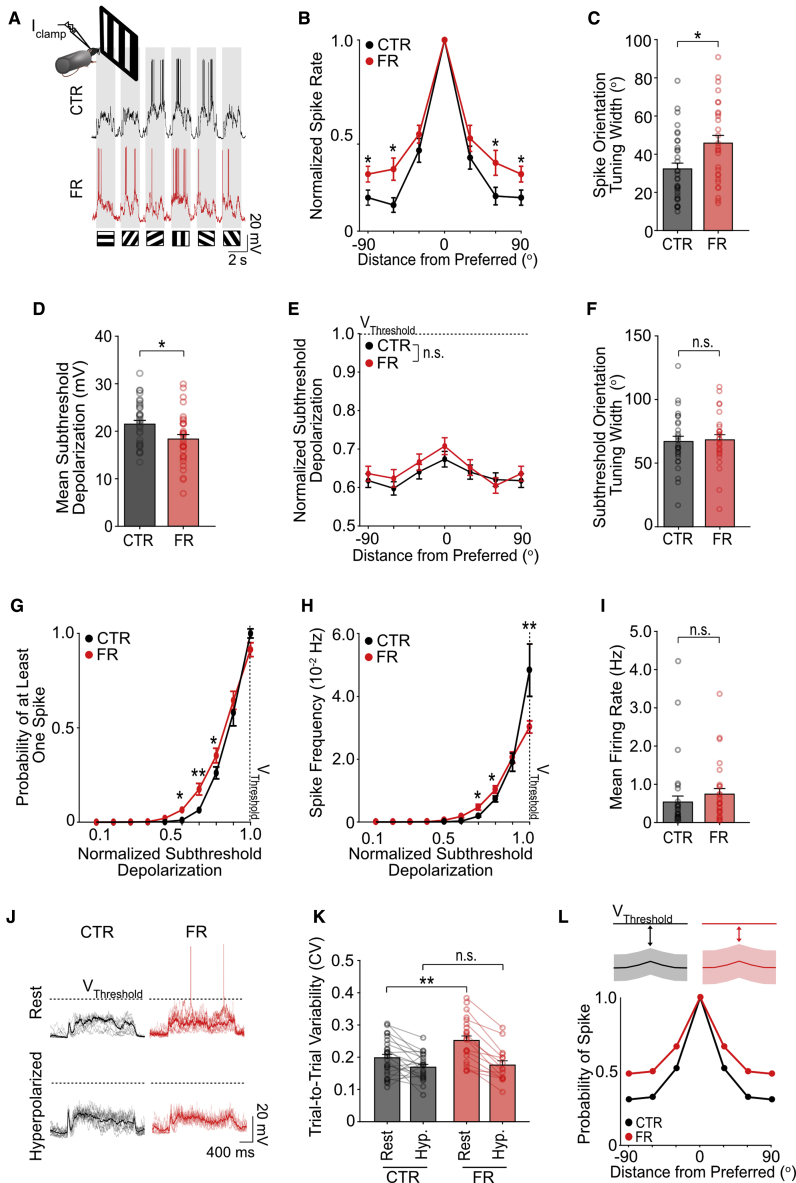 Figure 5
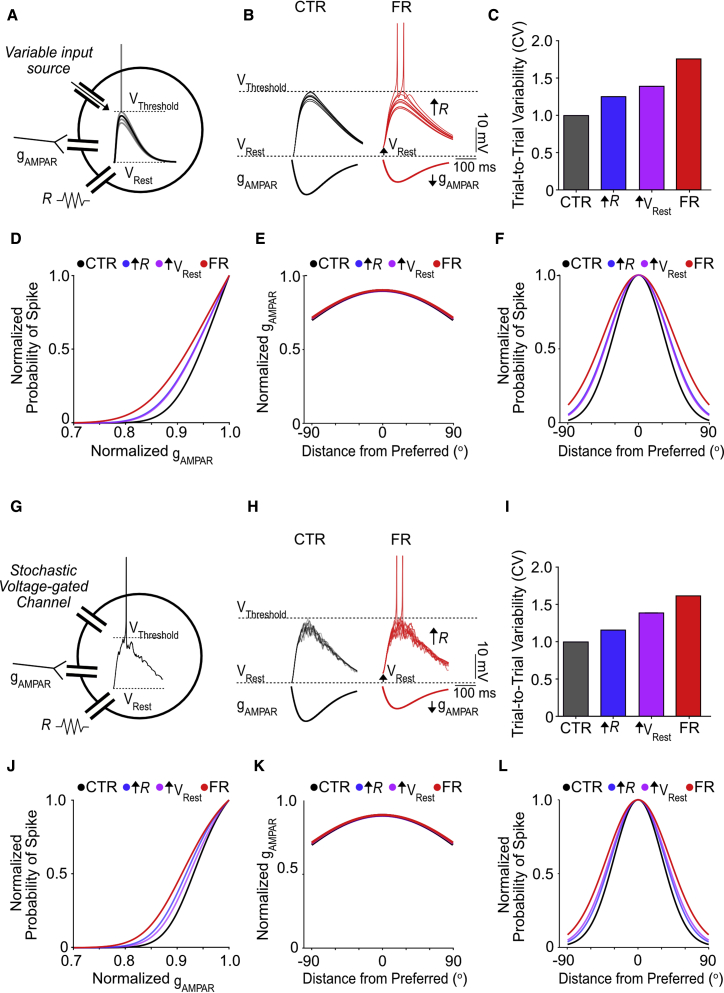 Figure 6
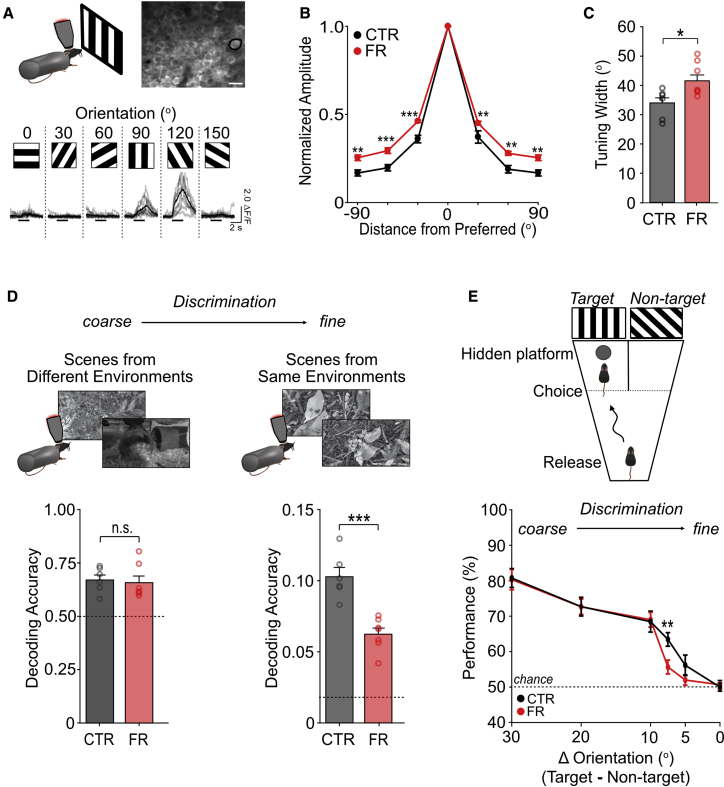 Figure 7
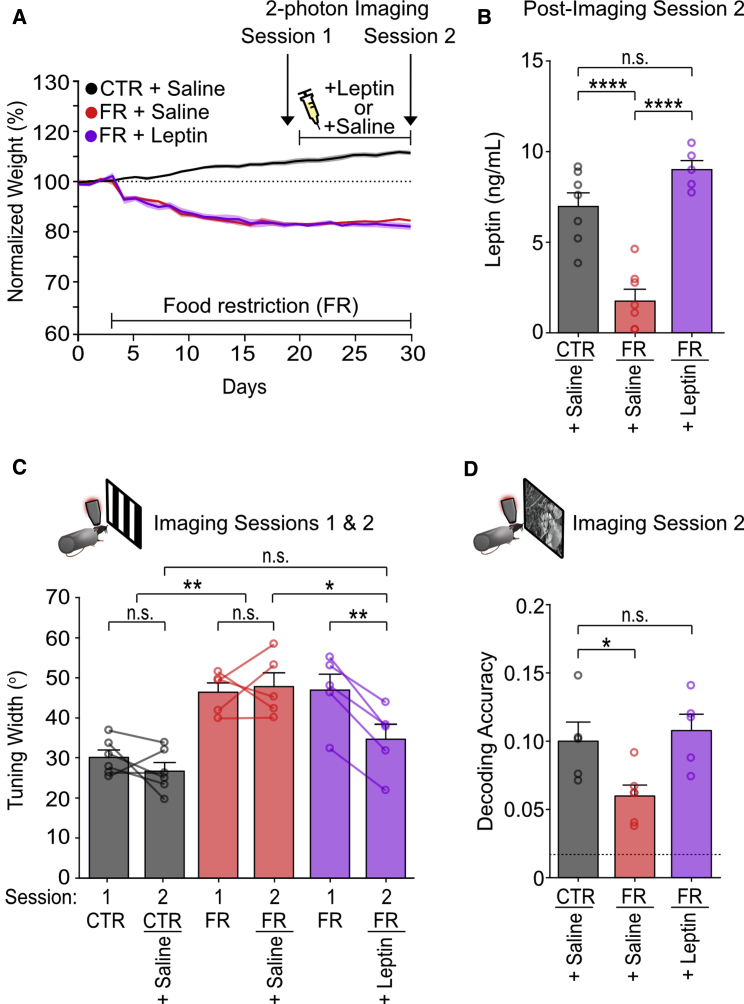 Figure 8
Peer Reviews
No public reviews on file for this paper yet. If you reviewed it on a platform where reviews are public (OpenReview, ICLR, NeurIPS, ICML), you can paste yours below so the community can read it here.
Videos
No videos yet. Explain this paper in a talk, walkthrough, or lecture? Add one.
Taxonomy
TopicsRegulation of Appetite and Obesity · Neural dynamics and brain function · Biochemical Analysis and Sensing Techniques