Aptamer-Based Lateral Flow Assays: Current Trends in Clinical Diagnostic Rapid Tests
Marjan Majdinasab, Mihaela Badea, Jean Louis Marty

TL;DR
This paper reviews how aptamers can replace antibodies in rapid diagnostic tests, offering advantages like stability and ease of use.
Contribution
The paper provides a comprehensive review of aptamer-based lateral flow assays for clinical diagnostics.
Findings
Aptamers offer better stability and lower cost compared to antibodies in lateral flow assays.
Aptamer-based assays have been developed for detecting biomarkers, microbes, hormones, and antibiotics.
The review discusses the performance and limitations of these assays in point-of-care diagnostics.
Abstract
The lateral flow assay (LFA) is an extensively used paper-based platform for the rapid and on-site detection of different analytes. The method is user-friendly with no need for sophisticated operation and only includes adding sample. Generally, antibodies are employed as the biorecognition elements in the LFA. However, antibodies possess several disadvantages including poor stability, high batch-to-batch variation, long development time, high price and need for ethical approval and cold chain. Because of these limitations, aptamers screened by an in vitro process can be a good alternative to antibodies as biorecognition molecules in the LFA. In recent years, aptamer-based LFAs have been investigated for the detection of different analytes in point-of-care diagnostics. In this review, we summarize the applications of aptamer technology in LFAs in clinical diagnostic rapid tests for the…
Genes, proteins, chemicals, diseases, species, mutations and cell lines named across the full text — each resolved to its canonical identifier and authoritative record.
Click any figure to enlarge with its caption.
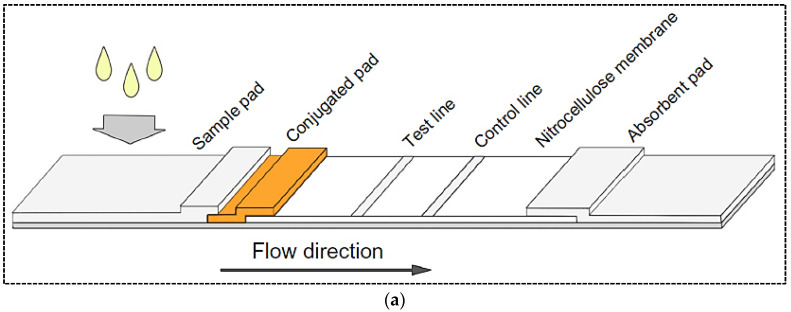 Figure 1
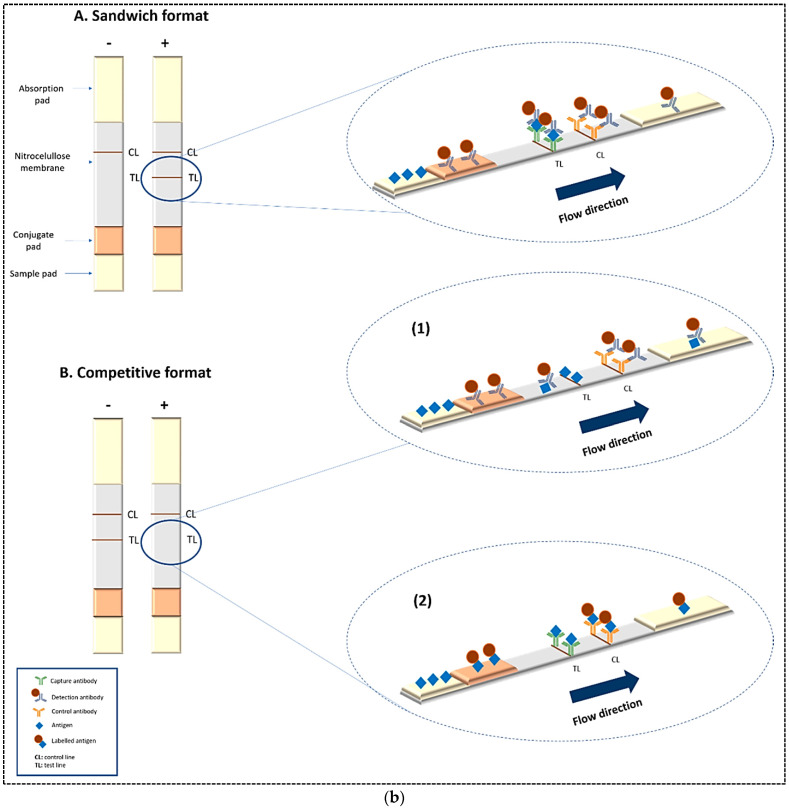 Figure 2
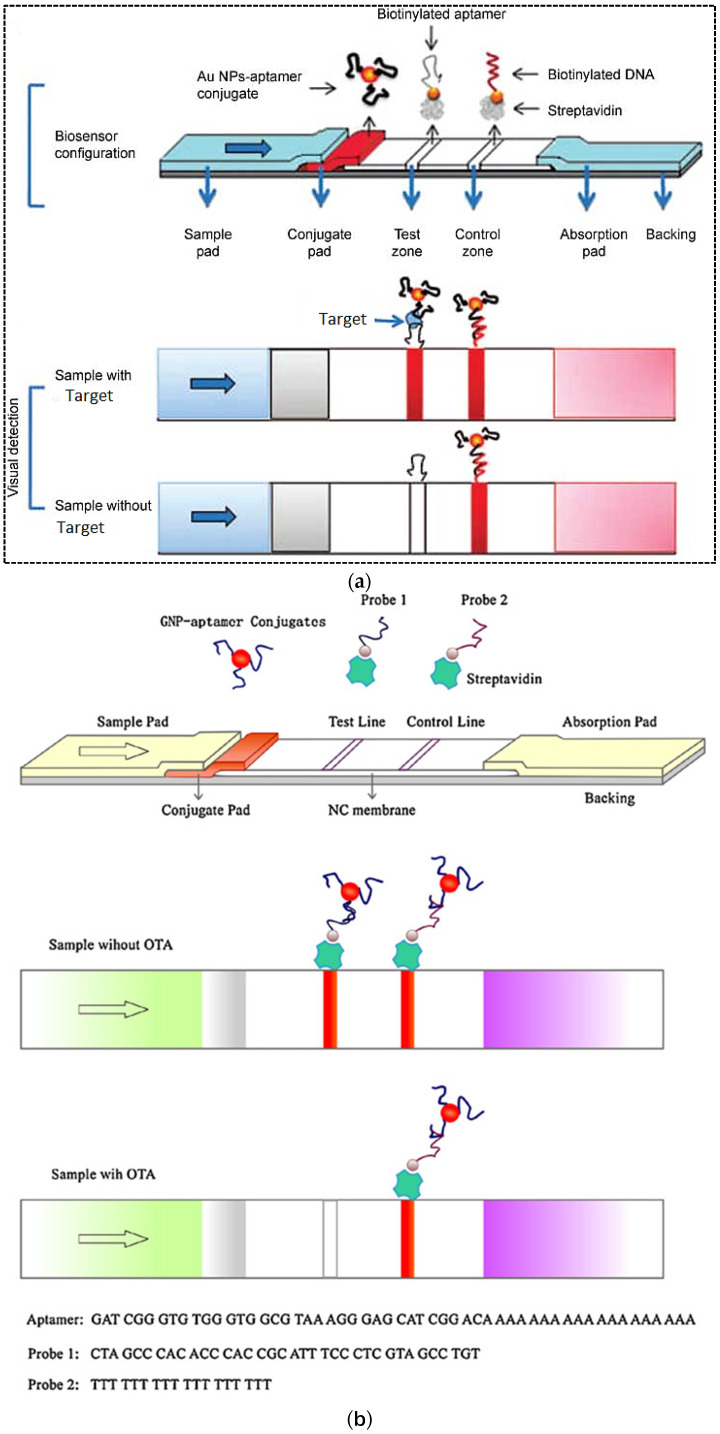 Figure 3
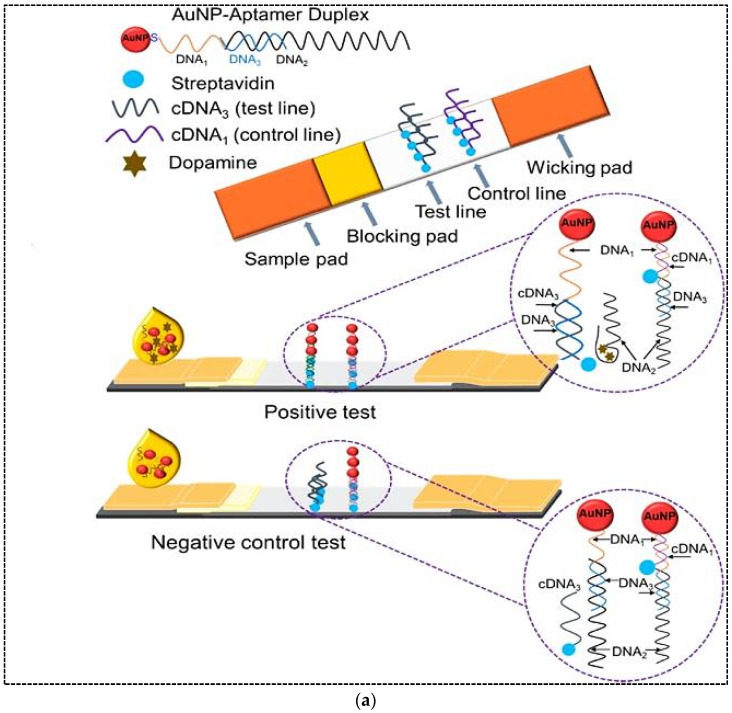 Figure 4
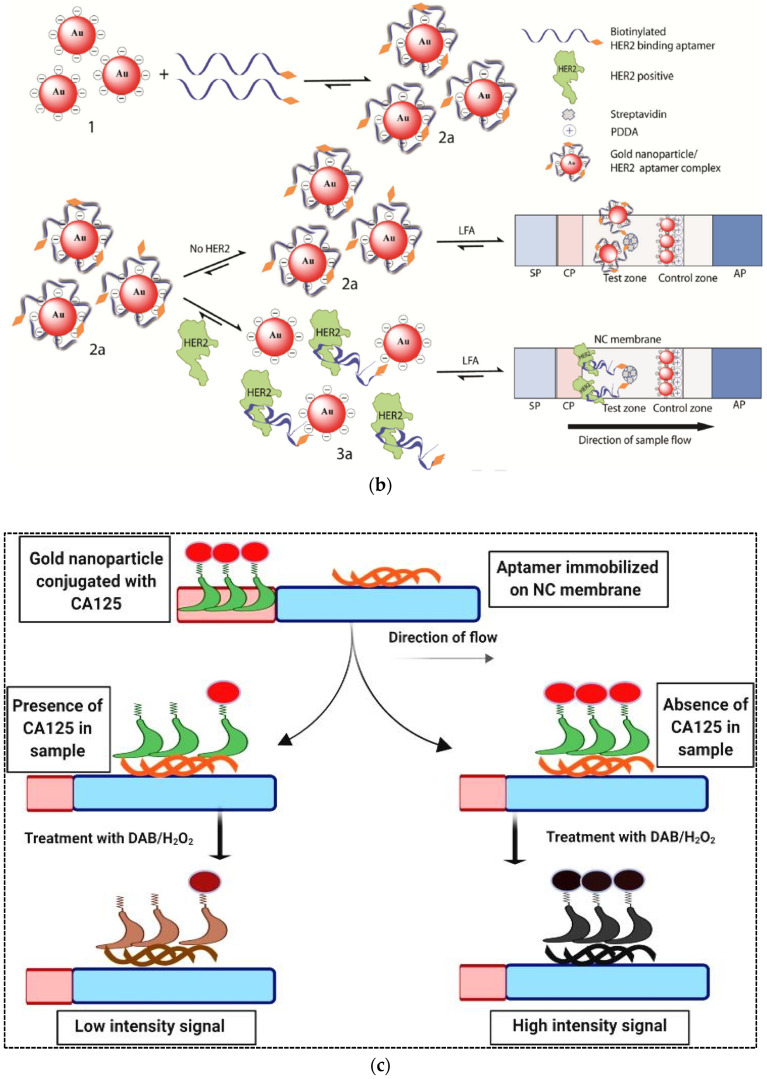 Figure 5
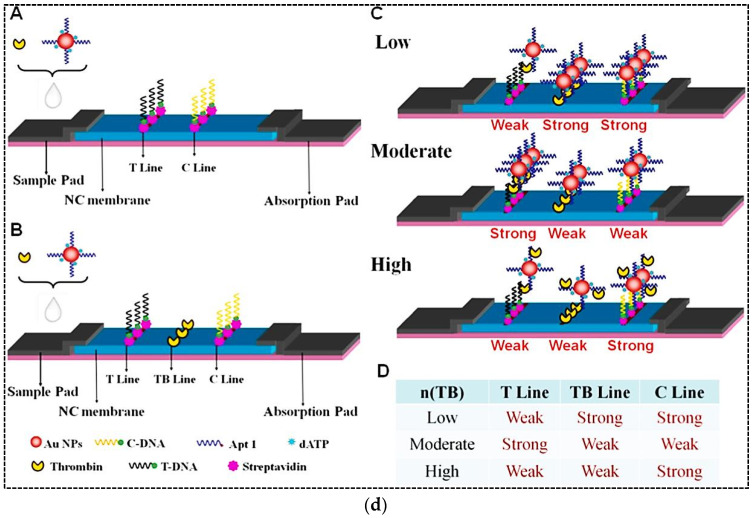 Figure 6
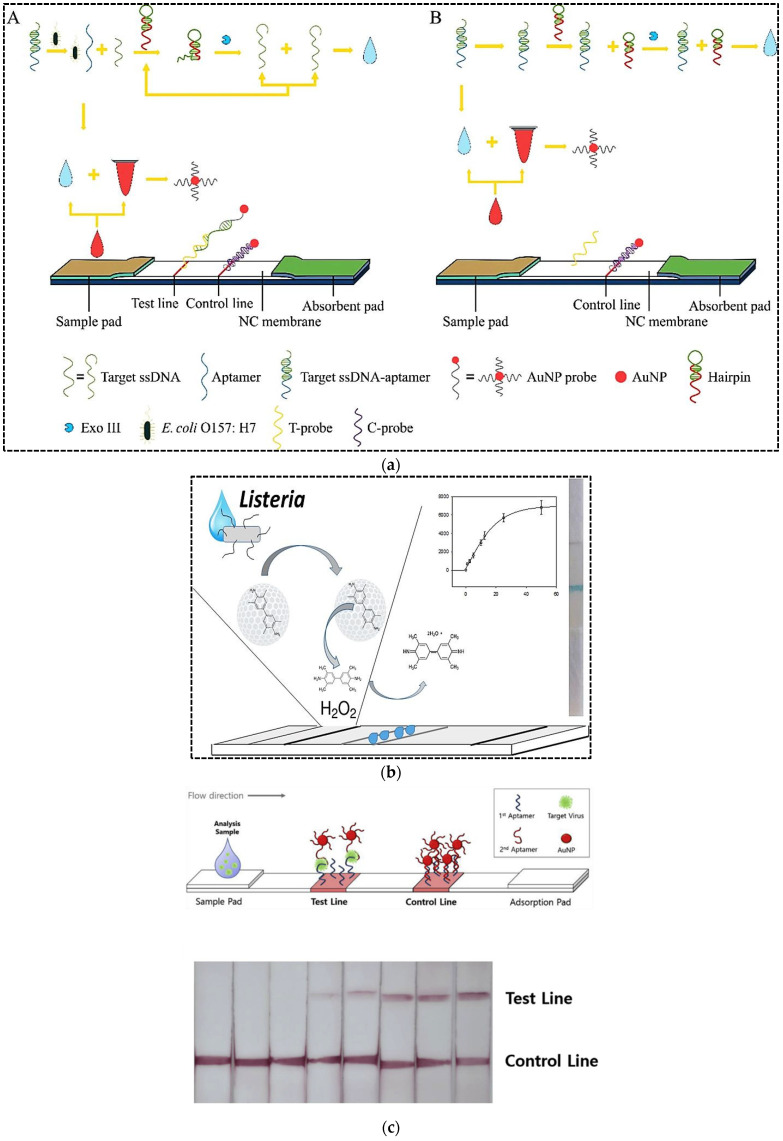 Figure 7
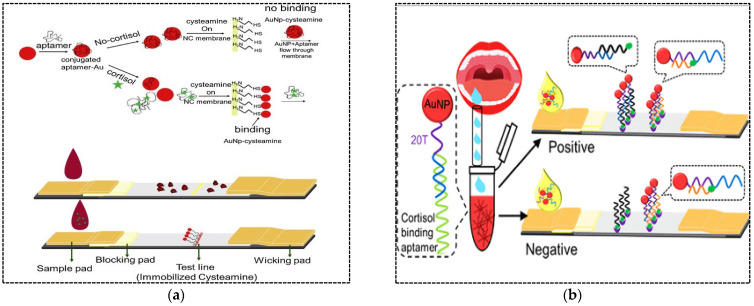 Figure 8
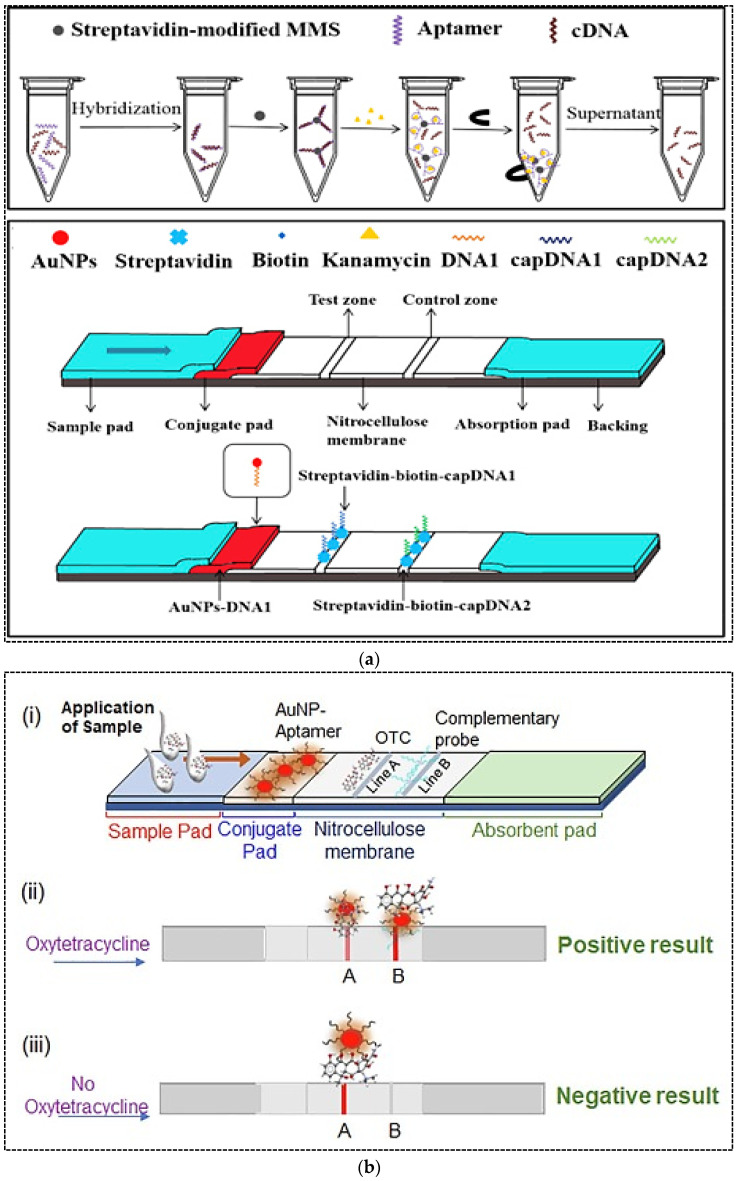 Figure 9
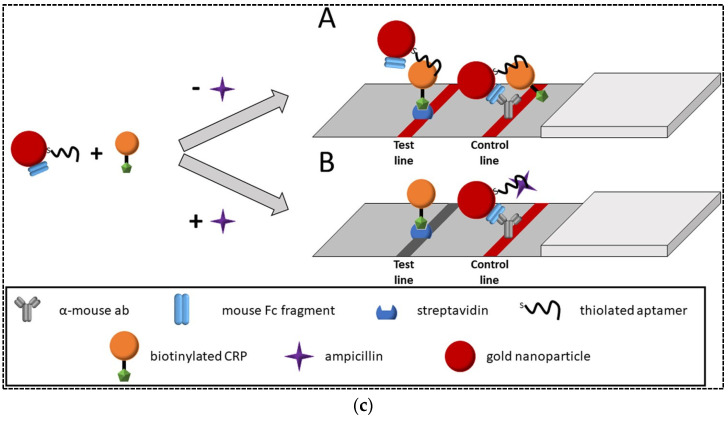 Figure 10
Peer Reviews
No public reviews on file for this paper yet. If you reviewed it on a platform where reviews are public (OpenReview, ICLR, NeurIPS, ICML), you can paste yours below so the community can read it here.
Videos
No videos yet. Explain this paper in a talk, walkthrough, or lecture? Add one.
Taxonomy
TopicsBiosensors and Analytical Detection · Advanced biosensing and bioanalysis techniques · Advanced Biosensing Techniques and Applications