Cognitive Behavioral Therapy for Migraine Headache: A Systematic Review and Meta-Analysis
Ji-yong Bae, Hyun-Kyung Sung, Na-Yoen Kwon, Ho-Yeon Go, Tae-jeong Kim, Seon-Mi Shin, Sangkwan Lee

TL;DR
This study reviews and analyzes the effectiveness of cognitive behavioral therapy in reducing migraine frequency and severity, finding it to be beneficial with few side effects.
Contribution
A meta-analysis of randomized controlled trials evaluating the efficacy and safety of cognitive behavioral therapy for migraine treatment.
Findings
CBT significantly reduced migraine frequency and MIDAS scores in the meta-analysis.
Headache intensity was significantly reduced in subgroup analysis.
Only a few adverse events were reported across the studies included.
Abstract
Background and Objectives: Migraine headaches are chronic neurological diseases that reduce the quality of life by causing severe headaches and autonomic nervous system dysfunction, such as facial flushing, nasal stuffiness, and sweating. Their major treatment methods include medication and cognitive behavioral therapy (CBT). CBT has been used for pain treatment and various psychogenic neurological diseases by reducing pain, disability, and emotional disorders caused by symptoms of mental illness and improving the understanding of mental health. This study aimed to evaluate the effectiveness and safety of CBT in treating migraines. Materials and Methods: Seven electronic databases were searched from the date of inception to December 2020. Randomized controlled studies (RCTs) using CBT as an intervention for migraine were included. The primary outcome of this study was to determine the…
Genes, proteins, chemicals, diseases, species, mutations and cell lines named across the full text — each resolved to its canonical identifier and authoritative record.
Click any figure to enlarge with its caption.
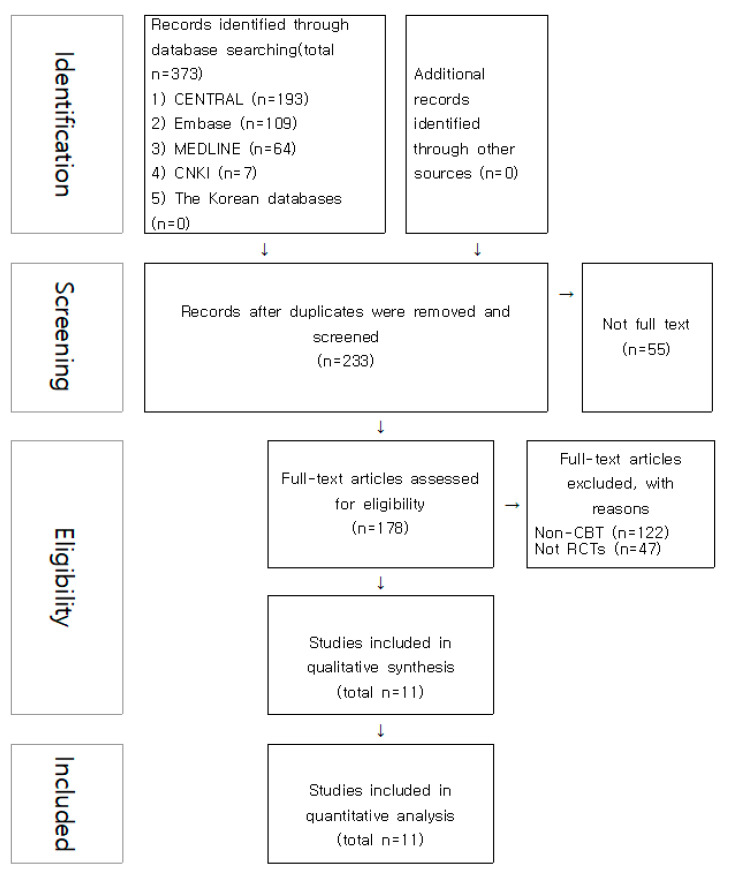 Figure 1
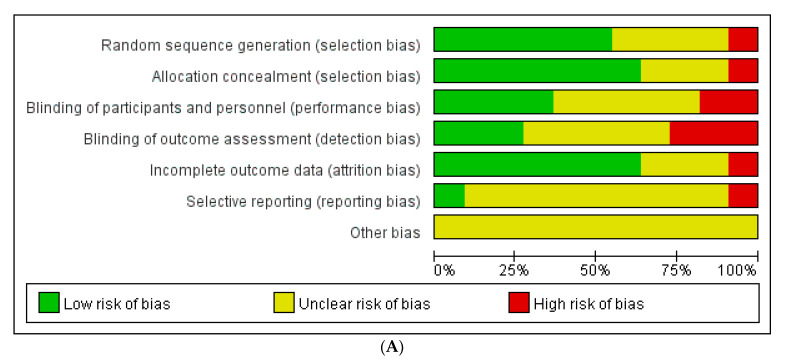 Figure 2
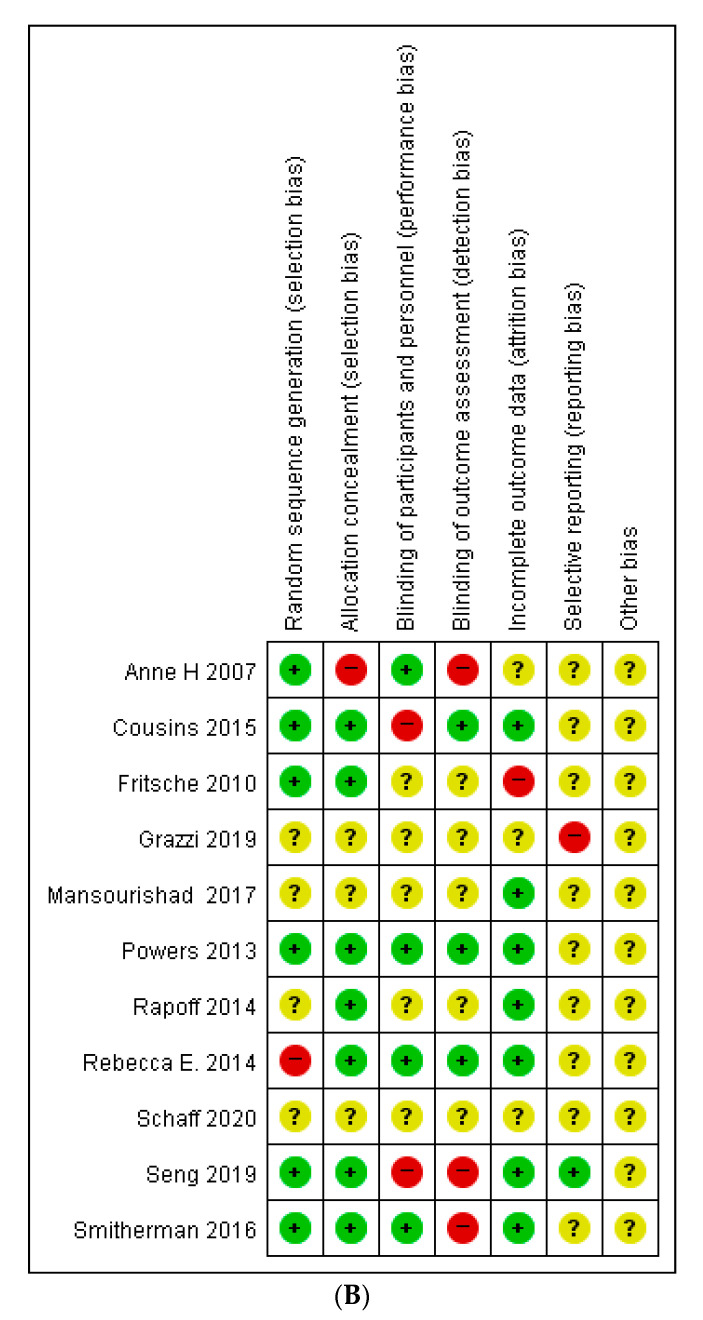 Figure 3
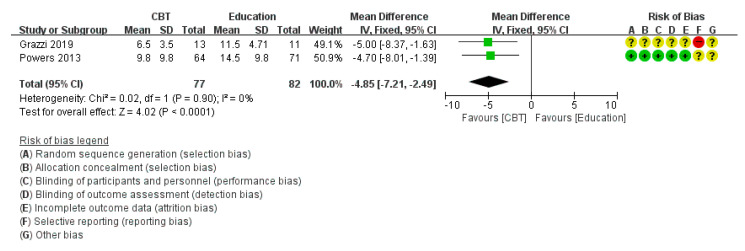 Figure 4
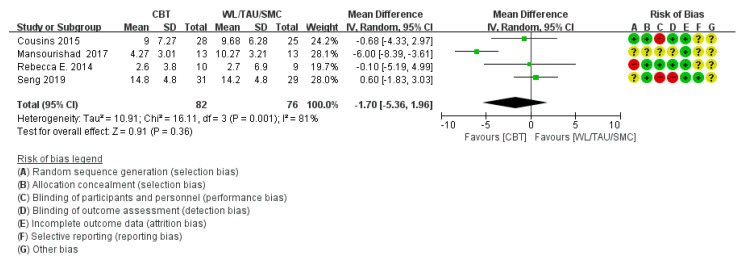 Figure 5
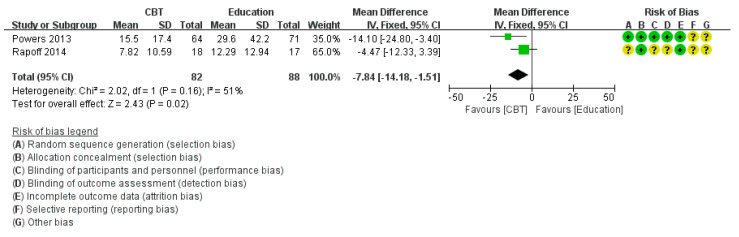 Figure 6
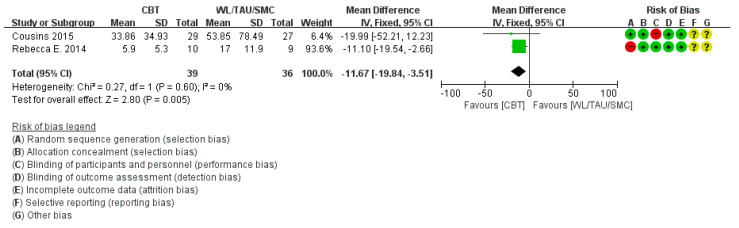 Figure 7
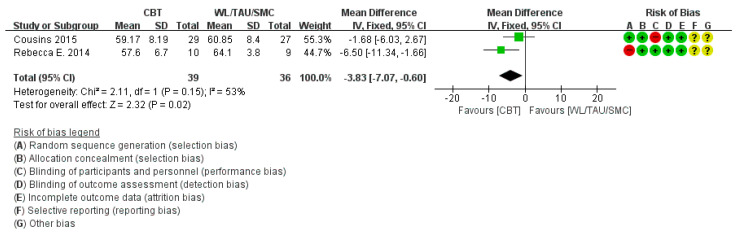 Figure 8
Peer Reviews
No public reviews on file for this paper yet. If you reviewed it on a platform where reviews are public (OpenReview, ICLR, NeurIPS, ICML), you can paste yours below so the community can read it here.
Videos
No videos yet. Explain this paper in a talk, walkthrough, or lecture? Add one.
Taxonomy
TopicsMigraine and Headache Studies · Dental Anxiety and Anesthesia Techniques · Psychosomatic Disorders and Their Treatments
1. Introduction
Migraine is a disease characterized by severe headache accompanied by symptoms, such as nausea, photophobia, phonophobia, and vomiting [1]. The prevalence of migraine is estimated to be 15–18% [2], and it is two to three times higher in women than in men [3,4]. Migraine is a chronic neurological disorder and autonomic nervous system dysfunction that affects patients’ quality of life [5,6]. The preferred treatment for migraine is medication administration. Acute medications include paracetamol, non-steroidal anti-inflammatory drugs (NSAIDs), and triptans [7]. Routine use of opioids and barbiturates is not preferred because of their poor safety and tolerability [8,9,10].
Overuse of painkillers can lead to a variety of side effects and medication overuse headache; therefore, attention should be paid to drug abuse during migraine symptoms [11,12]. Non-drug therapy is known to have fewer side effects and can be used simultaneously with medications [12,13].
Physicians who treat migraines are increasingly interested in complementary treatments [14,15]. Medications, such as antidepressants, hypertension treatments, and flunarizine, were common treatment for migraines. However, acupuncture and biobehavial therapy are also used to prevent migraine headaches for patients with little response to existing drug treatment or pregnant women, or patients with psychological disorders. [7,16]. Nutritional supplements, such as riboflavin, pyridoxine, folate, cobalamin, and vitamin D, have recently been widely used as preventive treatments for migraine [17,18,19].
Cognitive behavioral therapy (CBT) is a treatment that uses cognitive factors to improve mental disorders and psychological distress [20]. The latest practice guidelines emphasize CBT as a selective psychotherapy for problems ranging from depression, anxiety, and personality disorders to chronic pain, addiction, and relationship pain [21]. Previous studies have demonstrated the effectiveness of behavioral therapy for migraine headaches, including CBT, relaxation, and biological feedback, to reduce the frequency of migraine attacks and migraine-related disorders [22,23,24].
Although CBT has been used as a treatment for migraine headaches, there is only one systematic review on pediatric migraine [25], and no systematic review has been conducted on all ages. In this study, the author stated that there is evidence that CBT is viable in the treatment of childhood migraine, and therefore should be provided as a first-line treatment, not only as an add-on if medications are not effective. This study aimed to summarize the results of randomized controlled trials (RCTs) to evaluate the clinical efficacy and safety of CBT on migraine patients of all age. Through this study, we aimed to analyze the availability and effectiveness of CBT in migraine treatment and to help it be used in clinical situations.
2. Materials and Methods
2.1. Search Strategy and Selection Criteria
Two independent authors (J.-y.B. and N.-Y.K.) searched for randomized controlled trials (RCTs) to evaluate the efficacy of CBT for migraine until October 2020. MEDLINE-PubMed, Embase, and Cochrane Central Register of Controlled Trials (English databases); China National Knowledge Infrastructure (http://www.cnki.net, accessed on 15 October 2021) (Chinese database); and Research Information Service System (http://www.riss.kr, accessed on 15 October 2021), Oriental Medicine Advanced Searching Integrated System (http://oasis.kiom.re.kr, accessed on 15 October 2021), Korean Studies Information Service System (http://kiss.kstudy.com, accessed on 15 October 2021), National Digital Science Library (http://www.ndsl.kr, accessed on 15 October 2021), and DBPIA (http://www.dbpia.co.kr, accessed on 15 October 2021) (Korean databases) databases were searched. “Migraine” and “Cognitive behavioral therapy” were used as search terms, and searching conditions were modified to each database. The details of the search strategies are provided in Appendix A.
This review was registered on PROSPERO (registration number CRD42020223201) and the systematic review was written in accordance with the Preferred Reporting Items for Systematic reviews and Meta-Analyses (PRISMA) 2020 statement [26].
2.2. Eligibility Criteria
Only RCTs and quasi-RCTs were included in this review. Eligible participants both had episodic and chronic migraines, regardless of age, sex, and presence of aura. Studies in which the International Classification of Headache Disorders (ICHD) criteria (I, II, and III) and Headache International Society (IHS) criteria were used as diagnostic criteria for migraine were included in this review. The primary outcome was frequency of migraine (per month), intensity of migraine indicated on the visual analogue scale, frequency of taking medication (per month), MIDAS index, and HIT-6 index.
2.3. Outcome Assessment and Data Extraction
Two authors (N.-Y.K. and H.-K.S.) assessed the included studies. A detailed analysis was performed by two authors (J.-y.B. and N.-Y.K.) using an extraction form that included country, study design, age, sex, number of participants, inclusion criteria, exclusion criteria, duration, outcome index, effect size, and adverse effects (Table 1). Outcome measures were assessed at baseline, after treatment, and follow-up. Primary outcome measures were headache days assessed by headache diary (mostly defined as a day containing 2 or more hours of headache); headache duration and pain intensity; Migraine Disability Assessment (MIDAS) [27], assessing migraine-related disability, with a higher score reflecting more severe disability; and Headache Impact Test (HIT-6) [28], assessing the impact of headache, score range is 36–78, with a higher score reflecting higher impact and number of days using rescue medication. Various methods of CBT were used in the included studies, and each method is listed in Table 2. If there were any missing or unclear results, we contacted the authors of the included studies.
2.4. Assessment of Risk of Bias
The Cochrane risk of bias (ROB) assessment tool was used for quality assessment of the included study [38]. Each bias was classified into three categories: high risk, low risk, and unclear risk and was evaluated by two authors (HKS and TJK).
Seven domains were assessed: sequence generation, allocation concealment, blinding of participants and research personnel, blinding of outcome assessment, incomplete outcome data, selective outcome reporting, and other biases.
2.5. Data Synthesis
As a measure of migraine improvement, the weighted mean difference (MD) and standard deviation (SD) of the primary outcomes were calculated for meta-analysis using Review Manager (RevMan) ([Computer program]. Version 5.4. The Cochrane Collaboration, 2020) using 95% confidence intervals (CI), respectively. We assessed effect estimates with MD and standard deviation SD for continuous outcomes. Heterogeneity was assessed by I2 statistics. If I2 was >75%, the random effect model was adopted for meta-analysis; otherwise, the fixed effect model was used.
2.6. Heterogeneity and Subgroup Analysis
Subgroup analysis was divided according to the control group’s method. Heterogeneity was assessed using the I^2^ statistic. When heterogeneity was higher than 70%, we also performed subgroup analysis to explain the source of heterogeneity using Review Manager.
3. Results
3.1. The Results of Literature Search and Screening
A total of 373 studies were identified from the electronic databases, and among these, 233 studies were screened after removing 140 duplicate studies. In the screening, 55 articles without full text were removed, and 178 articles were assessed for eligibility. Excluding 47 articles that were not RCTs and 122 articles that were non-CBT, 11 articles were finally included (Figure 1).
3.2. Description of the Included Studies
Seven RCTs [12,24,29,32,34,36,37] were conducted in the USA, and four RCTs [30,31,33,35] were conducted in the UK, Italy, Germany, and Iran, respectively. All included studies were written in English. The total number of patients with migraine analyzed in the review was 621 (intervention: 317, control: 304). A summary of the included studies is presented in Table 1.
There were two types of control groups: one control group received conventional therapy called no treatment/treatment as usual (TAU), and the other group was the sham control group, who underwent lifestyle modification and received placebo behavioral therapy. According to the Western criteria, four trials [30,33,36,37] utilized the IHS criteria but did not mention the version, five [12,29,32,34,35] used the ICHD-II criteria, and two [24,31] used the ICHD-III criteria. CBT methods as interventions were different in detail and are shown in Table 2 and Table 3.
3.3. Risk of Bias in the Included Studies
As shown in Figure 2, seven studies reported randomization methods, and there was no statement of randomization method in four studies [30,31,34,37]. Five studies [24,29,32,33,35] used computerized randomization, one study [36] used a random number table, and one study [12] conducted randomization based on the inpatient day of participants. There were three single-blind studies [32,33,36], two double-blind studies [12,29], one without blinding [24], and five without mentioning blinding [30,31,34,35,37]. There were no incomplete data in the three studies [29,31,34], and there were missing data in eight studies. Three studies [30,36,37] showed insufficient information on dropout data, four studies [12,24,32,33] used intention-to-treat analysis (ITT) for missing data, and one study [35] used analysis-per-protocol and not ITT analysis for missing data. There were insufficient data to judge selective reporting without two studies. One study [24] with the original protocol and one study [30] that was thought to have selectively reported on an outcome of their study.
3.4. Primary Outcome
3.4.1. Headache Frequency
Six RCTs [24,29,30,31,33,35] reported the mean and standard deviation of the headache frequency, excluding five studies (three studies [32,36,37] that did not mention the mean and standard deviation, one study [12] that reported the median value only, and one study [34] that reported the percentage of migraine days only, instead of mean and SD). In meta-analysis, heterogeneity was high (χ^2^ = 28.18, p = 0.0003, I^2^ = 82%) so we used subgroup analysis according to the type of control group. The days of headache per month decreased significantly in sub-group analysis with the education group (p < 0.0001) (Figure 3). However, there was no statistically significant difference in headache frequency in the sub-group analysis with the WL/TAU/SMC group (p = 0.36) and heterogeneity remained high (χ^2^ = 16.11, p = 0.001, I^2^ = 81%) (Figure 4).
3.4.2. Migraine Disability Assessment Score
Five studies [12,24,29,33,34] reported the MIDAS score, excluding six studies that did not mention it. Sub-group analysis was conducted because of clinical heterogeneity. In sub-group analysis compared with the education group, Ped MIDAS score decreased significantly (p = 0.02) and showed moderate heterogeneity and showed moderate heterogeneity and showed moderate heterogeneity (χ^2^ = 2.02, p = 0.16, I2 = 51%) (Figure 5). In sub-group analysis compared with the WL/TAU/SMC group, MIDAS score also showed a statistically significant decrease (p = 0.005) with low heterogeneity (χ^2^ = 0.27, p = 0.60, I^2^ = 0%) (Figure 6).
3.4.3. Headache Impact Test Score
Three out of 11 studies [12,32,33] reported the HIT-6 score. In subgroup analysis compared with the WL/TAU/SMC group, HIT-6 score showed significant change (p = 0.02) and moderate heterogeneity was observed (χ^2^ = 2.11, p = 0.15, I^2^ = 53%) (Figure 7).
3.5. Adverse Events
Two studies [24,29] reported adverse effects. Powers reported 199 adverse events (90 in the CBT plus amitriptyline group vs. 109 in the headache education plus amitriptyline group), including status migrainosus or worsening of migraine, respiratory adverse events (e.g., influenza, pneumonia), and other expected adverse effects of amitriptyline (fatigue, drowsiness, and dizziness). Seng reported two adverse events in the MBCT-M group: vivid recollection of a traumatic event while practicing mindfulness and severe increase in headache frequency and pain intensity.
4. Discussion
Migraine headache is a chronic neurological disease that varies in its frequency and severity, and [29] is a prevalent condition that can severely affect personal, social, and work life during attacks [30,31]. Although the standard treatment for migraine headaches is currently taking medication, a psychiatric approach with a high level of psychological co-prosperity has also recently drawn attention [28,31]. Individuals with migraine are increasingly approaching complementary and integrative health strategies [14,15]. Because patients have an increased preference for CBT treatment for a variety of reasons, several behavioral treatments for migraine prevention have been used, especially during pregnancy or when pharmacological choices for patients are limited, such as low efficacy or lack of durability in pharmacotherapy, or in combination with pharmacological treatments [16].
CBT refers to cognitive processes related to the development and maintenance of psychopathology, particularly emotional pain and dysfunction, which are primarily conducted during sessions, requiring therapists to coordinate interventions to best help patients [34]. CBT therapy enables patients to develop preventive and acute care strategies, such as trigger identification, modification of maladaptive interrelated thoughts, feelings and behaviors surrounding headache, and physiological autoregulation strategies. Behavioral therapies for migraine headaches, including cognitive behavioral therapy, relaxation, and biofeedback, have demonstrated efficacy in reducing migraine attack frequency and migraine-related disorders [22,23,35,36].
Several previous studies have shown that CBT reduces disability and chronic pain in patients [39,40]. Our study showed that CBT had a significant effect on reducing headache frequency and MIDAS scores, which is consistent with the results of previous studies. Therefore, although many studies with more samples are needed in the future, it is believed that CBT can be considered for its use as a complementary therapy for migraine treatment.
In subgroup analysis of headache frequency, CBT was effective in reducing migraine incidence date compared to education alone, but there was no significant difference in headache frequency compared to the WL/TAU/SMC group. In the analysis of the fixed effect model, the p value was 0.004, but the heterogeneity was high at 81%, so it was analyzed using a random effect model for a more conservative analysis.
MIDAS score in subgroup analysis showed significant change compared to both the education (p = 0.02) and WL/TAU/SMC group (p = 0.005). Additionally, in subgroup analysis with WL/TAU/SMC, HIT-6 score showed significant change (p = 0.02). Although the number of studies included in this analysis is small, CBT has been found to have a significant effect on alleviating disability in migraine patients and has shown that it can also be an option as a treatment to reduce disability caused by migraine headaches.
Meta-analysis and subgroup analysis about headache intensity and the number of days using rescue medication were impossible due to the high heterogeneity caused by differences in the control group, and due to the lack of the number of studies
The strength of our study is that it is the first systematic review using meta-analysis of CBT for migraine. Meta-analysis is difficult to use when heterogeneity is significantly high or insufficient data are available. If heterogeneity was high, we conducted a meta-analysis and evaluated it by performing a subgroup analysis to evaluate the efficacy of CBT for migraine. Second, our study screened the results of not only an English-based database but also various database searches, such as Korean and Chinese databases, to reduce publication bias. Finally, for studies with only the F value, we contacted the author to obtain the mean (SD) value. Five out of the two authors replied to our request and sent us the raw data [12,24].
This study has some limitations. Clinical heterogeneity was hypothesized to be high because there was a difference between patients and interventions in each study. There are many types of migraine, such as acute/chronic, episodic, and migraine with or without aura. The study was conducted comprising patients with migraine of various types and intensities. Due to the diversity of participants in each study, there was heterogeneity in the study demographics. In most cases, the sex ratio of the participants was tilted toward women without two studies (one study [30] did not mention it, and one study [37] was male dominant). There were also studies [34,37] that only included children and adolescents. The reason for this participant configuration is that migraine is most prevalent during the most potentially productive and childbearing periods [29,30]. CBT treatment methods were relatively different from study to study, and the limitations of CBT treatment methods were that they should be implemented in part by experts skilled in each method [12,24]. However, some methods have been implemented through methods, such as CD-ROM [34]; thus, we can expect effective individual treatment to be performed through various video media and internet lectures. Most studies [32,33,34,35,37] combined conventional therapies, such as ibuprofen, acetaminophen, NSAIDs, triptans, and muscle relaxants. Participants in some studies [12,29,30,31,32,34] received pharmacological prophylaxis for migraine (topiramate, nortriptyline, propranolol, or amytriptiline according to the physician’s choice based on the patient profile, such as previous failures and contraindications). Hence, it is difficult to conclude whether the symptoms improved only by the effect of CBT. Finally, there were no RCTs on CBT for migraine, which were searched from the Korean and Chinese databases. We hypothesized that taking Western medicine, acupuncture, and herbal medicine has already been standardized in China and Korea to treat migraine; thus, no RCTs using CBT have been conducted. Since CBT is receiving attention as an alternative to migraine treatment, various RCTs should be conducted to evaluate the effectiveness of CBT on migraines combined with existing standard treatments.
5. Conclusions
Our study found that CBT can improve headache frequency and MIDAS scores in patients with migraine, with few adverse events. In subgroup analysis, headache intensity in the CBT group had a statistically significant effect on migraine. Further RCTs with CBT for migraine headaches are needed for a more accurate analysis.
The reference list from the paper itself. Each links out to its DOI / PubMed record.
- 1Olesen J. Headache Classification Committee of the International Headache Society (IHS) The International Classification of Headache Disorders third ed Cephalalgia 201838121110.1177/033310241773820229368949 · doi ↗ · pubmed ↗
- 2Vos T. Allen C. Arora M. Barber R.M. Bhutta Z.A. Brown A. Carter A. Casey D.C. Charlson F.J. Chen A.Z. Global, regional, and national incidence, prevalence, and years lived with disability for 310 diseases and injuries, 1990–2015: A systematic analysis for the Global Burden of Disease Study 2015 Lancet 20163881545160210.1016/S 0140-6736(16)31678-627733282 PMC 5055577 · doi ↗ · pubmed ↗
- 3Lipton R.B. Hutchinson S. Ailani J. Reed M.L. Fanning K.M. Adams A.M. Buse D.C. Discontinuation of Acute Prescription Medication for Migraine: Results from the Chronic Migraine Epidemiology and Outcomes (Ca MEO) Study Headache 2019591762177210.1111/head.1364231544244 PMC 6899725 · doi ↗ · pubmed ↗
- 4Van Den Brink M. Antoinette Mac Gregor E.A. Gender and Migraine Springer International Cham, Switzerland 2019115
- 5Silberstein S.D. Preventive migraine treatment Contin. Lifelong Learn. Neurol.20152197398910.1212/CON.000000000000019926252585 PMC 4640499 · doi ↗ · pubmed ↗
- 6Goadsby P.J. Lipton R.B. Ferrari M.D. Migraine—Current understanding and treatment N. Engl. J. Med.200234625727010.1056/NEJ Mra 01091711807151 · doi ↗ · pubmed ↗
- 7Ashina M. Buse D.C. Ashina H. Pozo-Rosich P. Peres M.F.P. Lee M.J. Terwindt G.M. Singh R.H. Tassorelli C. Do T.P. Migraine: Integrated approaches to clinical management and emerging treatments Lancet 20213971505151810.1016/S 0140-6736(20)32342-433773612 · doi ↗ · pubmed ↗
- 8Marmura M.J. Silberstein S.D. Schwedt T.J. The acute treatment of migraine in adults: The American Headache Society evidence assessment of migraine pharmacotherapies Headache 20155532010.1111/head.1249925600718 · doi ↗ · pubmed ↗