Fine cubic Cu2O nanocrystals as highly selective catalyst for propylene epoxidation with molecular oxygen
Wei Xiong, Xiang-Kui Gu, Zhenhua Zhang, Peng Chai, Yijing Zang, Zongyou Yu, Dan Li, Hui Zhang, Zhi Liu, Weixin Huang

TL;DR
Researchers found that cubic Cu2O nanocrystals can efficiently and selectively convert propylene and oxygen into propylene oxide at moderate temperatures.
Contribution
The study introduces cubic Cu2O nanocrystals as a novel, highly selective catalyst for propylene epoxidation with molecular oxygen.
Findings
Cu2O nanocrystals achieve over 80% propylene oxide selectivity at 90–110 °C.
Weakly-adsorbed O2 species at {110} edges enable low-barrier reactions at low temperatures.
High temperatures reduce selectivity due to surface lattice oxygen species and side reactions.
Abstract
Propylene epoxidation with O2 to propylene oxide is a very valuable reaction but remains as a long-standing challenge due to unavailable efficient catalysts with high selectivity. Herein, we successfully explore 27 nm-sized cubic Cu2O nanocrystals enclosed with {100} faces and {110} edges as a highly selective catalyst for propylene epoxidation with O2, which acquires propylene oxide selectivity of more than 80% at 90–110 °C. Propylene epoxidation with weakly-adsorbed O2 species at the {110} edge sites exhibits a low barrier and is the dominant reaction occurring at low reaction temperatures, leading to the high propylene oxide selectivity. Such a weakly-adsorbed O2 species is not stable at high reaction temperatures, and the surface lattice oxygen species becomes the active oxygen species to participate in propylene epoxidation to propylene oxide and propylene partial oxidation to…
Genes, proteins, chemicals, diseases, species, mutations and cell lines named across the full text — each resolved to its canonical identifier and authoritative record.
Click any figure to enlarge with its caption.
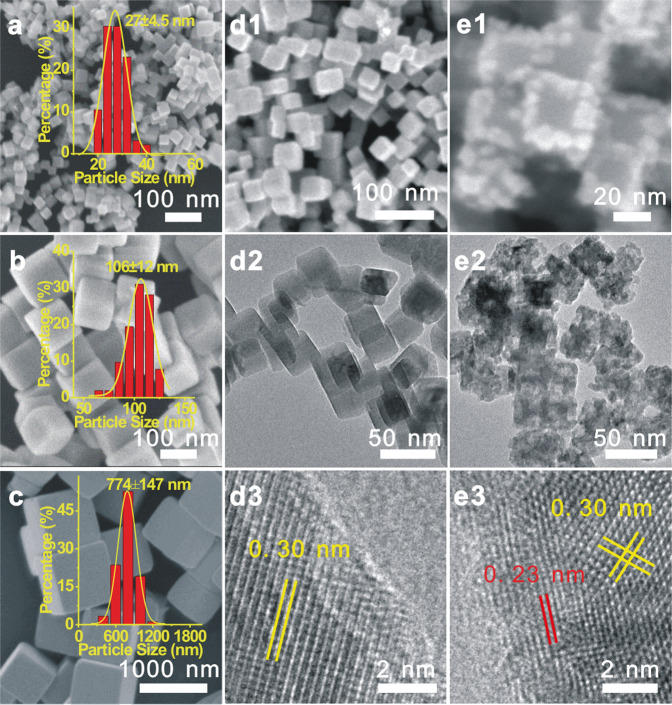 Figure 1
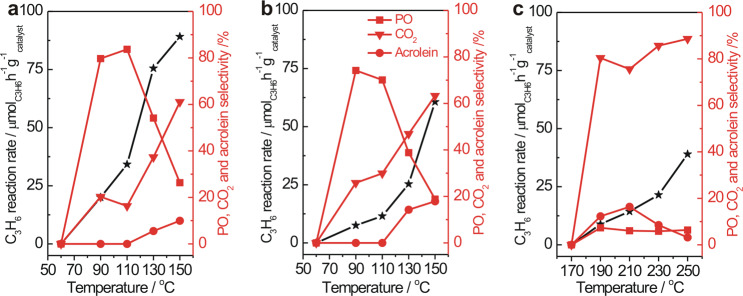 Figure 2
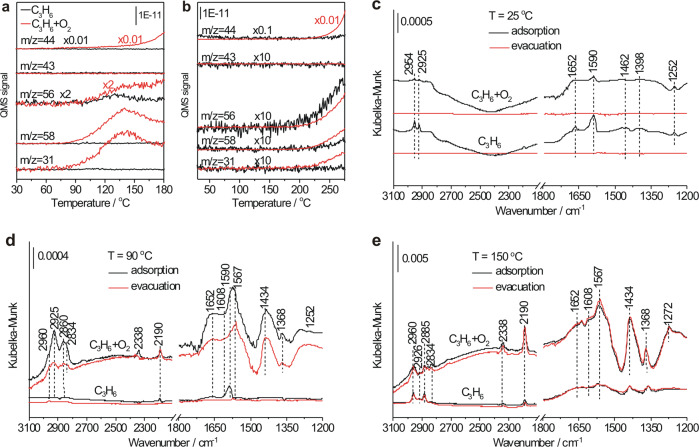 Figure 3
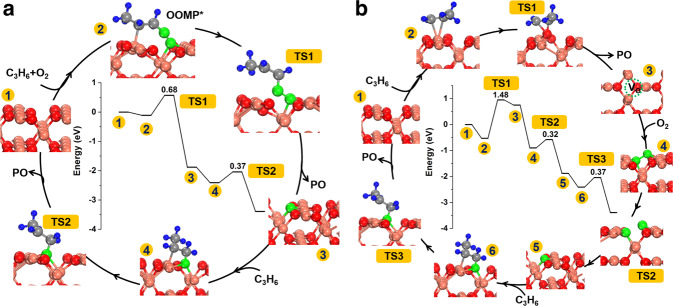 Figure 4
- —https://doi.org/10.13039/501100001809National Natural Science Foundation of China (National Science Foundation of China)
- —https://doi.org/10.13039/501100002367Chinese Academy of Sciences (CAS)
- —https://doi.org/10.13039/501100002338Ministry of Education of the People’s Republic of China (Ministry of Education of China)
Peer Reviews
No public reviews on file for this paper yet. If you reviewed it on a platform where reviews are public (OpenReview, ICLR, NeurIPS, ICML), you can paste yours below so the community can read it here.
Videos
No videos yet. Explain this paper in a talk, walkthrough, or lecture? Add one.
Taxonomy
TopicsCatalytic Processes in Materials Science · Catalysis and Oxidation Reactions · Mesoporous Materials and Catalysis
Introduction
Propylene oxide (PO) is a platform chemical for numerous commodity chemicals^1^, such as polyols and glycol ethers. The current industrial production of PO from propylene involves uses of chlorohydrin or H_2_O_2_ and is cost-ineffective and environment-unfriendly^2,3^. Among various alternative technologies^4–7^, propylene epoxidation with O_2_ to PO is considered most economic and environment-friendly. However, it is meanwhile one of the most challenging catalytic reactions due to unavailable efficient catalysts with high selectivity^8–12^. Cu-based catalysts have been widely studied as a promising catalyst^13–18^, but the reported PO selectivity is not satisfying.
Fundamental understanding of active sites for heterogeneous catalytic reactions is an efficient approach to explore novel catalysts. Successful examples have been only a few and they are all based on density functional theory (DFT) calculations^19–23^. Herein, we report a successful exploration of fine cubic Cu_2_O nanocrystals (NCs) enclosed with {100} faces and {110} edges as a highly selective catalyst for propylene epoxidation with O_2_ to PO, guided by an experimental fundamental understanding of the active site. We previously used large rhombic dodecahedral NCs (denoted as d-Cu_2_O) enclosed with Cu_2_O{110} facets to identify the Cu_2_O{110} facets as the active facet for propylene epoxidation with O_2_^17^, in which, however, reaction temperatures above 150 °C were adopted due to the low density of the active site on the used large d-Cu_2_O NCs, favoring the combustion reaction and limiting the acquired PO selectivity. Later large d-Cu_2_O NCs with the Cl^−^ dopant were reported to exhibit enhanced activity in catalyzing propylene epoxidation with O_2_ and consequently high PO selectivity at low temperatures^9^. Thus, a reasonable strategy to explore highly selective catalysts for propylene epoxidation with O_2_ to PO is to synthesize uniform fine d-Cu_2_O NCs with high densities of Cu_2_O{110} active site, which, unfortunately, has not been realized. Meanwhile, Cu_2_O cubes (denoted as c-Cu_2_O) are enclosed with the {100} faces and {110} edges. We found that the densities of {110} edges are high on Cu_2_O cubes (denoted as c-Cu_2_O) finer than 100 nm and the {110} edge sites on these fine c-Cu_2_O NCs, rather than the {100} face sites, are the dominant active site catalyzing the CO oxidation reaction^24^. Intrigued by these findings, we have investigated propylene oxidation with O_2_ over c-Cu_2_O NCs with different sizes and report herein that fine c-Cu_2_O NCs with an average size of 27 nm selectively catalyze propylene epoxidation with O_2_ to PO at temperatures below 110 °C with the Cu_2_O{110} edge sites as the active site. Interestingly, the reaction mechanism for PO production at the Cu_2_O{110} active site was found to switch from weakly adsorbed O_2_-participating Langmuir–Hinshelwood (LH) mechanism at low temperatures to surface lattice oxygen-participating Mars-van Krevelen (MvK) mechanism at high temperatures.
Results
Synthesis and structural characterizations catalysts
Following previously established procedures^17,25–27^, uniform surfactant-free c-Cu_2_O NCs with sizes of 27 ± 4.5, 106 ± 12, and 774 ± 147 nm were synthesized (Fig. 1a–c and Supplementary Fig. 1) and denoted as c-Cu_2_O-27, c-Cu_2_O-106, and c-Cu_2_O-774, respectively. BET-specific surface areas of c-Cu_2_O-27, c-Cu_2_O-106, and c-Cu_2_O-774 are 25.5, 11.2, and 1.5 m^2^ g^−1^, respectively. XPS spectra (Supplementary Fig. 2) show existences of only adventitious carbon and carbonates on the surfaces of various c-Cu_2_O NCs. c-Cu_2_O NCs are enclosed with O-terminated Cu_2_O{100} faces and (Cu(I), O)-terminated Cu_2_O{110} edges (Supplementary Fig. 3)^24,28^. Based on the size distributions of various c-Cu_2_O NCs, densities of Cu(110) edge sites and their fractions related to total surface Cu sites were estimated to be 6.44 × 10^18^/g_Cu2O_ and 1.61% on c-Cu_2_O-27, 4.08 × 10^17^/g_Cu2O_, and 0.42% on c-Cu_2_O-106, and 7.84 × 10^15^/g_Cu2O_ and 0.06% on c-Cu_2_O-774 (Supplementary Table 1), respectively. Surface sites of various Cu_2_O NCs were probed by CO adsorption at 123 K with in-situ DRIFTS (Supplementary Fig. 4). Vibrational features of adsorbed CO were barely observed for c-Cu_2_O-774 NCs, but a vibrational feature at 2109 cm^−1^ arising from CO adsorbed at the Cu(I) site^29^ emerged for c-Cu_2_O-106 NCs and grew greatly for c-Cu_2_O-27 NCs. The Cu(I) sites for CO adsorption on c-Cu_2_O NCs exist on the (Cu(I), O)-terminated Cu_2_O{110} edges but not on the O-terminated Cu_2_O{100} faces. Therefore, the density of Cu_2_O{110} edges is too low on large c-Cu_2_O-774 NCs to be probed by CO adsorption measured with DRIFTS, but becomes high enough on fine c-Cu_2_O-106 and c-Cu_2_O-27 NCs.Fig. 1. Microscopic characterization of Cu_2_O NCs.SEM images and particle size distributions of a c-Cu_2_O-27, b c-Cu_2_O-106, and c c-Cu_2_O-774. SEM, TEM, and HRTEM images of c-Cu_2_O-27 after evaluated in C_3_H_6_ oxidation with O_2_ at 90 (d1–d3) and 150 °C (e1–e3). Lattice fringes of 0.30 and 0.23 nm correspond to the spacing of the Cu_2_O{110} (JCPDS card no. 78-2076) and CuO{111} (JCPDS card no. 89-5899) crystal planes, respectively.
Catalytic performance in C3H6 oxidation with O2
Various c-Cu_2_O NCs exhibit size-dependent catalytic performance in propylene oxidation with O_2_. As shown in Fig. 2 and Supplementary Fig. 5, c-Cu_2_O-774 NCs became active at 190 °C and dominantly catalyzed propylene combustion to produce CO_2_ with CO_2_ selectivity above 80%. c-Cu_2_O-27 and c-Cu_2_O-106 NCs were much more active than c-Cu_2_O-774 NCs, being catalytically active at 90 °C. Meanwhile, at comparable C_3_H_6_ conversions, c-Cu_2_O-27 and c-Cu_2_O-106 NCs exhibited much higher PO selectivities than c-Cu_2_O-774 NCs. Strikingly, c-Cu_2_O-27 and c-Cu_2_O-106 NCs selectively catalyzed the propylene epoxidation with PO selectivity respectively of above 80 and 70% between 90 and 110 °C, but barely catalyzed propylene partial oxidation to acrolein. As the temperature increased above 110 °C, the CO_2_ selectivity increased rapidly at the expense of PO selectivity, and the acrolein production emerged and grew.Fig. 2. Catalytic performance in C_3_H_6_ oxidation with O_2_.C_3_H_6_ reaction rate (black) and propylene oxide (PO), acrolein, and CO_2_ selectivities (red) of the C_3_H_6_ oxidation with O_2_ catalyzed by a c-Cu_2_O-27, b c-Cu_2_O-106, and c c-Cu_2_O-774 NCs. Reaction condition: 200 mg catalyst, 8% C_3_H_6_, and 4% O_2_ balanced with Ar at a flow rate of 50 mL min^−1^.
The catalytic performance of c-Cu_2_O-774 NCs is contributed by the Cu_2_O{100} face sites that selectively catalyze the propylene combustion reaction^17^, while the very different catalytic performances of c-Cu_2_O-27 and c-Cu_2_O-106 NCs arise from both the Cu_2_O{110} edge sites of enough high densities and the Cu_2_O{100} face sites. The Cu_2_O{110} facets were identified to selectively catalyze the propylene epoxidation reaction^17^. Therefore, the Cu_2_O{110} edge sites of c-Cu_2_O-27 and c-Cu_2_O-106 NCs are the dominant surface sites catalyzing propylene oxidation between 90 and 110 °C, giving high PO selectivity, while the contribution from the Cu_2_O{100} face sites increases with the reaction temperature, leading to increased CO_2_ selectivity at the expense of PO selectivity. These results, on one hand, demonstrate that the Cu_2_O{110} edge sites on c-Cu_2_O-27 and c-Cu_2_O-106 NCs are more active than the Cu_2_O{100} face sites, on the other hand, demonstrates that the Cu_2_O{110} site is active in selectively catalyzing the propylene epoxidation with O_2_ at low temperatures. As far as we know, PO selectivity above 80% in propylene oxidation with O_2_ catalyzed by c-Cu_2_O-27 NCs are much higher than all previously reported Cu-based catalysts except the recently-reported Cl^–^doped d-Cu_2_O NCs^9^. It is noteworthy that the catalytic selectivity of Cu_2_O{110} edge sites of c-Cu_2_O-27 and c-Cu_2_O-106 NCs in catalyzing propylene oxidation with O_2_ between 90 and 110 °C differs very much from that of Cu_2_O{110} face sites of large d-Cu_2_O NCs (d-Cu_2_O-439) which became active only above 150 °C (Supplementary Fig. 6)^17^. In addition to the significantly higher PO selectivity over c-Cu_2_O-27 and c-Cu_2_O-106 NCs than over d-Cu_2_O-439 NCs, acrolein was barely produced for c-Cu_2_O-27 and c-Cu_2_O-106 NCs but was a major product for d-Cu_2_O-439 NCs. Thus the catalytic behavior of Cu_2_O{110} sites in propylene oxidation with O_2_ sensitively depends on the reaction temperature.
Structures of spent Cu_2_O NCs after catalytic performance evaluations at different temperatures were characterized. Both microscopic (Fig. 1d, e and Supplementary Fig. 7) and spectroscopic (Supplementary Fig. 8) characterization results show that the structures of spent c-Cu_2_O-27 and c-Cu_2_O-106 NCs at 90 °C and spent d-Cu_2_O-439 at 210 °C are similar to their starting structures, whereas the surfaces of spent c-Cu_2_O-27 and c-Cu_2_O-106 NCs at 150 °C and spent c-Cu_2_O-774 NCs at 210 °C get oxidized, which can be associated with the selective CO_2_ production, a highly exothermic reaction. Surface oxidation is more extensive on finer c-Cu_2_O-27 NCs than on c-Cu_2_O-106 NCs. CuO ad-particles on spent c-Cu_2_O-27 and c-Cu_2_O-106 NCs resulting from surface oxidation were observed to locate preferentially at the edges, supporting that the Cu_2_O{110} edge sites are where the catalytic reactions dominantly occur. In-situ NAP-XPS spectra of c-Cu_2_O-27 NCs under 0.6 mbar C_3_H_6_ + 0.3 mbar O_2_ (Supplementary Fig. 9) do not show obvious surface oxidation at temperatures up to 150 °C. The discrepancy on surface oxidation of c-Cu_2_O-27 NCs at 150 °C under catalytic reaction and NAP-XPS measurement conditions can be attributed to the existing pressure gap.
Probed by CO adsorption, the oxidation of Cu_2_O{110} edges of c-Cu_2_O-27 and c-Cu_2_O-106 NCs at 130 and 150 °C also reduces the available surface Cu(I) sites (Supplementary Fig. 10). We found that C_3_H_6_ conversion rates of c-Cu_2_O-27 and c-Cu_2_O-106 NCs were proportional to the vibrational peak intensities of CO adsorbed at the surface Cu(I) sites at 90 and 130 °C but not at 150 °C (Supplementary Fig. 11). Therefore, the catalytic performances of c-Cu_2_O-27 and c-Cu_2_O-106 NCs up to 130 °C are dominantly contributed by the Cu_2_O{110} edges with the Cu(I) sites, and the observed decrease of PO selectivity and increase of CO_2_ selectivity at 130 °C should be due to the more extensive over-oxidation of PO. At 150 °C, although less active than the Cu_2_O{110} edge sites, the Cu_2_O{100} face sites of c-Cu_2_O-27 and c-Cu_2_O-106 NCs also contribute to the catalytic performance, enhancing the overall CO_2_ production and selectivity.
Stability of c-Cu_2_O-27 NCs at 90 °C was further evaluated. C_3_H_6_ conversion kept decreasing with the reaction time, while the PO selectivity gradually increased to almost 100% (Supplementary Fig. 12a). XPS spectra show that the surface of spent c-Cu_2_O-27 NCs is not oxidized (Supplementary Fig. 12b), while C–H species with the C 1s binding energy at 285.4 eV^12^ emerges (Supplementary Fig. 12c). Meanwhile, vibration features of carbonate species (1338 and 1537 cm^−1^)^29^, C–O–C (1046 cm^−1^)^30^, and C–H (~2928 cm^−1^) groups were observed on the spent catalyst (Supplementary Fig. 12d). These observations indicate that oligomers likely form and accumulate to block the active surface sites on c-Cu_2_O-27 NCs during the catalytic reaction.
Reaction mechanism of C3H6 oxidation with O2
Figure 3a, b compare C_3_H_6_ and C_3_H_6_ + O_2_ temperature-programmed reaction spectra (TPRS) over c-Cu_2_O-27 and d-Cu_2_O-439 NCs. Over c-Cu_2_O-27 NCs (Fig. 3a), PO (m/z = 58 and 31) and CO_2_ (m/z = 44) productions did not appear in the C_3_H_6_-TPRS profile but appeared at ∼80 °C with similar traces in the C_3_H_6_ + O_2_-TPRS profile. Similar acrolein (m/z = 56) production traces appeared at ∼100 °C in both C_3_H_6_-TPRS and C_3_H_6_ + O_2_-TPRS profiles, and the acrolein production decreased with the temperature increasing in the C_3_H_6_-TPRS profile but increased in the C_3_H_6_ + O_2_-TPRS profile. Over d-Cu_2_O-439 NCs (Fig. 3b), acrolein, PO, and CO_2_ productions were observed above 200 °C to display similar traces in the C_3_H_6_-TPRS and C_3_H_6_ + O_2_-TPRS profiles with more productions in the presence of O_2_. Thus, no matter at low temperatures over c-Cu_2_O-27 NCs or at high temperatures over d-Cu_2_O-439 NCs, the acrolein production by C_3_H_6_ with O_2_ follows the surface lattice oxygen-participated MvK mechanism, consistent with the previous results^31^. The observed decrease of acrolein with the temperature in the C_3_H_6_-TPRS profile over c-Cu_2_O-27 NCs likely arises from the insufficient supply of surface lattice oxygen species at the Cu_2_O{110} edges. The PO production by C_3_H_6_ with O_2_ at high temperatures over d-Cu_2_O-439 NCs also follows the MvK mechanism, whereas the PO production at low temperatures over c-Cu_2_O-27 NCs does not, instead, it should follow a LH mechanism involving surface reactions between co-adsorbed propylene and oxygen species. Therefore, propylene epoxidation with O_2_ at the Cu_2_O{110} active site follows the LH mechanism at low temperatures and the MvK mechanism at high temperatures.Fig. 3. Reaction mechanism.C_3_H_6_-TPRS (8% C_3_H_6_ in Ar) and C_3_H_6_ + O_2_-TPRS (8% C_3_H_6_ + 4% O_2_ in Ar) of a c-Cu_2_O-27 and b d-Cu_2_O-439 NCs. DRIFTS spectra of C_3_H_6_ (PC3H6 = 50 Pa) and C_3_H_6_ + O_2_ (PC3H6 = 50 Pa, PO2 = 25 Pa) adsorption on c-Cu_2_O-27 NCs at c 25, d 90, and e 150 °C.
In-situ DRIFTS measurements of C_3_H_6_ and C_3_H_6_ + O_2_ adsorption on c-Cu_2_O-27 NCs at different temperatures were carried out to explore the temperature-dependent reaction mechanisms of propylene epoxidation with O_2_ (Fig. 3c–e). Assignments of observed vibrational features are summarized in Supplementary Table 2. In addition to gaseous C_3_H_6_ (2954 and 1652 cm^−1^), molecularly-adsorbed C_3_H_6_ species at the Cu(I) site of Cu_2_O{110} edges (C_3_H_6_(a)Cu) (2925 and 1590 cm^−1^) and bridgingly at Cu(I) and O sites of Cu_2_O{110} edges (C_3_H_6_(a)Cu,O) or bridgingly at O sites of Cu_2_O{100} face sites (C_3_H_6_(a)O,O) (2925 and 1462 cm^−1^) were observed upon both C_3_H_6_ and C_3_H_6_ + O_2_ adsorption at 25 °C, and all vibrational features disappeared upon evacuation, indicating reversible C_3_H_6_ adsorption and absence of C_3_H_6_ + O_2_ reaction at 25 °C. At 90 °C, C_3_H_6_ adsorption dominantly formed C_3_H_6_(a)Cu species, suggesting that C_3_H_6_(a)Cu should be more stable than C_3_H_6_(a)Cu,O and C_3_H_6_(a)O,O, whereas C_3_H_6_ + O_2_ adsorption formed not only reversibly-adsorbed C_3_H_6_ species desorbing upon subsequent evacuation but also surface intermediates remaining upon subsequent evacuation, including HCOO(a) (2960, 2885, 1567 and 1368 cm^−1^), allyl adsorbed at the O site (C_3_H_5_(a)O) (2834 and 1608 cm^−1^), CO_2_(a) (2338 and 2190 cm^−1^), adsorbed acrolein (C_3_H_4_O(a)) (1652 cm^−1^), and allyl adsorbed at the Cu site (C_3_H_5_(a)Cu) (1434 cm^−1^). HCOO(a) and CO_2_(a) species are the surface intermediates for the CO_2_ production, while C_3_H_5_(a) and C_3_H_4_O(a) species belong to the surface intermediates for the acrolein production. Previous DFT calculation results suggested that the presence of O_2_ promoted C_3_H_6_ dehydrogenation reactions to form adsorbed allyl and acrolein species on Cu_2_O surfaces^32,33^. Therefore, C_3_H_6_ + O_2_ adsorption at 90 °C involves surface reactions between co-adsorbed C_3_H_6_(a) and oxygen species following the LH mechanism, consistent with the above catalytic performance and TPRS results. Interestingly, few acrolein is produced although C_3_H_5_(a) and C_3_H_4_O(a) intermediates are formed, whereas PO is the dominant product but few relevant surface intermediates can be identified. This suggests that the desorption of C_3_H_4_O(a) to produce gaseous acrolein should exhibit a large barrier and barely occur at 90 °C, whereas surface reactions producing PO can occur. As the temperature increased to 150 °C, the vibrational features of all observed surface intermediates significantly grew, consistent with the enhanced C_3_H_6_ conversion. Meanwhile, C_3_H_6_ + O_2_ adsorption gave the same vibrational bands as C_3_H_6_ adsorption but with stronger intensities, supporting the above TPRS result that Cu_2_O{110}-catalyzed propylene oxidation with O_2_ at high temperatures follows the MvK mechanism. Acrolein production was observed, demonstrating the occurrence of C_3_H_4_O(a) desorption.
DFT calculations of C3H6 oxidation with O2
DFT calculations were performed to understand the mechanisms of propylene oxidation at the Cu_2_O{110} active site (Supplementary Table 3). C_3_H_6_(a)Cu and C_3_H_6_(a)Cu,O were calculated to exhibit adsorption energy of −0.53 and −0.33 eV and C=C stretch vibrational frequency of 1571 and 1444 cm^−1^, respectively (Supplementary Fig. 13), agreeing with the experimental results. O_2_ weakly adsorbs with an adsorption energy of −0.25 eV (Supplementary Fig. 14), and its dissociation into two oxygen adatoms exhibits an enthalpy of −0.12 eV but a barrier of 1.16 eV. It can thus be expected that O_2_ dissociation on the perfect Cu_2_O{110} surface is unlikely at low temperatures. Propylene epoxidation with O_2_ at the Cu_2_O{110} active site was found to occur via either a LH mechanism or a MvK mechanism (Fig. 4). The LH mechanism initiates via co-adsorption of C_3_H_6_ and O_2_ to form an oxametallacycle (OOMP) intermediate (Cu–O–O–CH_2_–CH(CH_3_)–Cu) with a reaction energy of −0.34 eV, which is stronger by 0.26 eV than the formation of Cu–O–O–(CH_3_)–CH–CH_2_–Cu intermediate. Then the OOMP intermediate dissociates to produce a PO molecule and an atomic O with a barrier of 0.68 eV. Finally, the resulting atomic O readily reacts with C_3_H_6_(a)Cu to produce another PO molecule with a barrier of 0.37 eV to close the catalytic cycle of propylene epoxidation with O_2_. Similar mechanisms of C_3_H_6_ epoxidation with molecularly-adsorbed O_2_ species on IB group metal surfaces were proposed by DFT calculations^34^. The MvK mechanism initiates via the reaction of C_3_H_6_(a)Cu with surface lattice O to produce a PO molecule and a surface oxygen vacancy (V_O_) with a barrier of 1.48 eV. Then O_2_ readily dissociates at the V_O_ site to fill it and produce an atomic O with a barrier of 0.32 eV. Finally, the resulting atomic O readily reacts with C_3_H_6_(a)Cu to produce another PO molecule with a barrier of 0.37 eV to close the catalytic cycle of propylene epoxidation with O_2_.Fig. 4DFT calculations.Energy profile and catalytic cycle along with the optimized structures of intermediates and transition states for propylene epoxidation on Cu_2_O(110) via a LH and b MvK mechanisms. The pink, red, green, gray, and blue spheres represent Cu, O in Cu_2_O, O in O_2_, C, and H atoms, respectively.
Propylene partial oxidation to acrolein at the Cu_2_O{110} active site following the Mvk mechanism was also calculated (Supplementary Fig. 15). It initiates by an abstract of an α-H atom of C_3_H_6_(a)Cu to produce C_3_H_5_(a)Cu or C_3_H_5_(a)O with a barrier of 0.75 eV. The C_3_H_5_(a)O is more stable than the C_3_H_5_(a)Cu species by 0.90 eV, resulting in a larger barrier of the C_3_H_5_(a)O-to-C_3_H_4_O(a) reaction (1.77 eV) than of the C_3_H_5_(a)Cu-to-C_3_H_4_O(a) reaction (1.05 eV). Then the resulting C_3_H_4_O(a) species desorbs to produce an acrolein molecule and create a surface oxygen vacancy with a barrier of 0.96 eV. The H-abstraction reactions of C_3_H_6_(a)Cu to produce C_3_H_4_O(a) were previously calculated to be promoted by co-adsorbed O_2_ species, but the C_3_H_4_O(a) desorption still exhibited a barrier of 0.99 eV^32^. Meanwhile, the C=C bond breaking of C_3_H_6_(a)O,O on the Cu_2_O{100} surface by surface lattice oxygen to eventually produce CO_2_ was previously calculated with a barrier of 1.05 eV^17^.
The above DFT calculation results suggest that the largest barrier is 0.68 eV among elementary surface reactions of LH mechanism for Cu_2_O{110}-catalyzed propylene epoxidation, but is 0.99–1.77 eV of MvK mechanism for Cu_2_O{110}-catalyzed propylene epoxidation, LH and MvK mechanisms for Cu_2_O{110}-catalyzed propylene partial oxidation to acrolein, and MvK mechanism for Cu_2_O{100}-catalyzed propylene combustion. Meanwhile, due to the very small adsorption energy but very large dissociation barrier of O_2_(a), O_2_(a) is the dominant adsorbed oxygen species on the stoichiometric Cu_2_O{110} site and can only form at low temperatures. Thus, at low temperatures at which O_2_(a) forms, Cu_2_O{110}-catalyzed propylene epoxidation following the LH mechanism occurs and other reactions with large barriers barely, leading to the high PO selectivity; however, at high temperatures at which O_2_(a) is few, Cu_2_O{110}-catalyzed propylene epoxidation following the LH mechanism barely occurs although with low barriers, and Cu_2_O{110}-catalyzed propylene epoxidation and propylene partial oxidation to acrolein and Cu_2_O{100}-catalyzed propylene combustion, all following the MvK mechanism, occur to produce PO, acrolein and CO_2_, respectively. These DFT calculation results agree well with the experimental observations of temperature-dependent catalytic selectivity of our fine c-Cu_2_O NCs in propylene oxidation with O_2_. Thus, the reactivity and temperature-dependent coverages of various surface species at different surface sites of Cu_2_O NCs are responsible for the observed apparent catalytic activity and selectivity in propylene oxidation with O_2_.
Discussion
In summary, based on the fundamental understanding of the active site of Cu_2_O catalysts for propylene epoxidation with O_2_, we successfully explore finely-sized cubic Cu_2_O NCs with a high density of active Cu_2_O{110} edge sites as the highly selective catalyst to catalyze propylene epoxidation with O_2_. Over the c-Cu_2_O-27 NCs catalyst, Cu_2_O{110}-catalyzed propylene epoxidation with weakly adsorbed O_2_(a) species as the active oxygen species exhibits a low barrier and is the dominant reaction occurring at low temperatures, selectively producing PO with a selectivity of above 80%, whereas Cu_2_O{110}-catalyzed propylene partial oxidation and propylene epoxidation and Cu_2_O{100}-catalyzed propylene combustion, all with surface lattice oxygen as the dominant active oxygen species and exhibiting large barriers, occur at high reaction temperatures, producing acrolein, PO and CO_2_, respectively. These results demonstrate the effectiveness of fundamental understanding in guiding the exploration of efficient catalysts for challenging heterogeneous catalytic reactions.
Methods
Chemicals and materials
All chemical reagents with the analytical grade were purchased from Sinopharm Chemical Reagent Co. C_3_H_6_ (99.95%), O_2_ (99.999%), CO (99.99%), and Ar (99.999%) were purchased from Nanjing Shangyuan Industrial Factory. All chemicals were used as received.
Synthesis of c-Cu2O-27 and c-Cu2O-106 NCs
c-Cu_2_O-27 and c-Cu_2_O-106 NCs were synthesized according to the method reported by Chang et al. ^26^. To synthesize c-Cu_2_O-27 NCs, 1 mL CuSO_4_ aqueous solution (1.2 mol L^−1^) was rapidly injected into 400 mL deionized water at 25 °C. After stirring for 5 min, 1 mL NaOH aqueous solution (4.8 mol L^−1^) was poured into the solution. After stirring for another 5 min, 1 mL ascorbic acid aqueous solution (1.2 mol L^−1^) was injected. Then the solution was kept for another 30 min, and the resulting precipitate was collected by centrifugation, decanting, and washing with distilled water and absolute ethanol, and finally dried in vacuum at RT for 12 h. c-Cu_2_O-106 NCs were synthesized similarly, except that 0.26 g sodium citrate was added to the initial 400 mL deionized water at 25 °C.
Synthesis of c-Cu2O-774 NCs
c-Cu_2_O-774 NCs were synthesized according to the following typical procedure^25^: 5.0 mL NaOH aqueous solution (2.0 mol L^−1^) was added dropwise into 50 mL CuCl_2_ aqueous solution (0.01 mol L^−1^) at 60 °C. After adequately stirring for 0.5 h, 5.0 mL ascorbic acid aqueous solution (0.6 mol L^−1^) was added dropwise into the solution. The mixed solution was adequately stirred at 60 °C for 5 h. The resulting precipitate was collected by centrifugation, decanting, and washing with distilled water and absolute ethanol, and finally dried in vacuum at RT for 12 h.
Synthesis of d-Cu2O-439 NCs
d-Cu_2_O-439 NCs capped with oleic acid (OA) (denoted as d-Cu_2_O-439-OA) were synthesized following Liang et al.’s procedure^27^. Typically, under vigorous stirring, 4 mL OA was mixed with 20 mL of absolute ethanol, and slowly added to 40 mL CuSO_4_ aqueous solution (0.025 mol L^−1^). The mixture was heated to 100 °C for 0.5 h. Then 10 mL NaOH aqueous solution (0.8 mol L^−1^) was added. After stirring for another 5 min, 30 mL d-(+)-glucose aqueous solution (0.63 mol L^−1^) was quickly added. The obtained mixture was stirred at 100 °C for another 1 h, and its color changed from black to green, and finally to brick red. The resulting precipitate was collected by centrifugation, decanting, and washing with distilled water and absolute ethanol, and finally dried in vacuum at RT for 12 h.
Capping ligands on as-synthesized d-Cu_2_O-439-OA NCs were removed following Hua et al.’s procedure^17^. Typically, 150 mg d-Cu_2_O-439-OA NCs were placed in a U-shaped quartz microreactor and purged in the stream of C_3_H_6_ + O_2_ + Ar gas mixture (C_3_H_6_: O_2_: Ar = 2: 1: 22) with a flow rate of 50 mL min^−1^ at RT for 0.5 h, and then heated to 215 °C at a heating rate of 5 °C min^−1^ and kept for another 0.5 h. Then the sample was cooled down to room temperature to acquire d-Cu_2_O-439 NCs.
In-situ C3H6 and C3H6 + O2 DRIFTS
Diffuse reflectance infrared spectroscopy (DRIFTS) measurements of chemisorption processes were performed on a Nicolet 6700 FTIR spectrometer equipped with an in-situ DRIFTS reaction cell (Harrick Scientific Products, INC) and a MCT/A detector. 50 mg catalyst was loaded onto the sample stage of the reaction cell. Prior to the experiments, the sample was heated at the desired temperatures at pressures better than 0.1 Pa, and the spectrum was measured and used as the background spectrum, then the adsorbed gas was admitted into the reaction cell to desirable pressures through a leak valve, and the DRIFTS spectra were recorded after the chemisorption processes reached a steady state.
In-situ C3H6 + O2 NAPXPS
Near-ambient pressure X-ray photoelectron spectroscopy (NAPXPS) measurements were carried out at BL02B01 of Shanghai Synchrotron Radiation Facility^35^. The bending magnet beamline delivered a soft X-ray with photon flux around 1 × 10^11^ photons s^−1^, energy resolution of E/∆E = 3700 and beam spot size of ~200 µm × 75 µm on the sample. XPS spectra were calibrated using Au 4f7/2 binding energy at 84.0 eV. During the NAPXPS experiments, 0.6 mbar C_3_H_6_ and 0.3 mbar O_2_ were introduced into the chamber, and the c-Cu_2_O NCs were heated and stabilized at desirable temperatures for 0.5 h, and then the NAPXPS spectra were measured.
Structural characterizations
Power X-ray diffraction (XRD) patterns were conducted on a Philips X’Pert PROS diffractometer using a nickel-filtered Cu Kα (wavelength: 0.15418 nm) radiation source with the operation voltage and operation current being 50 mA and 40 kV, respectively. X-ray photoelectron spectroscopy (XPS) was carried out on an ESCALAB 250 high-performance electron spectrometer using monochromatized Al Kα (hν = 1486.7 eV) as the excitation source. The likely charging of samples was corrected by setting the binding energy of the adventitious carbon (C 1s) to 284.8 eV. Scanning electron microscope (SEM) images were obtained on a JEOL JSM-6700 field emission scanning electron microscope. Transmission electron microscopy (TEM), high-resolution transmission electron microscopy (HRTEM) were obtained on a JEM-2100F high-resolution transmission electron microscope.
C_3_H_6_-temperature-programmed reaction spectra (C_3_H_6_-TPRS) and C_3_H_6_ + O_2_ TPRS were measured in a quartz tube microreactor equipped with an axial quartz sheathed thermocouple and connected to an online mass spectrometer (HIDEN QIC-20). In the C_3_H_6_-TPRS experiments, 50 mg catalyst was pretreated in Ar with a flow rate of 30 mL min^−1^ at 200 °C for 0.5 h and then cooled to 30 °C, then the gas stream was switched to 8% C_3_H_6_ in Ar with a flow rate of 50 mL min^−1^ and the catalyst was heated at a heating rate of 5 °C min^−1^. In the C_3_H_6_ + O_2_ TPRS experiments, 50 mg catalyst was pretreated in Ar with a flow rate of 30 mL min^−1^ at 200 °C for 0.5 h and then cooled to 30 °C, then the gas stream was switched to 8% C_3_H_6_ + 4% O_2_ in Ar with a flow rate of 50 mL min^−1^ and the catalyst was heated to the desired temperature at a heating rate of 5 °C min^−1^.
In-situ CO adsorption after catalytic reactions at different temperatures was performed on a Nicolet 6700 FTIR spectrometer equipped with an in-situ low-temperature and vacuum DRIFTS reaction cell (Harrick Scientific Products, Inc.) in order to enhance the chemisorption with minimum interference of gas-phase molecules. The DRIFTS spectra were measured with 256 scans and a resolution of 4 cm^−1^ using a MCT/A detector. 50 mg catalyst was loaded on the sample stage of the reaction cell. Prior to adsorption experiments, the sample was evacuated at 293 K for 1 h at a base pressure of 0.1 Pa and then cooled to 123 K, whose spectrum was taken as the background spectra. Then CO was admitted into the reaction cell to the desirable pressures via a leak valve, and the DRIFTS spectrum was recorded after the chemisorption reached the steady state.
Catalytic performance evaluation
Catalytic performance of Cu_2_O nanocrystals in propylene oxidation with O_2_ without any pretreatments was evaluated in a quartz tube microreactor equipped with an axial quartz sheathed thermocouple. 200 mg catalyst was used and heated to the desired reaction temperatures at a rate of 2 °C min^−1^ in a reaction gas mixture (C_3_H_6_: O_2_: Ar = 2: 1: 22, flow rate: 50 mL min^−1^). After the catalytic reaction reached a steady state, the composition of outlet gas was analyzed using an online Shimazu GC-2014 gas chromatograph equipped with two flame ionization detectors (FIDs) and one thermal conductivity detector (TCD). One FID was attached to a Stabilwax-DA capillary column (0.53 mm × 60 m) to detect propylene and oxygenates (acetaldehyde, PO, acetone, propionaldehyde, acrolein, acetic acid, and isopropanol) to a detection limit of 1 ppm, and the TCD was attached to a Porapak Q (3 mm × 3 m) and C13x compact column (3 mm × 3 m, Shimazu) to detect O_2_. A CH_4_ conversion oven was connected to the end of the TCD to convert trace CO_2_ to CH_4_, whose concentration was detected by the other FID. All the lines and valves between the exit of the reactor and the gas chromatographs were heated to 80 °C to prevent condensation of the products. The activity and selectivity of the catalytic reaction were calculated as the following, in which Xi represents conversion, Si selectivity, mi mass, and ni moles of substance i, \documentclass[12pt]{minimal} \usepackage{amsmath} \usepackage{wasysym} \usepackage{amsfonts} \usepackage{amssymb} \usepackage{amsbsy} \usepackage{mathrsfs} \usepackage{upgreek} \setlength{\oddsidemargin}{-69pt} \begin{document}$$F{{{{{\rm{C3H6}}}}}}$$\end{document} represents the flow rate of C_3_H_6_:
\documentclass[12pt]{minimal} \usepackage{amsmath} \usepackage{wasysym} \usepackage{amsfonts} \usepackage{amssymb} \usepackage{amsbsy} \usepackage{mathrsfs} \usepackage{upgreek} \setlength{\oddsidemargin}{-69pt} \begin{document}$$X_{{{{{\rm{C3H6}}}}}}=\frac{n_{{{{{\rm{oxygenates}}}}}}+n_{{{{{{\rm{CO2}}}}}}/3}}{n_{{{{{\rm{propyleneinfeed}}}}}}}$$\end{document} \documentclass[12pt]{minimal} \usepackage{amsmath} \usepackage{wasysym} \usepackage{amsfonts} \usepackage{amssymb} \usepackage{amsbsy} \usepackage{mathrsfs} \usepackage{upgreek} \setlength{\oddsidemargin}{-69pt} \begin{document}$$S_{{{{{\rm{PO}}}}}}=\frac{n_{{{{{\rm{PO}}}}}}}{n_{{{{{\rm{oxygenates}}}}}}+n_{{{{{{\rm{CO2}}}}}}/3}}$$\end{document} \documentclass[12pt]{minimal} \usepackage{amsmath} \usepackage{wasysym} \usepackage{amsfonts} \usepackage{amssymb} \usepackage{amsbsy} \usepackage{mathrsfs} \usepackage{upgreek} \setlength{\oddsidemargin}{-69pt} \begin{document}$$S_{{{{{\rm{Acrolein}}}}}}=\frac{n_{{{{{\rm{Acrolein}}}}}}}{n_{{{{{\rm{oxygenates}}}}}}+n_{{{{{{\rm{CO2}}}}}}/3}}$$\end{document} \documentclass[12pt]{minimal} \usepackage{amsmath} \usepackage{wasysym} \usepackage{amsfonts} \usepackage{amssymb} \usepackage{amsbsy} \usepackage{mathrsfs} \usepackage{upgreek} \setlength{\oddsidemargin}{-69pt} \begin{document}$$S_{{{{{\rm{CO2}}}}}}=\frac{n_{{{{{\rm{CO2}}}}}}/3}{n_{{{{{\rm{oxygenates}}}}}}+n_{{{{{{\rm{CO2}}}}}}/3}}$$\end{document} \documentclass[12pt]{minimal} \usepackage{amsmath} \usepackage{wasysym} \usepackage{amsfonts} \usepackage{amssymb} \usepackage{amsbsy} \usepackage{mathrsfs} \usepackage{upgreek} \setlength{\oddsidemargin}{-69pt} \begin{document}$${{{{{\rm{C3H6}}}}}}\,{{{{{\mathrm{reaction}}}}}}\,{{{{{\mathrm{rate}}}}}}=\frac{X_{{{{{\rm{C3H6}}}}}}\times F_{{{{{\rm{C3H6}}}}}}}{m_{{{{{\mathrm{catalyst}}}}}}}$$\end{document}DFT calculations
DFT calculations were performed by Vienna ab initio Simulation Package (VASP)^36,37^. The exchange–correlation interaction was described by the Bayesian error estimation functional with van der Waals correlation (BEEF–vdW)^38^. The Kohn–Sham equations were solved by a plane wave basis set with a kinetic energy cutoff of 400 eV. A Cu_2_O(110) surface with (2 × 2) unit cell was modeled by a slab model including four-layer O and seven-layer Cu atoms. To prevent the artificial interaction between the repeated slabs along z-direction, 15 Å vacuum was introduced with correction of the dipole moment. The (2 × 2 × 1) k-point mesh was used to sample the Brillouin zone. During the optimization, the bottom two-layer O and four-layer Cu atoms were fixed in their bulk positions, while the remained atoms and adsorbates were relaxed until the residual forces were less than 0.02 eV Å^−1^. DFT + U correction was used with U-J = 6 eV for Cu 3d-orbitals^39^. Adsorption energies were calculated by Eads = Ead/sub – Ead – Esub, where Ead/sub, Ead, and Esub were the total energies of the optimized adsorbate/substrate system, the adsorbate in the gas phase, and the clean substrate, respectively. Transition states of the elementary steps were located by the climbing-image nudged elastic band (CI-NEB) method^40^.
Supplementary information
Supplementary Information Peer Review File
The reference list from the paper itself. Each links out to its DOI / PubMed record.
- 1Myers, R. L. The 100 Most Important Chemical Compounds (Greenwood Press, London, 2007).
- 2Nijhuis TA Makkee M Moulijn JA Weckhuysen BM The production of propene oxide: Catalytic processes and recent developments Ind. Eng. Chem. Res.2006453447345910.1021/ie 0513090 · doi ↗
- 3Russo V Tesser R Santacesaria E Di Serio M Chemical and technical aspects of propene oxide production via hydrogen peroxide (HPPO Process)Ind. Eng. Chem. Res.2013521168117810.1021/ie 3023862 · doi ↗
- 4Leow WR Chloride-mediated selective electrosynthesis of ethylene and propylene oxides at high current density Science 20203681228123310.1126/science.aaz 845932527828 · doi ↗ · pubmed ↗
- 5Huang J Haruta M Gas-phase propene epoxidation over coinage metal catalysts Res. Chem. Intermed.20113812410.1007/s 11164-011-0424-6 · doi ↗
- 6Khatib SJ Oyama ST Direct oxidation of propylene to propylene oxide with molecular oxygen: a review Catal. Rev. Sci. Eng.20155730634410.1080/01614940.2015.1041849 · doi ↗
- 7Teržan J HušM Likozar B DjinovićP Propylene epoxidation using molecular oxygen over copper- and silver-based catalysts: a review ACS Catal.202010134151343610.1021/acscatal.0c 03340 · doi ↗
- 8Lei Y Increased silver activity for direct propylene epoxidation via subnanometer size effects Science 201032822422810.1126/science.118520020378815 · doi ↗ · pubmed ↗