The Hsp70-Chaperone Machines in Bacteria
Matthias P. Mayer

TL;DR
This review explains how Hsp70 chaperones, especially in bacteria, help maintain protein balance and support cell survival through their unique mechanisms.
Contribution
The paper provides a detailed comparative analysis of bacterial Hsp70 chaperones, focusing on their molecular mechanisms and functional versatility.
Findings
Hsp70s use nucleotide-dependent affinity switching to manage client proteins effectively.
Cochaperones and nucleotide exchange factors regulate the Hsp70-client complex lifetime.
DnaK, HscA, and HscC exhibit distinct but overlapping roles in bacterial protein homeostasis.
Abstract
The ATP-dependent Hsp70s are evolutionary conserved molecular chaperones that constitute central hubs of the cellular protein quality surveillance network. None of the other main chaperone families (Tig, GroELS, HtpG, IbpA/B, ClpB) have been assigned with a comparable range of functions. Through a multitude of functions Hsp70s are involved in many cellular control circuits for maintaining protein homeostasis and have been recognized as key factors for cell survival. Three mechanistic properties of Hsp70s are the basis for their high versatility. First, Hsp70s bind to short degenerate sequence motifs within their client proteins. Second, Hsp70 chaperones switch in a nucleotide-controlled manner between a state of low affinity for client proteins and a state of high affinity for clients. Third, Hsp70s are targeted to their clients by a large number of cochaperones of the J-domain protein…
Genes, proteins, chemicals, diseases, species, mutations and cell lines named across the full text — each resolved to its canonical identifier and authoritative record.
Click any figure to enlarge with its caption.
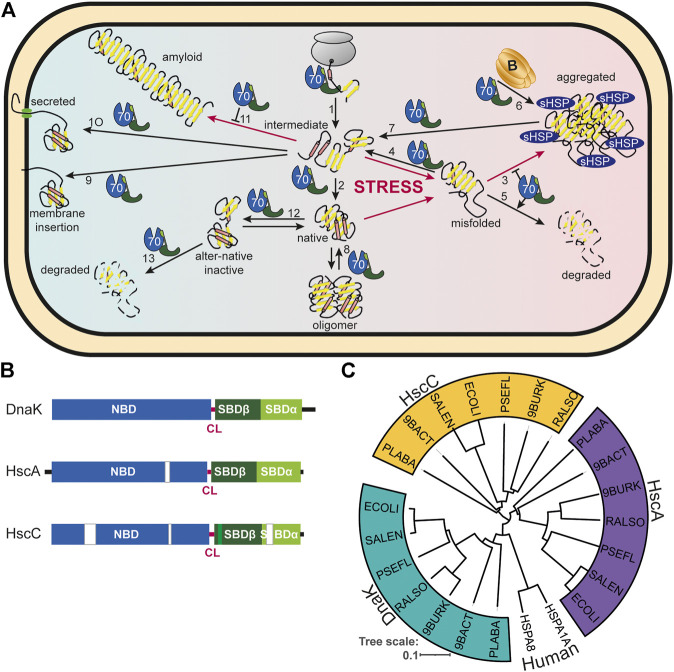 Figure 1
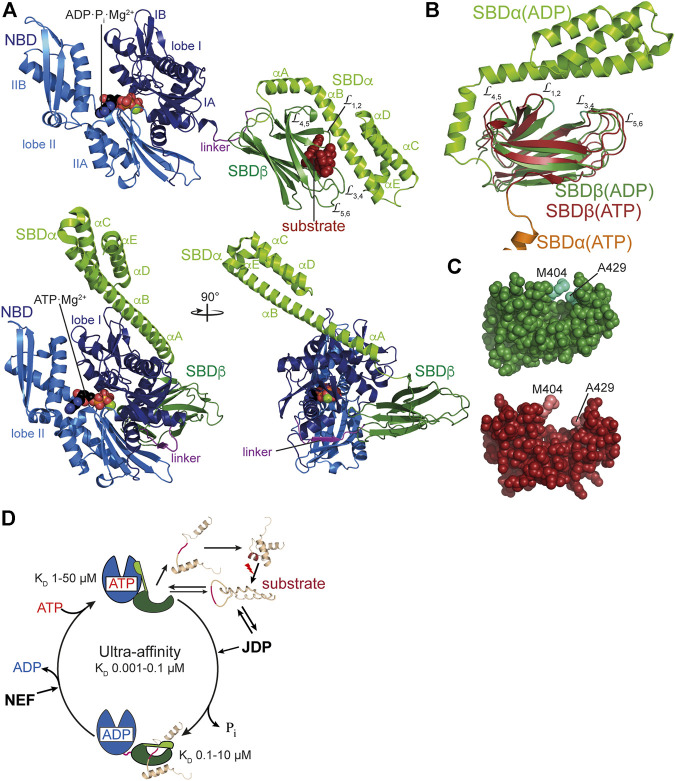 Figure 2
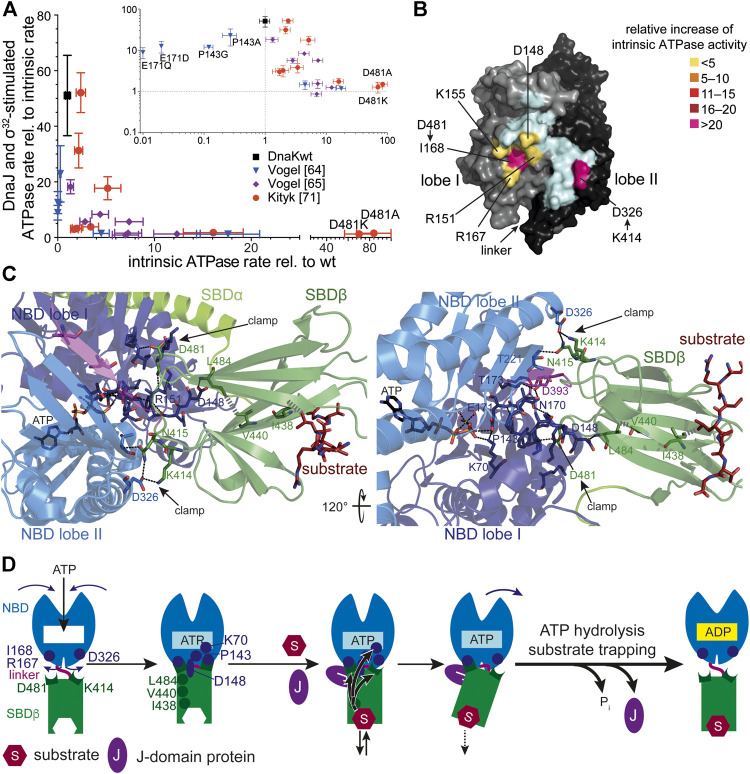 Figure 3
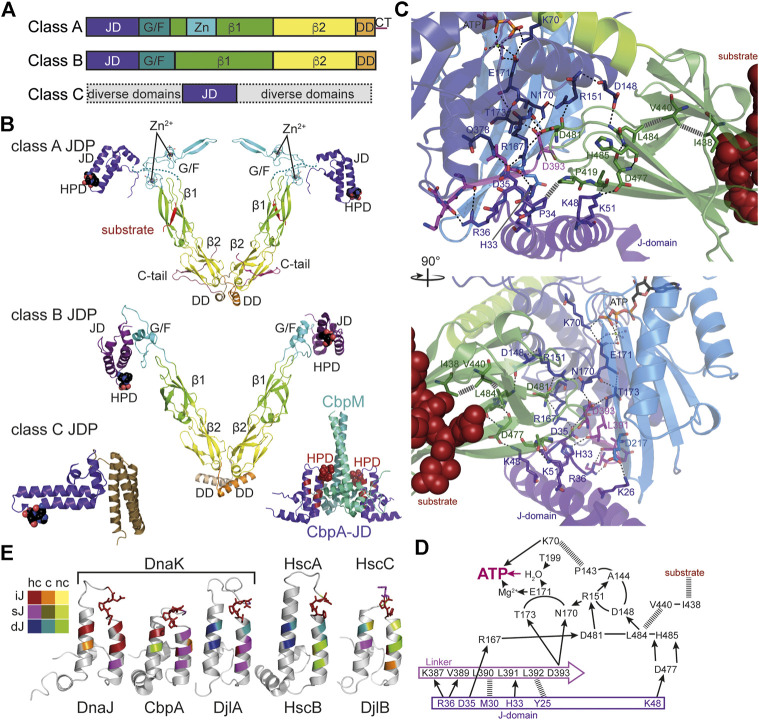 Figure 4
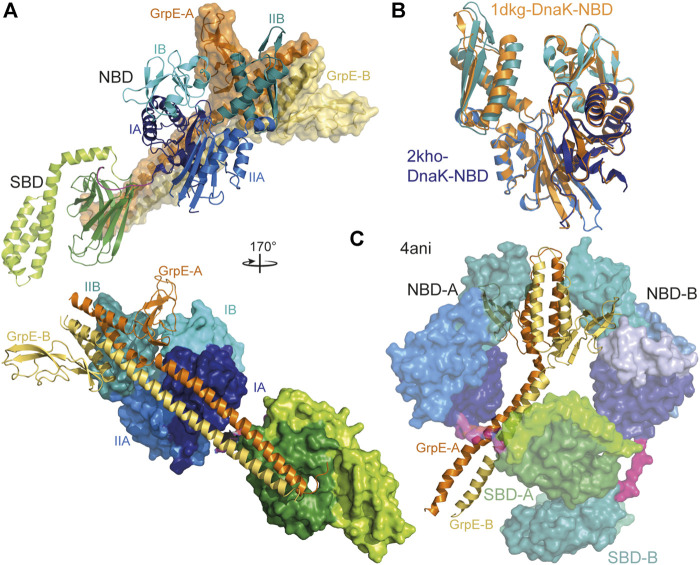 Figure 5
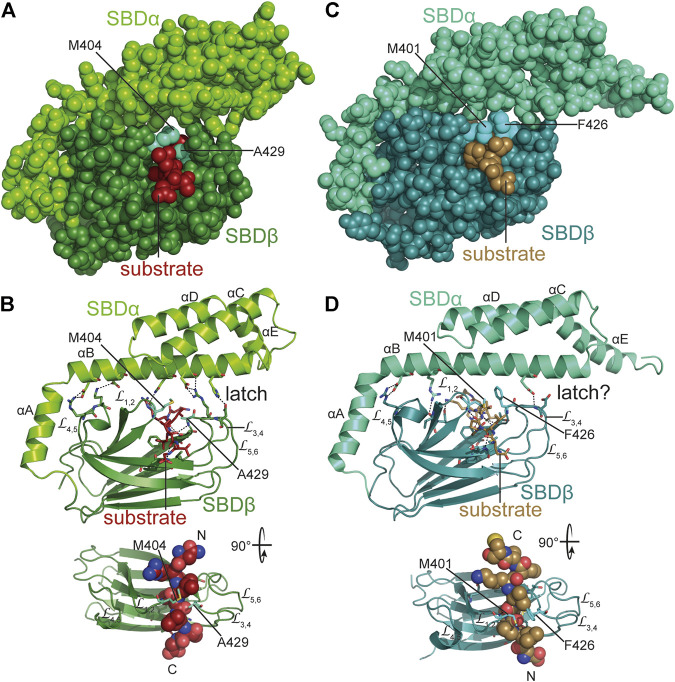 Figure 6
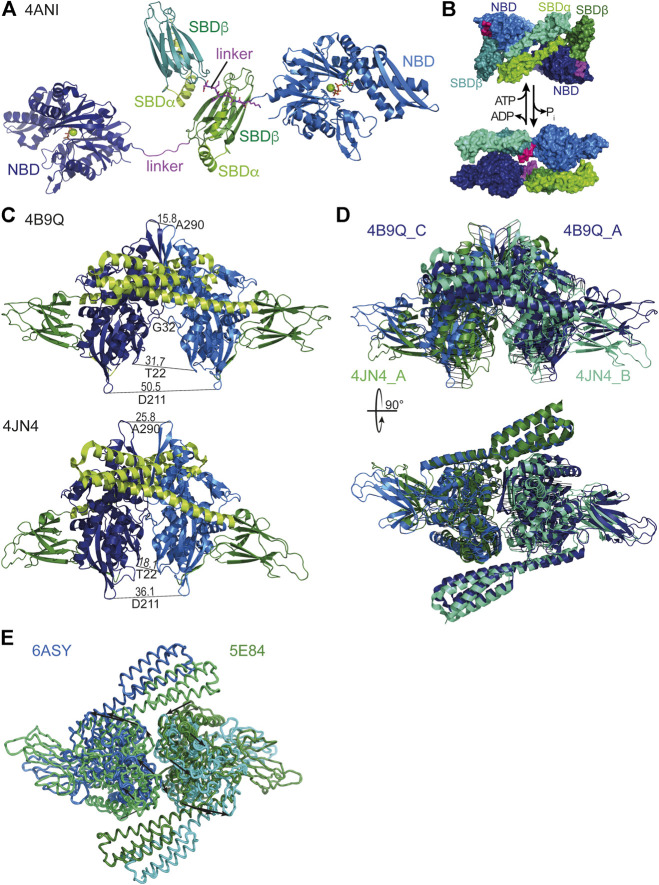 Figure 7
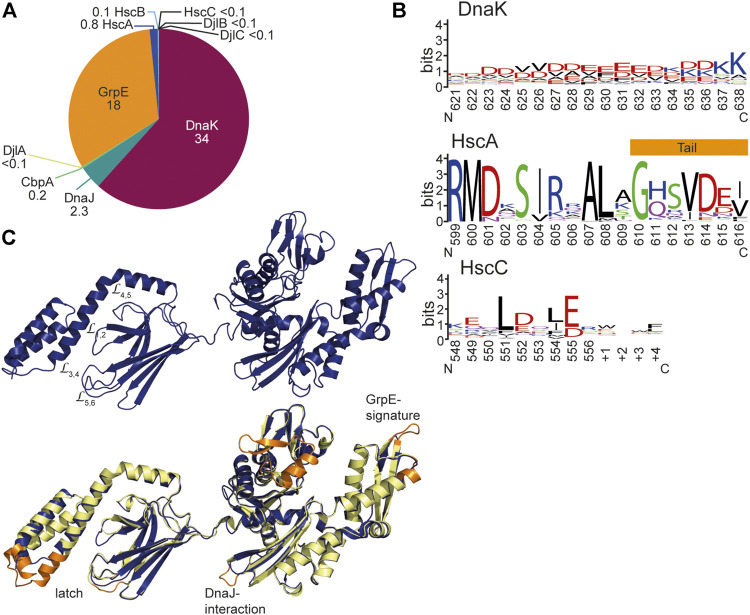 Figure 8
Peer Reviews
No public reviews on file for this paper yet. If you reviewed it on a platform where reviews are public (OpenReview, ICLR, NeurIPS, ICML), you can paste yours below so the community can read it here.
Videos
No videos yet. Explain this paper in a talk, walkthrough, or lecture? Add one.
Taxonomy
TopicsHeat shock proteins research · thermodynamics and calorimetric analyses · Toxin Mechanisms and Immunotoxins