Gut microbiota diversity after autologous fecal microbiota transfer in acute myeloid leukemia patients
Florent Malard, Anne Vekhoff, Simona Lapusan, Francoise Isnard, Evelyne D’incan-Corda, Jérôme Rey, Colombe Saillard, Xavier Thomas, Sophie Ducastelle-Lepretre, Etienne Paubelle, Marie-Virginie Larcher, Clément Rocher, Christian Recher, Suzanne Tavitian, Sarah Bertoli

TL;DR
This study shows that autologous fecal microbiota transfer can safely restore gut microbiota diversity in AML patients undergoing intensive chemotherapy and antibiotics.
Contribution
The study demonstrates the efficacy and safety of autologous fecal microbiota transfer in restoring gut microbiota in immunocompromised AML patients.
Findings
AFMT restored gut microbiota diversity to pre-chemotherapy levels.
AFMT was safe and feasible in immunocompromised AML patients.
Microbial communities showed significant restoration after AFMT treatment.
Abstract
Acute myeloid leukemia (AML) intensive chemotherapy combined with broad-spectrum antibiotics, leads to gut microbiota dysbiosis promoting pathological conditions and an increased incidence of complications. Here we report findings from a phase II single-arm, multicenter study evaluating autologous fecal microbiota transfer (AFMT) in 25 AML patients treated with intensive chemotherapy and antibiotics (ClinicalTrials.gov number: NCT02928523). The co-primary outcomes of the study are to evaluate the efficacy of AFMT in dysbiosis correction and multidrug-resistant bacteria eradication. The main secondary outcomes are to define a dysbiosis biosignature, to evaluate the effect of dysbiosis correction on patient clinical status, to assess the short and mid-term safety of AFMT in this immunocompromised population, and to evaluate the feasibility of the AFMT procedure and acceptability by the…
Genes, proteins, chemicals, diseases, species, mutations and cell lines named across the full text — each resolved to its canonical identifier and authoritative record.
Click any figure to enlarge with its caption.
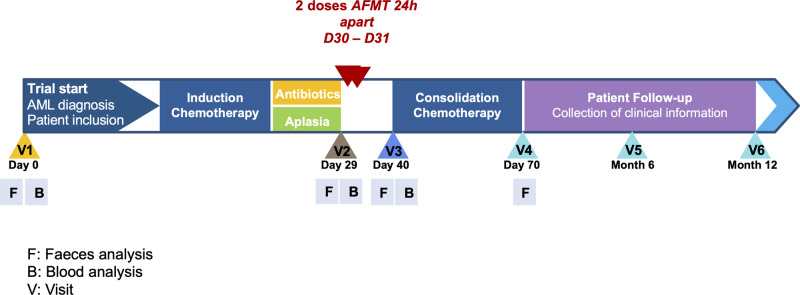 Figure 1
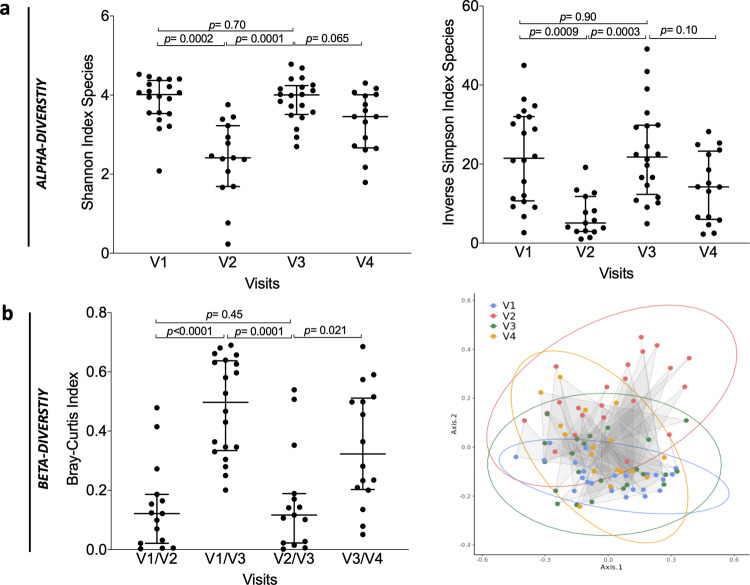 Figure 2
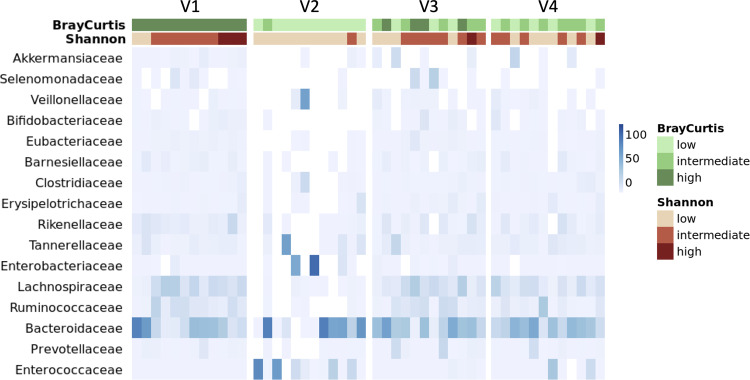 Figure 3
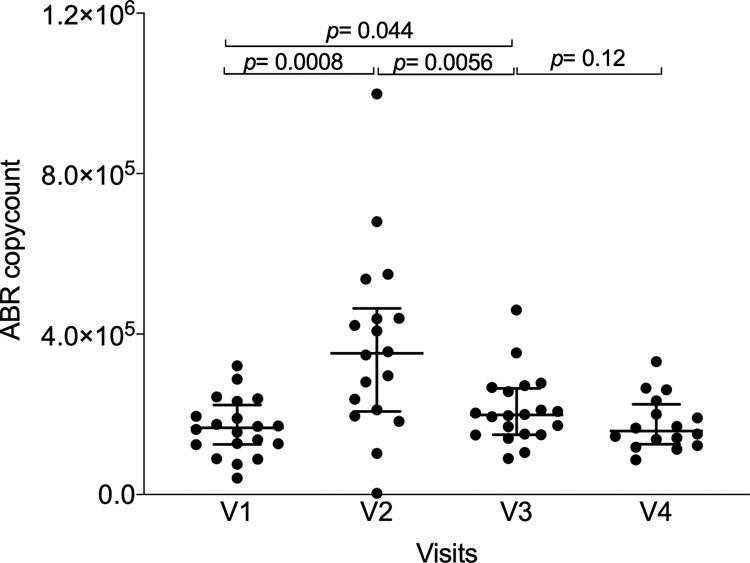 Figure 4
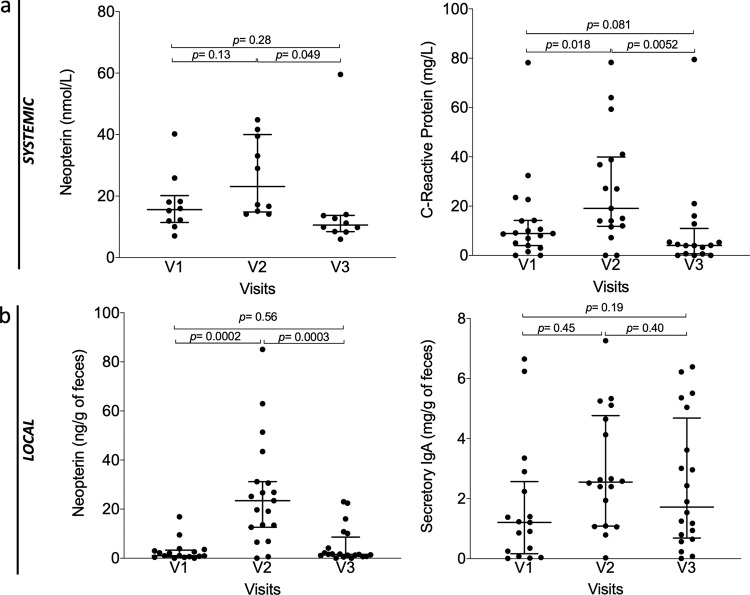 Figure 5
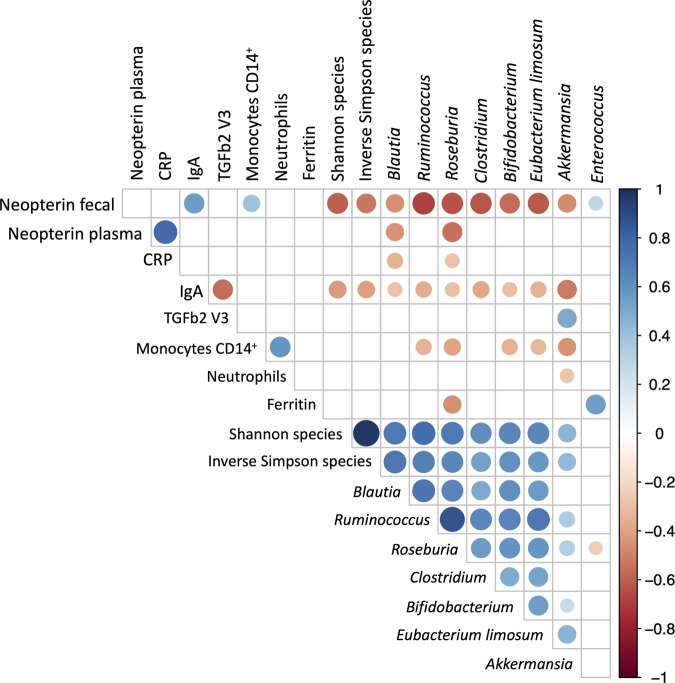 Figure 6
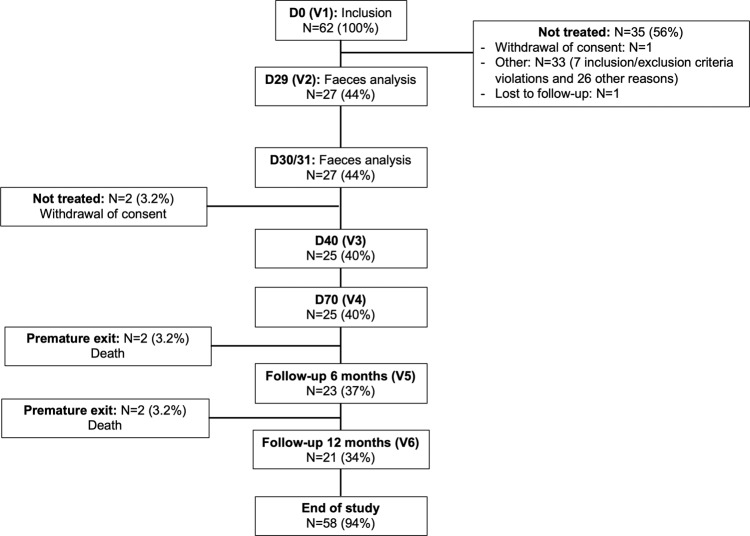 Figure 7
Peer Reviews
No public reviews on file for this paper yet. If you reviewed it on a platform where reviews are public (OpenReview, ICLR, NeurIPS, ICML), you can paste yours below so the community can read it here.
Videos
No videos yet. Explain this paper in a talk, walkthrough, or lecture? Add one.
Taxonomy
TopicsNeutropenia and Cancer Infections · Gut microbiota and health · Clostridium difficile and Clostridium perfringens research