N6-methyladenosine modification of HIV-1 RNA suppresses type-I interferon induction in differentiated monocytic cells and primary macrophages
Shuliang Chen, Sameer Kumar, Constanza E. Espada, Nagaraja Tirumuru, Michael P. Cahill, Lulu Hu, Chuan He, Li Wu, David T. Evans, Thomas J. Hope, David T. Evans, Thomas J. Hope, David T. Evans, Thomas J. Hope, David T. Evans, Thomas J. Hope

TL;DR
This study shows that N6-methyladenosine (m6A) modifications in HIV-1 RNA help the virus avoid triggering antiviral immune responses in myeloid cells.
Contribution
The study reveals a novel mechanism by which HIV-1 RNA m6A modifications suppress type-I interferon induction in monocytic cells and macrophages.
Findings
HIV-1 RNA with m6A modifications suppresses type-I interferon (IFN-I) expression in differentiated monocytic cells and macrophages.
Reduced m6A levels in HIV-1 RNA enhance IFN-I expression, indicating m6A's role in evading innate immune sensing.
m6A-modified HIV-1 RNA escapes RIG-I-mediated sensing and activation of IRF3 and IRF7 transcription factors.
Abstract
N6-methyladenosine (m6A) is a prevalent RNA modification that plays a key role in regulating eukaryotic cellular mRNA functions. RNA m6A modification is regulated by two groups of cellular proteins, writers and erasers that add or remove m6A, respectively. HIV-1 RNA contains m6A modifications that modulate viral infection and gene expression in CD4+ T cells. However, it remains unclear whether m6A modifications of HIV-1 RNA modulate innate immune responses in myeloid cells that are important for antiviral immunity. Here we show that m6A modification of HIV-1 RNA suppresses the expression of antiviral cytokine type-I interferon (IFN-I) in differentiated human monocytic cells and primary monocyte-derived macrophages. Transfection of differentiated monocytic U937 cells with HIV-1 RNA fragments containing a single m6A-modification significantly reduced IFN-I mRNA expression relative to…
Genes, proteins, chemicals, diseases, species, mutations and cell lines named across the full text — each resolved to its canonical identifier and authoritative record.
Click any figure to enlarge with its caption.
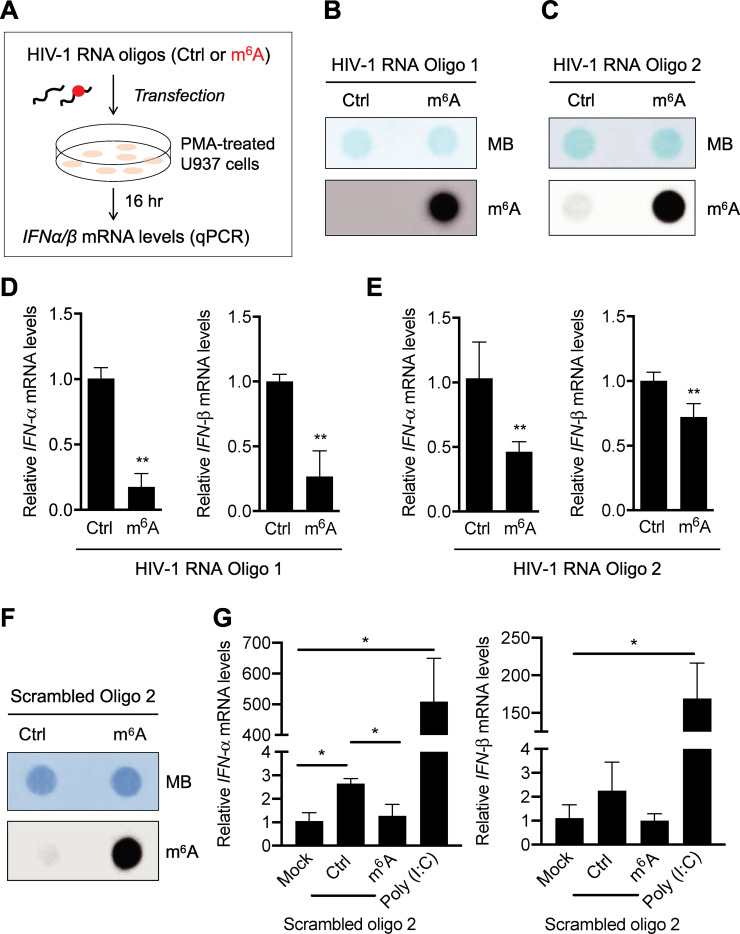 Figure 1
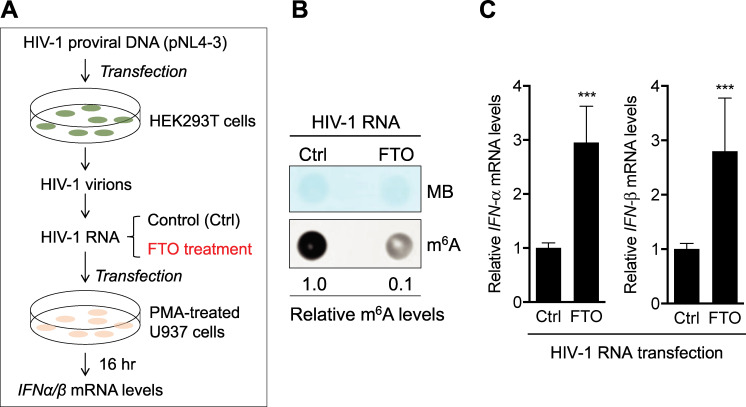 Figure 2
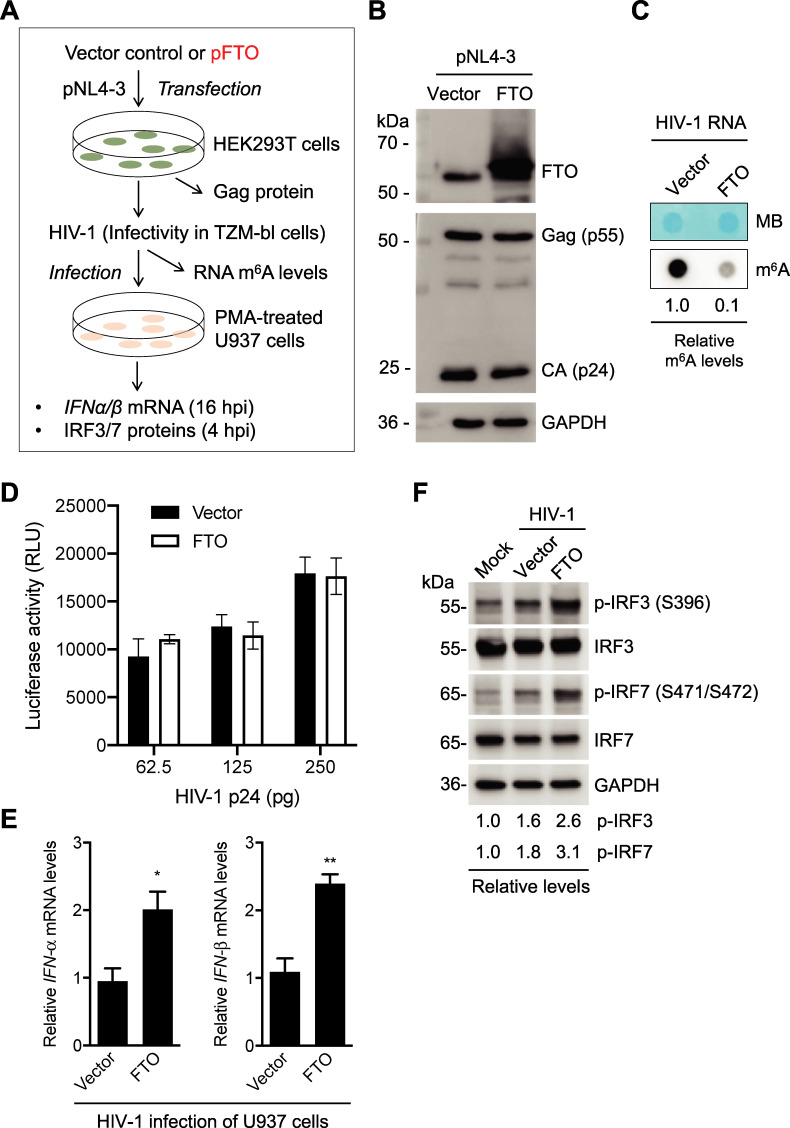 Figure 3
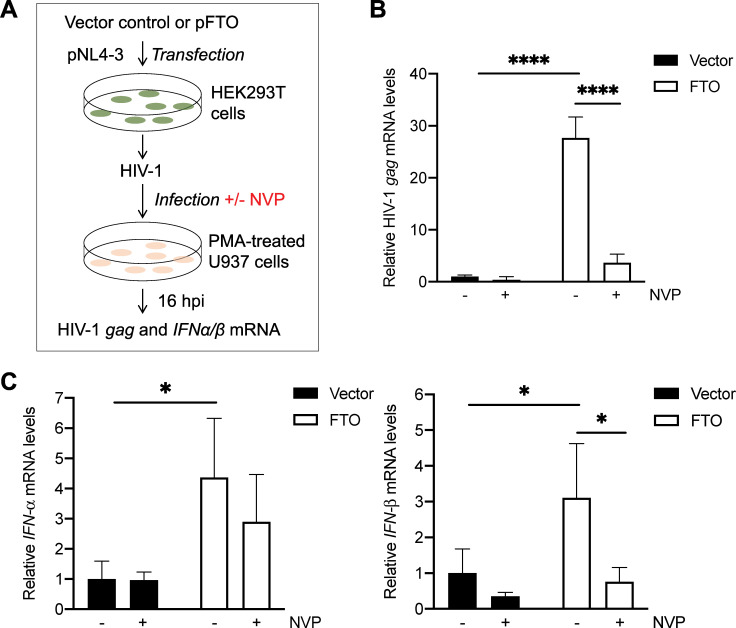 Figure 4
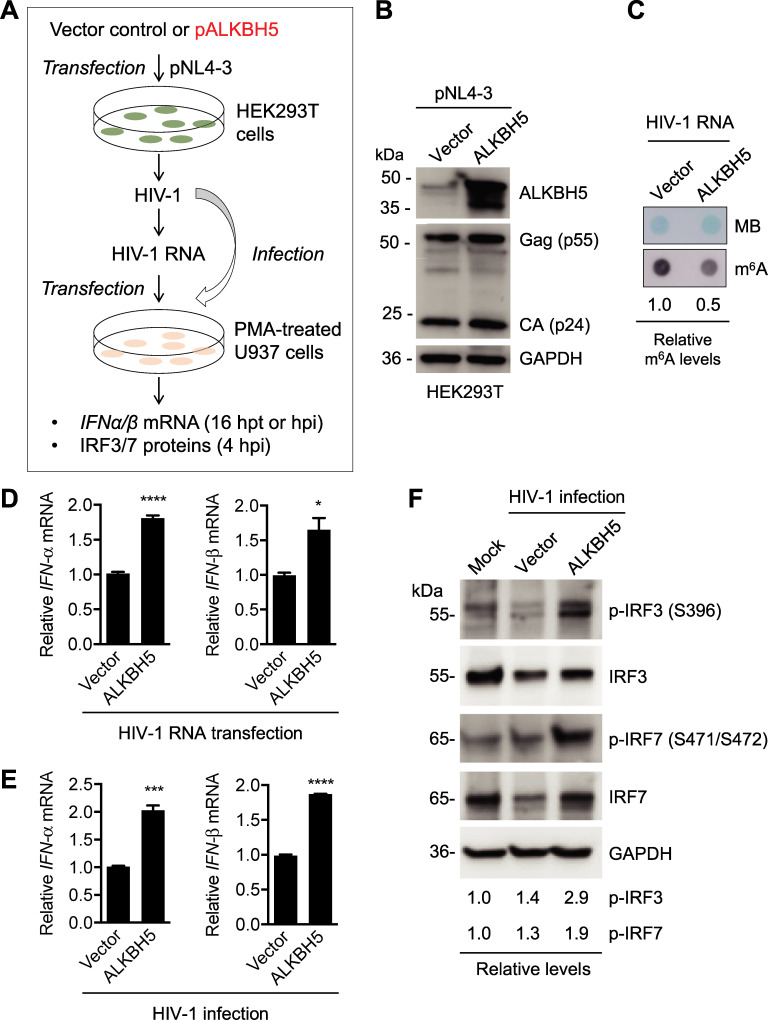 Figure 5
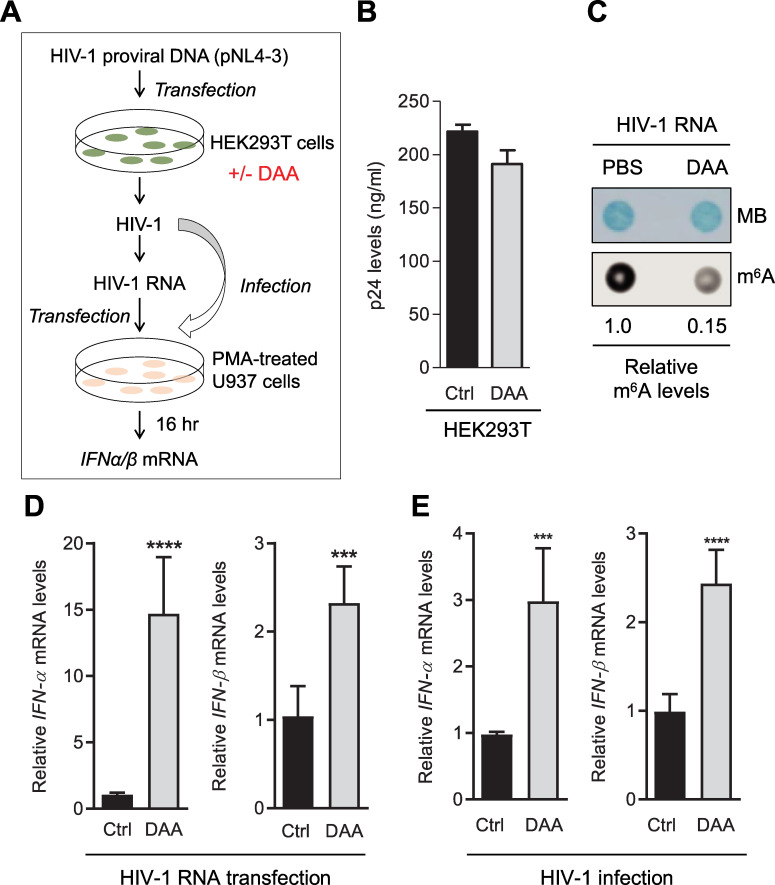 Figure 6
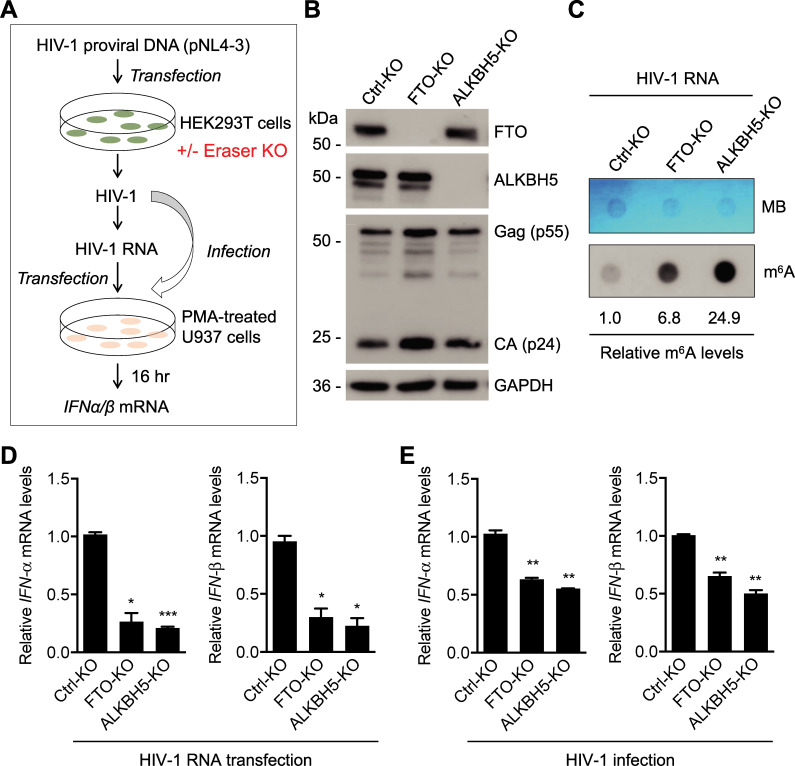 Figure 7
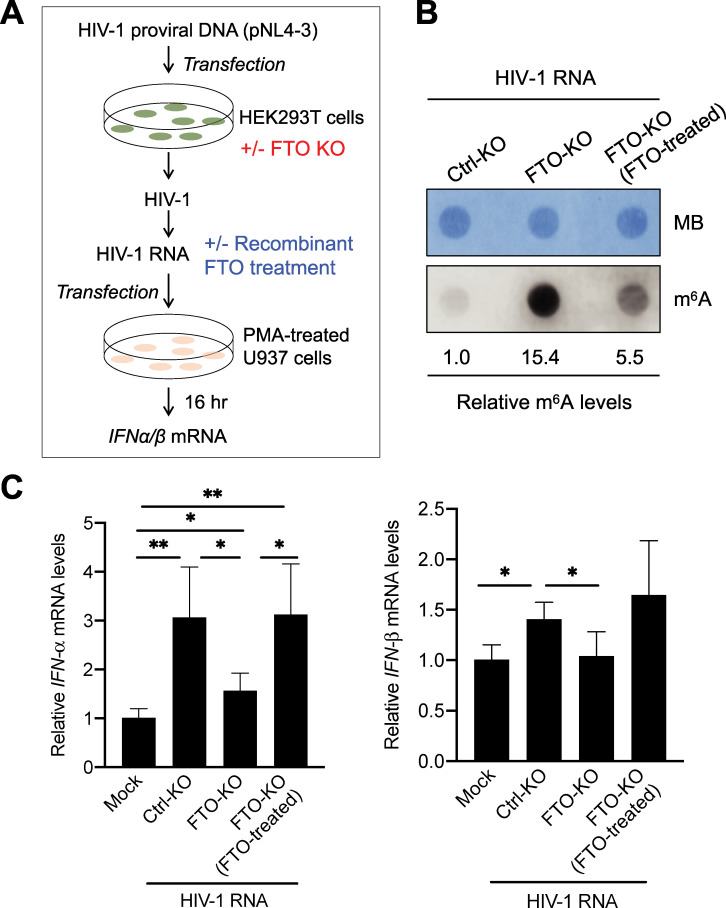 Figure 8
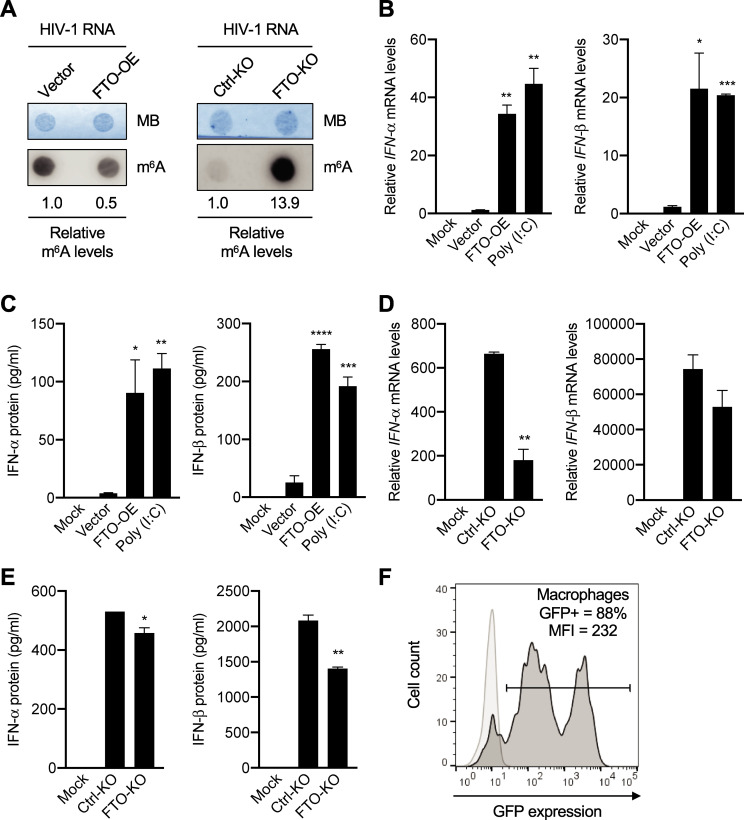 Figure 9
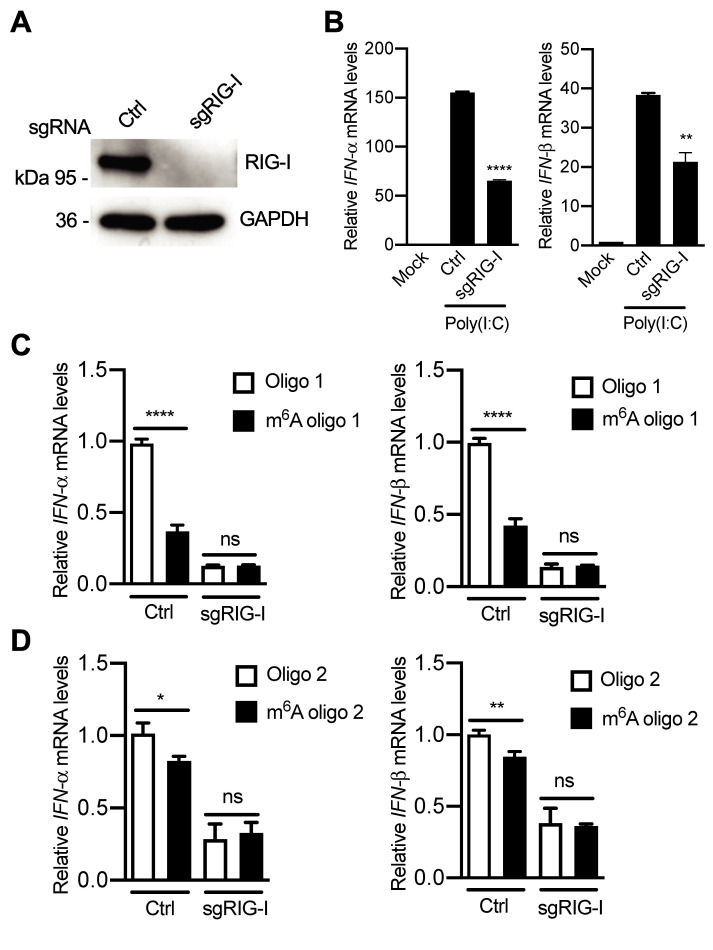 Figure 10
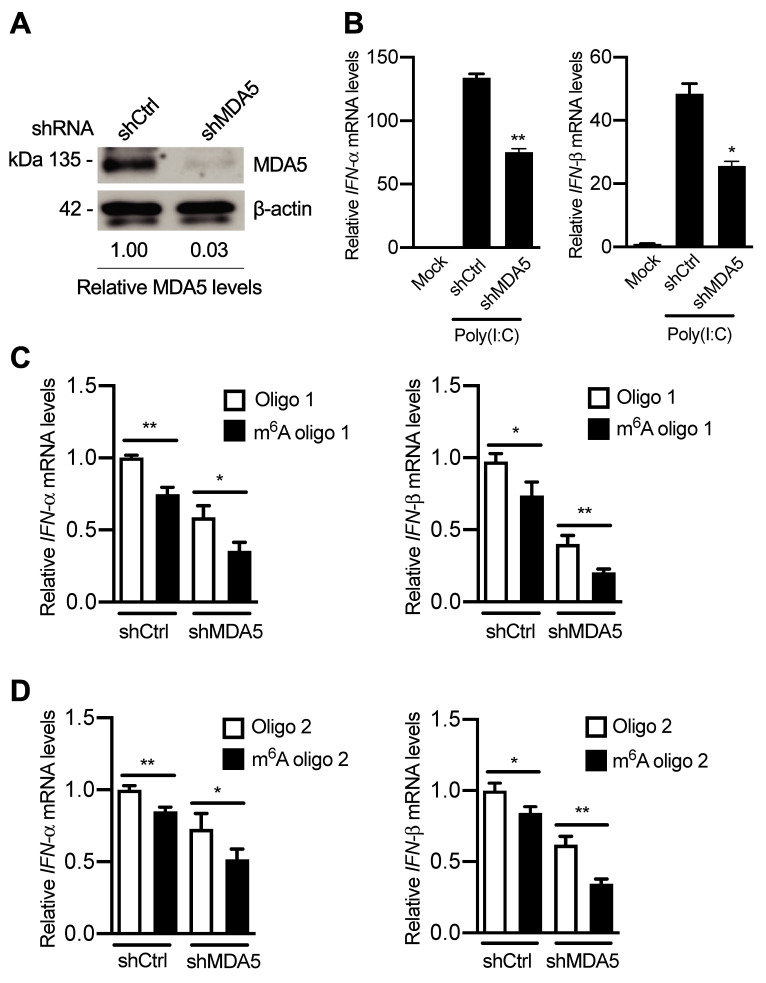 Figure 11
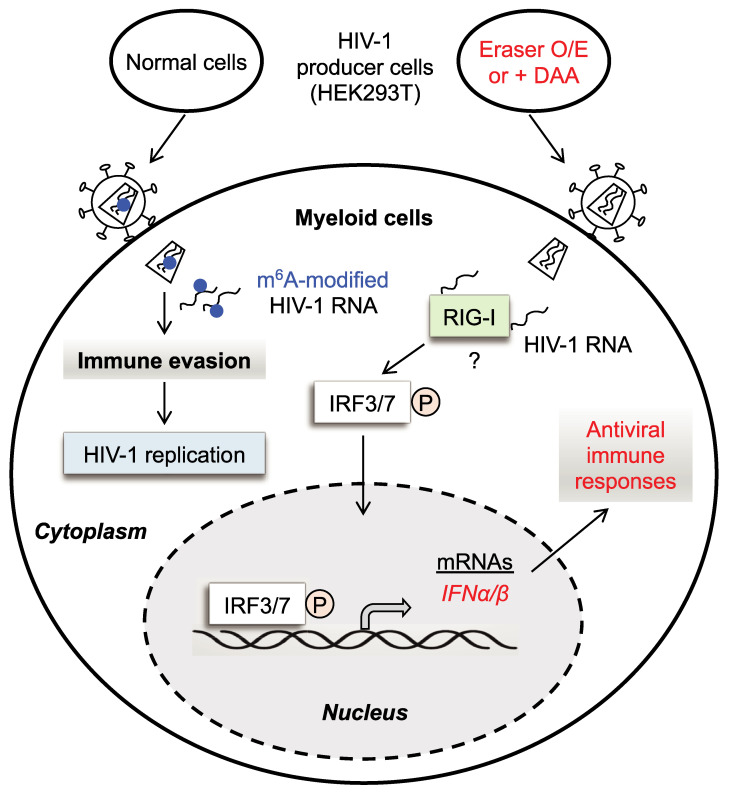 Figure 12
Peer Reviews
No public reviews on file for this paper yet. If you reviewed it on a platform where reviews are public (OpenReview, ICLR, NeurIPS, ICML), you can paste yours below so the community can read it here.
Videos
No videos yet. Explain this paper in a talk, walkthrough, or lecture? Add one.
Taxonomy
TopicsRNA modifications and cancer · RNA Research and Splicing · Cancer-related molecular mechanisms research