A Pilot Study Using Frequent Inpatient Assessments of Suicidal Thinking to Predict Short-Term Postdischarge Suicidal Behavior
Shirley B. Wang, Daniel D. L. Coppersmith, Evan M. Kleiman, Kate H. Bentley, Alexander J. Millner, Rebecca Fortgang, Patrick Mair, Walter Dempsey, Jeff C. Huffman, Matthew K. Nock

TL;DR
This study shows that tracking changes in suicidal thoughts during hospitalization can better predict suicide attempts after discharge compared to traditional methods.
Contribution
The study introduces dynamic modeling of real-time suicidal thinking as a novel approach to improve postdischarge suicide risk prediction.
Findings
Models using dynamic changes in suicidal thoughts had the highest predictive accuracy (AUC of 0.89).
Rapid fluctuations in suicidal thinking were the strongest predictors of postdischarge suicide attempts.
Survey noncompletion emerged as an important predictor of suicide attempts after discharge.
Abstract
Can prediction of suicide attempts after psychiatric hospitalization be improved using frequent assessments of the level and variability of an individual’s suicidal thoughts? In this prognostic study of 83 adult psychiatric inpatients, prediction of posthospital suicide attempts was fair when using only baseline data, improved in a model using mean level of suicidal thinking during hospitalization, and improved further in a model including dynamic features of suicidal thoughts. These findings suggest that data on real-time, dynamic changes in suicidal thoughts could improve prediction of suicide attempts during the high-risk period following psychiatric hospitalization. This prognostic study tests whether modeling dynamic changes in real-time suicidal thoughts during psychiatric hospitalization can improve predictions of postdischarge suicide attempts vs using only baseline data or…
Genes, proteins, chemicals, diseases, species, mutations and cell lines named across the full text — each resolved to its canonical identifier and authoritative record.
Click any figure to enlarge with its caption.
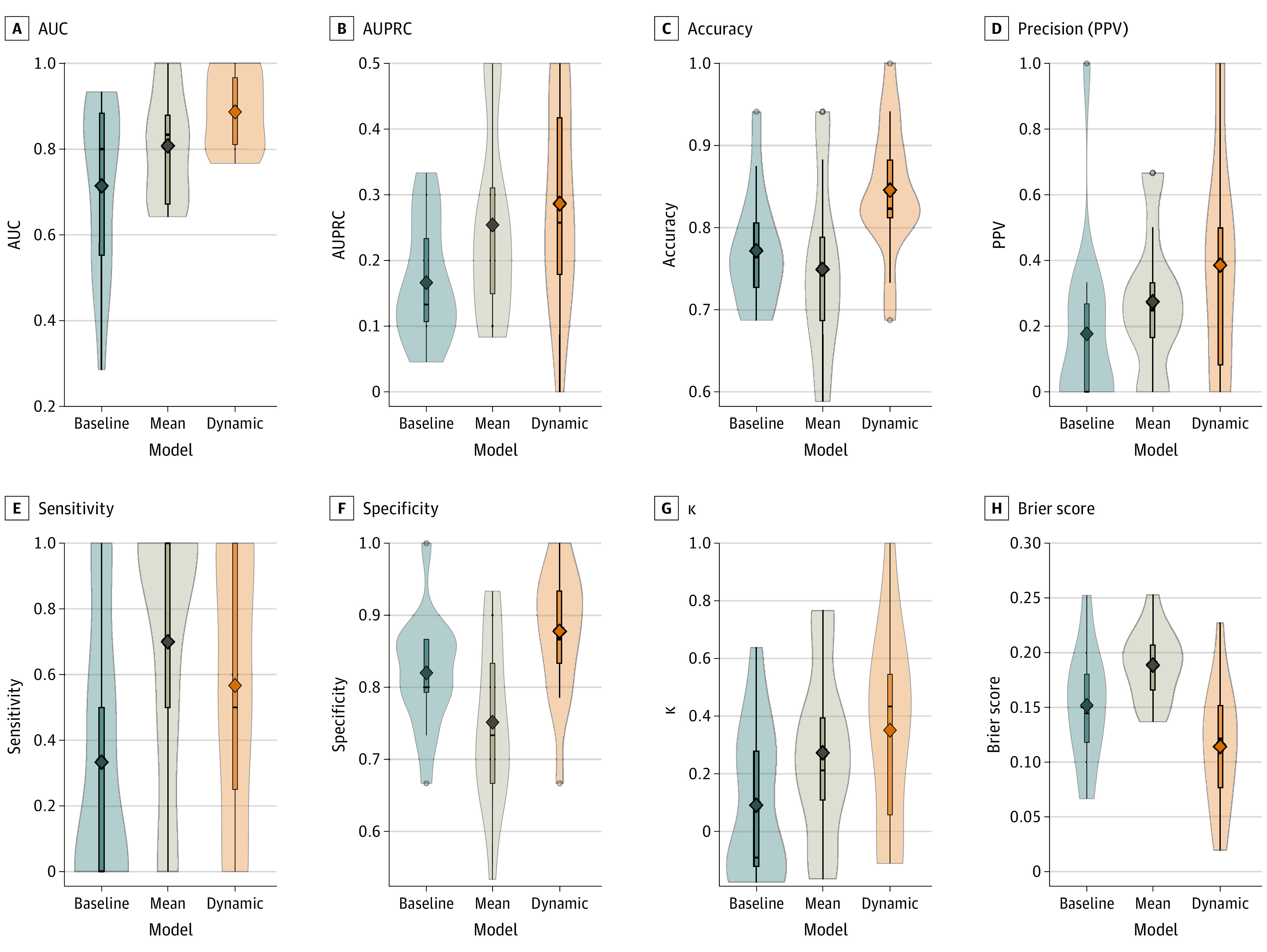 Figure 1
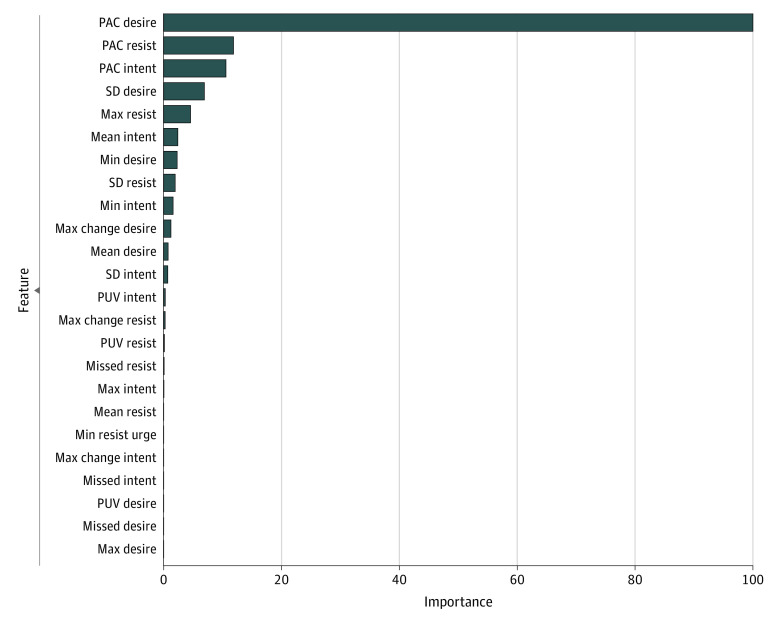 Figure 2
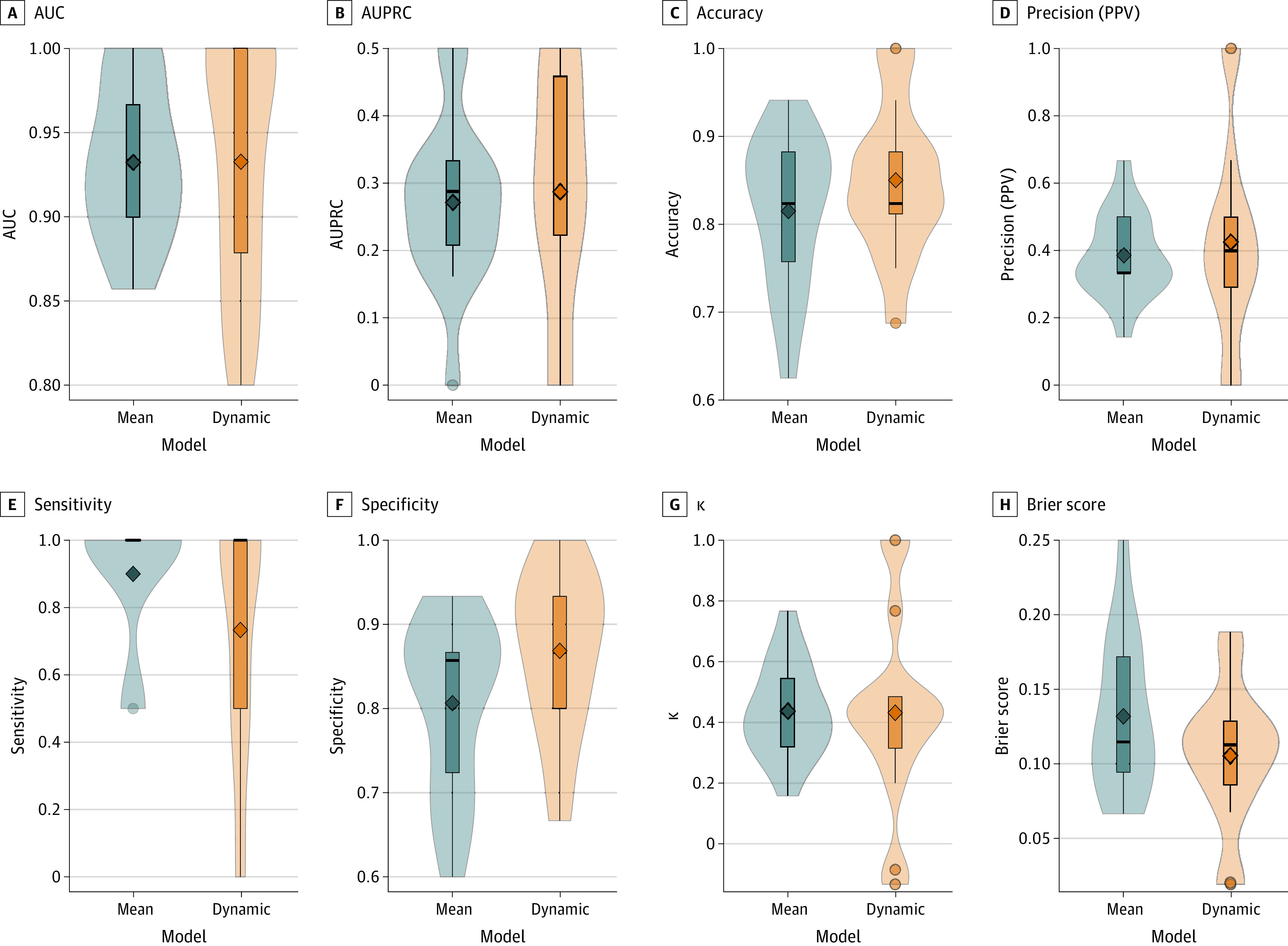 Figure 3
Peer Reviews
No public reviews on file for this paper yet. If you reviewed it on a platform where reviews are public (OpenReview, ICLR, NeurIPS, ICML), you can paste yours below so the community can read it here.
Videos
No videos yet. Explain this paper in a talk, walkthrough, or lecture? Add one.
Taxonomy
TopicsSuicide and Self-Harm Studies · Mental Health Research Topics · Mental Health Treatment and Access