Inhibitory effect of PPARγ on NLRP3 inflammasome activation
Ching-Chun Yang, Chih-Hsing Wu, Ta-Chun Lin, Yi-Ning Cheng, Chin-Sung Chang, Kuo-Ting Lee, Pei-Jane Tsai, Yau-Sheng Tsai

TL;DR
This study shows that PPARγ can suppress NLRP3 inflammasome activation, offering a potential treatment for metabolic diseases.
Contribution
The novel finding is that PPARγ interacts with NLRP3 to inhibit inflammasome activation, providing a new therapeutic target.
Findings
PPARγ agonist rosiglitazone reduces caspase-1 and IL-1β maturation during NLRP3 activation.
PPARγ interferes with NLRP3 inflammasome formation by disrupting key protein interactions.
Obese patients showed reduced NLRP3 activity after weight-loss surgery, linked to PPARγ levels.
Abstract
Rationale: Stimulation of the NLRP3 inflammasome by metabolic byproducts is known to result in inflammatory responses and metabolic diseases. However, how the host controls aberrant NLRP3 inflammasome activation remains unclear. PPARγ, a known regulator of energy metabolism, plays an anti-inflammatory role through the inhibition of NF-κB activation and additionally attenuates NLRP3-dependent IL-1β and IL-18 production. Therefore, we hypothesized that PPARγ serves as an endogenous modulator that attenuates NLRP3 inflammasome activation in macrophages. Methods: Mouse peritoneal macrophages with exposure to a PPARγ agonist at different stages and the NLRP3 inflammasome-reconstituted system in HEK293T cells were used to investigate the additional anti-inflammatory effect of PPARγ on NLRP3 inflammasome regulation. Circulating mononuclear cells of obese patients with weight-loss surgery were…
Genes, proteins, chemicals, diseases, species, mutations and cell lines named across the full text — each resolved to its canonical identifier and authoritative record.
Click any figure to enlarge with its caption.
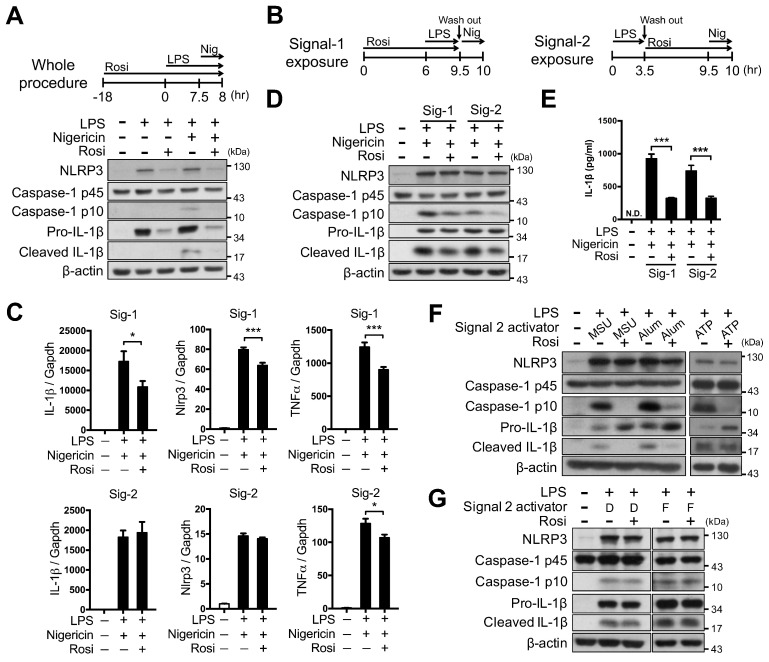 Figure 1
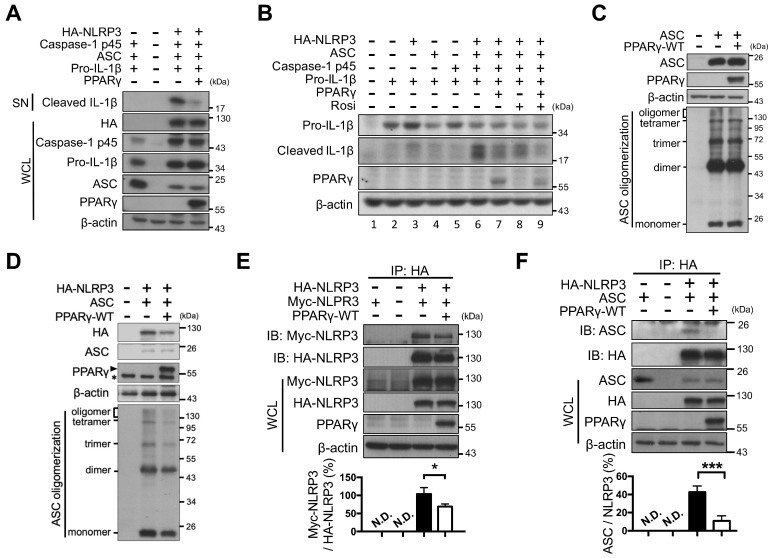 Figure 2
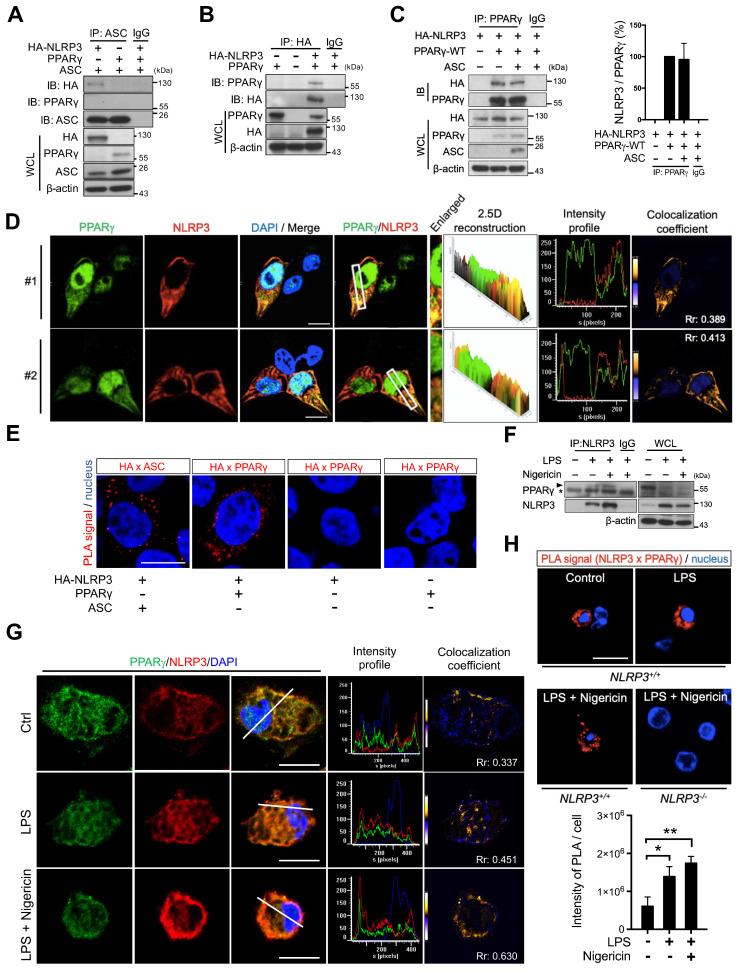 Figure 3
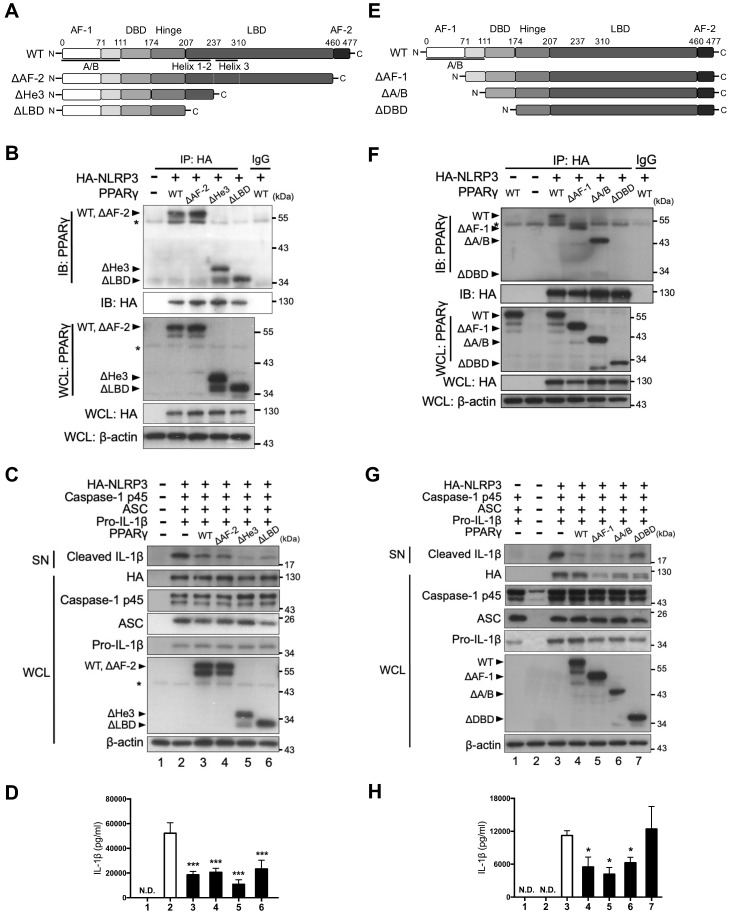 Figure 4
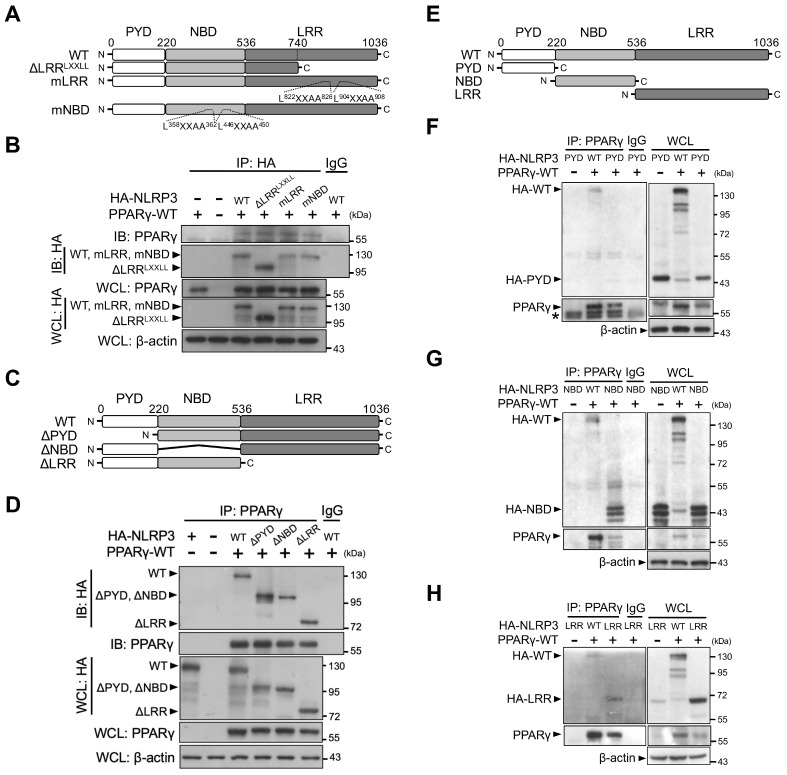 Figure 5
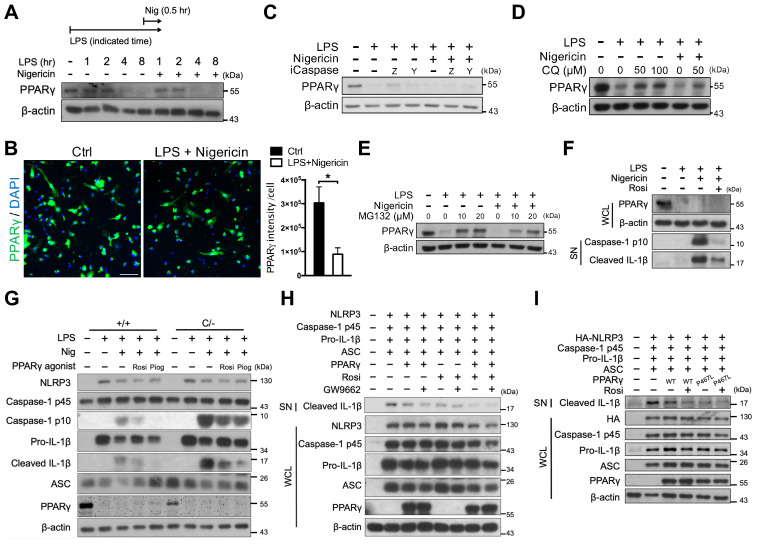 Figure 6
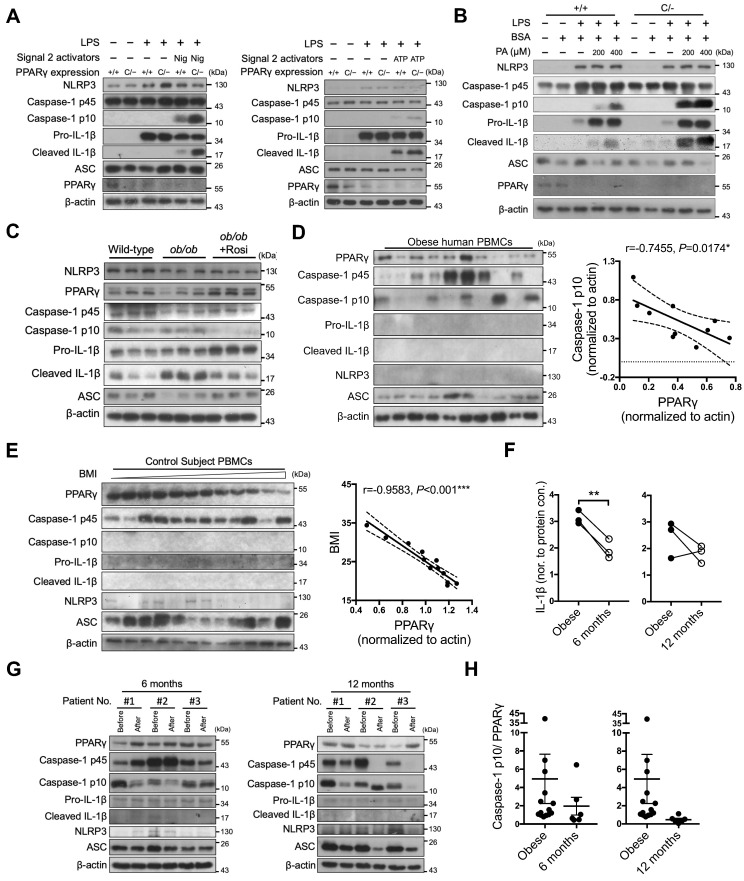 Figure 7
Peer Reviews
No public reviews on file for this paper yet. If you reviewed it on a platform where reviews are public (OpenReview, ICLR, NeurIPS, ICML), you can paste yours below so the community can read it here.
Videos
No videos yet. Explain this paper in a talk, walkthrough, or lecture? Add one.
Taxonomy
TopicsInflammasome and immune disorders · Peroxisome Proliferator-Activated Receptors · Eicosanoids and Hypertension Pharmacology