Organoid modeling of human fetal lung alveolar development reveals mechanisms of cell fate patterning and neonatal respiratory disease
Kyungtae Lim, Alex P.A. Donovan, Walfred Tang, Dawei Sun, Peng He, J. Patrick Pett, Sarah A. Teichmann, John C. Marioni, Kerstin B. Meyer, Andrea H. Brand, Emma L. Rawlins

TL;DR
This study uses organoids to model human fetal lung development and uncovers how cell interactions and genetic factors influence alveolar cell fate and disease.
Contribution
The study introduces a human fetal lung organoid system to investigate alveolar development and disease mechanisms.
Findings
Alveolar-fated epithelial progenitors can be grown as self-organizing organoids.
Wnt signaling from fibroblasts promotes alveolar-type-2 cell identity.
NKX2.1 regulates alveolar differentiation and is affected by genetic variation.
Abstract
Variation in lung alveolar development is strongly linked to disease susceptibility. However, underlying cellular and molecular mechanisms are difficult to study in humans. We have identified an alveolar-fated epithelial progenitor in human fetal lungs, which we grow as self-organizing organoids that model key aspects of cell lineage commitment. Using this system, we have functionally validated cell-cell interactions in the developing human alveolar niche, showing that Wnt signaling from differentiating fibroblasts promotes alveolar-type-2 cell identity, whereas myofibroblasts secrete the Wnt inhibitor, NOTUM, providing spatial patterning. We identify a Wnt-NKX2.1 axis controlling alveolar differentiation. Moreover, we show that differential binding of NKX2.1 coordinates alveolar maturation, allowing us to model the effects of human genetic variation in NKX2.1 on alveolar…
Genes, proteins, chemicals, diseases, species, mutations and cell lines named across the full text — each resolved to its canonical identifier and authoritative record.
Click any figure to enlarge with its caption.
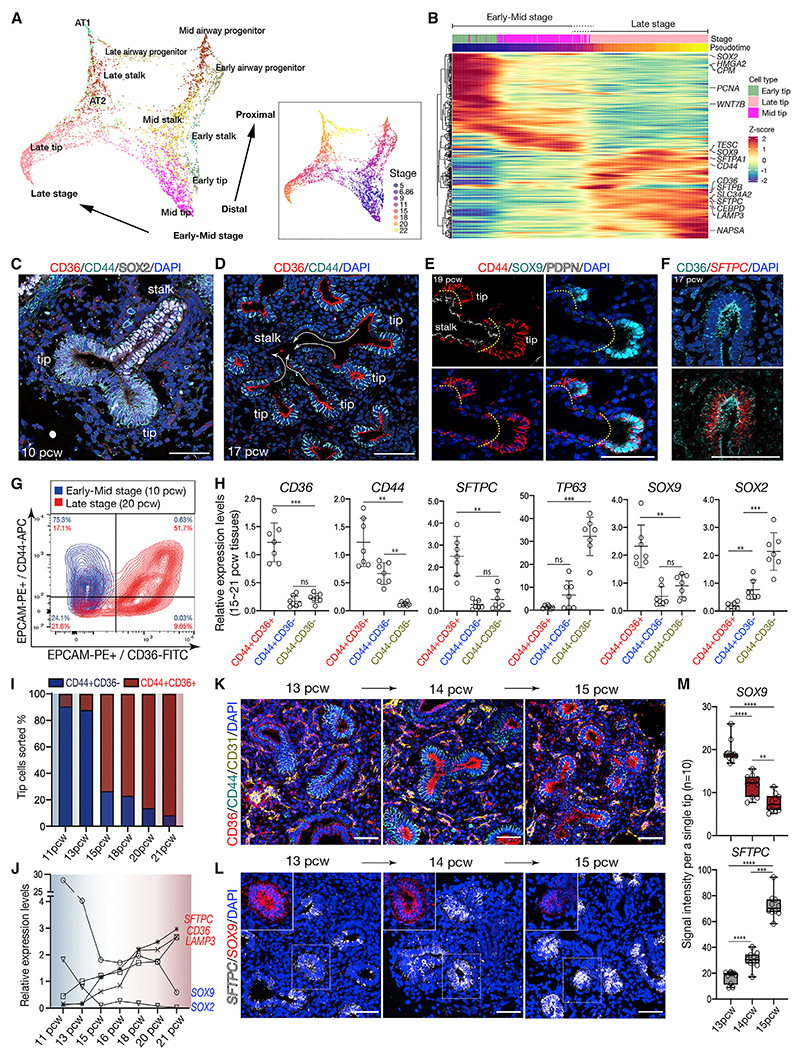 Figure 1
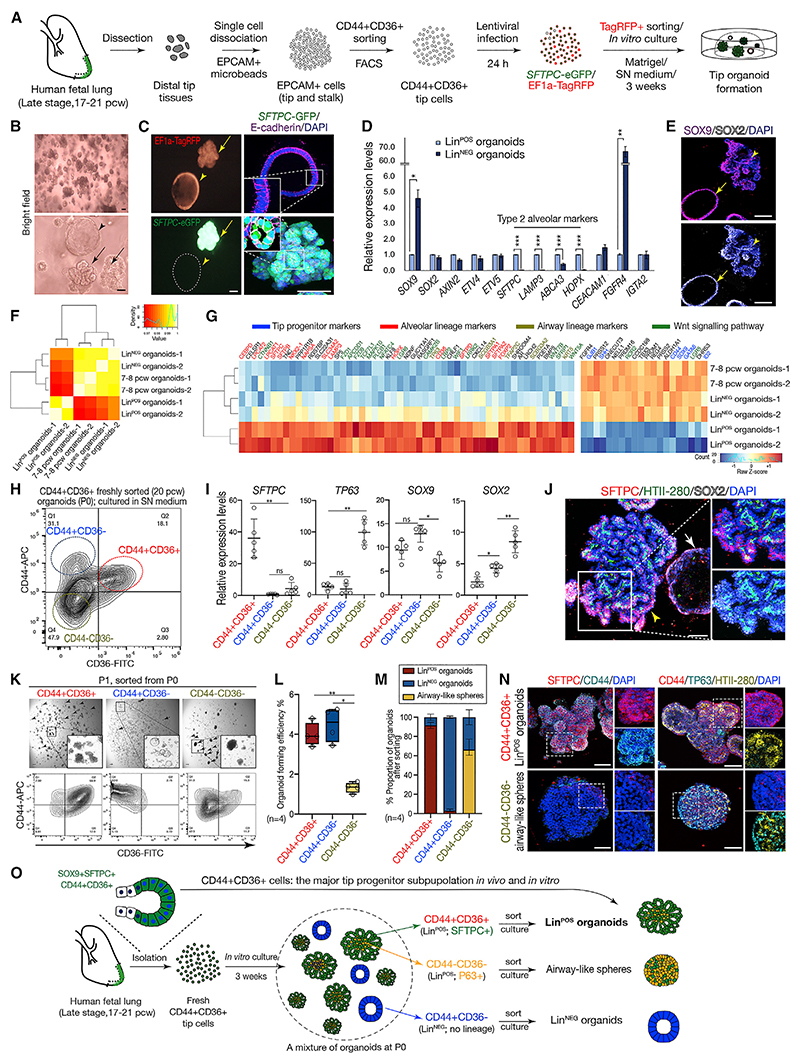 Figure 2
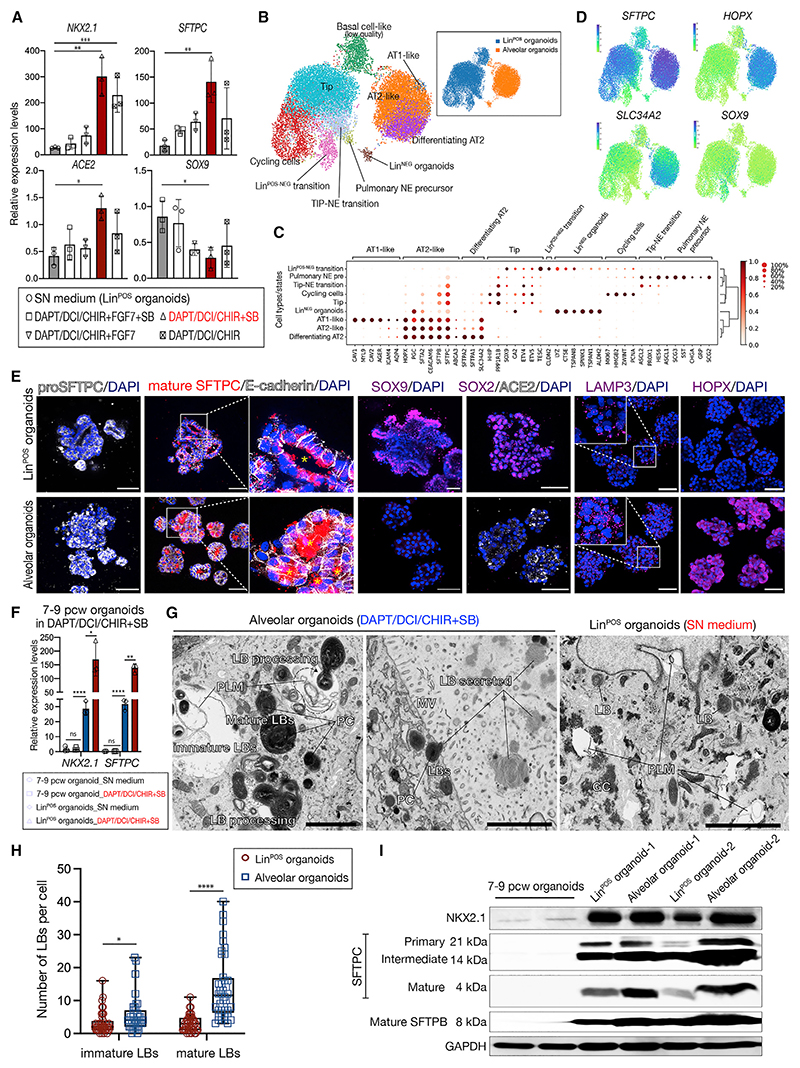 Figure 3
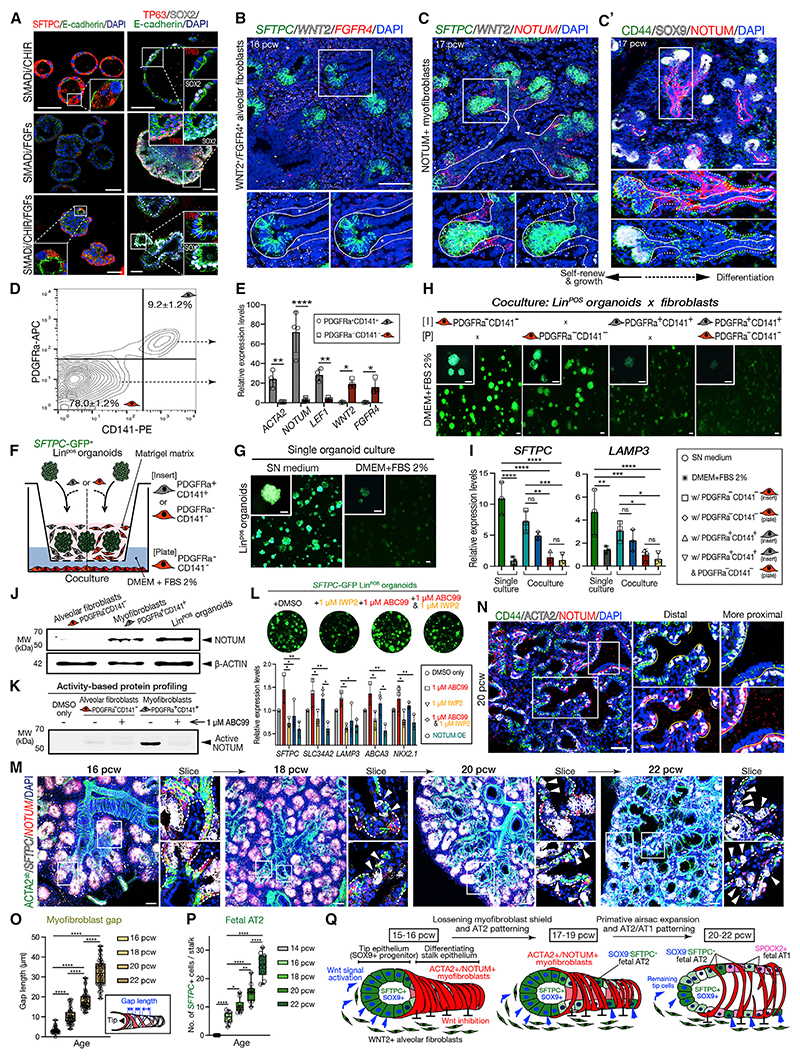 Figure 4
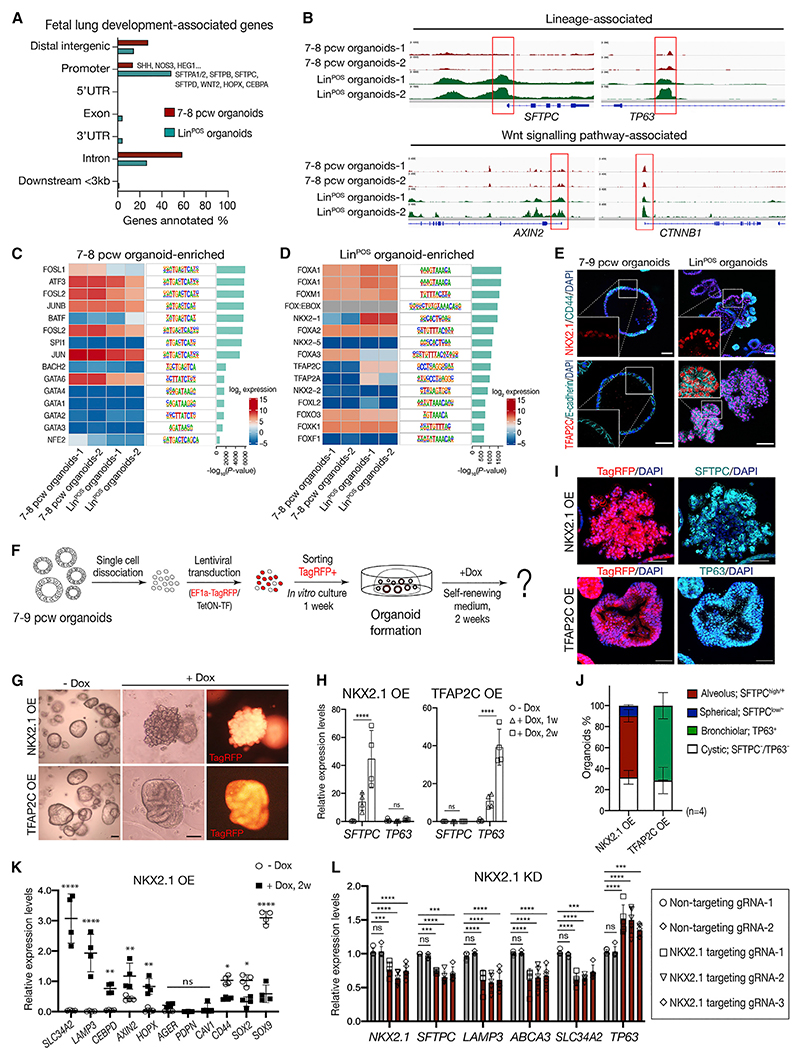 Figure 5
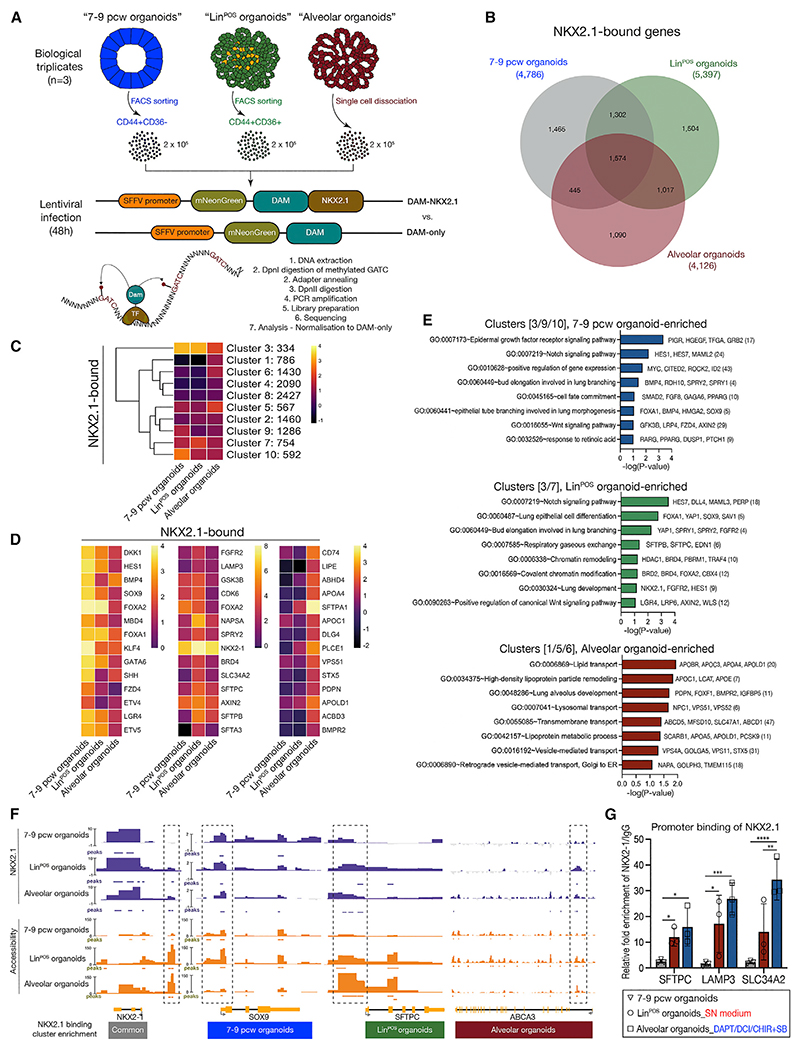 Figure 6
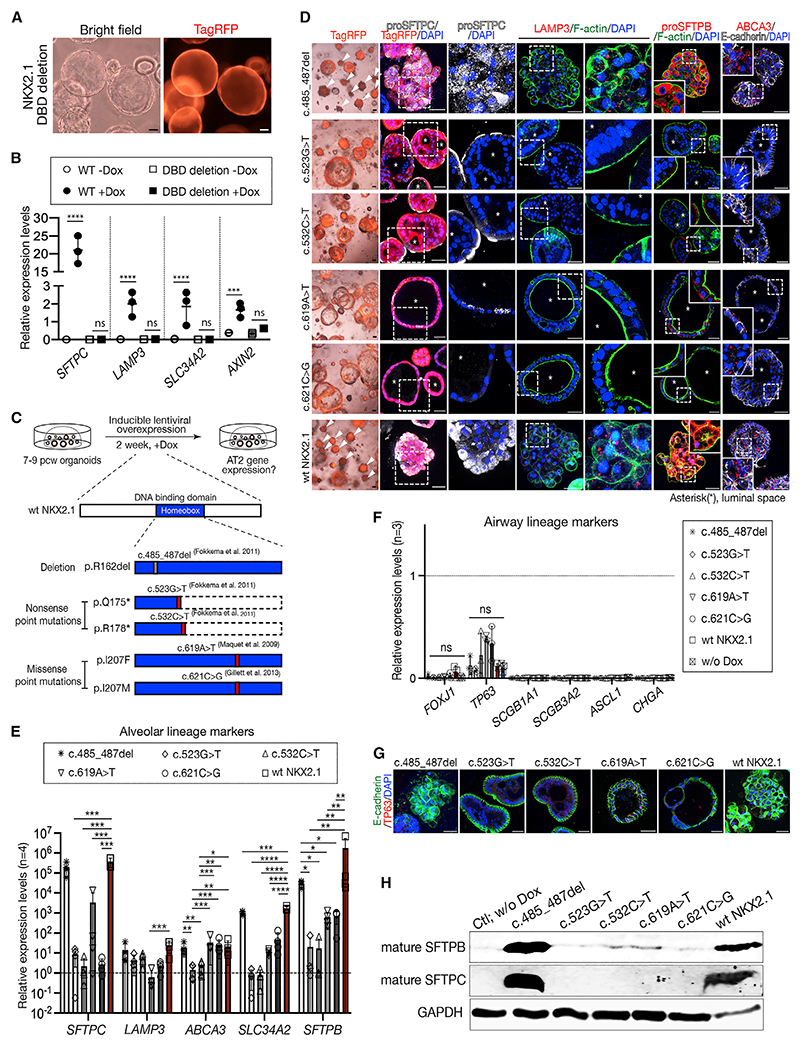 Figure 7
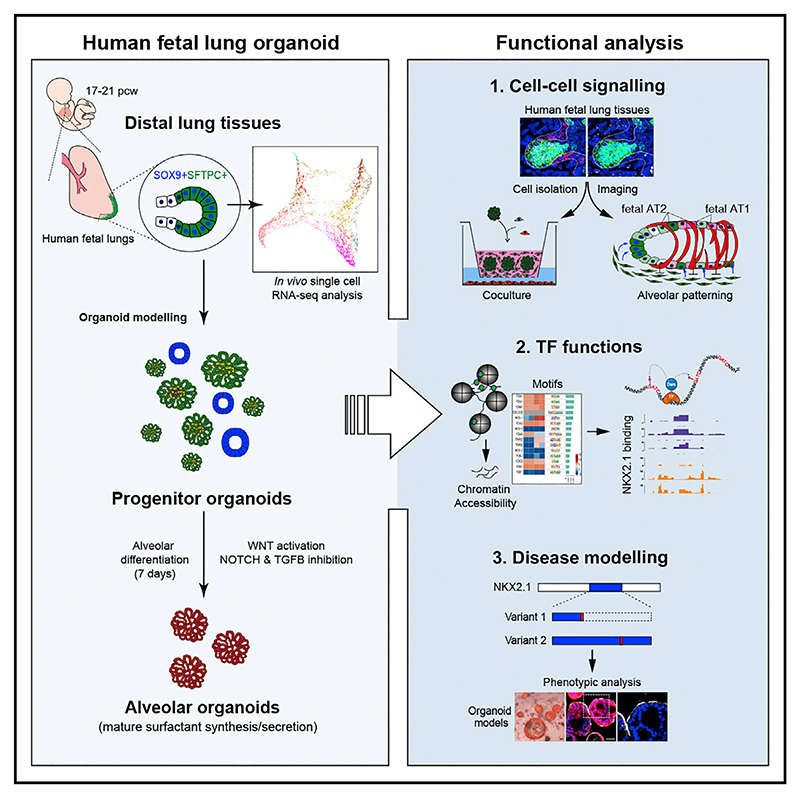 Figure 8
Peer Reviews
No public reviews on file for this paper yet. If you reviewed it on a platform where reviews are public (OpenReview, ICLR, NeurIPS, ICML), you can paste yours below so the community can read it here.
Videos
No videos yet. Explain this paper in a talk, walkthrough, or lecture? Add one.
Taxonomy
TopicsNeonatal Respiratory Health Research · Congenital Diaphragmatic Hernia Studies · Renal and related cancers