Evaluation of the Biodegradation Efficiency of Four Various Types of Plastics by Pseudomonas aeruginosa Isolated from the Gut Extract of Superworms
Hyun Min Lee, Hong Rae Kim, Eunbeen Jeon, Hee Cheol Yu, Sukkyoo Lee, Jiaojie Li, Dae-Hwan Kim

TL;DR
This study shows that Pseudomonas aeruginosa from superworm guts can efficiently break down four types of plastics, with polyethylene degrading the fastest.
Contribution
The study demonstrates the biodegradation of four plastics by P. aeruginosa and identifies varying degradation rates.
Findings
Pseudomonas aeruginosa efficiently biodegrades PS, PPS, PE, and PP.
Polyethylene (PE) was biodegraded the fastest, while polypropylene (PP) was the slowest.
Bacterial growth rates did not always match biodegradation rates, indicating complex metabolic interactions.
Abstract
Plastic waste worldwide is becoming a serious pollution problem for the planet. Various physical and chemical methods have been tested in attempts to remove plastic dumps. However, these have usually resulted in secondary pollution issues. Recently, the biodegradation of plastic by fungal and bacterial strains has been spotlighted as a promising solution to remove plastic wastes without generating secondary pollution. We have previously reported that a Pseudomonas aeruginosa strain isolated from the gut of a superworm is capable of biodegrading polystyrene (PS) and polyphenylene sulfide (PPS). Herein, we demonstrate the extraordinary biodegradative power of P. aeruginosa in efficiently depolymerizing four different types of plastics: PS, PPS, polyethylene (PE) and polypropylene (PP). We further compared biodegradation rates for these four plastic types and found that PE was biodegraded…
Genes, proteins, chemicals, diseases, species, mutations and cell lines named across the full text — each resolved to its canonical identifier and authoritative record.
Click any figure to enlarge with its caption.
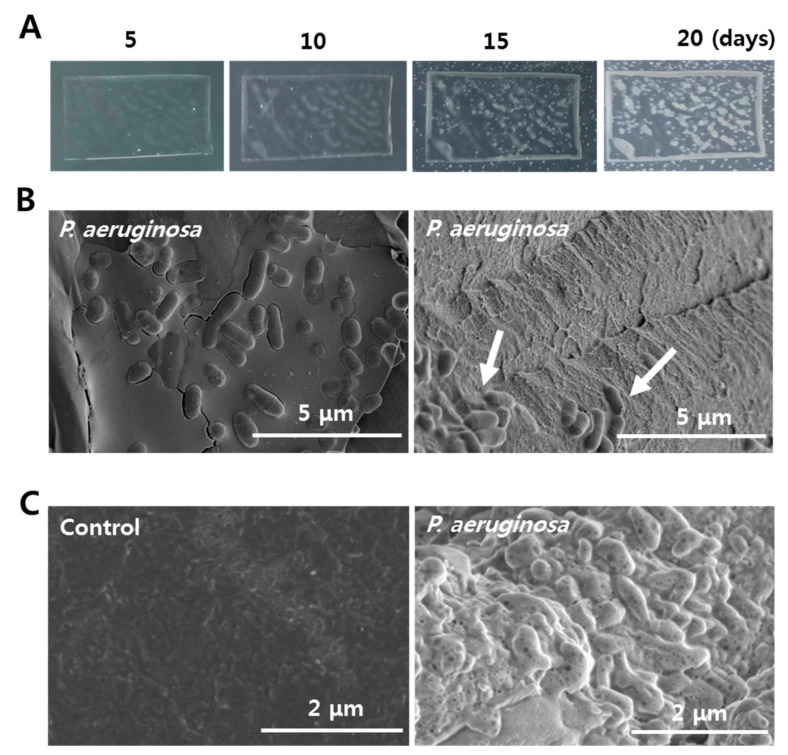 Figure 1
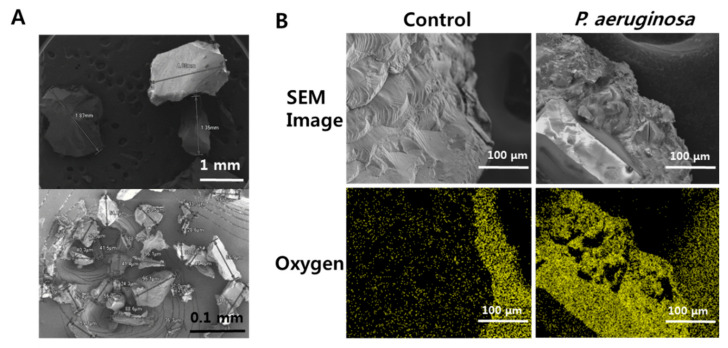 Figure 2
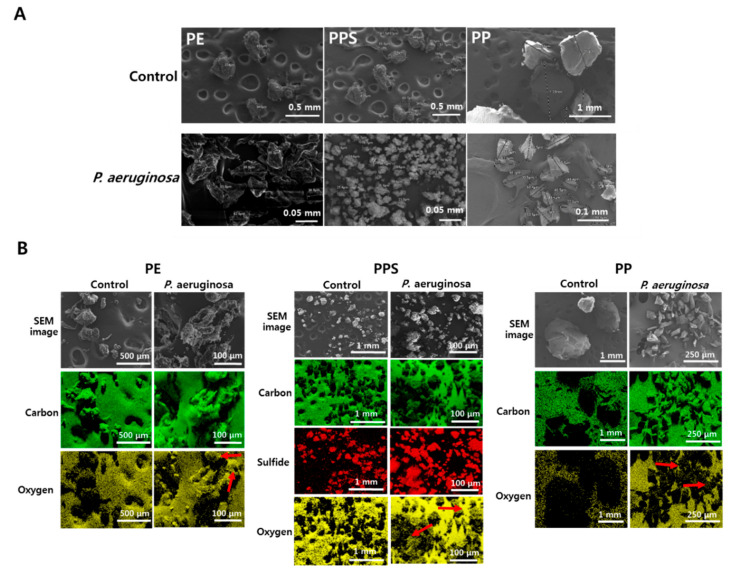 Figure 3
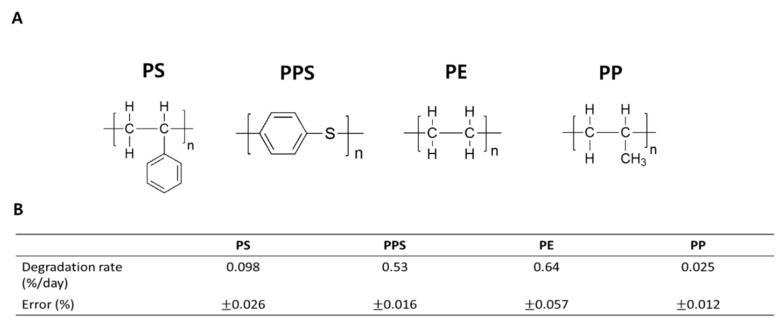 Figure 4
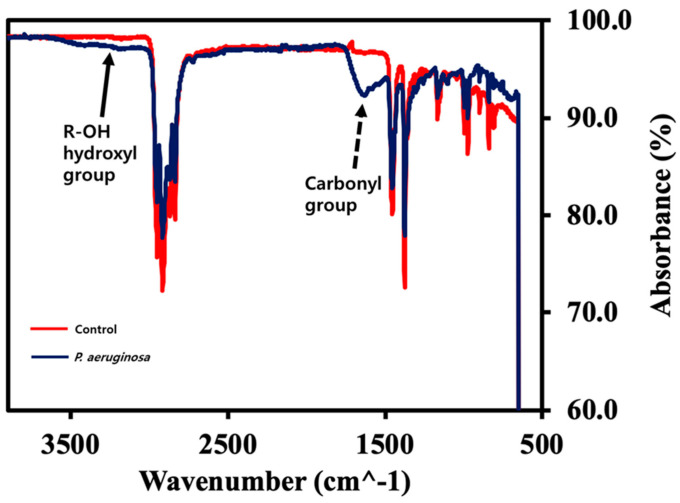 Figure 5
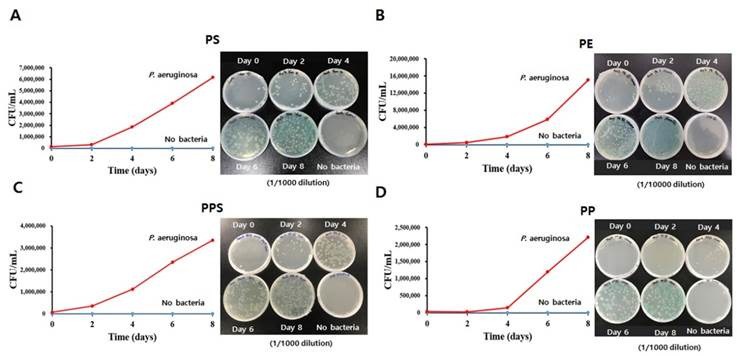 Figure 6
Peer Reviews
No public reviews on file for this paper yet. If you reviewed it on a platform where reviews are public (OpenReview, ICLR, NeurIPS, ICML), you can paste yours below so the community can read it here.
Videos
No videos yet. Explain this paper in a talk, walkthrough, or lecture? Add one.
Taxonomy
TopicsMicroplastics and Plastic Pollution · biodegradable polymer synthesis and properties · Antimicrobial agents and applications