Flame Retardant Polypropylenes: A Review
Farzad Seidi, Elnaz Movahedifar, Ghasem Naderi, Vahideh Akbari, Franck Ducos, Ramin Shamsi, Henri Vahabi, Mohammad Reza Saeb

TL;DR
This paper reviews flame retardant additives for polypropylene to help researchers choose the best options for reducing flammability.
Contribution
A comprehensive classification and evaluation of flame retardants for polypropylene using the Flame Retardancy Index (FRI).
Findings
Flame retardants are categorized as phosphorus-based, nitrogen-based, mineral, carbon-based, bio-based, or hybrid.
PP composites are classified as Poor, Good, or Excellent based on flame retardancy performance using FRI.
Correlations between FRI and other criteria like UL-94 and LOI are explored for performance evaluation.
Abstract
Polypropylene (PP) is a commodity plastic known for high rigidity and crystallinity, which is suitable for a wide range of applications. However, high flammability of PP has always been noticed by users as a constraint; therefore, a variety of additives has been examined to make PP flame-retardant. In this work, research papers on the flame retardancy of PP have been comprehensively reviewed, classified in terms of flame retardancy, and evaluated based on the universal dimensionless criterion of Flame Retardancy Index (FRI). The classification of additives of well-known families, i.e., phosphorus-based, nitrogen-based, mineral, carbon-based, bio-based, and hybrid flame retardants composed of two or more additives, was reflected in FRI mirror calculated from cone calorimetry data, whatever heat flux and sample thickness in a given series of samples. PP composites were categorized in…
Genes, proteins, chemicals, diseases, species, mutations and cell lines named across the full text — each resolved to its canonical identifier and authoritative record.
Click any figure to enlarge with its caption.
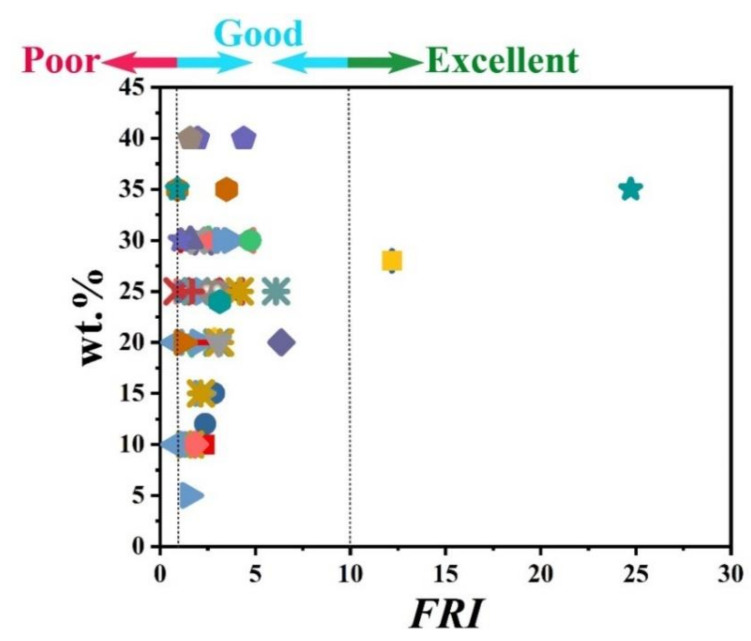 Figure 1
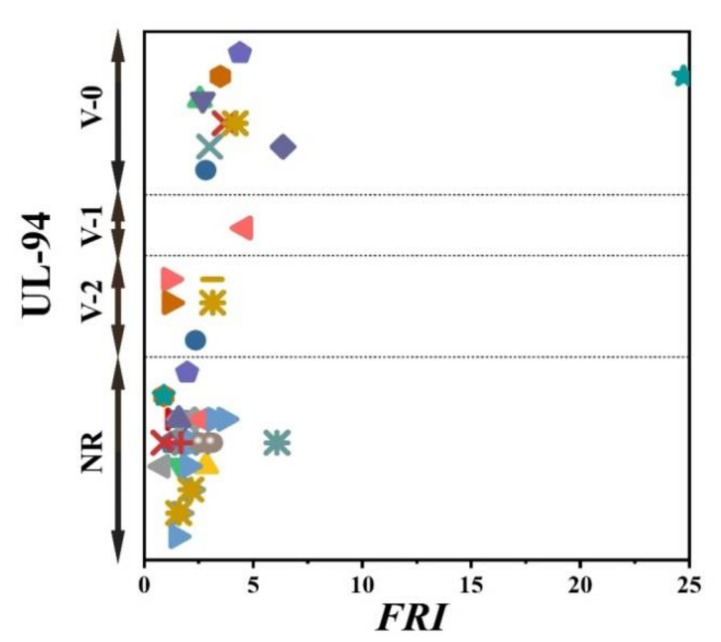 Figure 2
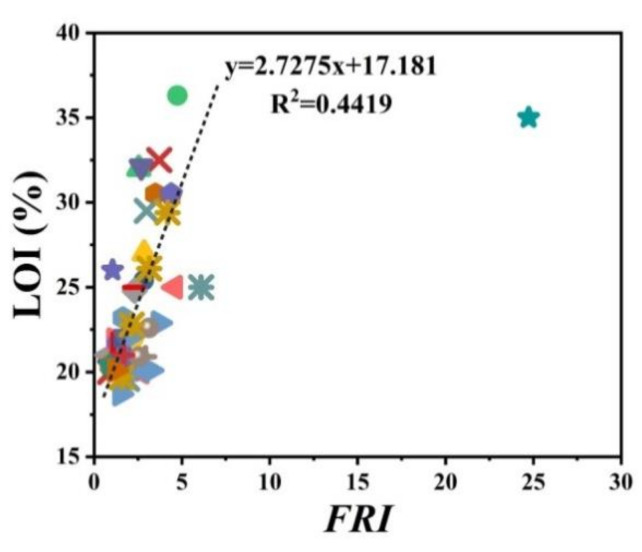 Figure 3
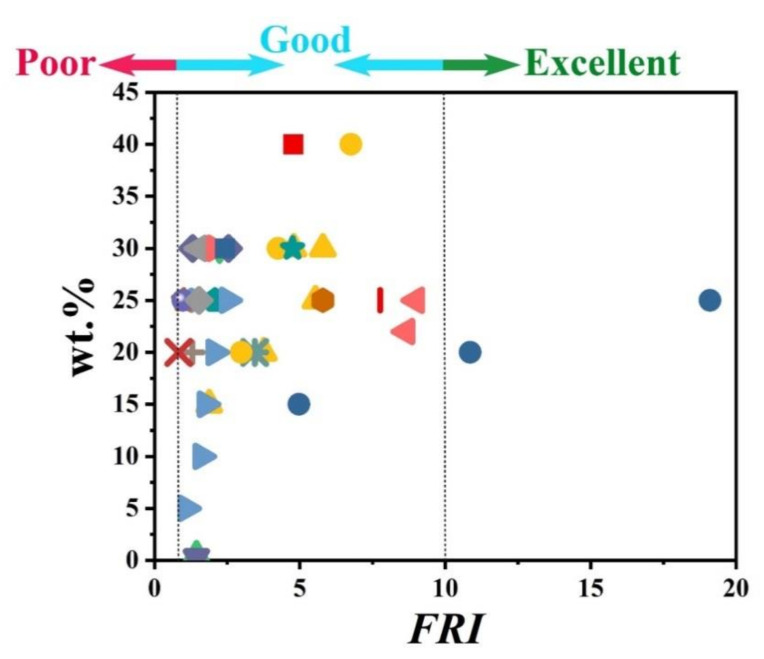 Figure 4
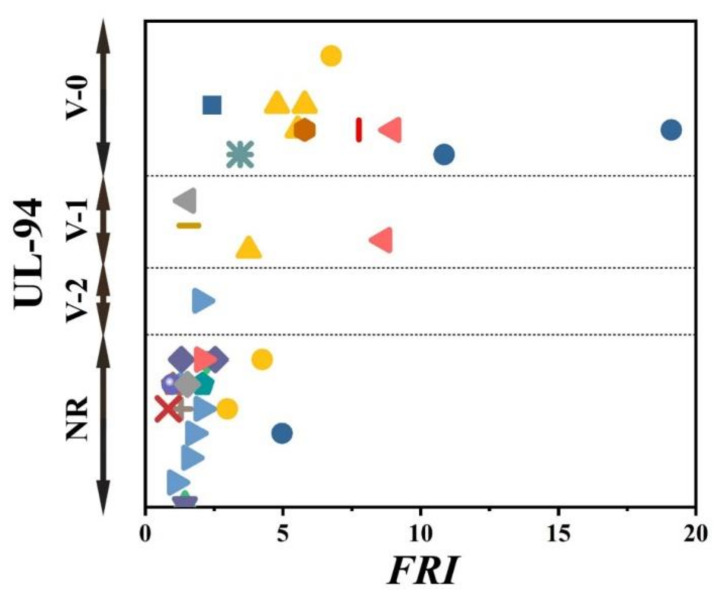 Figure 5
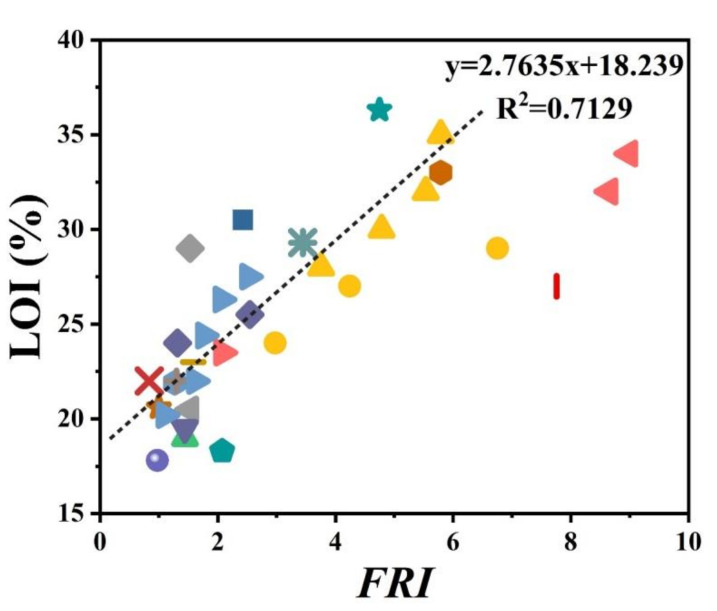 Figure 6
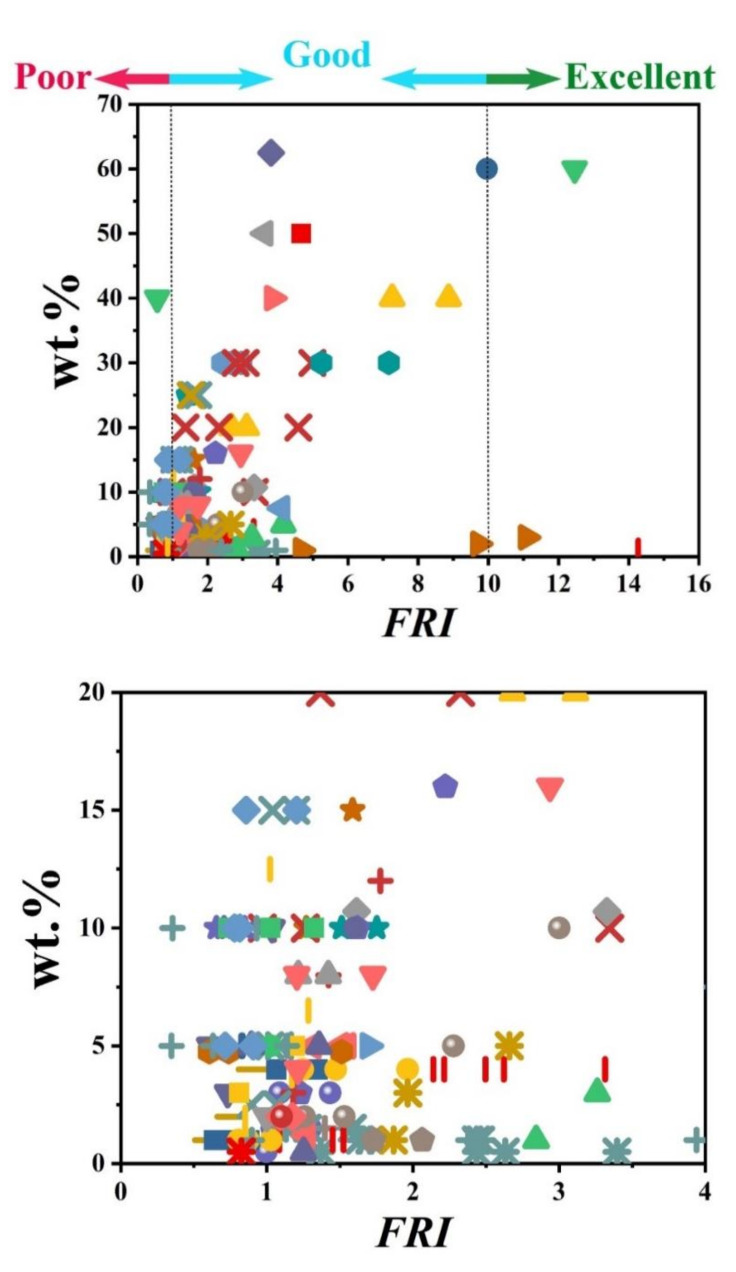 Figure 7
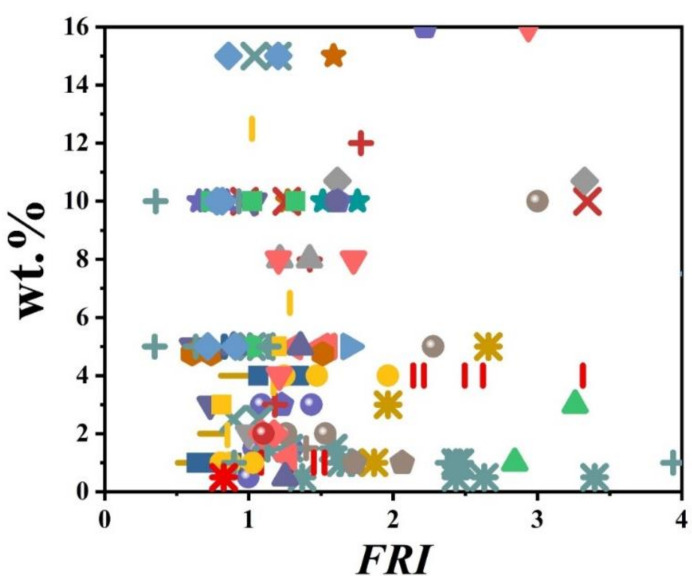 Figure 8
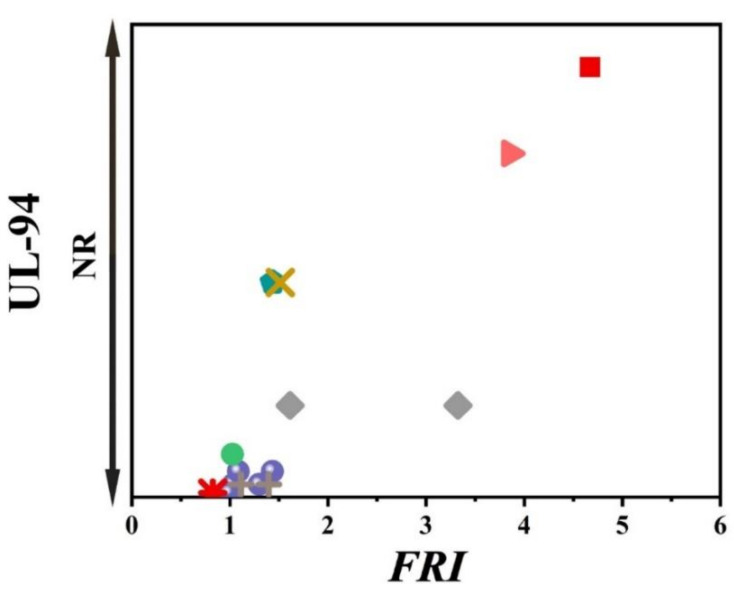 Figure 9
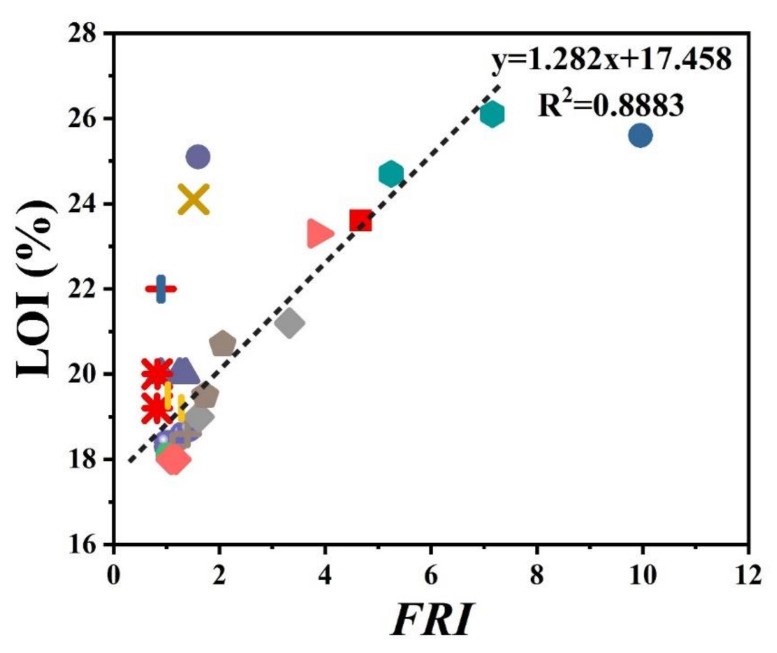 Figure 10
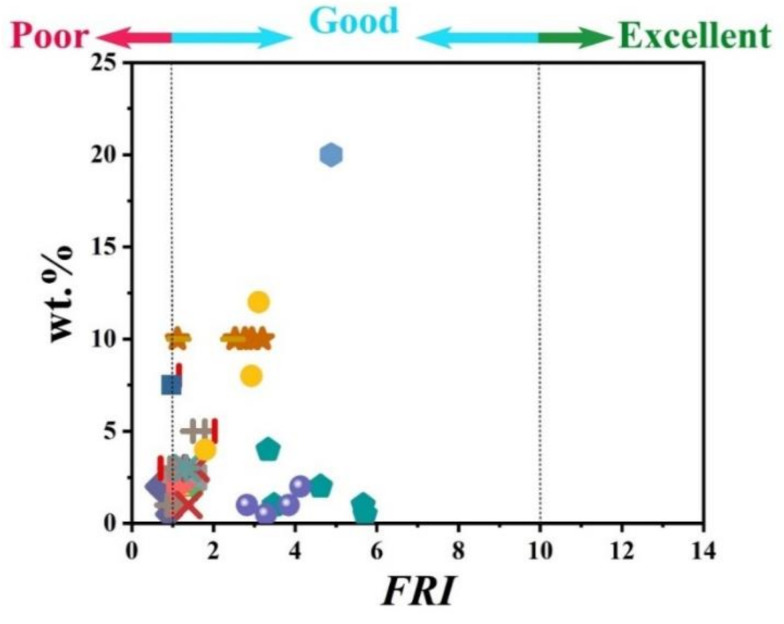 Figure 11
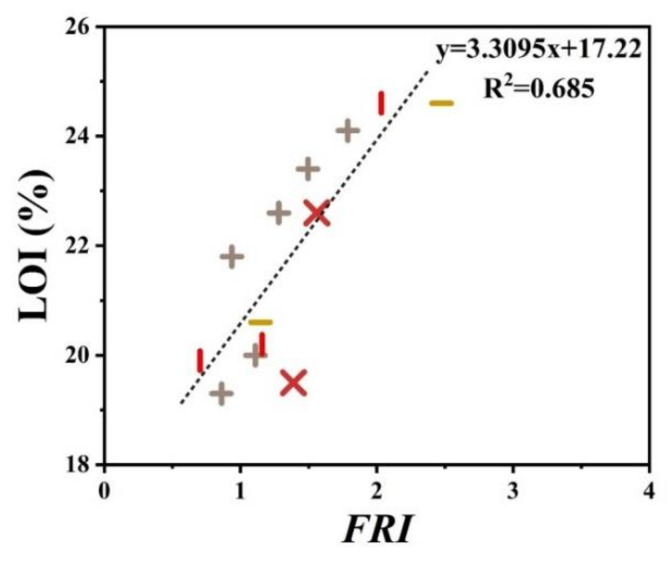 Figure 12
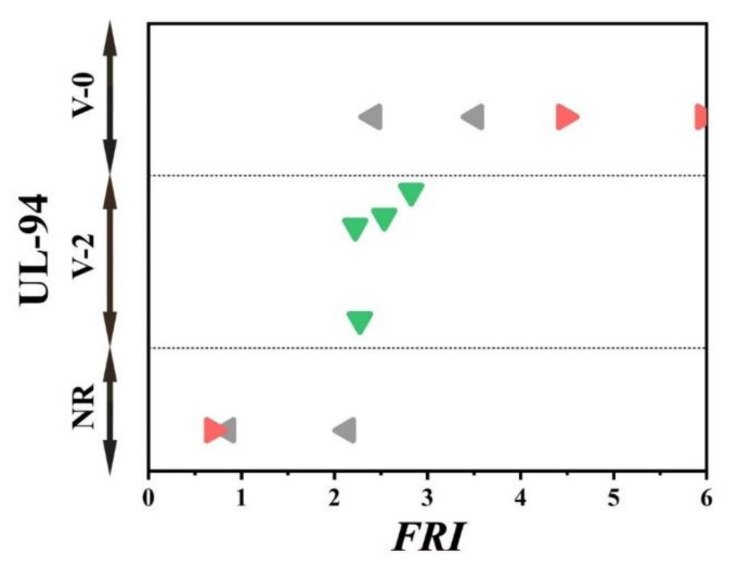 Figure 13
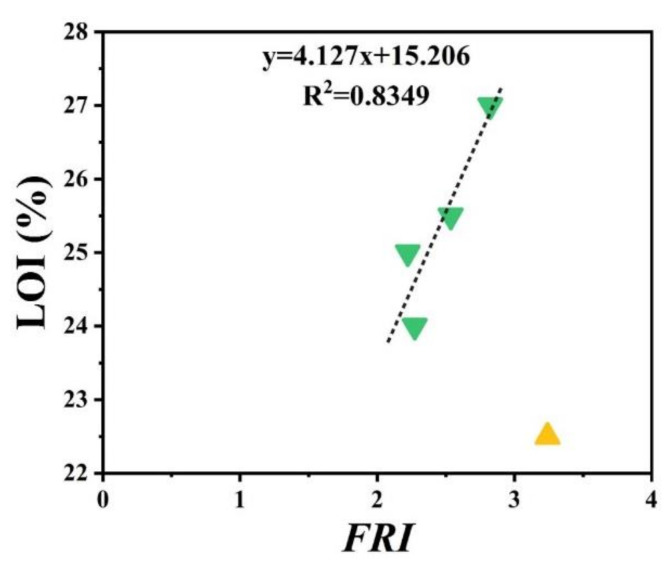 Figure 14
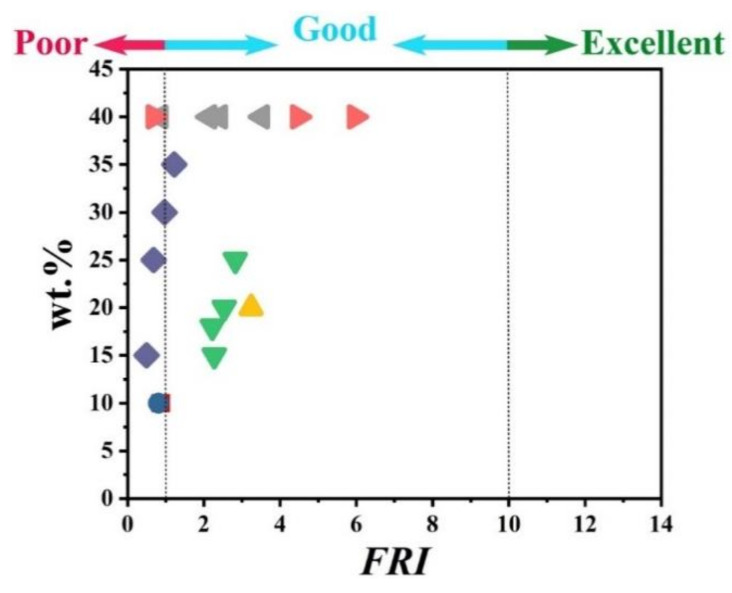 Figure 15
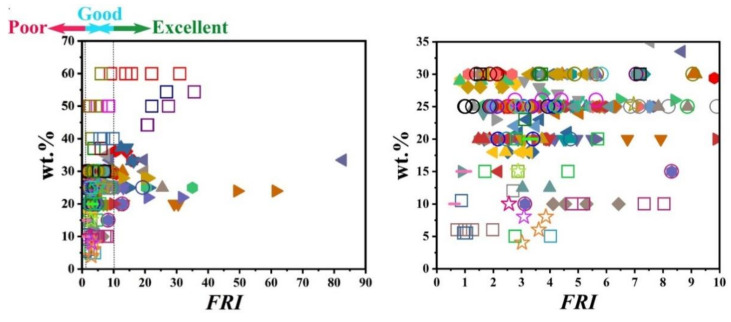 Figure 16
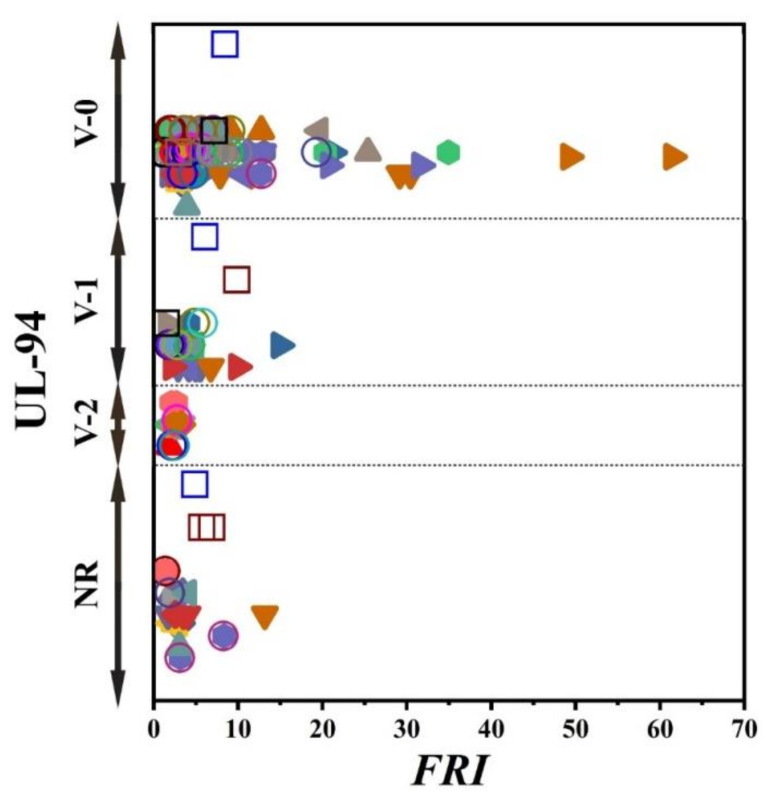 Figure 17
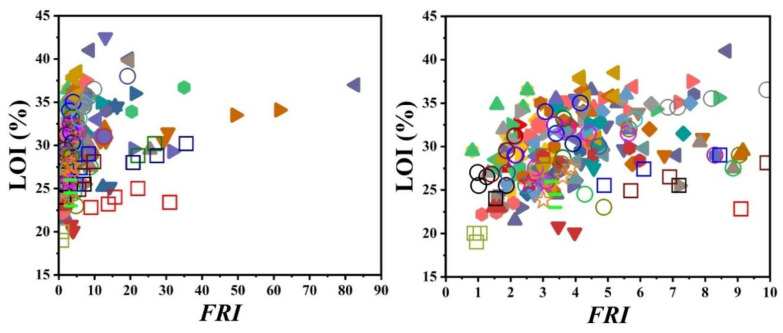 Figure 18
 Figure 19
 Figure 20
 Figure 21
 Figure 22
 Figure 23
 Figure 24
 Figure 25
 Figure 26
 Figure 27
 Figure 28
 Figure 29
 Figure 30
 Figure 31
 Figure 32
 Figure 33
 Figure 34
 Figure 35
 Figure 36
 Figure 37
 Figure 38
 Figure 39
 Figure 40
 Figure 41
 Figure 42
 Figure 43
 Figure 44
 Figure 45
 Figure 46
 Figure 47
 Figure 48
 Figure 49
 Figure 50
Peer Reviews
No public reviews on file for this paper yet. If you reviewed it on a platform where reviews are public (OpenReview, ICLR, NeurIPS, ICML), you can paste yours below so the community can read it here.
Videos
No videos yet. Explain this paper in a talk, walkthrough, or lecture? Add one.
Taxonomy
TopicsFlame retardant materials and properties · Fire dynamics and safety research · Environmental and Industrial Safety