Isoquercitrin Delays Denervated Soleus Muscle Atrophy by Inhibiting Oxidative Stress and Inflammation
Yuntian Shen, Qiuyu Zhang, Ziwei Huang, Jianwei Zhu, Jiayi Qiu, Wenjing Ma, Xiaoming Yang, Fei Ding, Hualin Sun

TL;DR
Isoquercitrin, a flavonoid, helps prevent muscle atrophy after denervation by reducing oxidative stress and inflammation.
Contribution
The study reveals isoquercitrin's novel protective role in denervated muscle atrophy through oxidative stress and inflammation inhibition.
Findings
Isoquercitrin reduces muscle mass loss and inhibits ubiquitin ligases MuRF1 and MAFbx in denervated muscles.
It delays slow-to-fast fiber type conversion and reduces ROS production via upregulating antioxidant factors.
Isoquercitrin also lowers inflammatory markers and inactivates the JAK/STAT3 signaling pathway.
Abstract
Although denervated muscle atrophy is common, the underlying molecular mechanism remains unelucidated. We have previously found that oxidative stress and inflammatory response may be early events that trigger denervated muscle atrophy. Isoquercitrin is a biologically active flavonoid with antioxidative and anti-inflammatory properties. The present study investigated the effect of isoquercitrin on denervated soleus muscle atrophy and its possible molecular mechanisms. We found that isoquercitrin was effective in alleviating soleus muscle mass loss following denervation in a dose-dependent manner. Isoquercitrin demonstrated the optimal protective effect at 20 mg/kg/d, which was the dose used in subsequent experiments. To further explore the protective effect of isoquercitrin on denervated soleus muscle atrophy, we analyzed muscle proteolysis via the ubiquitin-proteasome pathway,…
Genes, proteins, chemicals, diseases, species, mutations and cell lines named across the full text — each resolved to its canonical identifier and authoritative record.
Click any figure to enlarge with its caption.
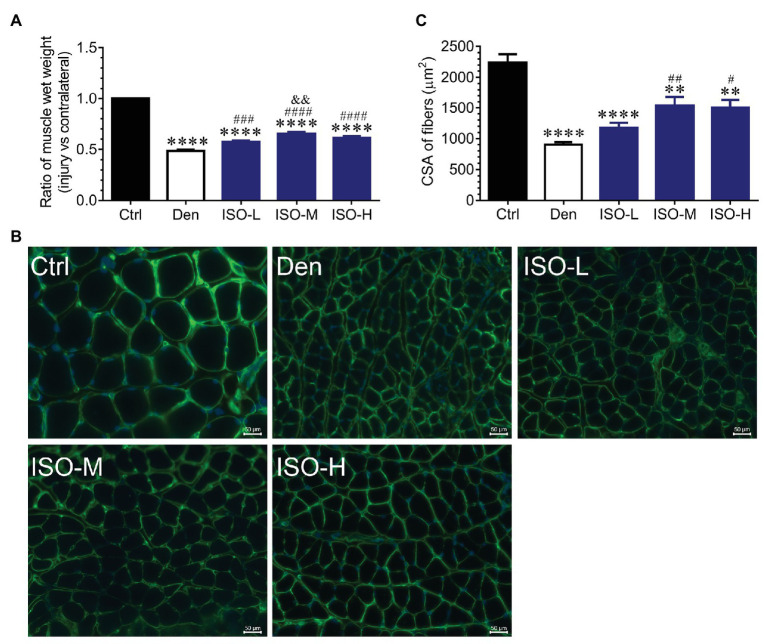 Figure 1
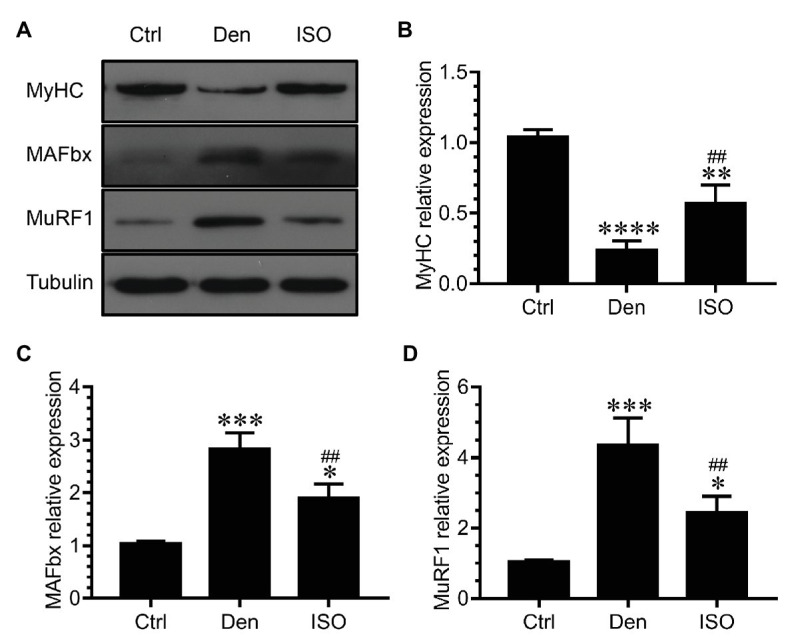 Figure 2
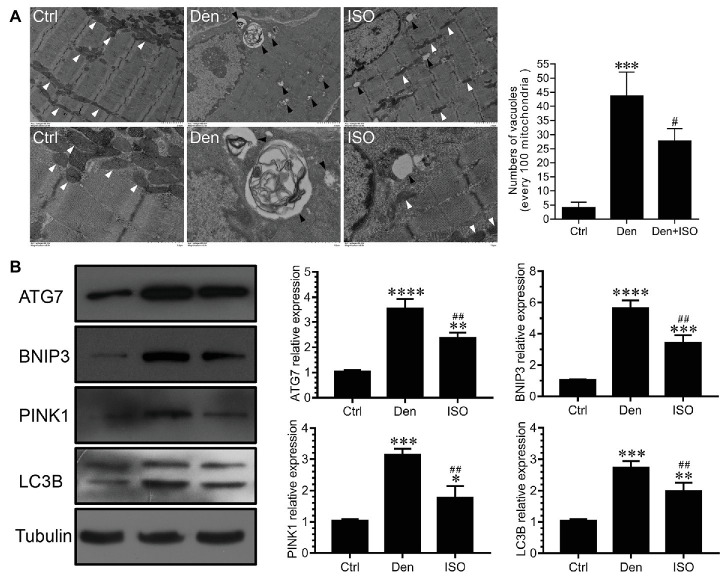 Figure 3
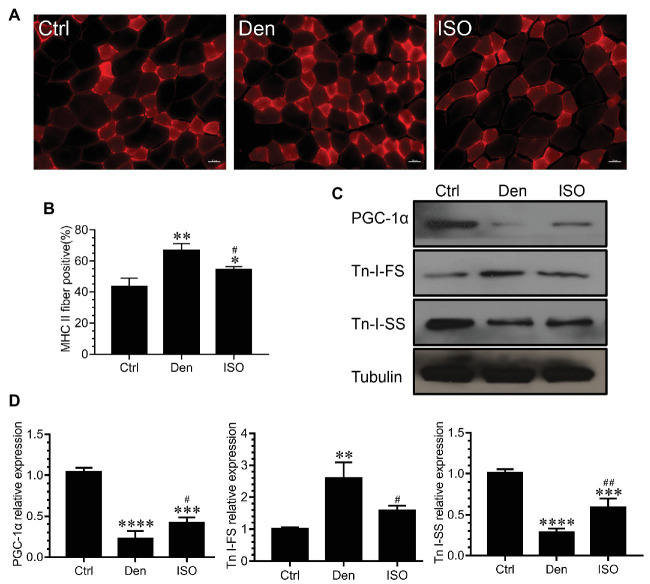 Figure 4
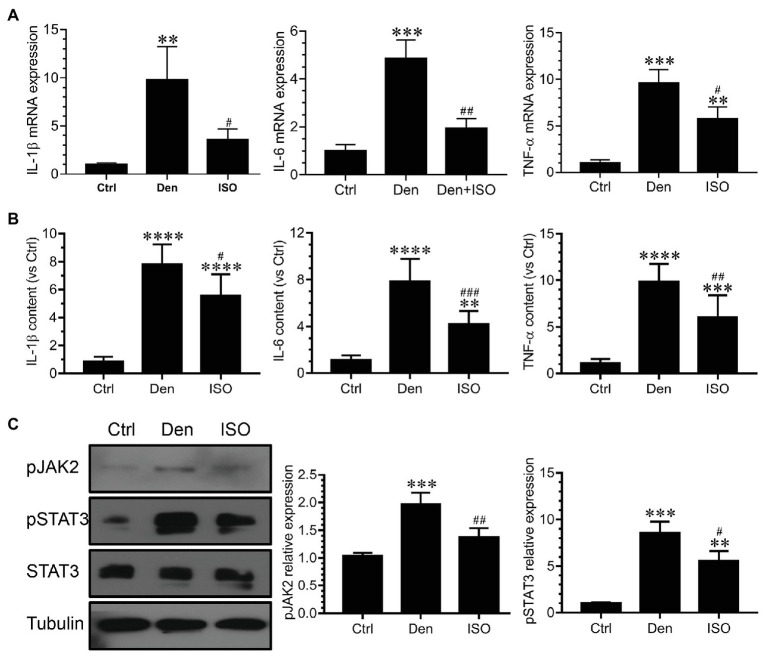 Figure 5
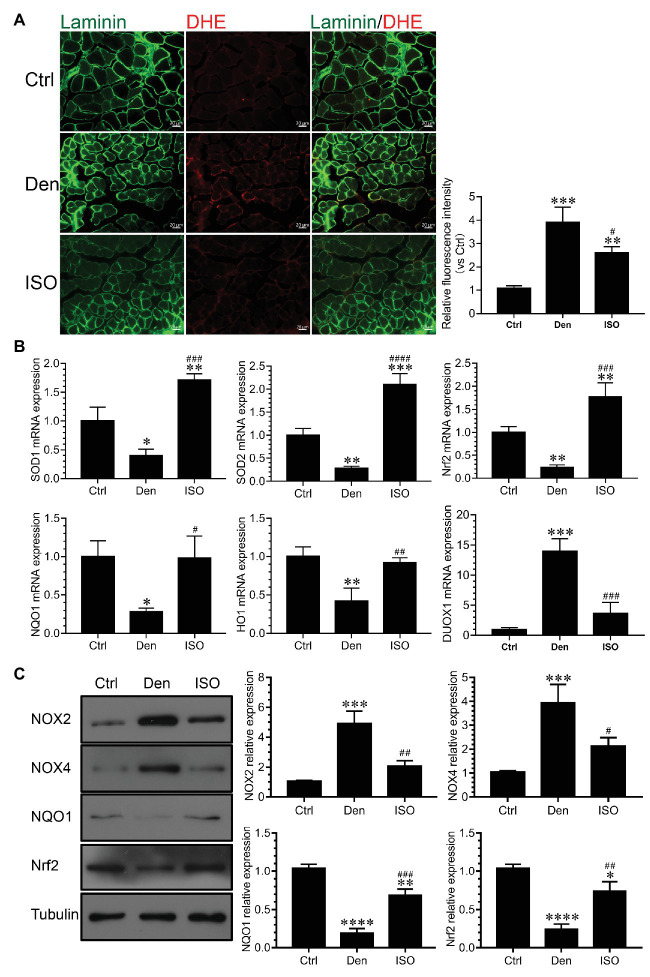 Figure 6
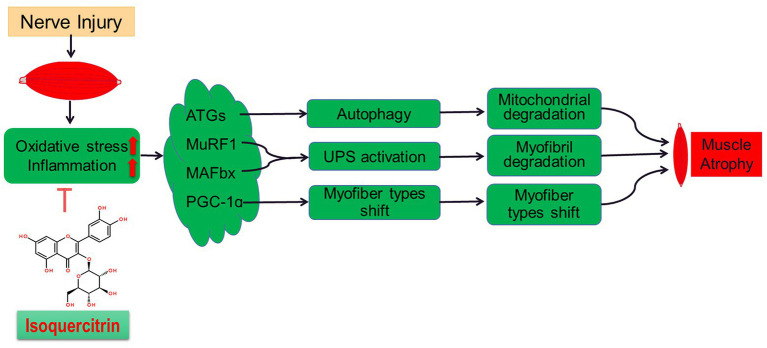 Figure 7
Peer Reviews
No public reviews on file for this paper yet. If you reviewed it on a platform where reviews are public (OpenReview, ICLR, NeurIPS, ICML), you can paste yours below so the community can read it here.
Videos
No videos yet. Explain this paper in a talk, walkthrough, or lecture? Add one.
Taxonomy
TopicsMuscle Physiology and Disorders · Adipose Tissue and Metabolism · Exercise and Physiological Responses