Discovery of New Apoptosis-Inducing Agents for Breast Cancer Based on Ethyl 2-Amino-4,5,6,7-Tetra Hydrobenzo[b]Thiophene-3-Carboxylate: Synthesis, In Vitro, and In Vivo Activity Evaluation
Emad M. Gad, Mohamed S. Nafie, Elsayed H. Eltamany, Magdy S. A. G. Hammad, Assem Barakat, Ahmed T. A. Boraei

TL;DR
Researchers developed new compounds that induce apoptosis in breast cancer cells, with one showing significant tumor reduction in animal studies.
Contribution
A novel class of apoptosis-inducing agents was synthesized and evaluated for anticancer activity in vitro and in vivo.
Findings
Compound 4 significantly reduced MCF-7 cell viability by 26.86% through apoptosis induction.
Compound 4 decreased solid tumor mass by 26.6% in an in vivo study.
Twelve compounds showed antiproliferative activity with IC50 values between 23.2 and 95.9 µM.
Abstract
A multicomponent synthesis was empolyed for the synthesis of ethyl 2-amino-4,5,6,7-tetrahydrobenzo[b]thiophene-3-carboxylate 1. An interesting cyclization was obtained when the amino-ester 1 reacted with ethyl isothiocyanate to give the benzo[4,5]thieno[2,3-d][1,3]thiazin-4-one 3. Acylation of the amino-ester 1 with chloroacetyl chloride in DCM and Et3N afforded the acylated ester 4. The amino-ester 1 was cyclized to benzo[4,5]thieno[2,3-d]pyrimidin-4(3H)-one 8, which was reacted with some alkylating agents leading to alkylation at nitrogen 9–13. Hydrazide 14 was utilized as a synthon for the synthesis of the derivatives 15–19. Chloro-thieno[2,3-d]pyrimidine 20 was synthesized and reacted with the hydrazine hydrate to afford the hydrazino derivative 21, which was used as a scaffold for getting the derivatives 22–28. Nucleophilic substitution reactions were used for getting the compounds…
Genes, proteins, chemicals, diseases, species, mutations and cell lines named across the full text — each resolved to its canonical identifier and authoritative record.
Click any figure to enlarge with its caption.
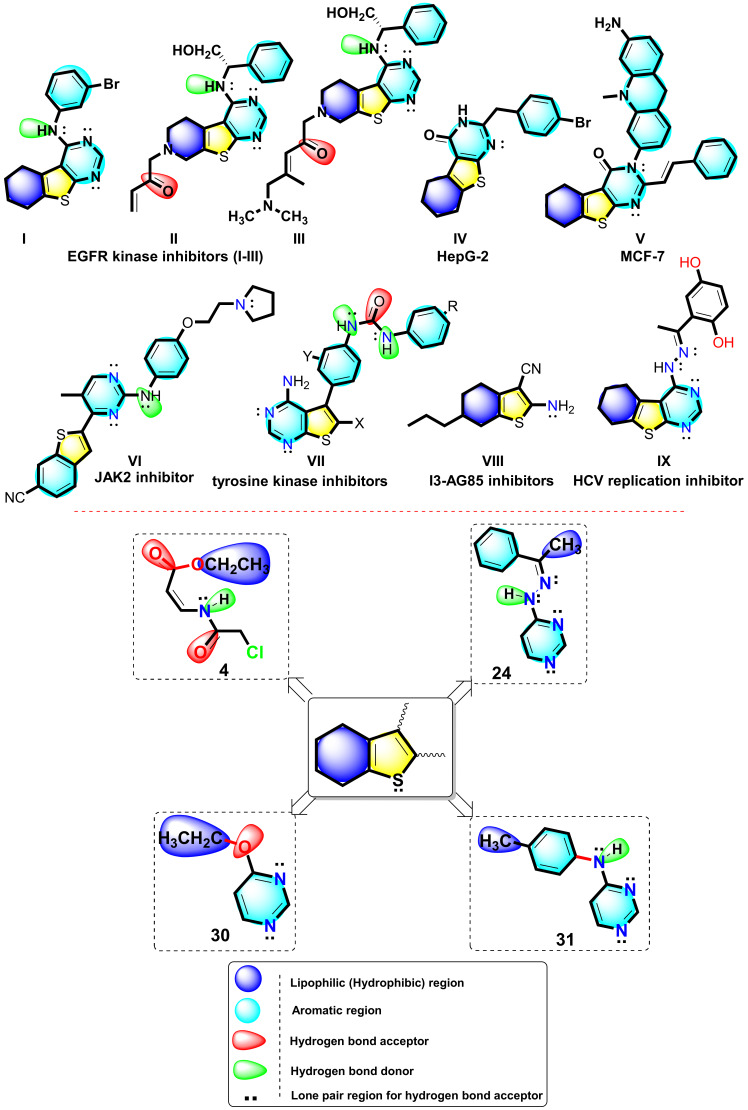 Figure 1
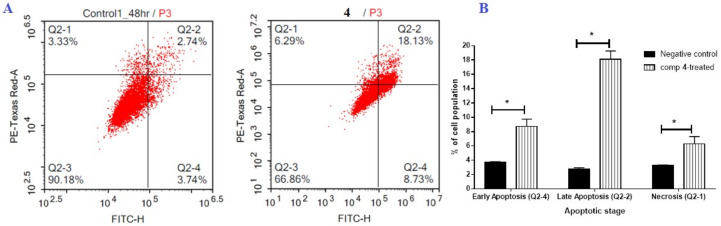 Figure 2
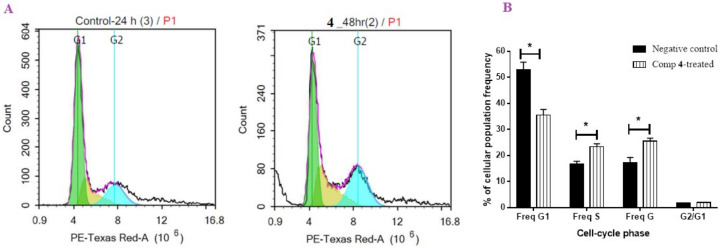 Figure 3
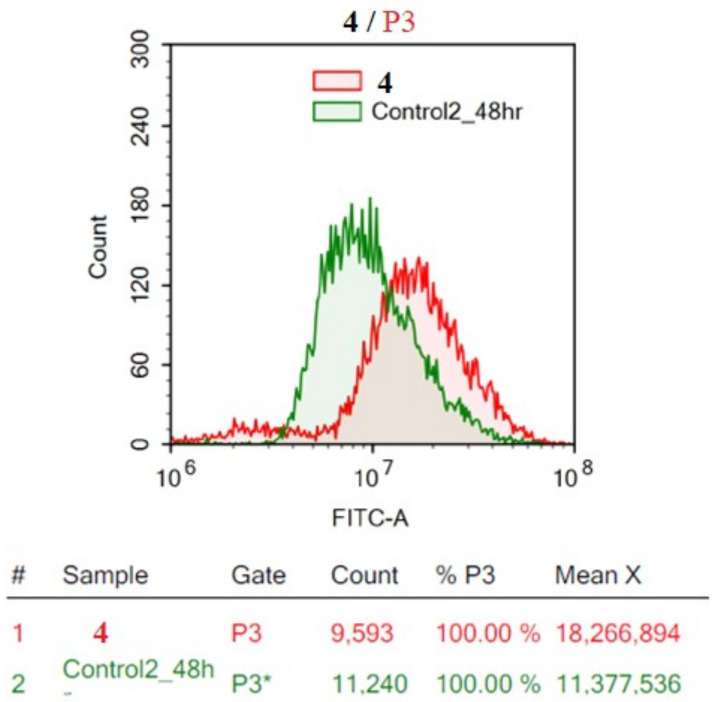 Figure 4
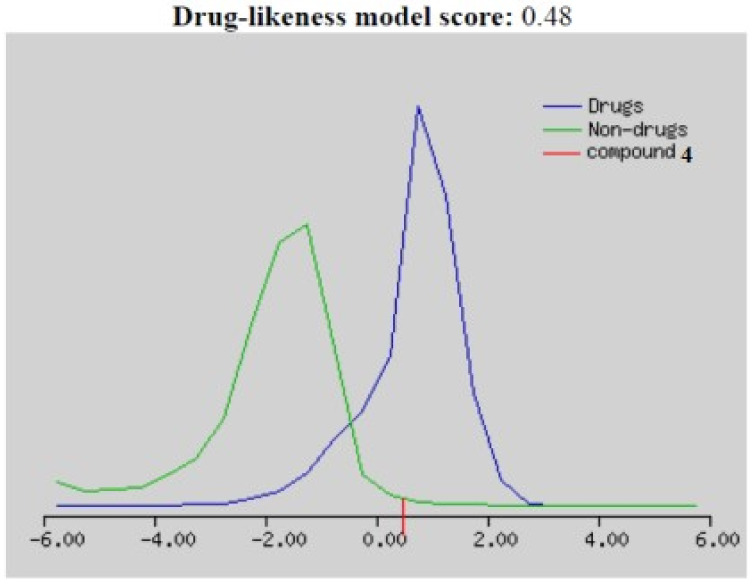 Figure 5
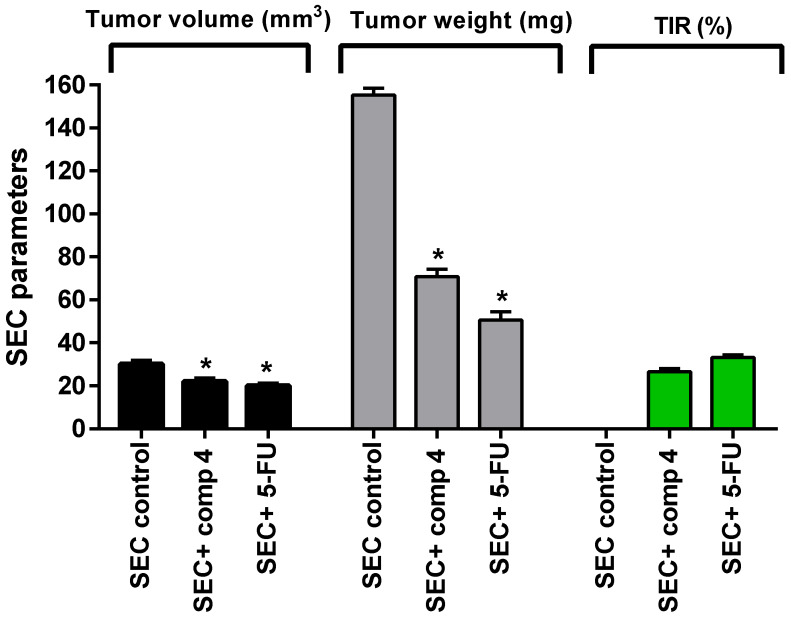 Figure 6
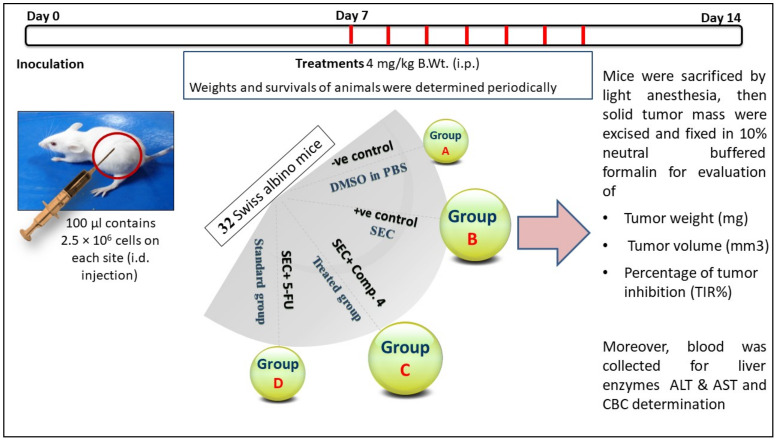 Figure 7
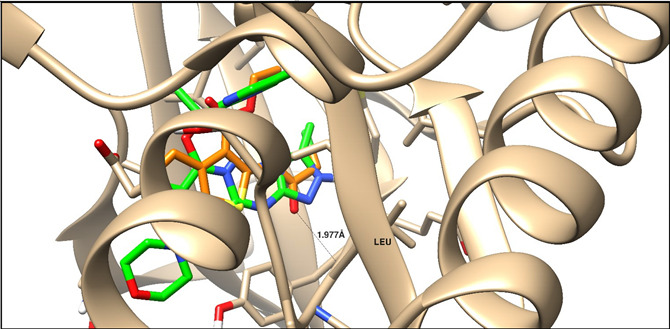 Figure 8
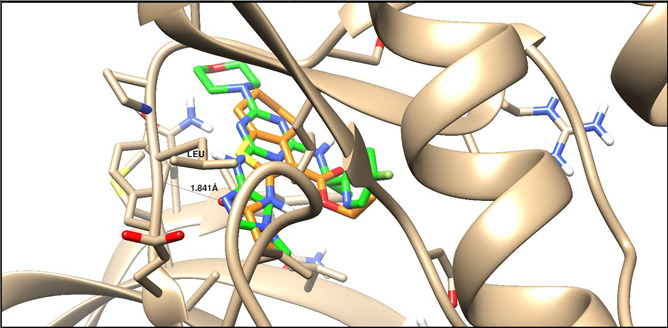 Figure 9
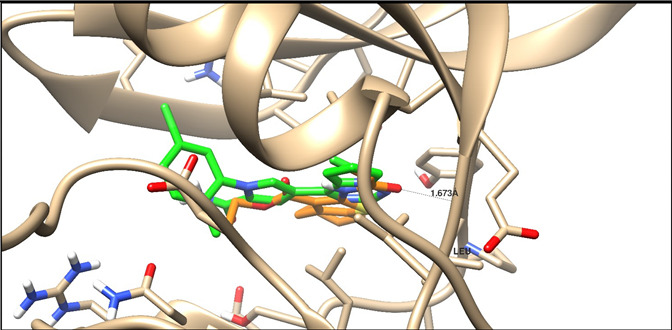 Figure 10
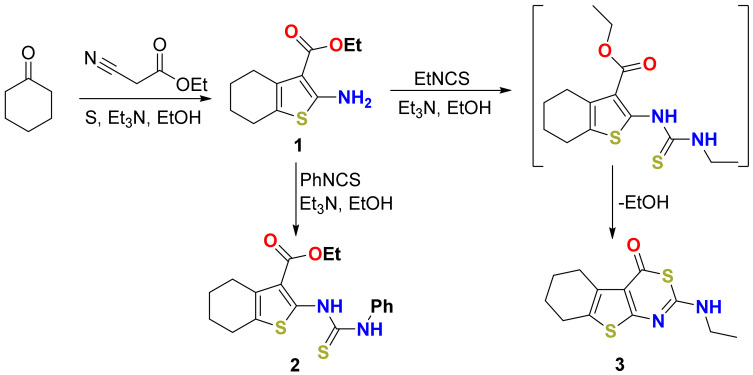 Figure 11
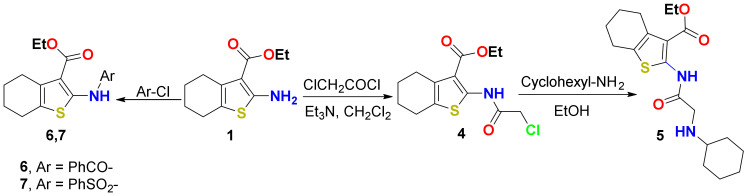 Figure 12
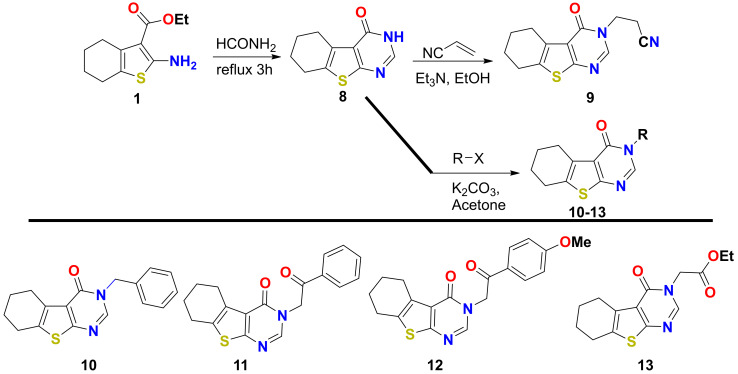 Figure 13
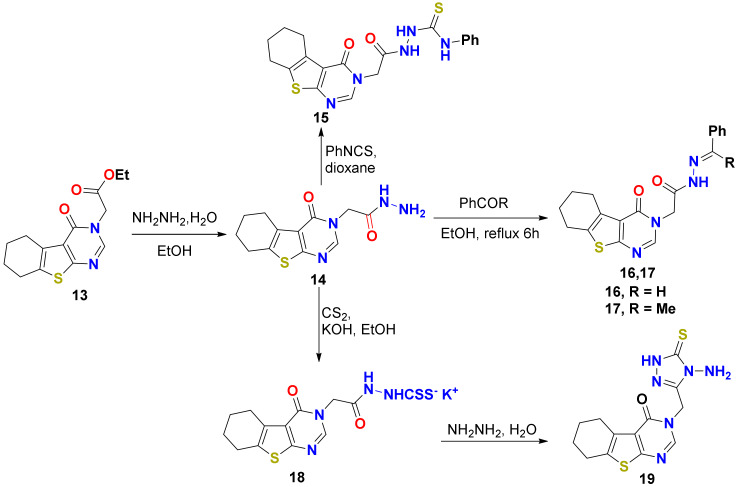 Figure 14
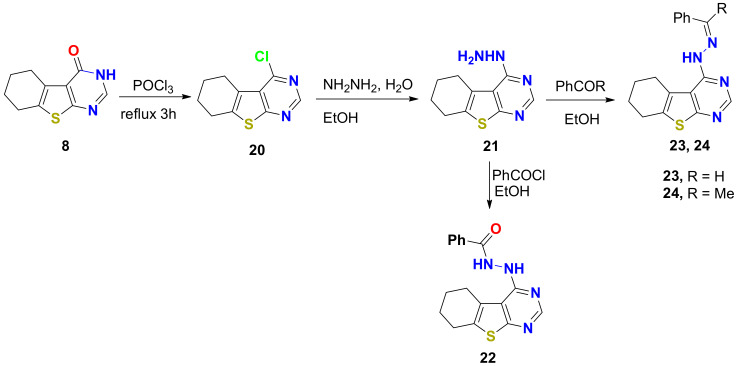 Figure 15
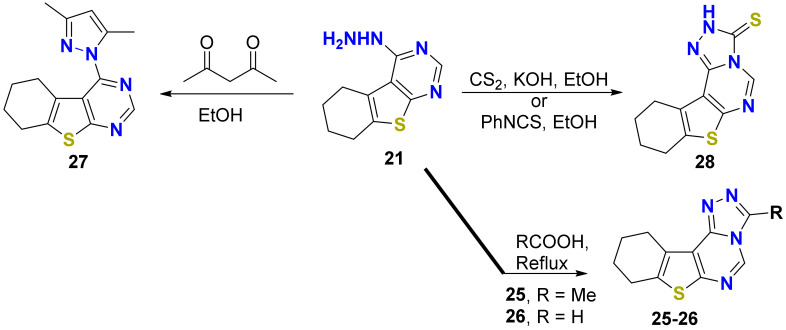 Figure 16
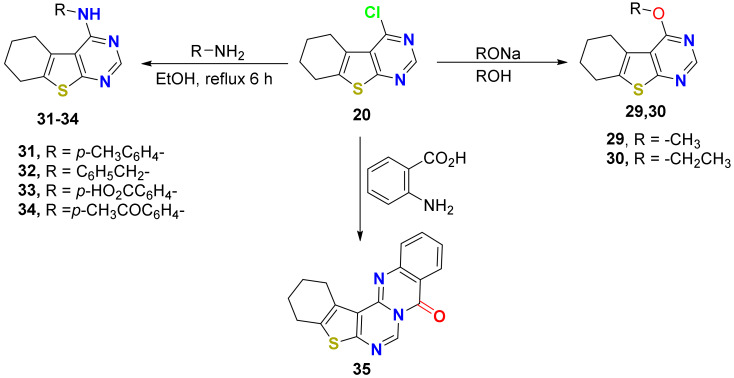 Figure 17
Peer Reviews
No public reviews on file for this paper yet. If you reviewed it on a platform where reviews are public (OpenReview, ICLR, NeurIPS, ICML), you can paste yours below so the community can read it here.
Videos
No videos yet. Explain this paper in a talk, walkthrough, or lecture? Add one.
Taxonomy
TopicsSynthesis and biological activity · Synthesis and Characterization of Heterocyclic Compounds · Synthesis of heterocyclic compounds