Plant Responses to Nanoparticle Stress
Zahed Hossain, Ghazala Mustafa, Setsuko Komatsu

TL;DR
This review discusses how plant proteomics helps understand how plants respond to stress caused by nanoparticles in the environment.
Contribution
The paper highlights recent proteomic insights into plant responses to nanoparticle stress.
Findings
Proteomic techniques reveal molecular pathways involved in plant adaptation to nanoparticle stress.
Nanoparticles containing heavy metals can lead to soil and water contamination.
Protein signatures provide insights into phytotoxicity at the proteome level.
Abstract
With the rapid advancement in nanotechnology, release of nanoscale materials into the environment is inevitable. Such contamination may negatively influence the functioning of the ecosystems. Many manufactured nanoparticles (NPs) contain heavy metals, which can cause soil and water contamination. Proteomic techniques have contributed substantially in understanding the molecular mechanisms of plant responses against various stresses by providing a link between gene expression and cell metabolism. As the coding regions of genome are responsible for plant adaptation to adverse conditions, protein signatures provide insights into the phytotoxicity of NPs at proteome level. This review summarizes the recent contributions of plant proteomic research to elaborate the complex molecular pathways of plant response to NPs stress.
Genes, proteins, chemicals, diseases, species, mutations and cell lines named across the full text — each resolved to its canonical identifier and authoritative record.
Click any figure to enlarge with its caption.
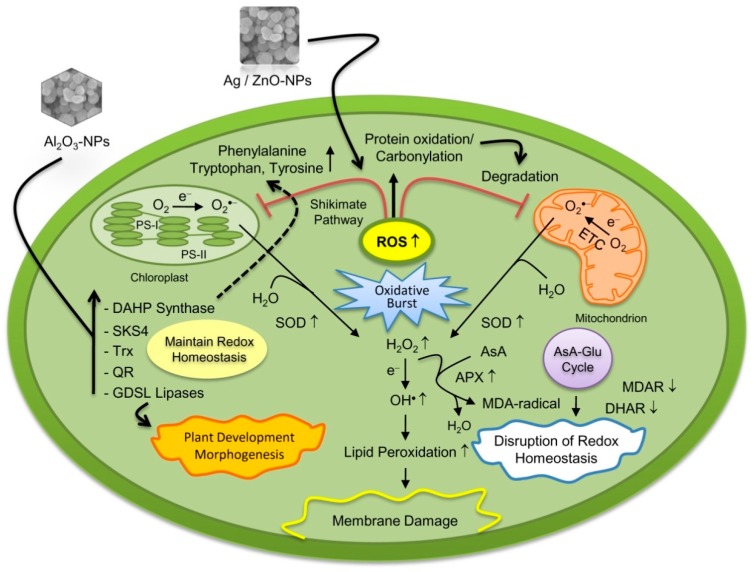 Figure 1
Peer Reviews
No public reviews on file for this paper yet. If you reviewed it on a platform where reviews are public (OpenReview, ICLR, NeurIPS, ICML), you can paste yours below so the community can read it here.
Videos
No videos yet. Explain this paper in a talk, walkthrough, or lecture? Add one.
Taxonomy
TopicsOrgan Donation and Transplantation · Organ Transplantation Techniques and Outcomes · Organ and Tissue Transplantation Research