A SOCS1/3 Antagonist Peptide Protects Mice Against Lethal Infection with Influenza A Virus
Chulbul M. Ahmed, Rea Dabelic, Simone Kennedy Bedoya, Joseph Larkin, Howard M. Johnson

TL;DR
A new peptide that blocks SOCS1 and SOCS3 proteins protects mice from deadly influenza infections and boosts immune responses.
Contribution
A novel SOCS1/3 antagonist peptide was developed that protects against lethal influenza and enhances immune responses to a universal vaccine antigen.
Findings
The SOCS antagonist protected mice from lethal influenza A virus infection.
The peptide prevented weight loss and temperature drop in infected mice.
It enhanced both cellular and humoral immune responses to the M2e antigen.
Abstract
We have developed an antagonist to suppressor of cytokine signaling 1 (SOCS1), pJAK2(1001–1013), which corresponds to the activation loop of the Janus kinase JAK2, which is the binding site for the kinase inhibitory region (KIR) of SOCS1. Internalized pJAK2(1001–1013) inhibits SOCS1 and SOCS3. SOCS1 has been shown to be an influenza virus-induced virulence factor that enhances infection of cells. The antagonist was protective in cell culture and in influenza virus PR8 lethally infected C57BL/6 mice. The SOCS antagonist also prevented adverse morbidity as assessed by parameters, such as weight loss and drop in body temperature, and showed potent induction of both the cellular and humoral immune responses to the influenza virus candidate universal antigen matrix protein 2 (M2e). The SOCS antagonist, thus, protected mice against lethal influenza virus infection and possessed potent…
Genes, proteins, chemicals, diseases, species, mutations and cell lines named across the full text — each resolved to its canonical identifier and authoritative record.
Click any figure to enlarge with its caption.
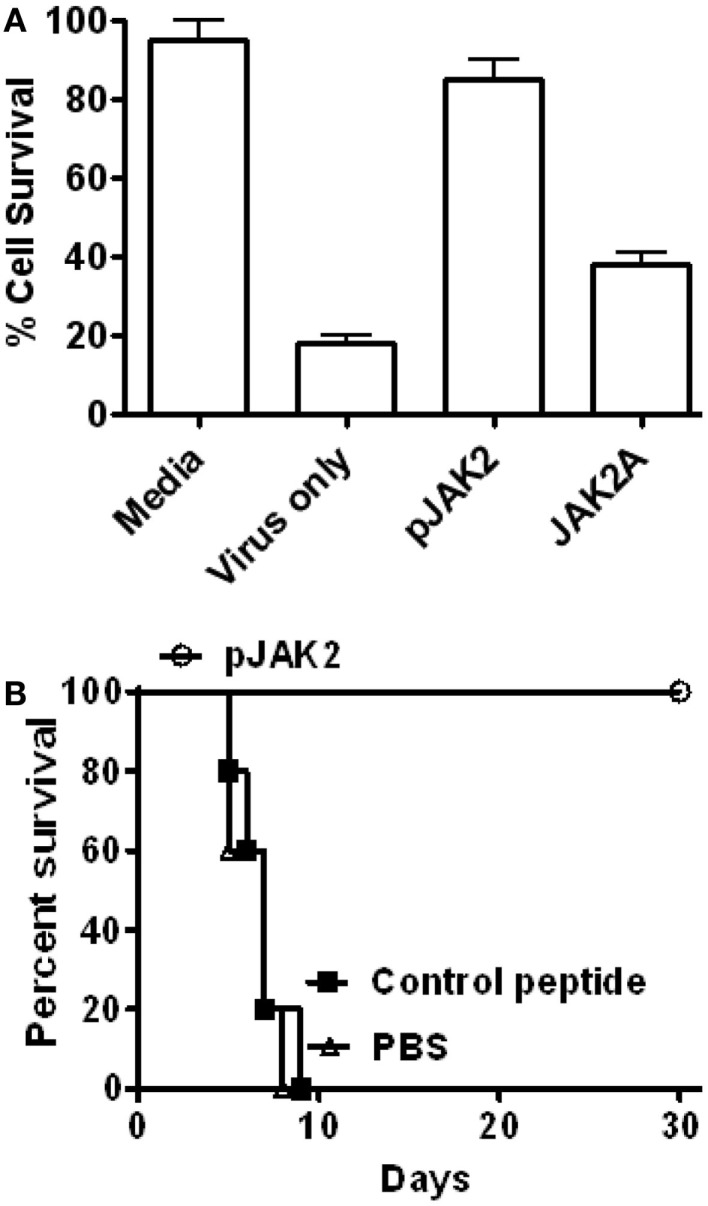 Figure 1
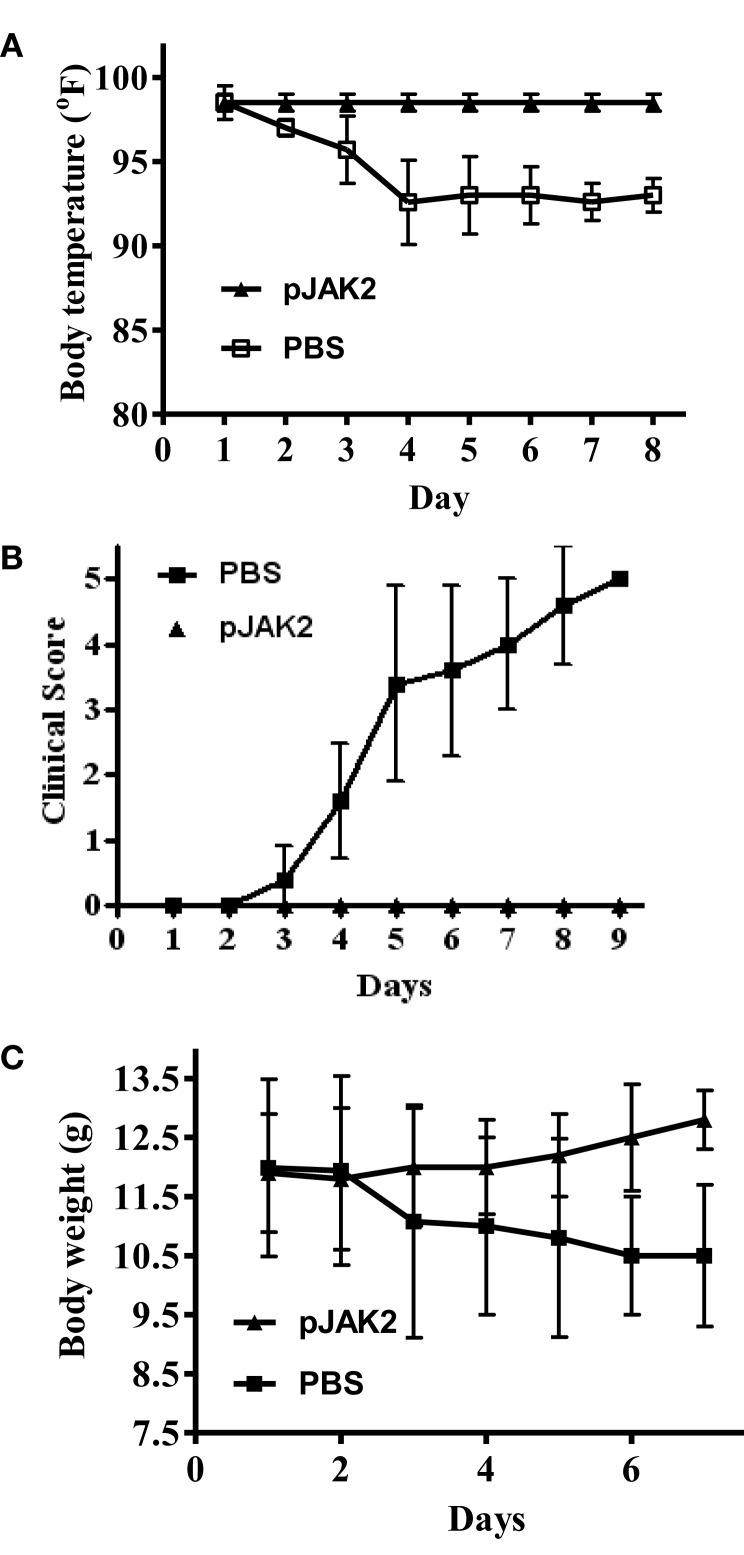 Figure 2
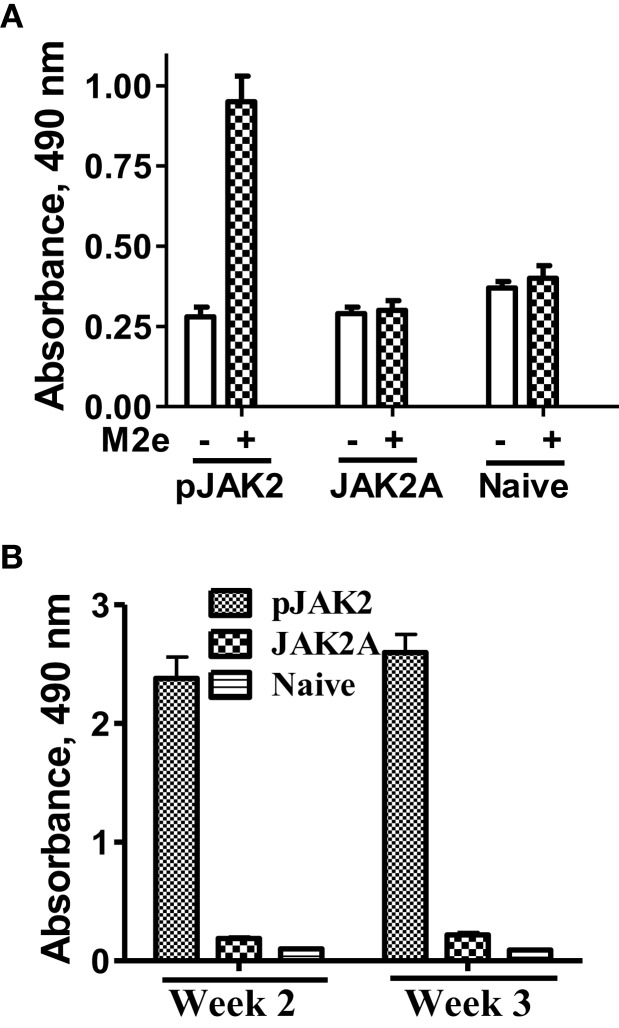 Figure 3
 Figure 4
Peer Reviews
No public reviews on file for this paper yet. If you reviewed it on a platform where reviews are public (OpenReview, ICLR, NeurIPS, ICML), you can paste yours below so the community can read it here.
Videos
No videos yet. Explain this paper in a talk, walkthrough, or lecture? Add one.
Taxonomy
TopicsHistorical, Literary, and Cultural Studies · German Literature and Culture Studies · Linguistics and language evolution