Whole Exome Sequencing of Rapid Autopsy Tumors and Xenograft Models Reveals Possible Driver Mutations Underlying Tumor Progression
Tao Xie, Monica Musteanu, Pedro P. Lopez-Casas, David J. Shields, Peter Olson, Paul A. Rejto, Manuel Hidalgo

TL;DR
This study uses whole exome sequencing of pancreatic cancer tumors and xenograft models to identify driver mutations involved in tumor progression and metastasis.
Contribution
The study provides new insights into the genetic similarity between end-stage pancreatic tumors and their xenograft models, and identifies potential driver mutations.
Findings
Matched tumor and metastasis samples showed shared mutations, suggesting common clonal origins.
Xenograft models retained most mutations from primary tumors, indicating high genetic fidelity.
Functional mutations in genes like KRAS, TP53, and SMAD4 were linked to tumor progression and metastasis.
Abstract
Pancreatic Ductal Adenocarcinoma (PDAC) is a highly lethal malignancy due to its propensity to invade and rapidly metastasize and remains very difficult to manage clinically. One major hindrance towards a better understanding of PDAC is the lack of molecular data sets and models representative of end stage disease. Moreover, it remains unclear how molecularly similar patient-derived xenograft (PDX) models are to the primary tumor from which they were derived. To identify potential molecular drivers in metastatic pancreatic cancer progression, we obtained matched primary tumor, metastases and normal (peripheral blood) samples under a rapid autopsy program and performed whole exome sequencing (WES) on tumor as well as normal samples. PDX models were also generated, sequenced and compared to tumors. Across the matched data sets generated for three patients, there were on average…
Genes, proteins, chemicals, diseases, species, mutations and cell lines named across the full text — each resolved to its canonical identifier and authoritative record.
Click any figure to enlarge with its caption.
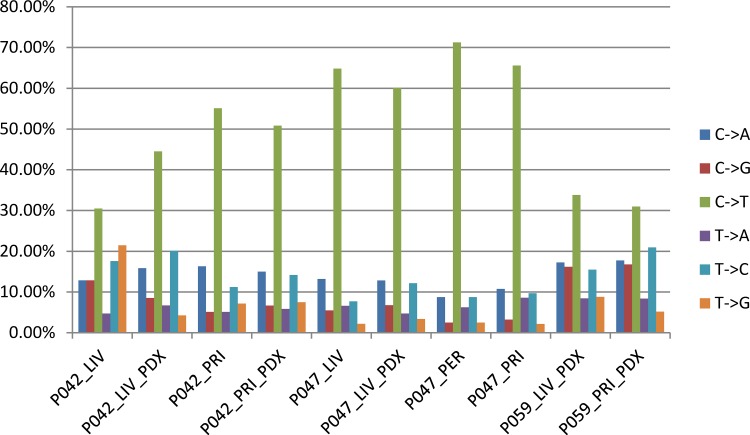 Figure 1
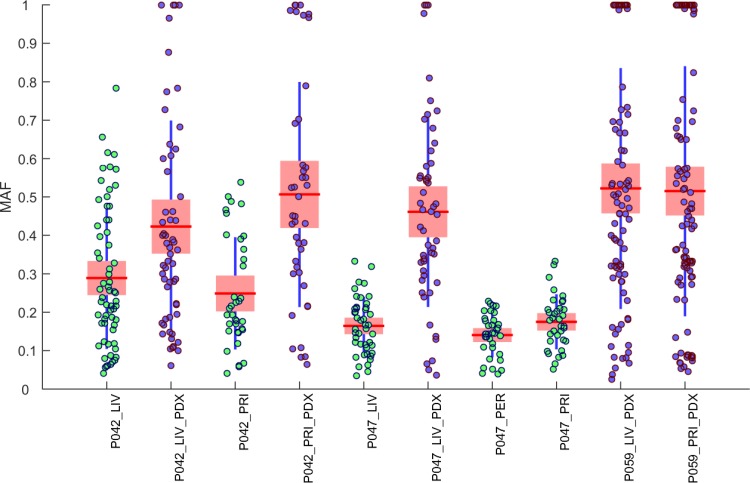 Figure 2
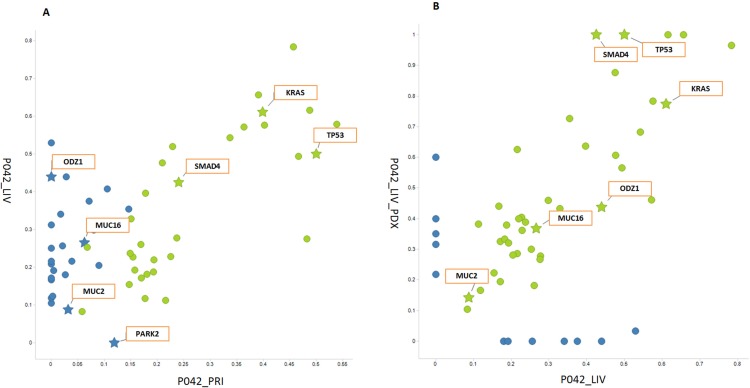 Figure 3
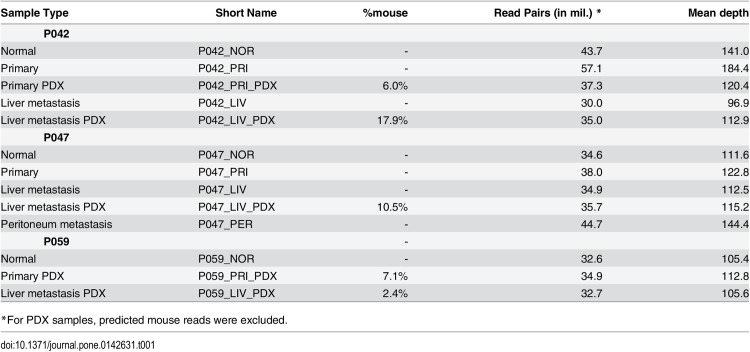 Figure 4
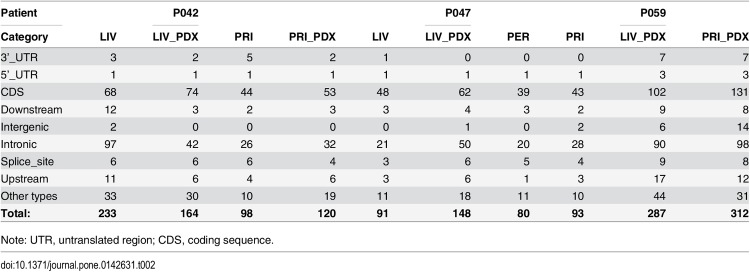 Figure 5
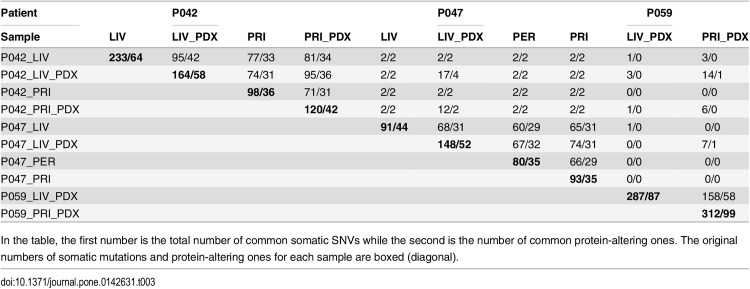 Figure 6
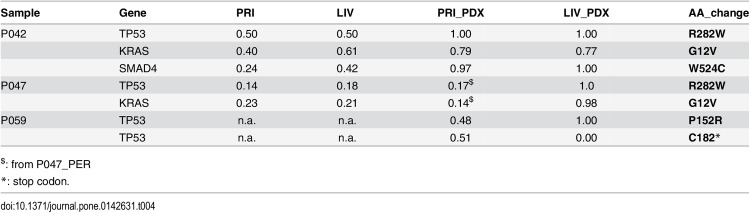 Figure 7
 Figure 8
Peer Reviews
No public reviews on file for this paper yet. If you reviewed it on a platform where reviews are public (OpenReview, ICLR, NeurIPS, ICML), you can paste yours below so the community can read it here.
Videos
No videos yet. Explain this paper in a talk, walkthrough, or lecture? Add one.
Taxonomy
TopicsSports Science and Education · Physical Education and Training Studies