Replacement of pr gene with Japanese encephalitis virus pr using reverse genetics reduces antibody-dependent enhancement of dengue virus 2 infection
Ying Wang, Lulu Si, Yayan Luo, Xiaolan Guo, Junmei Zhou, Danyun Fang, Huijun Yan, Gucheng Zeng, Lifang Jiang

TL;DR
Replacing a gene in dengue virus with one from Japanese encephalitis virus reduces antibody-dependent enhancement of dengue infection, potentially improving vaccine development.
Contribution
A novel chimeric dengue virus was created to reduce antibody-dependent enhancement by replacing its pr gene with one from Japanese encephalitis virus.
Findings
Chimeric JEVpr/DENV2 showed reduced virulence and good immunogenicity.
Anti-JEVpr/DENV2 sera had broad cross-reactivity and efficient neutralizing activity against all four DENV serotypes.
Anti-JEVpr/DENV2 sera significantly reduced dengue infection enhancement in K562 cells compared to anti-DENV2 sera.
Abstract
Severe dengue is more likely found during secondary heterologous dengue virus (DENV) infection or primary infection of infants born to dengue-immune mothers and led to the hypothesis of antibody-dependent enhancement (ADE). It has been reported that pre-membrane (prM)-reactive antibodies do not efficiently neutralize DENV infection but instead potently promote ADE infection. Meanwhile, these enhancing anti-prM antibodies mainly react with the precursor (pr) peptide. To evaluate the effect of pr gene substitution on neutralization and ADE of DENV infection, a novel chimeric dengue virus (JEVpr/DENV2) was rationally constructed by replacing the DENV pr gene with Japanese encephalitis virus (JEV) pr gene, based on the full-length infectious complementary DNA (cDNA) clone of DENV2 ZS01/01. We found that chimeric JEVpr/DENV2 showed reduced virulence and good immunogenicity. In addition,…
Genes, proteins, chemicals, diseases, species, mutations and cell lines named across the full text — each resolved to its canonical identifier and authoritative record.
Click any figure to enlarge with its caption.
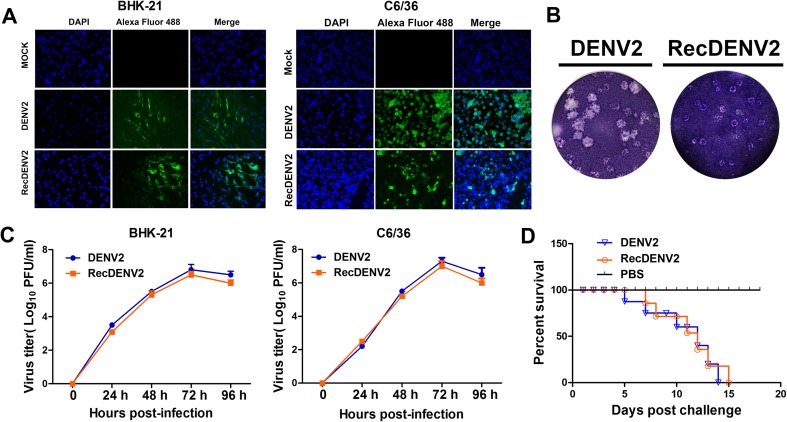 Figure 1
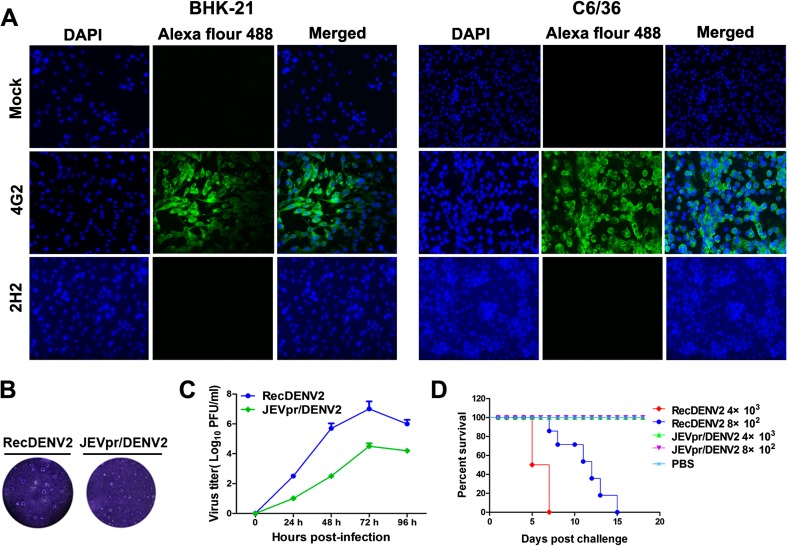 Figure 2
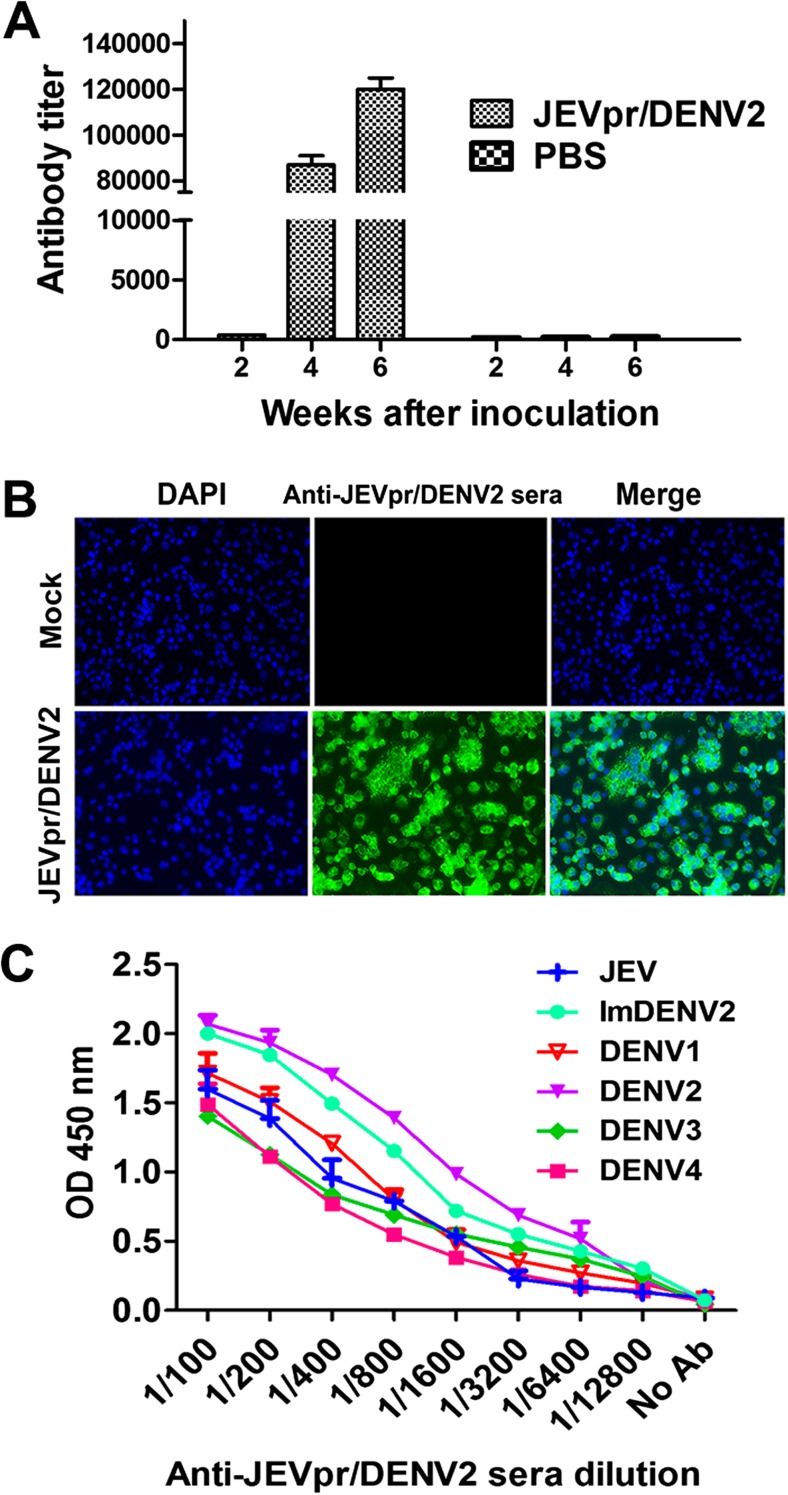 Figure 3
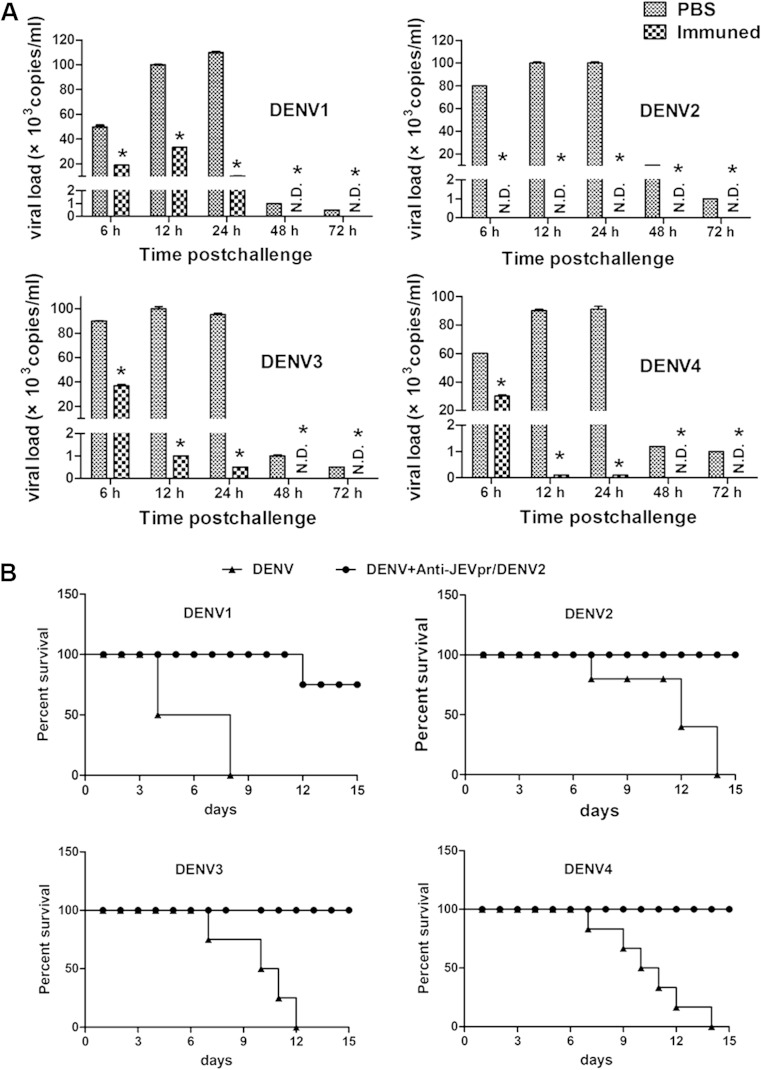 Figure 4
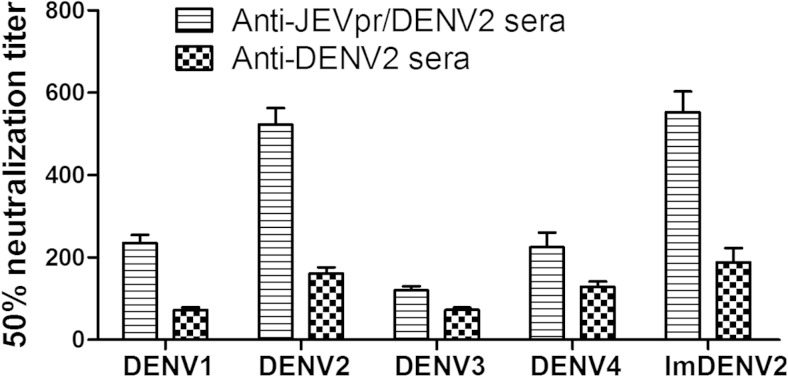 Figure 5
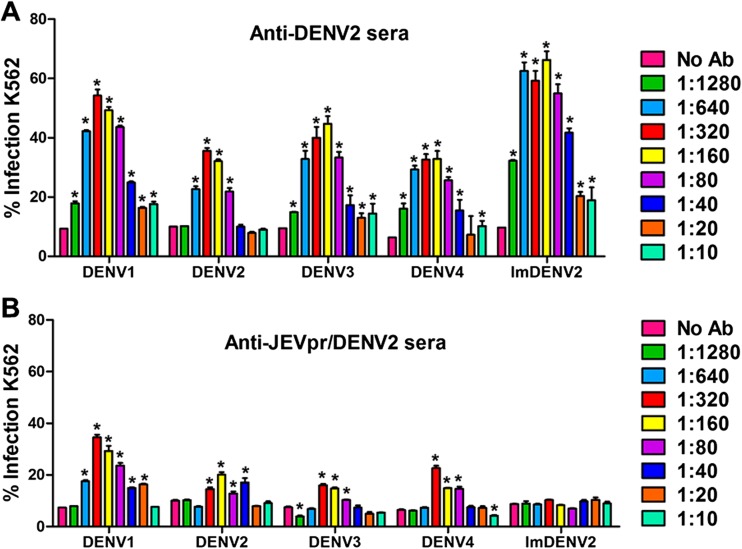 Figure 6
Peer Reviews
No public reviews on file for this paper yet. If you reviewed it on a platform where reviews are public (OpenReview, ICLR, NeurIPS, ICML), you can paste yours below so the community can read it here.
Videos
No videos yet. Explain this paper in a talk, walkthrough, or lecture? Add one.
Taxonomy
TopicsCoaching Methods and Impact