Learning about time within the spinal cord: evidence that spinal neurons can abstract and store an index of regularity
Kuan H. Lee, Joel D. Turtle, Yung-Jen Huang, Misty M. Strain, Kyle M. Baumbauer, James W. Grau

TL;DR
Spinal neurons can detect and remember regular patterns of stimulation, which affects their ability to learn and adapt.
Contribution
The study shows that spinal neurons can abstract and store an index of temporal regularity, influencing learning outcomes.
Findings
Spinal learning is impaired by irregular stimulation but restored by regular stimulation after sufficient exposure.
The restorative effect of regular stimulation depends on the number of shocks, not the duration of exposure.
Spinal systems retain a memory-like effect of prior stimulation patterns, enabling recovery with subsequent stimulation.
Abstract
Prior studies have shown that intermittent noxious stimulation has divergent effects on spinal cord plasticity depending upon whether it occurs in a regular (fixed time, FT) or irregular (variable time, VT) manner: In spinally transected animals, VT stimulation to the tail or hind leg impaired spinal learning whereas an extended exposure to FT stimulation had a restorative/protective effect. These observations imply that lower level systems are sensitive to temporal relations. Using spinally transected rats, it is shown that the restorative effect of FT stimulation emerges after 540 shocks; fewer shocks generate a learning impairment. The transformative effect of FT stimulation is related to the number of shocks administered, not the duration of exposure. Administration of 360 FT shocks induces a learning deficit that lasts 24 h. If a second bout of FT stimulation is given a day after…
Genes, proteins, chemicals, diseases, species, mutations and cell lines named across the full text — each resolved to its canonical identifier and authoritative record.
Click any figure to enlarge with its caption.
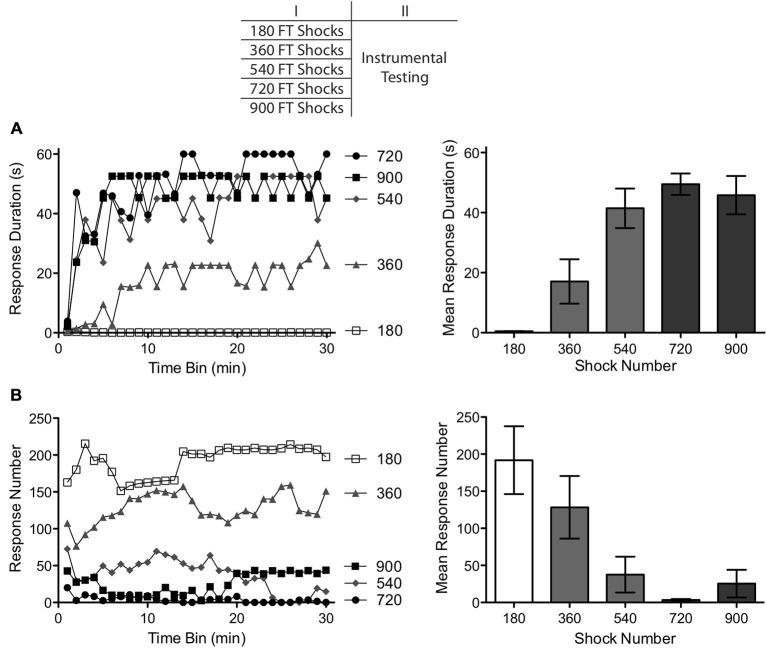 Figure 1
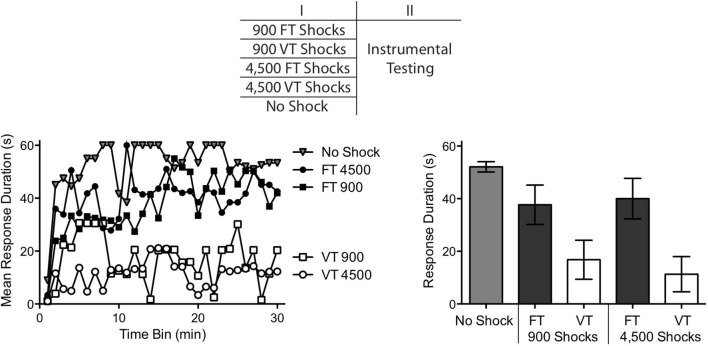 Figure 2
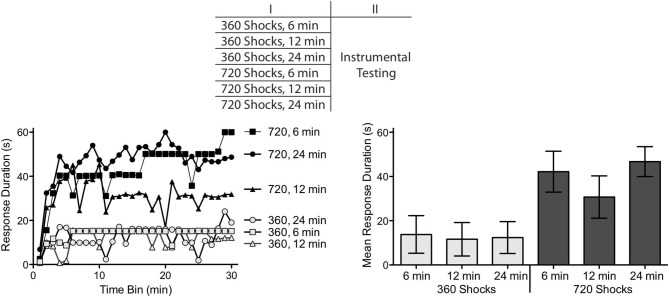 Figure 3
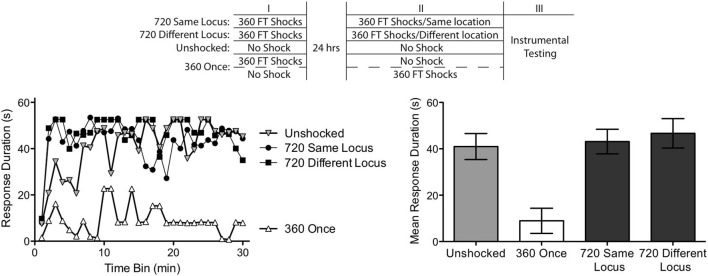 Figure 4
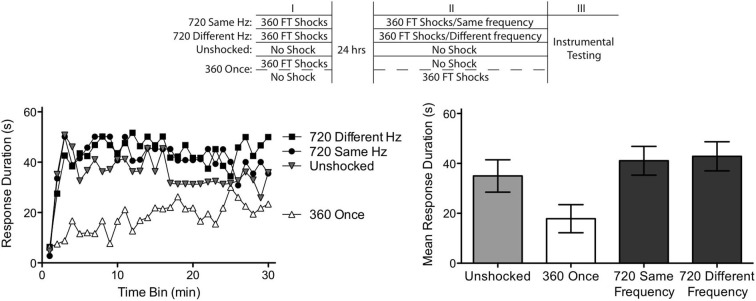 Figure 5
Peer Reviews
No public reviews on file for this paper yet. If you reviewed it on a platform where reviews are public (OpenReview, ICLR, NeurIPS, ICML), you can paste yours below so the community can read it here.
Videos
No videos yet. Explain this paper in a talk, walkthrough, or lecture? Add one.
Taxonomy
TopicsMultimedia Learning Systems