Human Age Estimation Method Robust to Camera Sensor and/or Face Movement
Dat Tien Nguyen, So Ra Cho, Tuyen Danh Pham, Kang Ryoung Park

TL;DR
This paper introduces a method to improve age estimation from face images by making systems more robust to motion blurring caused by camera or face movement.
Contribution
The novel contribution is a method to enhance age estimation performance by addressing motion blurring effects.
Findings
Motion blurring significantly degrades age estimation performance.
The proposed method improves system robustness and efficiency in age estimation.
Experiments show better performance compared to systems without the proposed method.
Abstract
Human age can be employed in many useful real-life applications, such as customer service systems, automatic vending machines, entertainment, etc. In order to obtain age information, image-based age estimation systems have been developed using information from the human face. However, limitations exist for current age estimation systems because of the various factors of camera motion and optical blurring, facial expressions, gender, etc. Motion blurring can usually be presented on face images by the movement of the camera sensor and/or the movement of the face during image acquisition. Therefore, the facial feature in captured images can be transformed according to the amount of motion, which causes performance degradation of age estimation systems. In this paper, the problem caused by motion blurring is addressed and its solution is proposed in order to make age estimation systems…
Genes, proteins, chemicals, diseases, species, mutations and cell lines named across the full text — each resolved to its canonical identifier and authoritative record.
Click any figure to enlarge with its caption.
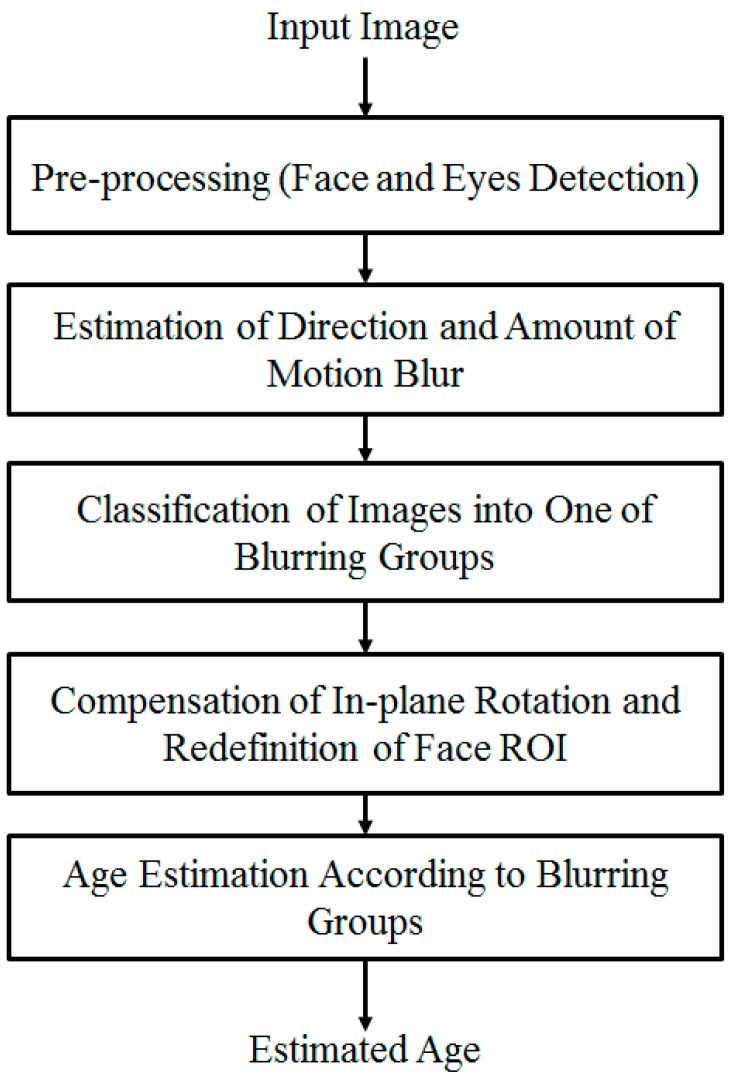 Figure 1
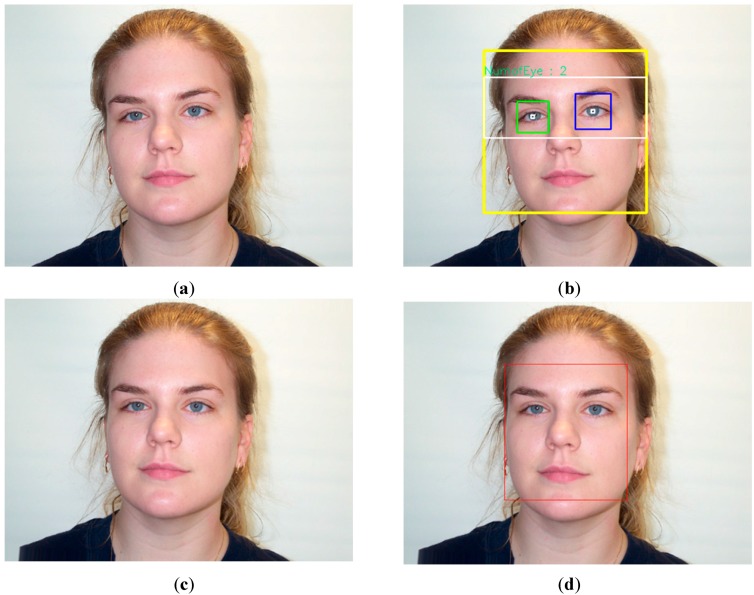 Figure 2
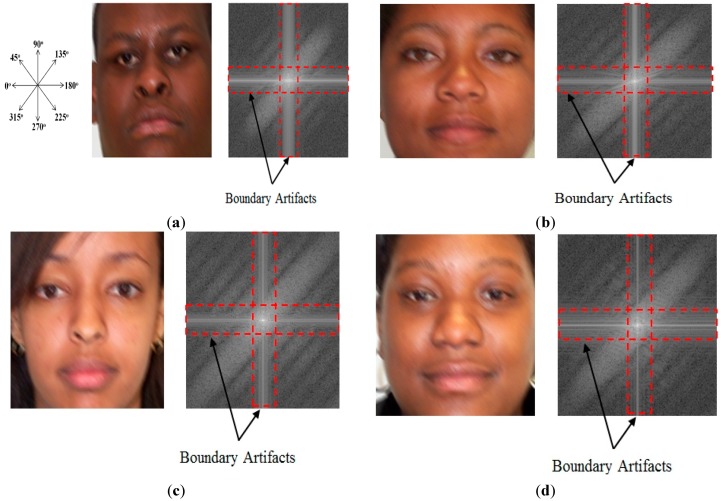 Figure 3
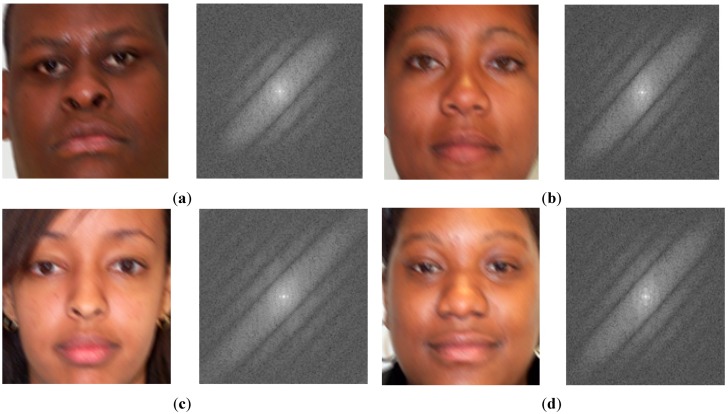 Figure 4
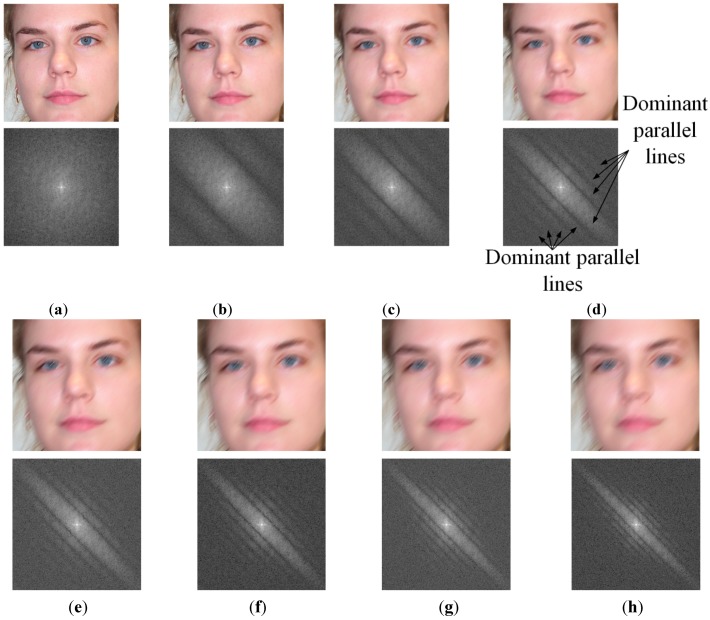 Figure 5
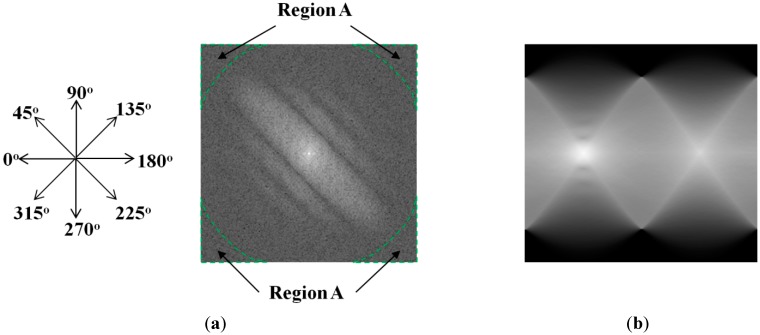 Figure 6
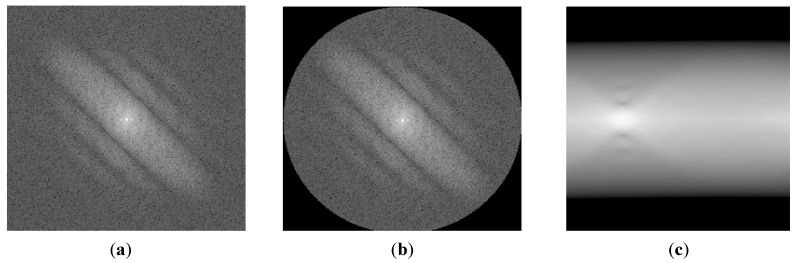 Figure 7
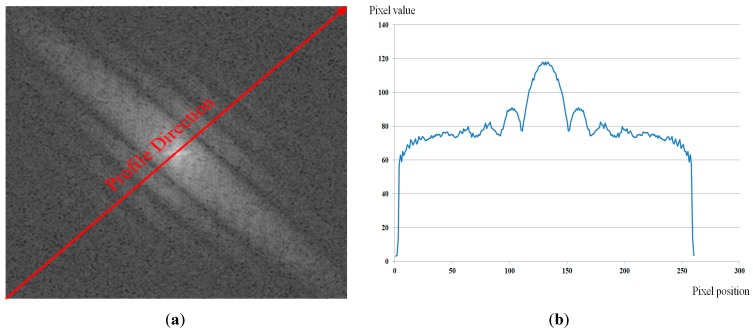 Figure 8
 Figure 9
 Figure 10
 Figure 11
 Figure 12
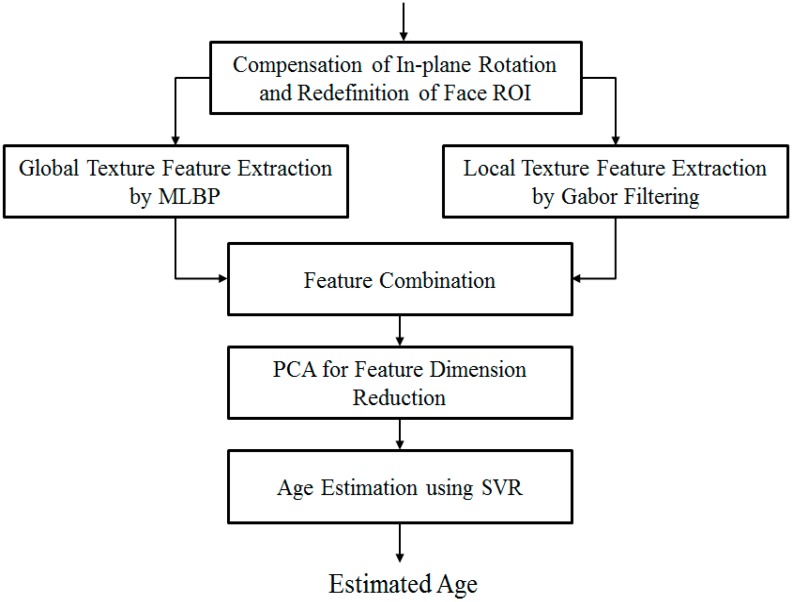 Figure 13
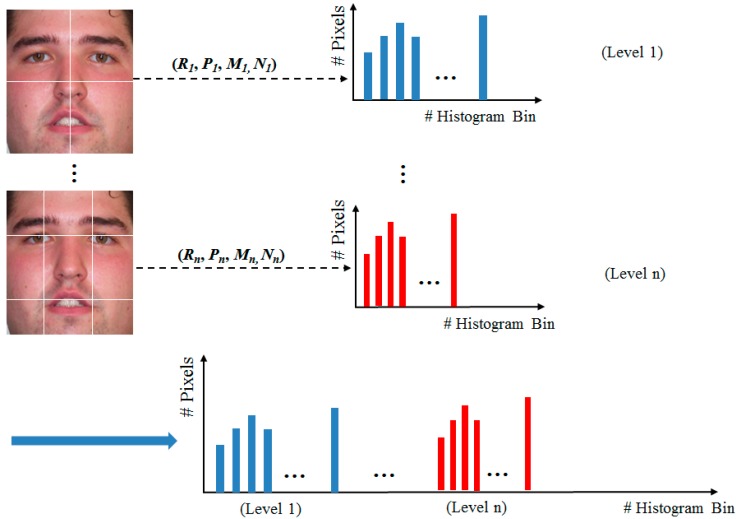 Figure 14
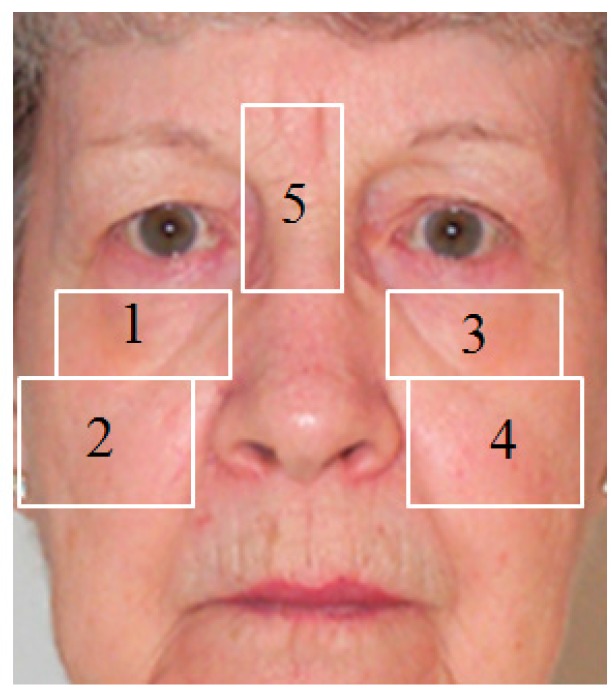 Figure 15
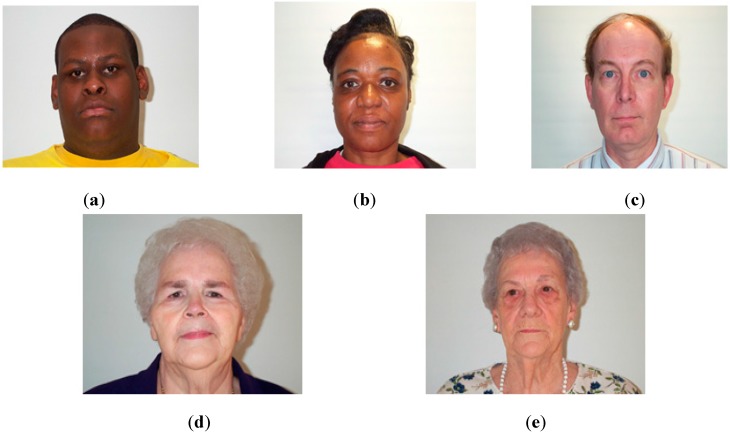 Figure 16
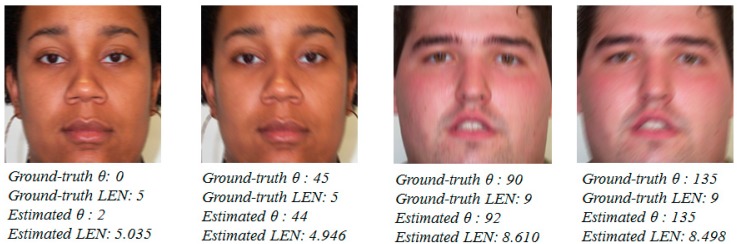 Figure 17
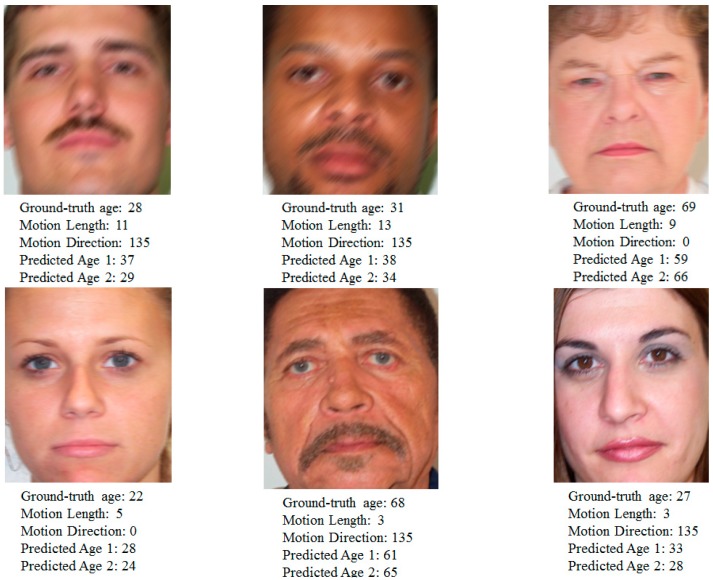 Figure 18
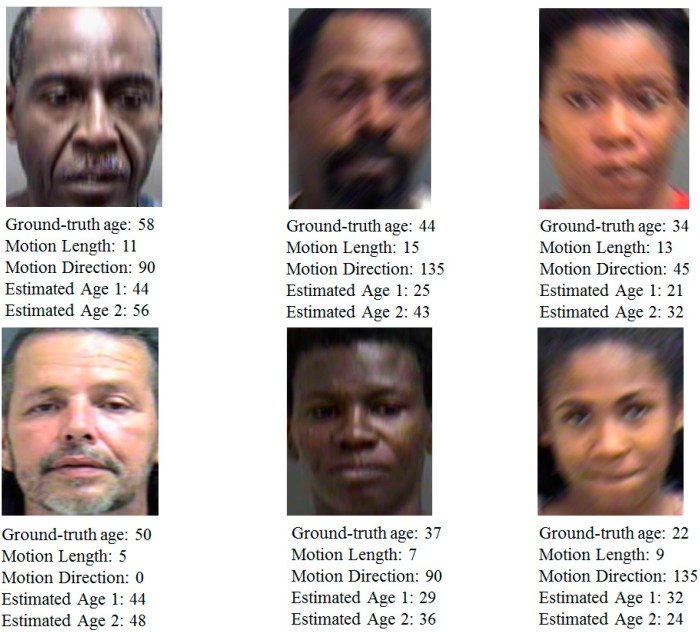 Figure 19
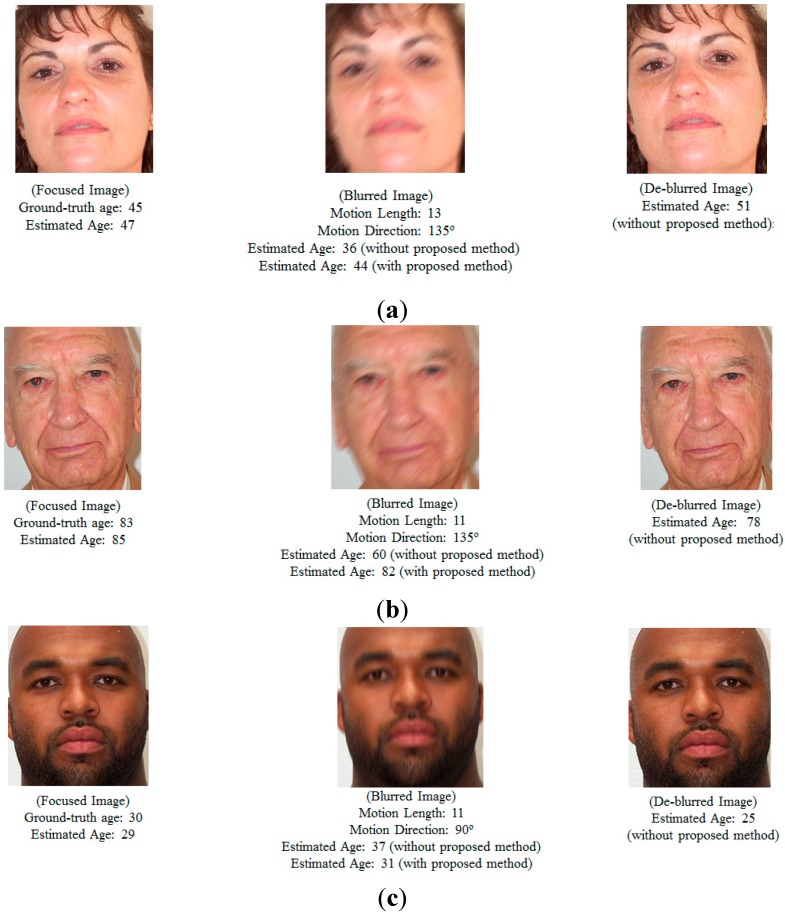 Figure 20
Peer Reviews
No public reviews on file for this paper yet. If you reviewed it on a platform where reviews are public (OpenReview, ICLR, NeurIPS, ICML), you can paste yours below so the community can read it here.
Videos
No videos yet. Explain this paper in a talk, walkthrough, or lecture? Add one.
Taxonomy
TopicsCardiac electrophysiology and arrhythmias · Italian Fascism and Post-war Society