GNSS Signal Tracking Performance Improvement for Highly Dynamic Receivers by Gyroscopic Mounting Crystal Oscillator
Maryam Abedi, Tian Jin, Kewen Sun

TL;DR
This paper shows that using a gyroscopic mounting method improves GNSS signal tracking in highly dynamic environments by reducing signal loss and frequency jitter.
Contribution
The novelty is demonstrating how gyroscopic mounting reduces signal loss and frequency deviation in highly dynamic GNSS receivers.
Findings
Gyroscopic mounting reduces signal loss in high dynamic flight scenarios.
The method suppresses frequency jitter below the FLL one-sigma threshold during steady-state loads.
It also reduces disturbances from random vibrations beyond the FLL three-sigma threshold.
Abstract
In this paper, the efficiency of the gyroscopic mounting method is studied for a highly dynamic GNSS receiver’s reference oscillator for reducing signal loss. Analyses are performed separately in two phases, atmospheric and upper atmospheric flights. Results show that the proposed mounting reduces signal loss, especially in parts of the trajectory where its probability is the highest. This reduction effect appears especially for crystal oscillators with a low elevation angle g-sensitivity vector. The gyroscopic mounting influences frequency deviation or jitter caused by dynamic loads on replica carrier and affects the frequency locked loop (FLL) as the dominant tracking loop in highly dynamic GNSS receivers. In terms of steady-state load, the proposed mounting mostly reduces the frequency deviation below the one-sigma threshold of FLL (1σFLL). The mounting method can also reduce the…
Genes, proteins, chemicals, diseases, species, mutations and cell lines named across the full text — each resolved to its canonical identifier and authoritative record.
Click any figure to enlarge with its caption.
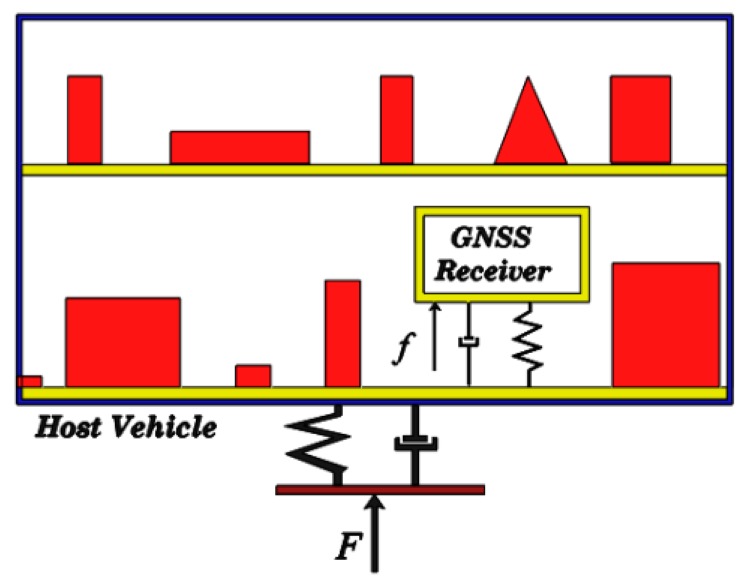 Figure 1
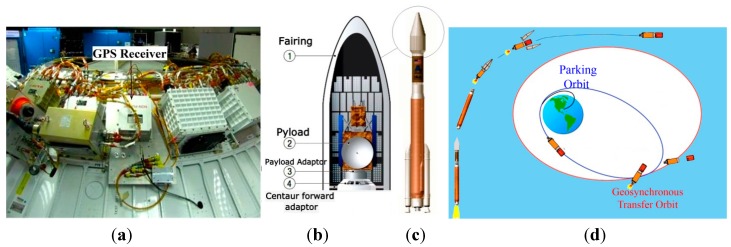 Figure 2
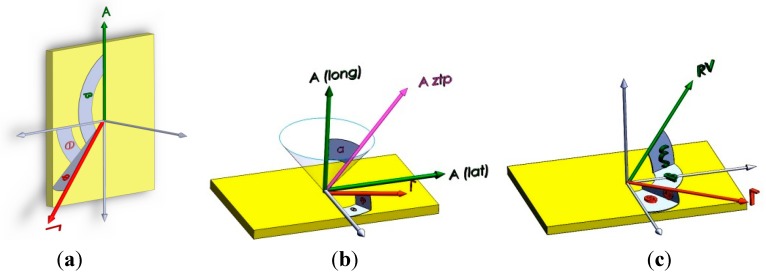 Figure 3
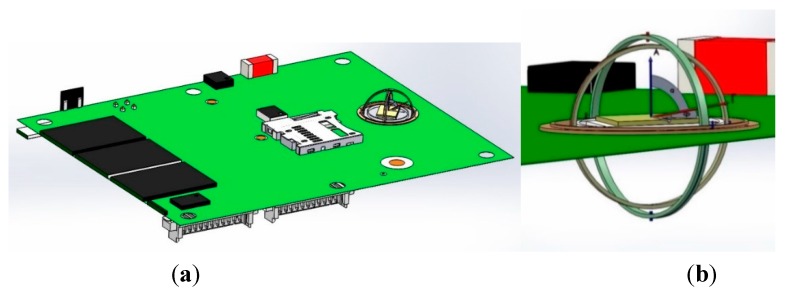 Figure 4
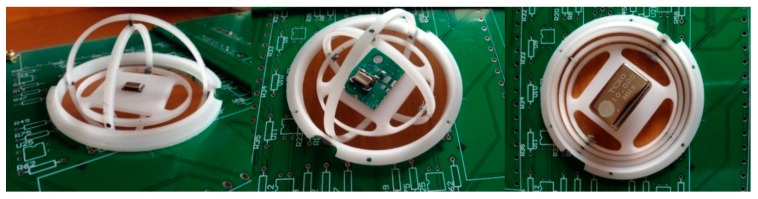 Figure 5
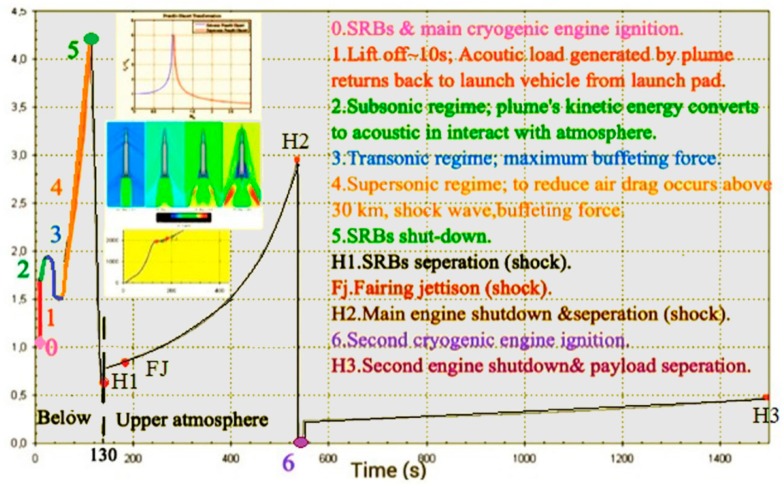 Figure 6
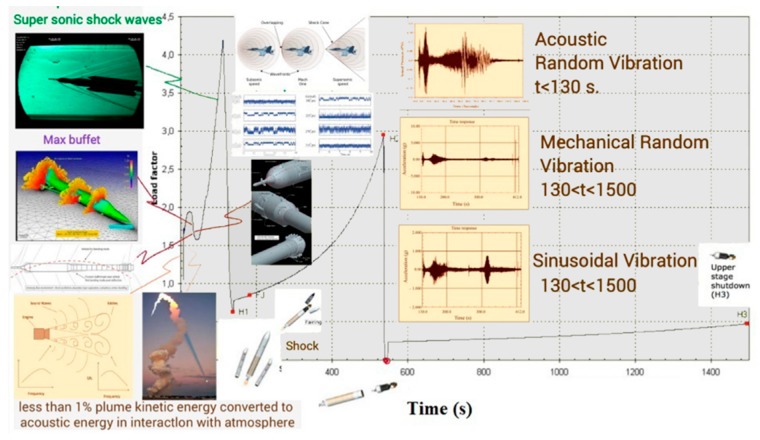 Figure 7
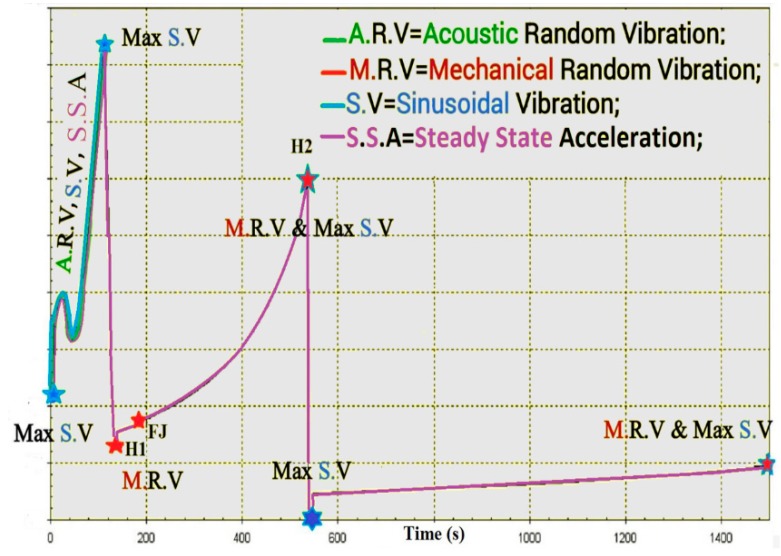 Figure 8
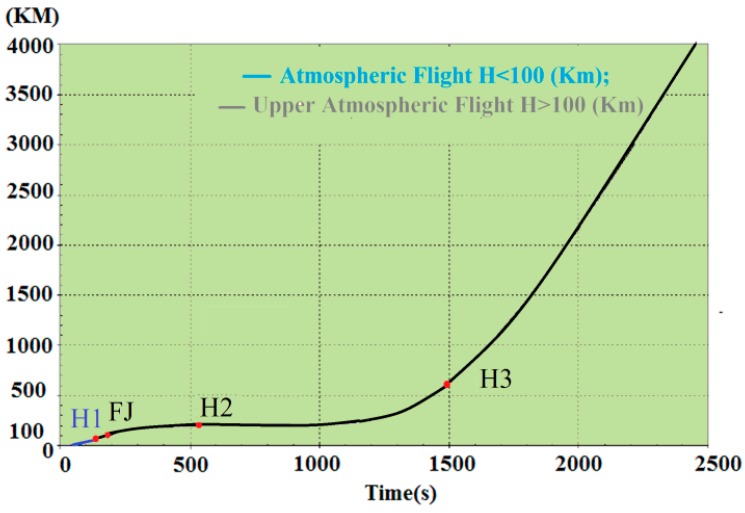 Figure 9
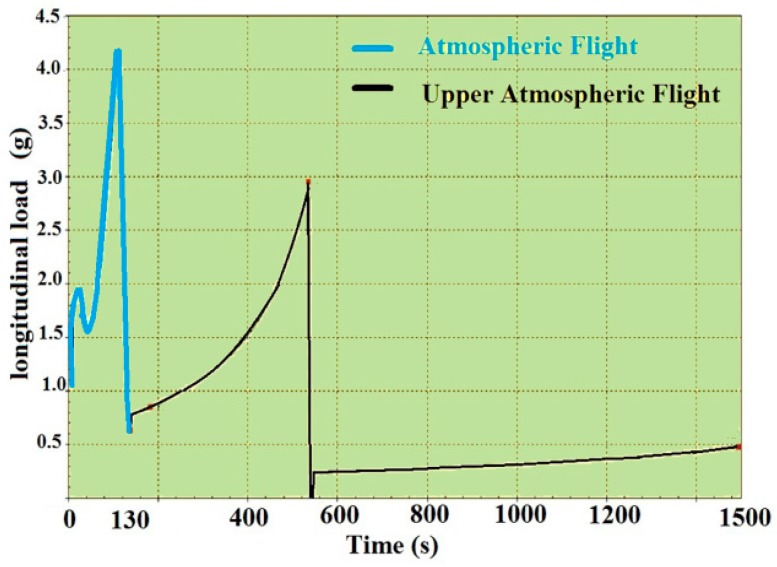 Figure 10
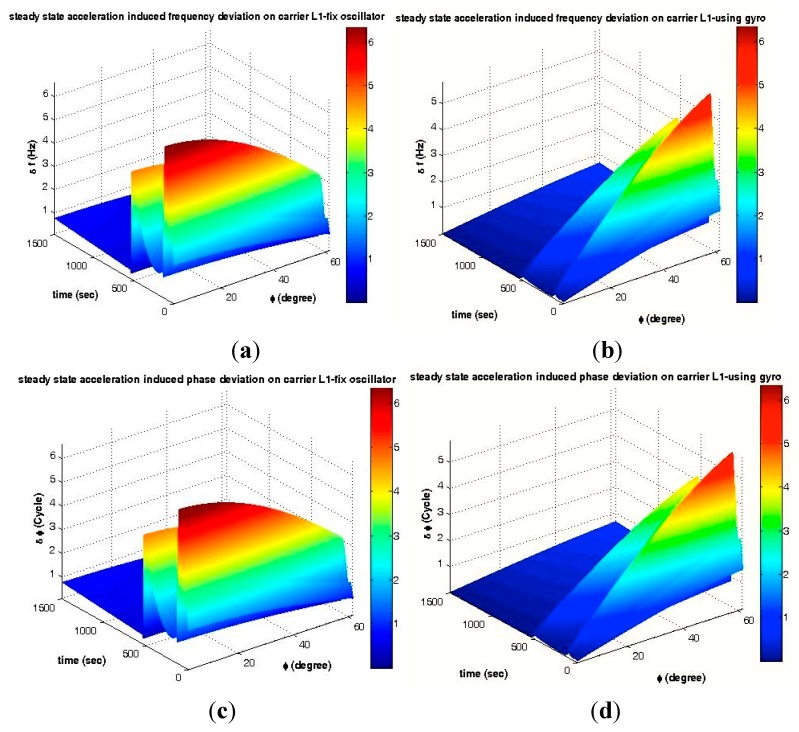 Figure 11
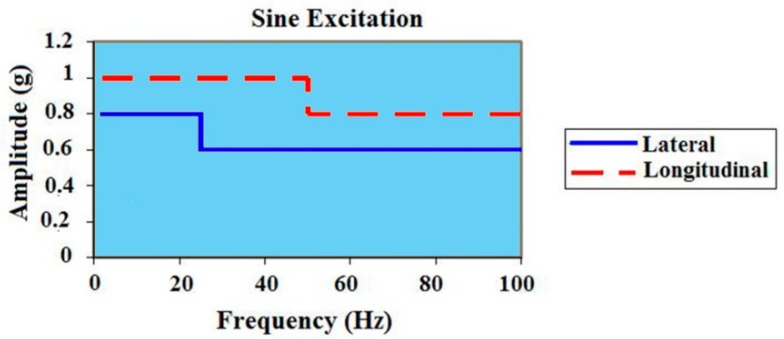 Figure 12
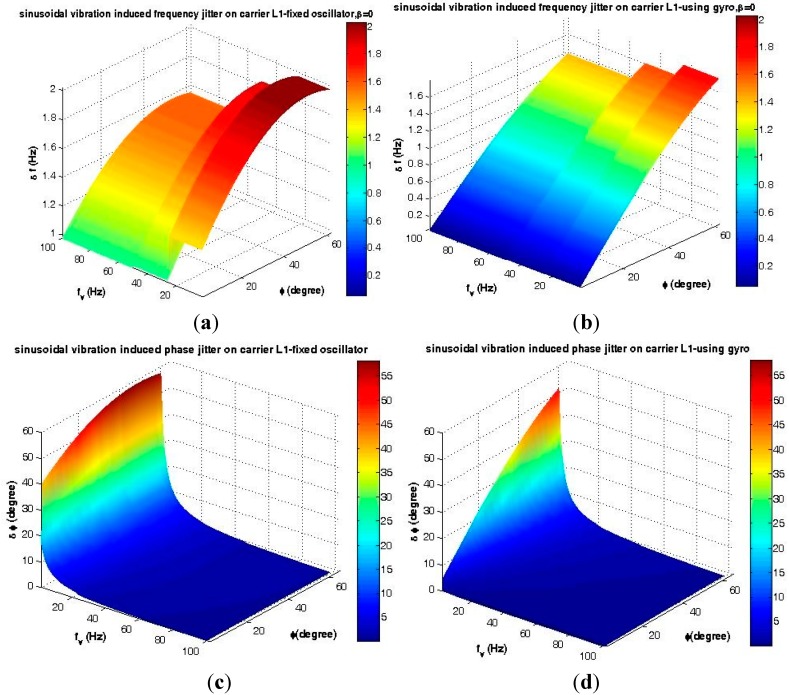 Figure 13
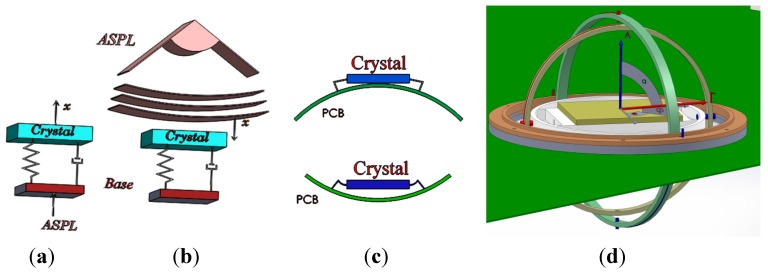 Figure 14
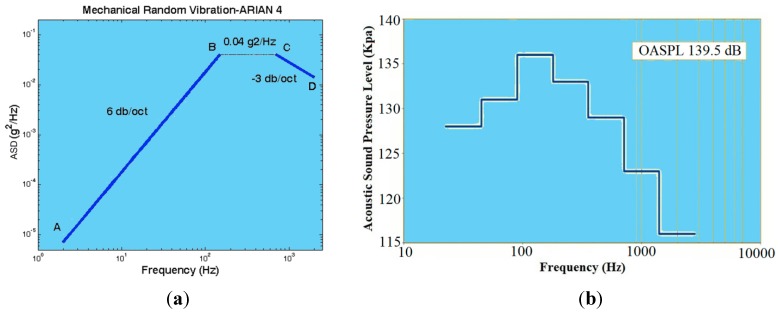 Figure 15
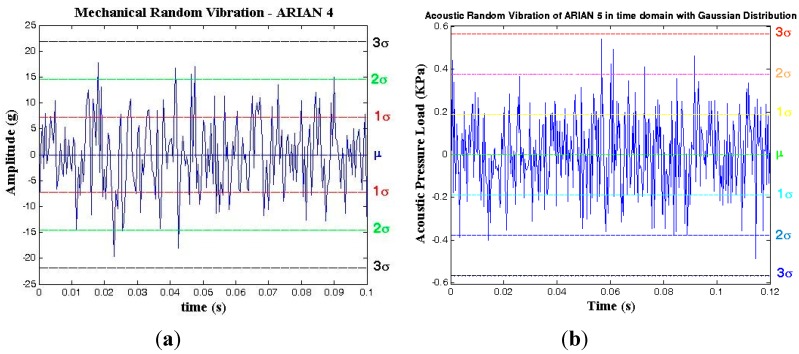 Figure 16
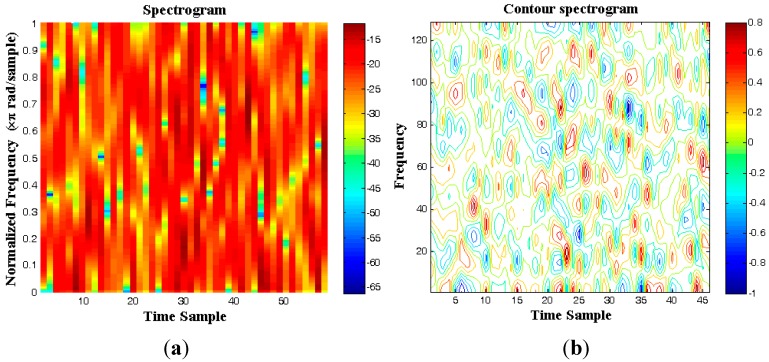 Figure 17
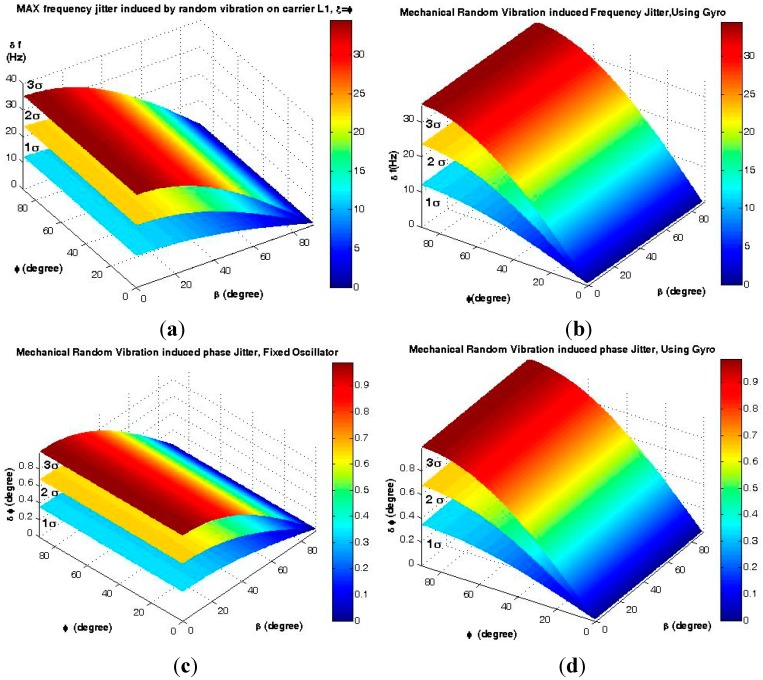 Figure 18
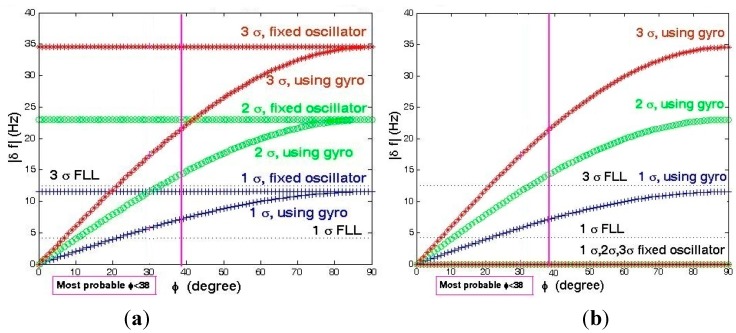 Figure 19
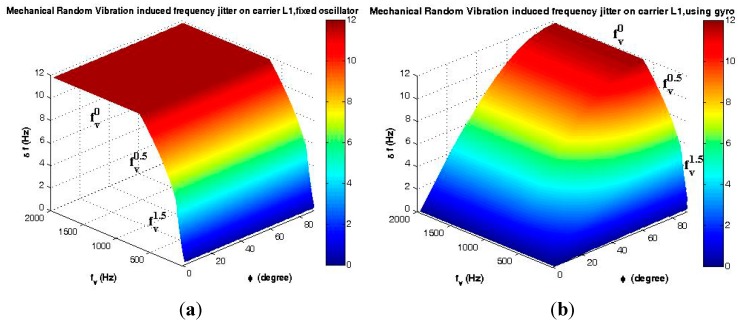 Figure 20
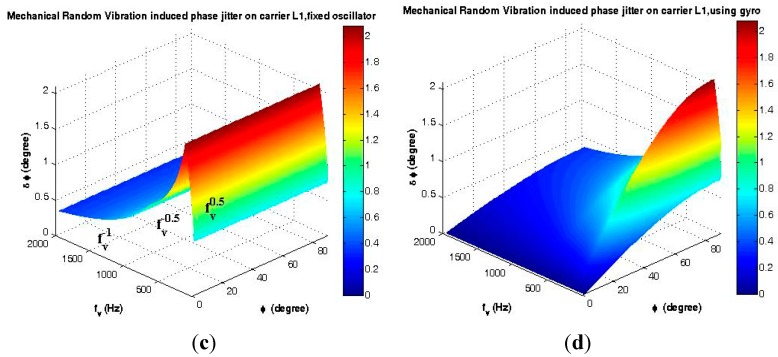 Figure 21
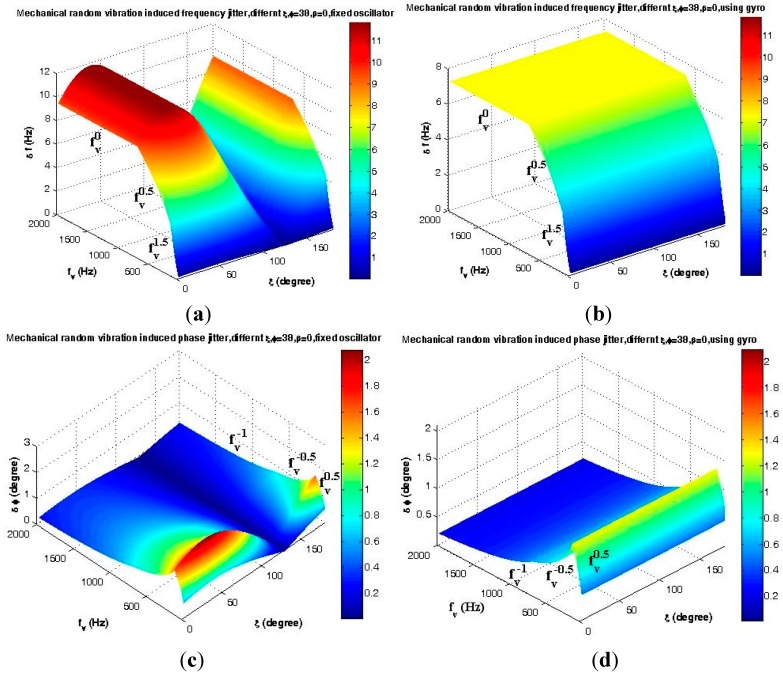 Figure 22
Peer Reviews
No public reviews on file for this paper yet. If you reviewed it on a platform where reviews are public (OpenReview, ICLR, NeurIPS, ICML), you can paste yours below so the community can read it here.
Videos
No videos yet. Explain this paper in a talk, walkthrough, or lecture? Add one.
Taxonomy
TopicsMagnetic Bearings and Levitation Dynamics · Geophysics and Sensor Technology · Vibration Control and Rheological Fluids