Canine MPV17 truncation without clinical manifestations
Reetta L. Hänninen, Saija Ahonen, Merce Màrquez, Maarit J. Myöhänen, Marjo K. Hytönen, Hannes Lohi

TL;DR
A MPV17 gene mutation in dogs causes protein truncation but no obvious health issues, suggesting species differences in disease manifestation.
Contribution
Identifies a MPV17 truncation mutation in dogs with no clinical symptoms, establishing a new large animal model for mitochondrial research.
Findings
A 1-bp insertion in MPV17 exon 4 causes frameshift and protein truncation in dogs.
MPV17 expression is reduced in homozygous dogs, and the truncated protein is not translated in transfected cells.
No common phenotypes are observed in affected dogs, despite the mutation being highly enriched in Boxers.
Abstract
Mitochondrial DNA depletion syndromes (MDS) are often serious autosomal recessively inherited disorders characterized by tissue-specific mtDNA copy number reduction. Many genes, including MPV17, are associated with the hepatocerebral form of MDS. MPV17 encodes for a mitochondrial inner membrane protein with a poorly characterized function. Several MPV17 mutations have been reported in association with a heterogeneous group of early-onset manifestations, including liver disease and neurological problems. Mpv17-deficient mice present renal and hearing defects. We describe here a MPV17 truncation mutation in dogs. We found a 1-bp insertion in exon 4 of the MPV17 gene, resulting in a frameshift and early truncation of the encoded protein. The mutation halves MPV17 expression in the lymphocytes of the homozygous dogs and the truncated protein is not translated in transfected cells. The…
Genes, proteins, chemicals, diseases, species, mutations and cell lines named across the full text — each resolved to its canonical identifier and authoritative record.
Click any figure to enlarge with its caption.
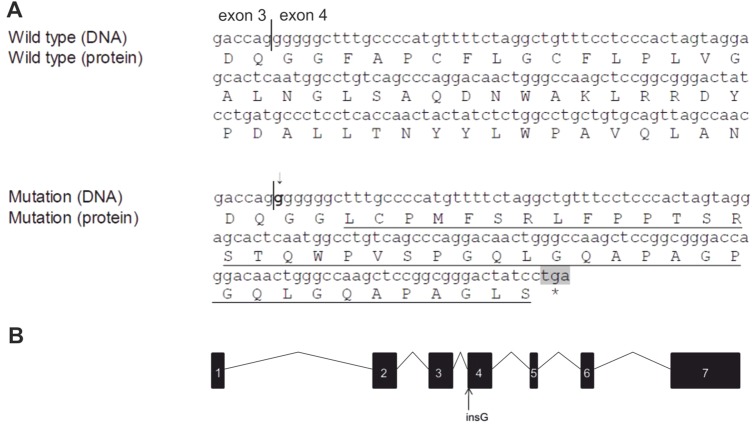 Figure 1
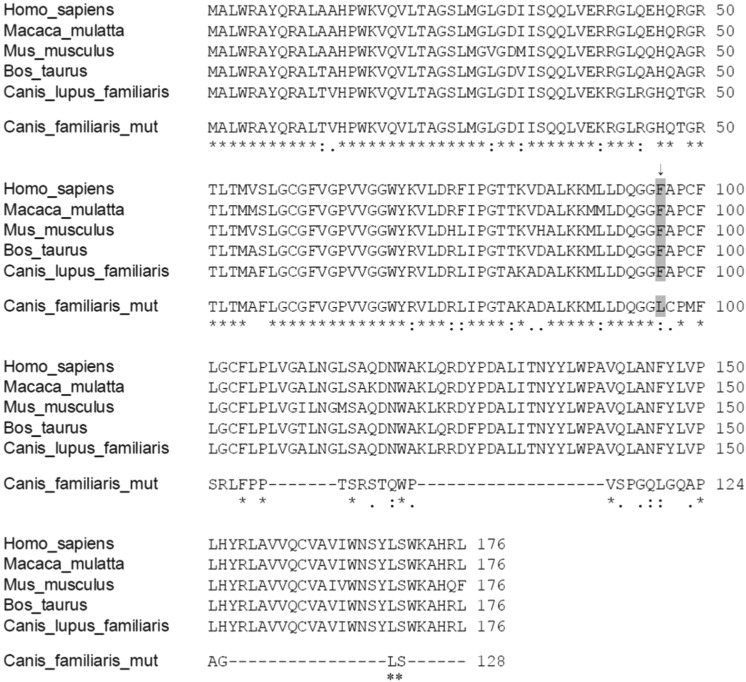 Figure 2
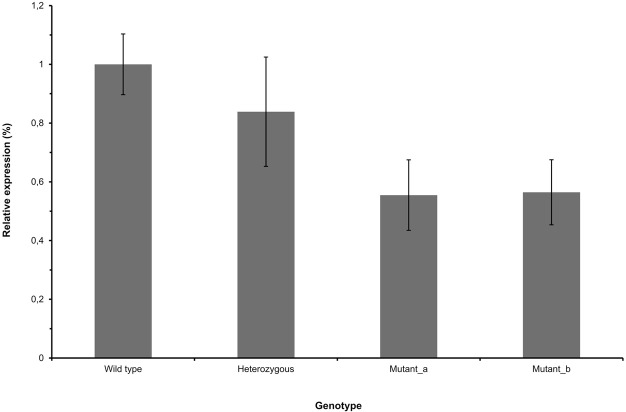 Figure 3
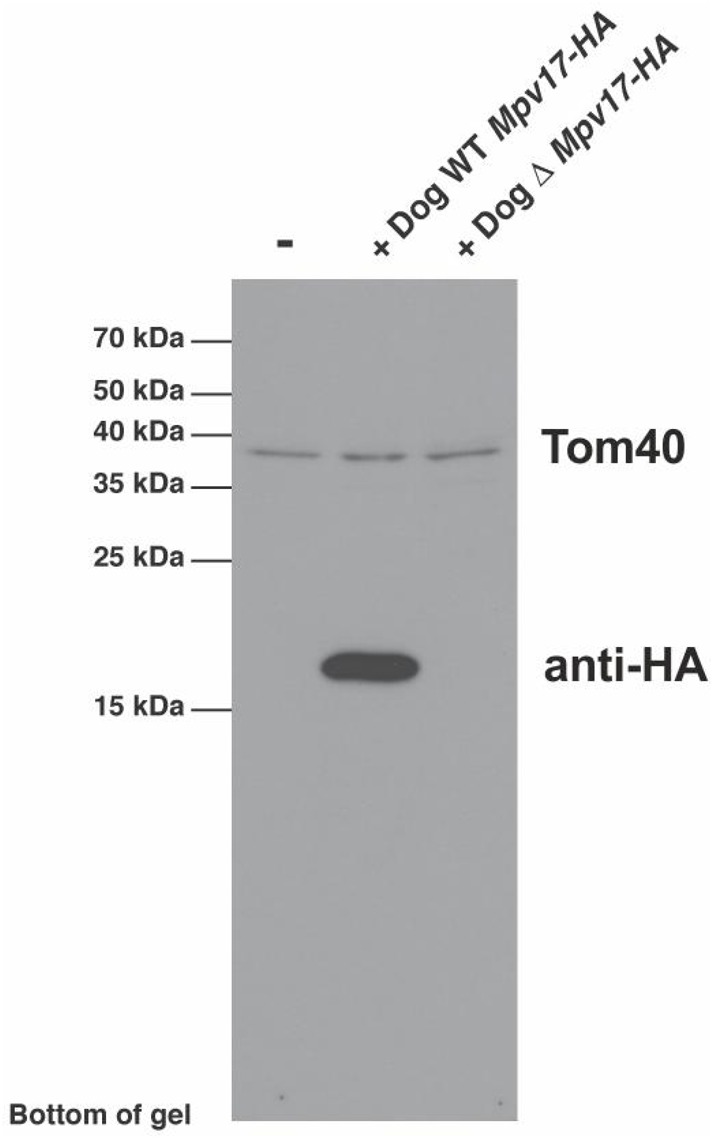 Figure 4
Peer Reviews
No public reviews on file for this paper yet. If you reviewed it on a platform where reviews are public (OpenReview, ICLR, NeurIPS, ICML), you can paste yours below so the community can read it here.
Videos
No videos yet. Explain this paper in a talk, walkthrough, or lecture? Add one.
Taxonomy
TopicsMitochondrial Function and Pathology · Metabolism and Genetic Disorders · Peroxisome Proliferator-Activated Receptors