Structural and Functional Analysis of Murine Polyomavirus Capsid Proteins Establish the Determinants of Ligand Recognition and Pathogenicity
Michael H. C. Buch, A. Manuel Liaci, Samantha D. O’Hara, Robert L. Garcea, Ursula Neu, Thilo Stehle

TL;DR
This study explores how small changes in a virus's protein affect its ability to bind to cell receptors and cause disease in mice.
Contribution
The study identifies a new ganglioside receptor and reveals how subtle amino acid changes in the virus's protein influence receptor binding and pathogenicity.
Findings
A new infectious ganglioside receptor with an [α-2,8]-linked sialic acid was identified.
Crystal structures show how different MuPyV strains bind to sialylated glycans with varying affinities.
Amino acid changes in VP1 affect receptor affinity but not binding mode, influencing viral pathogenicity.
Abstract
Murine polyomavirus (MuPyV) causes tumors of various origins in newborn mice and hamsters. Infection is initiated by attachment of the virus to ganglioside receptors at the cell surface. Single amino acid exchanges in the receptor-binding pocket of the major capsid protein VP1 are known to drastically alter tumorigenicity and spread in closely related MuPyV strains. The virus represents a rare example of differential receptor recognition directly influencing viral pathogenicity, although the factors underlying these differences remain unclear. We performed structural and functional analyses of three MuPyV strains with strikingly different pathogenicities: the low-tumorigenicity strain RA, the high-pathogenicity strain PTA, and the rapidly growing, lethal laboratory isolate strain LID. Using ganglioside deficient mouse embryo fibroblasts, we show that addition of specific gangliosides…
Genes, proteins, chemicals, diseases, species, mutations and cell lines named across the full text — each resolved to its canonical identifier and authoritative record.
Click any figure to enlarge with its caption.
 Figure 1
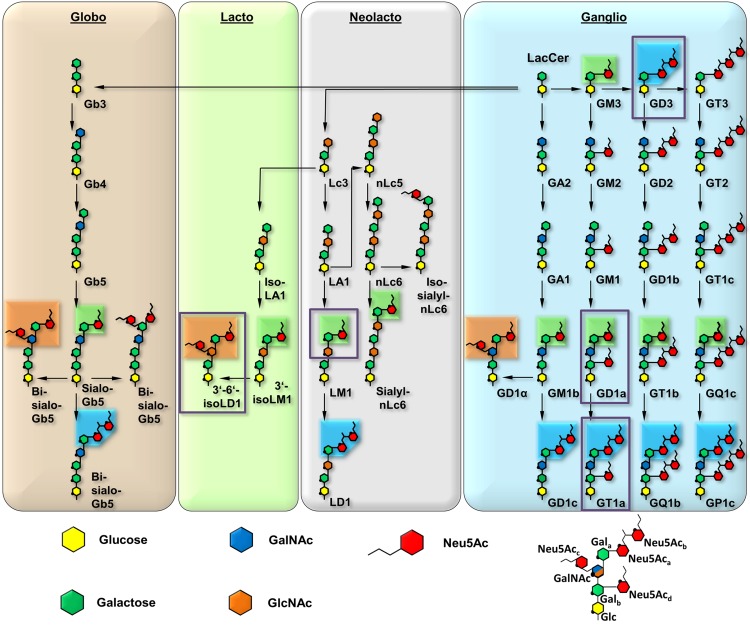 Figure 2
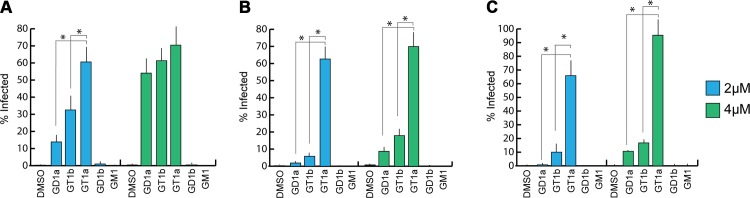 Figure 3
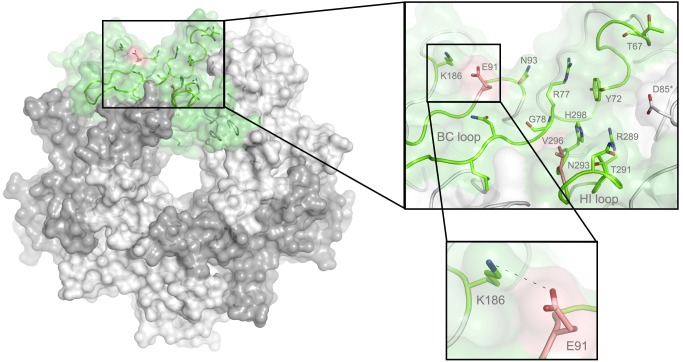 Figure 4
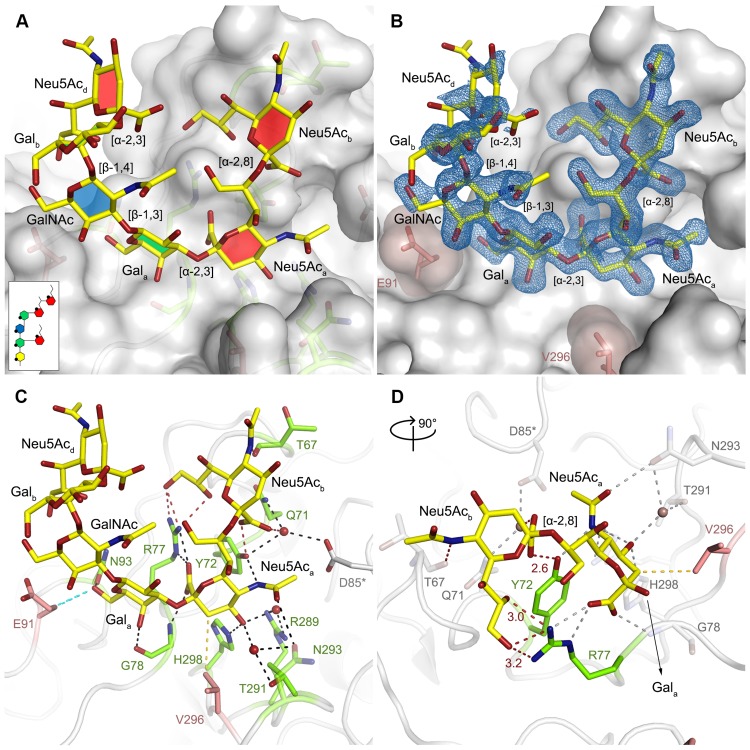 Figure 5
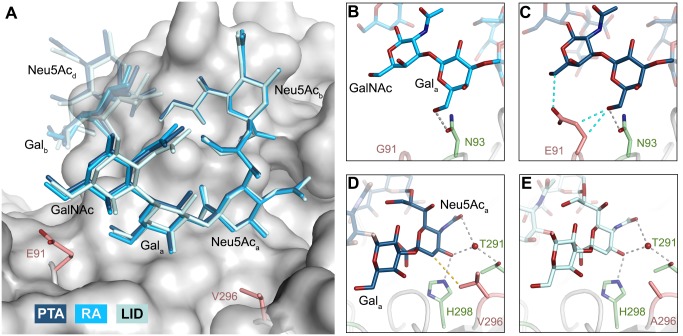 Figure 6
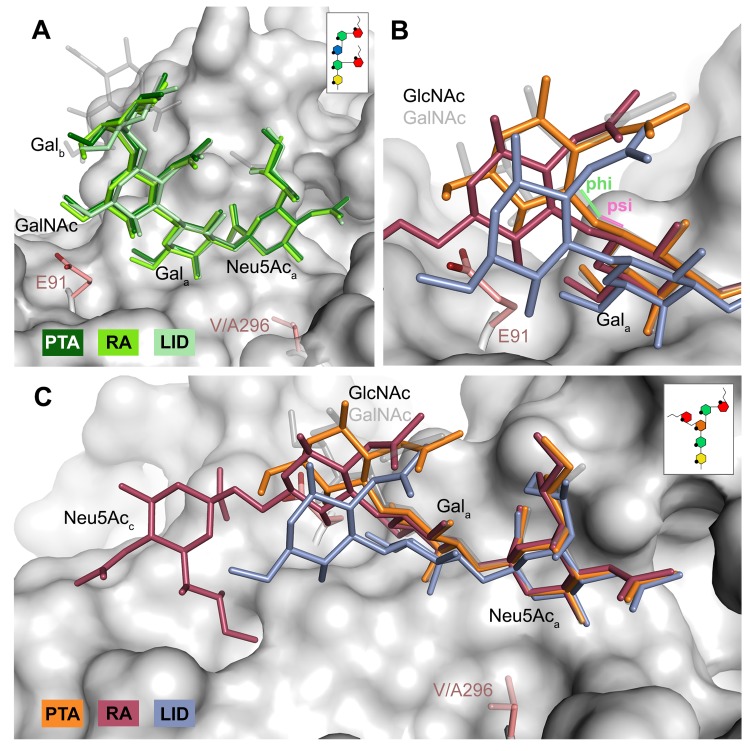 Figure 7
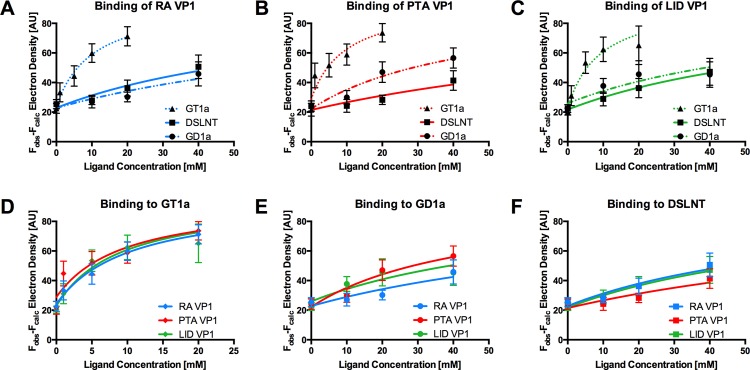 Figure 8
 Figure 9
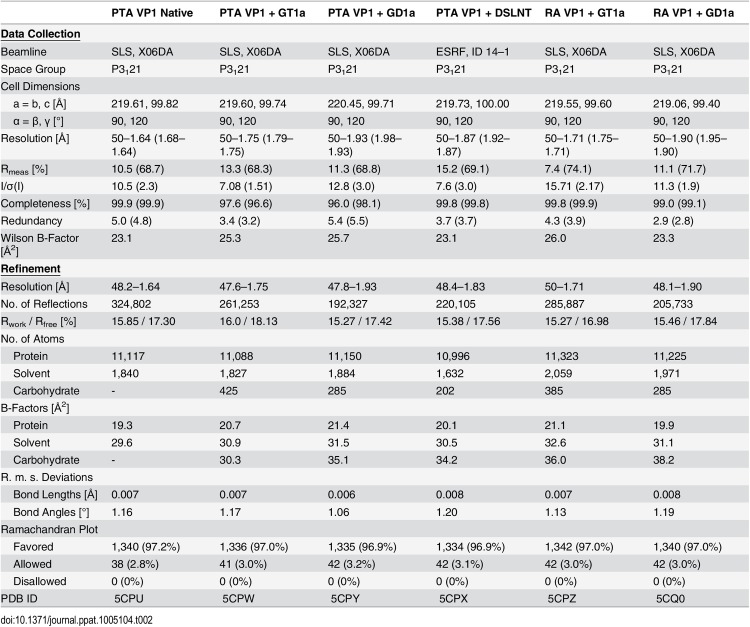 Figure 10
Peer Reviews
No public reviews on file for this paper yet. If you reviewed it on a platform where reviews are public (OpenReview, ICLR, NeurIPS, ICML), you can paste yours below so the community can read it here.
Videos
No videos yet. Explain this paper in a talk, walkthrough, or lecture? Add one.
Taxonomy
TopicsEducation and Teacher Training · Higher Education Teaching and Evaluation · Educational theories and practices