Gene expression profiling of the human natural killer cell response to Fc receptor activation: unique enhancement in the presence of interleukin-12
Amanda R. Campbell, Kelly Regan, Neela Bhave, Arka Pattanayak, Robin Parihar, Andrew R. Stiff, Prashant Trikha, Steven D. Scoville, Sandya Liyanarachchi, Sri Vidya Kondadasula, Omkar Lele, Ramana Davuluri, Philip R. O. Payne, William E. Carson

TL;DR
This study explores how natural killer cells respond to activation signals and finds that interleukin-12 enhances their gene expression, potentially improving their ability to fight cancer.
Contribution
The study identifies a unique gene expression profile in NK cells when activated by Fc receptors and interleukin-12.
Findings
Co-stimulation with FcR and IL-12 leads to a unique gene expression pattern in NK cells.
Key genes like BATF, IRF4, TBX21, and IFNG are identified as important in the activated NK cell network.
The findings suggest potential targets for enhancing anti-tumor activity of NK cells.
Abstract
Traditionally, the CD56dimCD16+ subset of Natural Killer (NK) cells has been thought to mediate cellular cytotoxicity with modest cytokine secretion capacity. However, studies have suggested that this subset may exert a more diverse array of immunological functions. There exists a lack of well-developed functional models to describe the behavior of activated NK cells, and the interactions between signaling pathways that facilitate effector functions are not well understood. In the present study, a combination of genome-wide microarray analyses and systems-level bioinformatics approaches were utilized to elucidate the transcriptional landscape of NK cells activated via interactions with antibody-coated targets in the presence of interleukin-12 (IL-12). We conducted differential gene expression analysis of CD56dimCD16+ NK cells following FcR stimulation in the presence or absence of…
Genes, proteins, chemicals, diseases, species, mutations and cell lines named across the full text — each resolved to its canonical identifier and authoritative record.
Click any figure to enlarge with its caption.
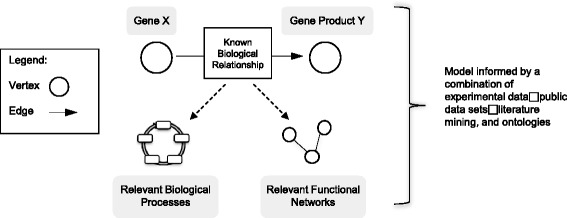 Figure 1
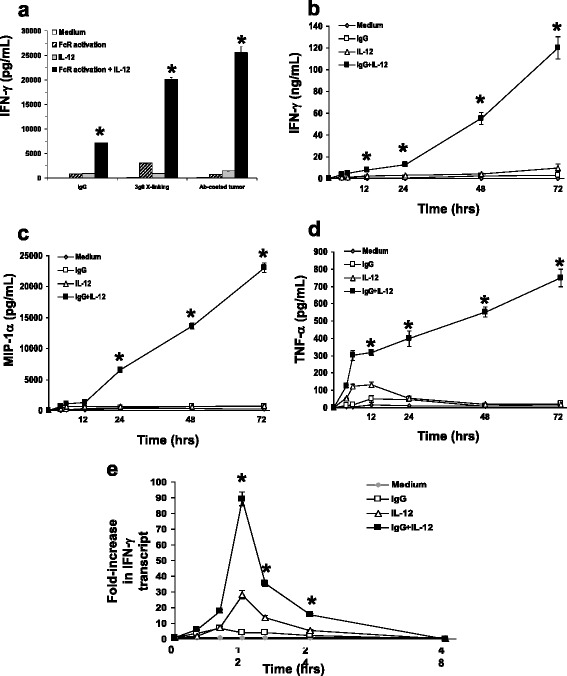 Figure 2
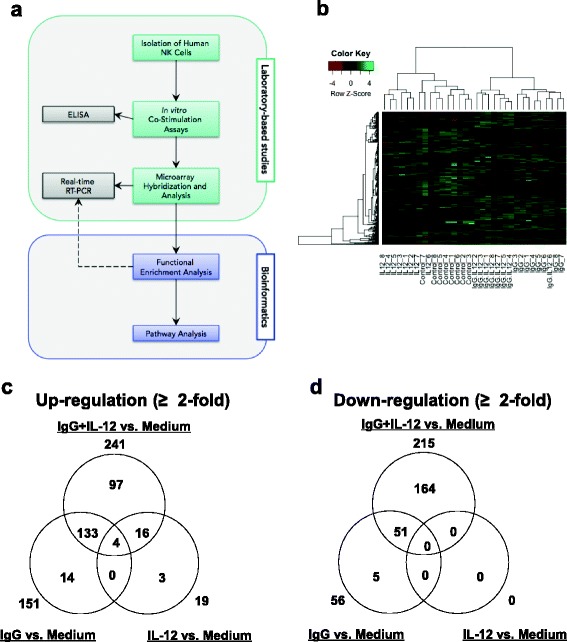 Figure 3
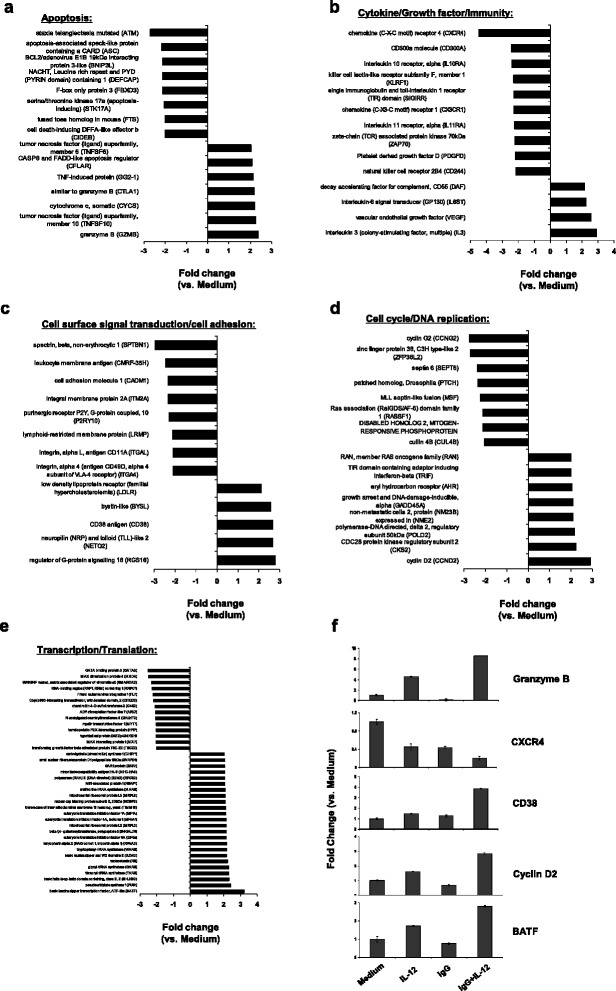 Figure 4
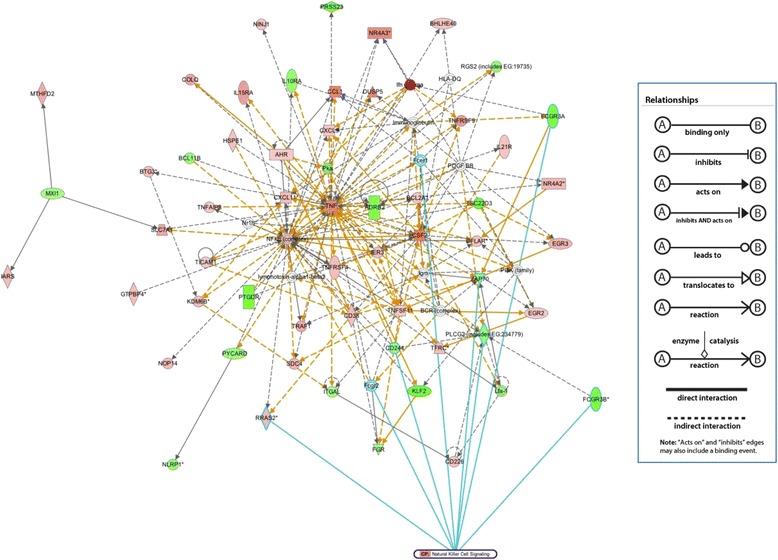 Figure 5
Peer Reviews
No public reviews on file for this paper yet. If you reviewed it on a platform where reviews are public (OpenReview, ICLR, NeurIPS, ICML), you can paste yours below so the community can read it here.
Videos
No videos yet. Explain this paper in a talk, walkthrough, or lecture? Add one.
Taxonomy
TopicsLegal Studies and Reforms · Ukrainian Legal and Forensic Studies