Genome-wide identification and functional analysis of lincRNAs acting as miRNA targets or decoys in maize
Chunyan Fan, Zhiqiang Hao, Jiahong Yan, Guanglin Li

TL;DR
This study identifies and analyzes long noncoding RNAs in maize that act as microRNA targets or decoys, revealing their role in gene regulation networks.
Contribution
A computational method was developed to systematically predict lincRNAs functioning as miRNA targets or decoys in maize.
Findings
466 lincRNAs were predicted as miRNA targets and 86 as miRNA decoys in maize.
34 lincRNAs predicted as miRNA targets were validated using degradome data.
LincRNAs were found to participate in cellular and metabolic processes through miRNA interactions.
Abstract
Long intergenic noncoding RNAs (lincRNAs) are endogenous non-coding RNAs (ncRNAs) that are transcribed from ‘intergenic’ regions of the genome and may play critical roles in regulating gene expression through multiple RNA-mediated mechanisms. MicroRNAs (miRNAs) are single-stranded small ncRNAs of approximately 21–24 nucleotide (nt) that are involved in transcriptional and post-transcriptional gene regulation. While miRNAs functioning as mRNA repressors have been studied in detail, the influence of miRNAs on lincRNAs has seldom been investigated in plants. LincRNAs as miRNA targets or decoys were predicted via GSTAr.pl script with a set of rules, and lincRNAs as miRNA targets were validated by degradome data. Conservation analysis of lincRNAs as miRNA targets or decoys were conducted using BLASTN and MAFFT. The function of lincRNAs as miRNA targets were predicted via a lincRNA-mRNA…
Genes, proteins, chemicals, diseases, species, mutations and cell lines named across the full text — each resolved to its canonical identifier and authoritative record.
Click any figure to enlarge with its caption.
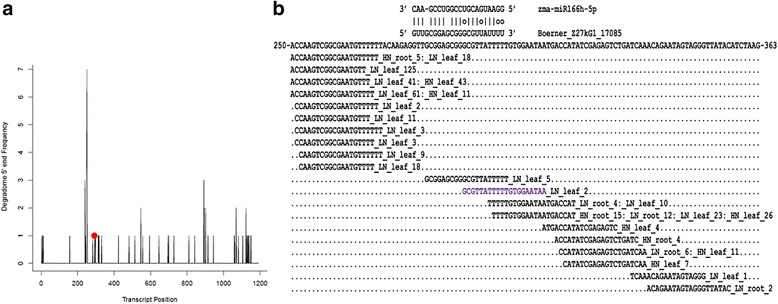 Figure 1
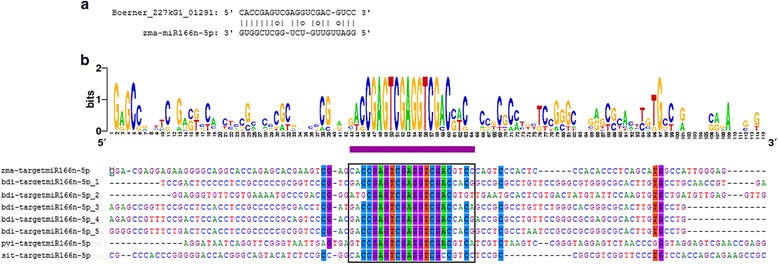 Figure 2
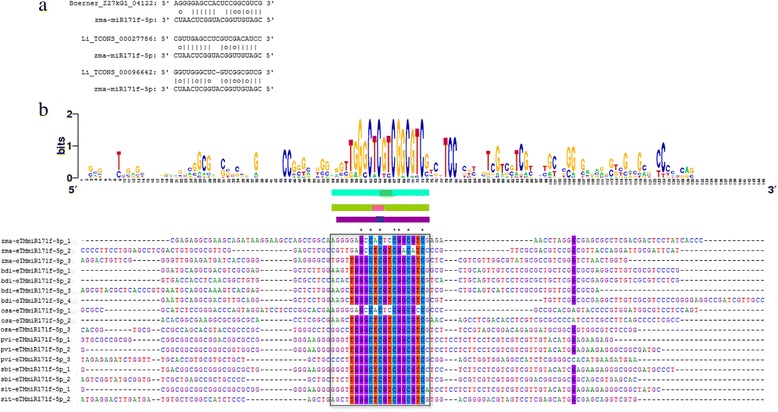 Figure 3
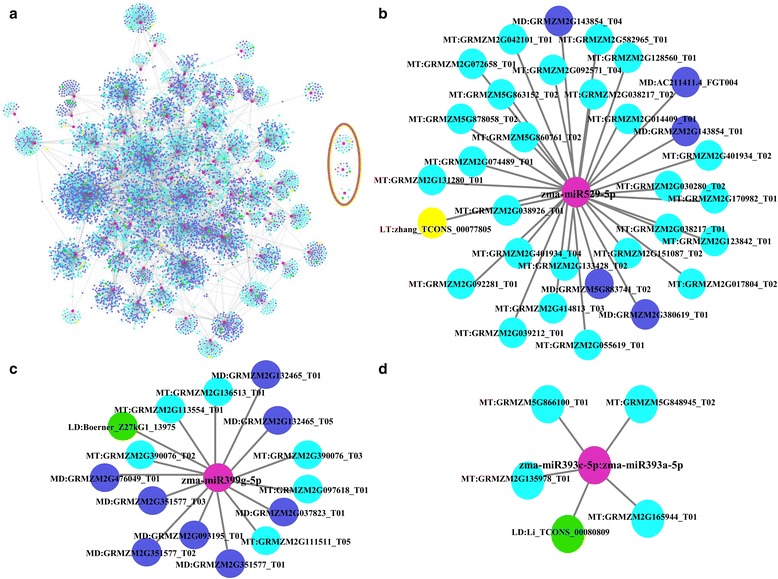 Figure 4
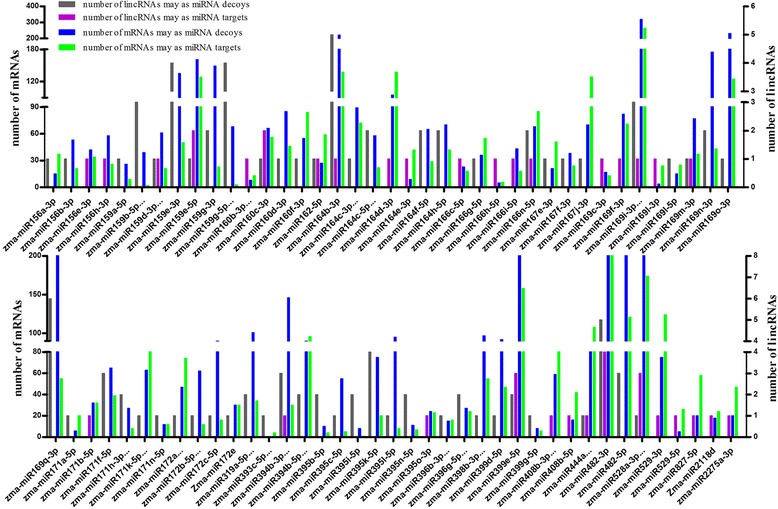 Figure 5
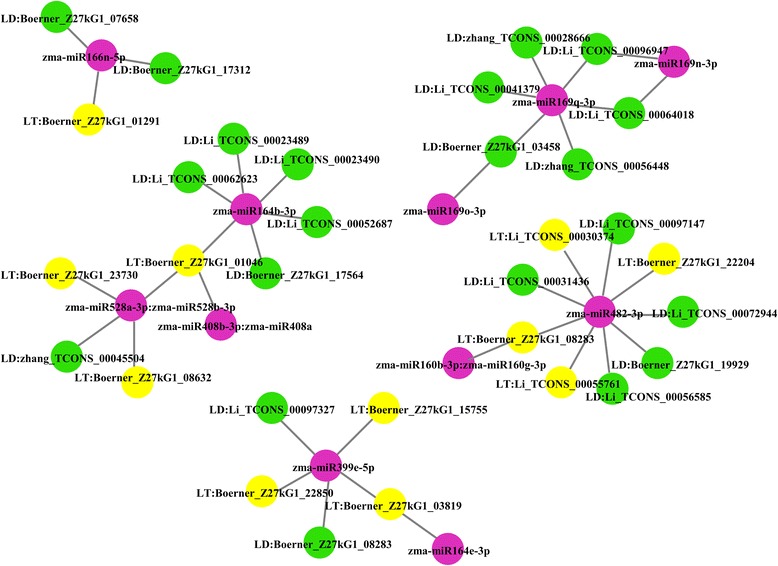 Figure 6
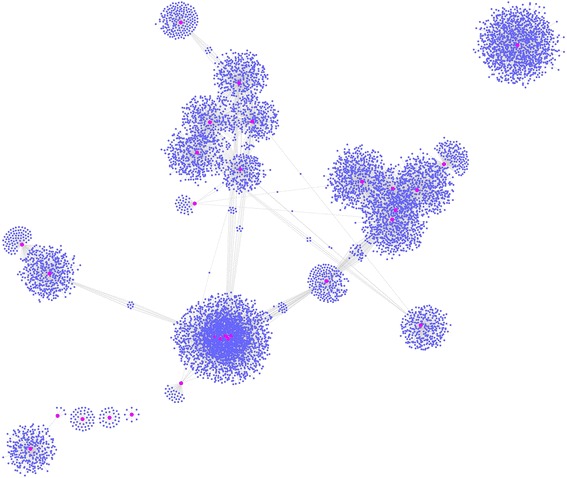 Figure 7
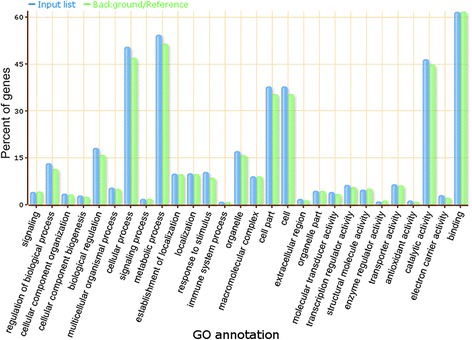 Figure 8
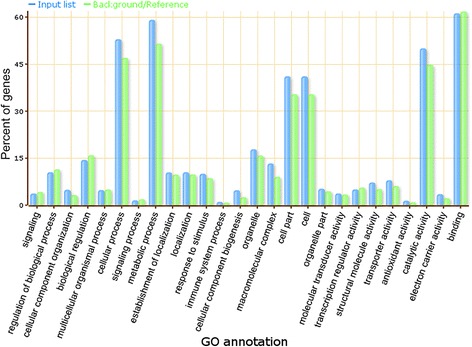 Figure 9
Peer Reviews
No public reviews on file for this paper yet. If you reviewed it on a platform where reviews are public (OpenReview, ICLR, NeurIPS, ICML), you can paste yours below so the community can read it here.
Videos
No videos yet. Explain this paper in a talk, walkthrough, or lecture? Add one.
Taxonomy
TopicsReligious and Theological Studies