Cellular Metabolic Network Analysis: Discovering Important Reactions in Treponema pallidum
Xueying Chen, Min Zhao, Hong Qu

TL;DR
This paper identifies key metabolic reactions in Treponema pallidum, the syphilis-causing bacterium, to help develop better treatments and vaccines.
Contribution
The study uses Flux Balance Analysis and minimal cut sets to identify critical metabolic reactions in T. pallidum.
Findings
Two types of reactions in nucleic acid metabolism are essential for T. pallidum.
Hubs and isolated reactions in purine and pyrimidine metabolisms are important for the pathogen.
The approach helps identify potential drug targets specific to T. pallidum.
Abstract
T. pallidum, the syphilis-causing pathogen, performs very differently in metabolism compared with other bacterial pathogens. The desire for safe and effective vaccine of syphilis requests identification of important steps in T. pallidum's metabolism. Here, we apply Flux Balance Analysis to represent the reactions quantitatively. Thus, it is possible to cluster all reactions in T. pallidum. By calculating minimal cut sets and analyzing topological structure for the metabolic network of T. pallidum, critical reactions are identified. As a comparison, we also apply the analytical approaches to the metabolic network of H. pylori to find coregulated drug targets and unique drug targets for different microorganisms. Based on the clustering results, all reactions are further classified into various roles. Therefore, the general picture of their metabolic network is obtained and two types of…
Genes, proteins, chemicals, diseases, species, mutations and cell lines named across the full text — each resolved to its canonical identifier and authoritative record.
Click any figure to enlarge with its caption.
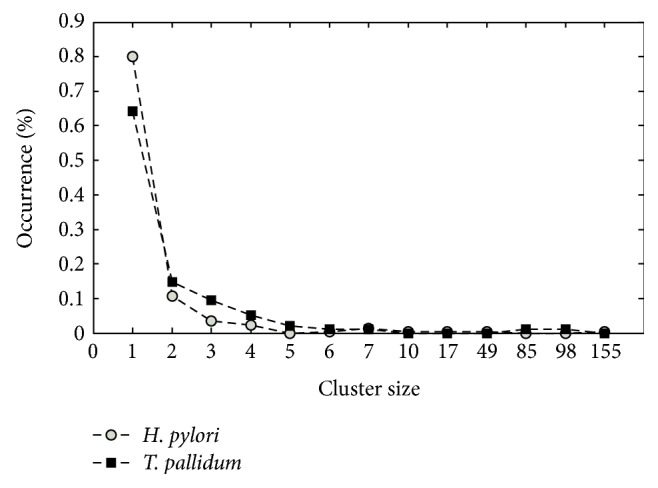 Figure 1
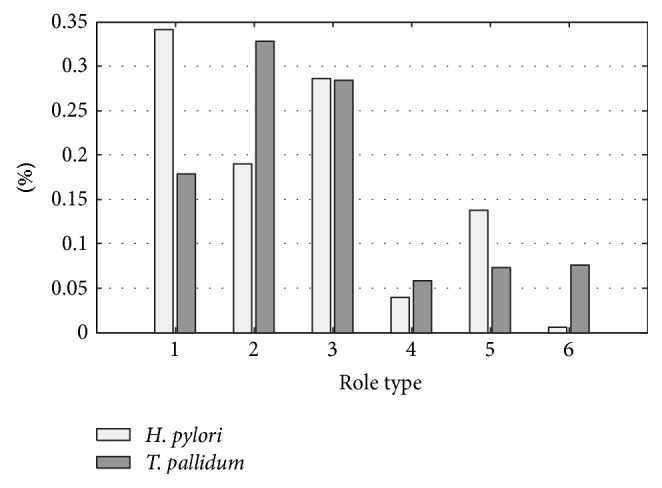 Figure 2
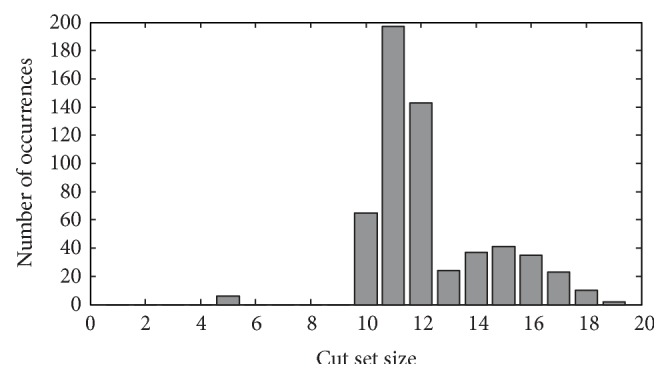 Figure 3
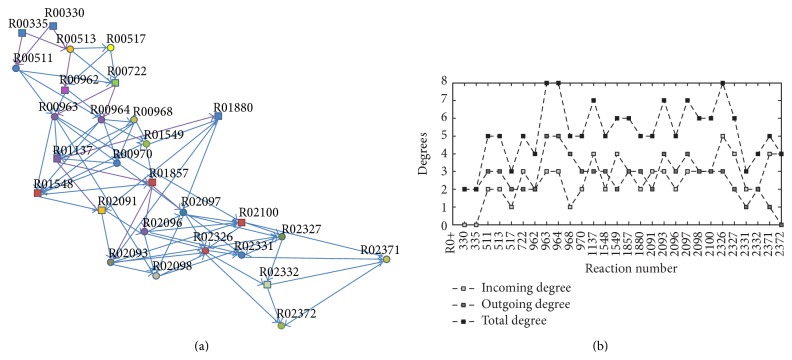 Figure 4
 Figure 5
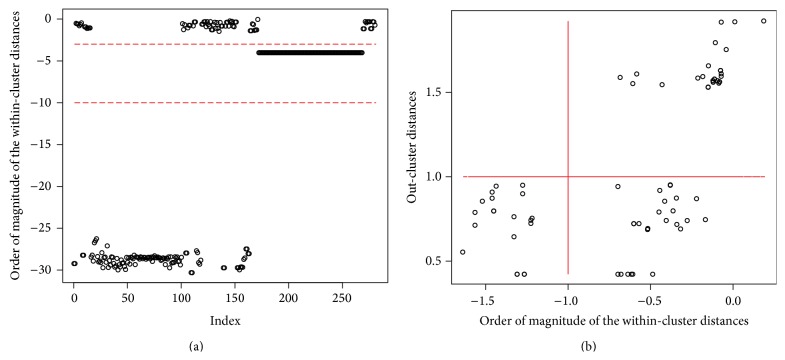 Figure 6
Peer Reviews
No public reviews on file for this paper yet. If you reviewed it on a platform where reviews are public (OpenReview, ICLR, NeurIPS, ICML), you can paste yours below so the community can read it here.
Videos
No videos yet. Explain this paper in a talk, walkthrough, or lecture? Add one.
Taxonomy
TopicsReflective Practices in Education