Enhanced Biological Behavior of In Vitro Human Gingival Fibroblasts on Cold Plasma-Treated Zirconia
Miao Zheng, Yang Yang, Xiao-Qiang Liu, Ming-Yue Liu, Xiao-Fei Zhang, Xin Wang, He-Ping Li, Jian-Guo Tan

TL;DR
Cold plasma treatment improves how human gum cells behave on zirconia surfaces by making them more biocompatible.
Contribution
This study shows that cold plasma treatment increases fibroblast attachment and gene expression on zirconia surfaces.
Findings
Plasma-treated zirconia surfaces had lower contact angles and reduced C/O ratios.
Fibroblast density and attachment-related gene expression increased significantly after plasma treatment.
Treated surfaces showed enhanced cell behavior within 24 hours and over longer culture times.
Abstract
To evaluate whether atmospheric-pressure dielectric-barrier-discharge plasma treatment of zirconia enhances its biocompatibility with human gingival fibroblasts. The zirconia disks were divided into four groups and treated using helium atmospheric-pressure dielectric-barrier-discharge plasmas for 30, 60 or 90 s or left untreated. The surface morphology, wettability and chemical elements were analyzed. Fibroblasts density, morphology, morphometry and attachment-related genes expression were measured at different time points from 3 to 72 h. After plasma treatment, the surface morphology and roughness remained the same, while the contact angle decreased from 78.31° to 43.71°, and the surface C/O ratio decreased from 3.17 to 0.89. The surficial areas and perimeters of HGFs were increased two-fold in the treated groups at 3 h. Fibroblasts density increased on treated disks at all time…
Genes, proteins, chemicals, diseases, species, mutations and cell lines named across the full text — each resolved to its canonical identifier and authoritative record.
Click any figure to enlarge with its caption.
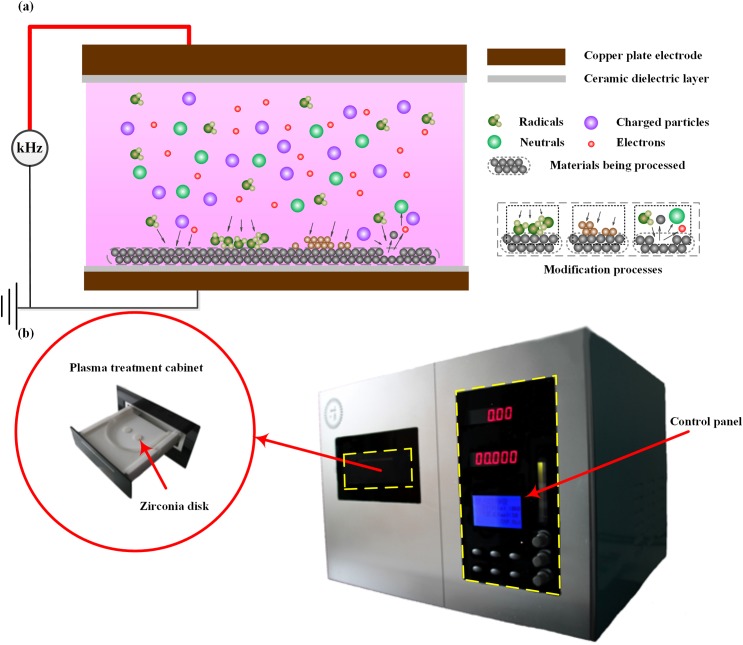 Figure 1
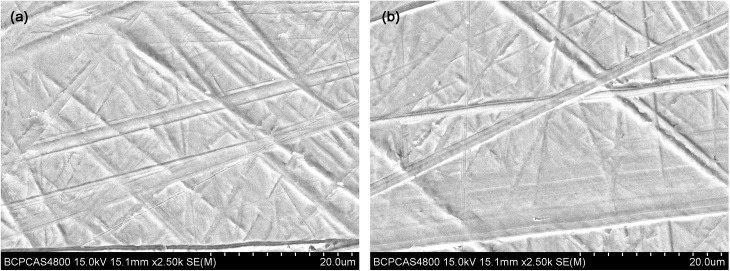 Figure 2
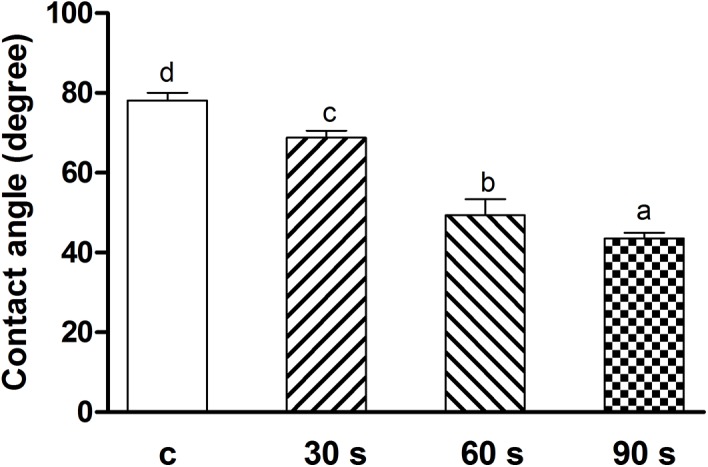 Figure 3
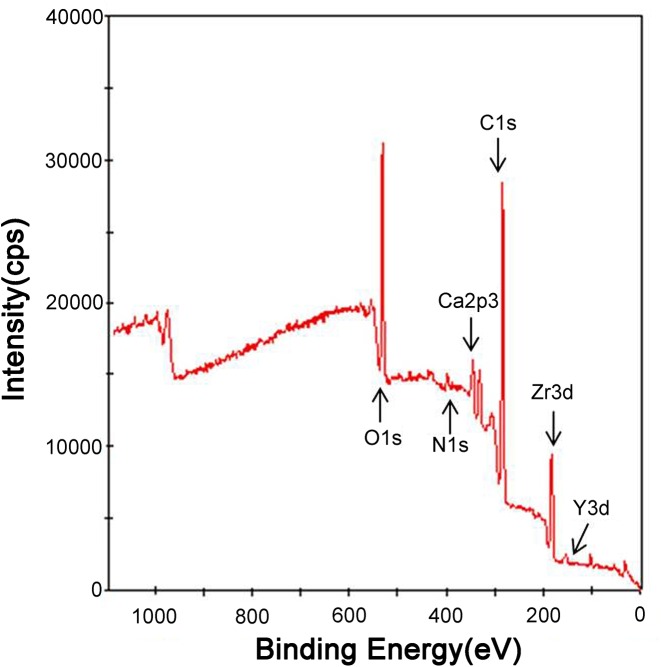 Figure 4
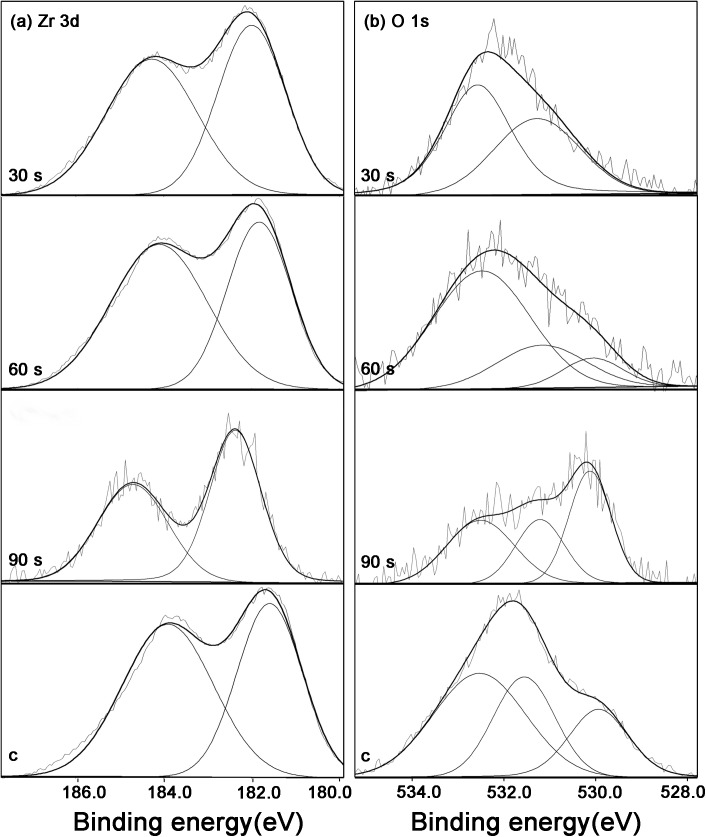 Figure 5
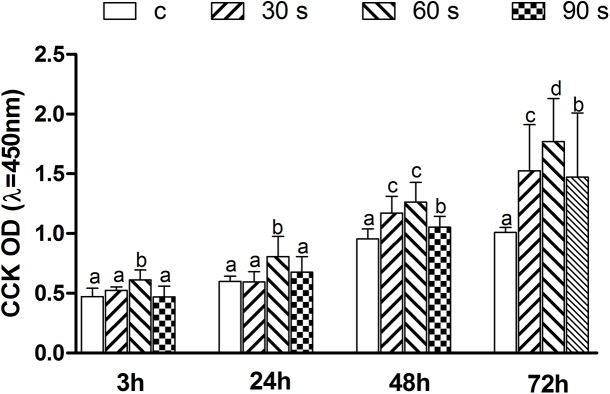 Figure 6
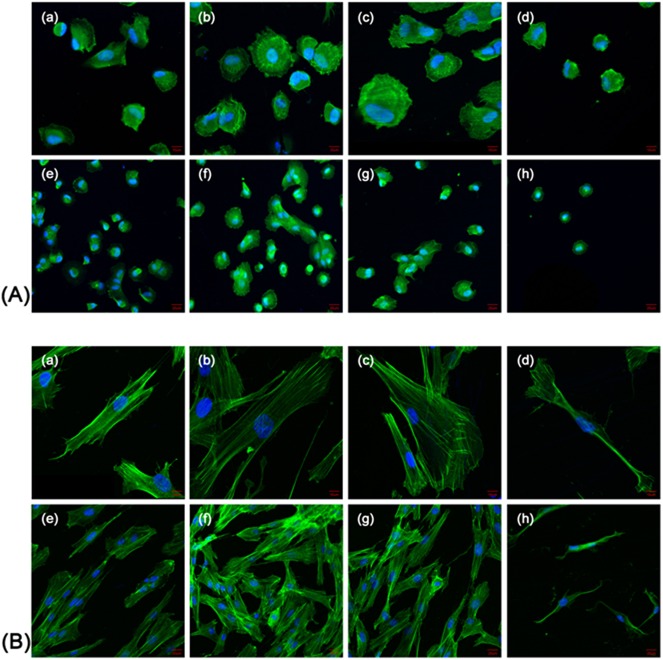 Figure 7
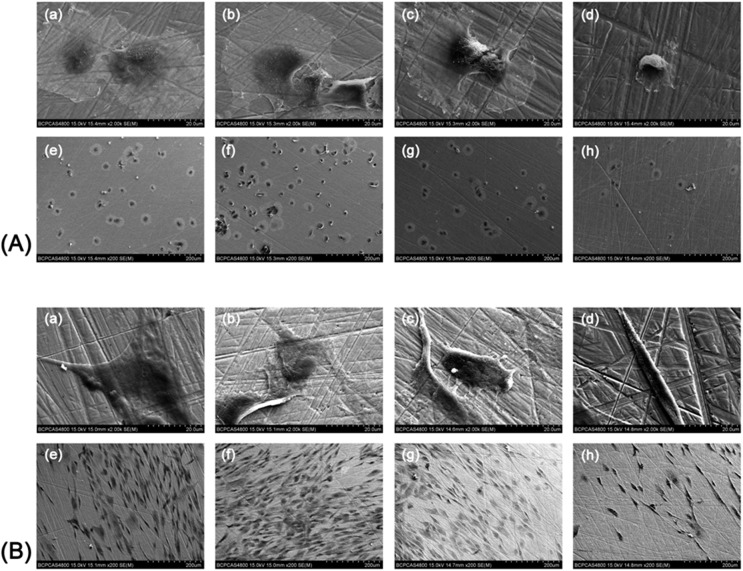 Figure 8
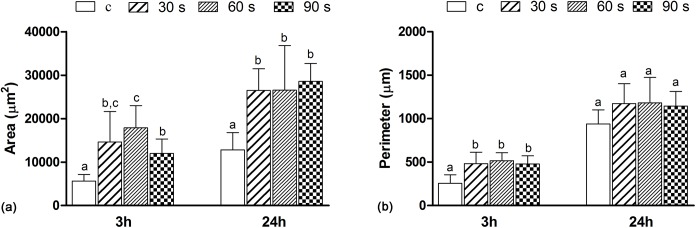 Figure 9
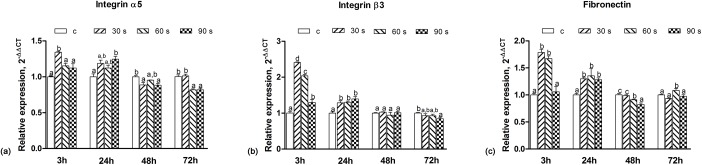 Figure 10
 Figure 11
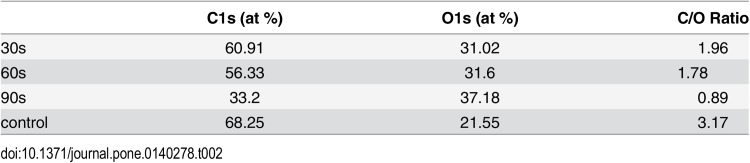 Figure 12
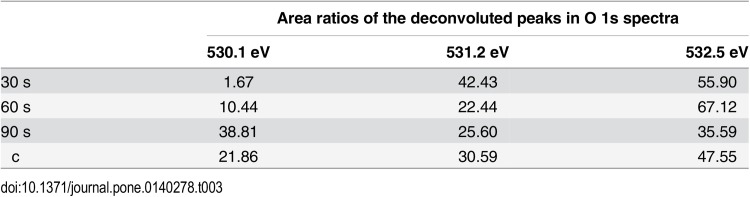 Figure 13
Peer Reviews
No public reviews on file for this paper yet. If you reviewed it on a platform where reviews are public (OpenReview, ICLR, NeurIPS, ICML), you can paste yours below so the community can read it here.
Videos
No videos yet. Explain this paper in a talk, walkthrough, or lecture? Add one.
Taxonomy
TopicsParasitic Infections and Diagnostics · Polyamine Metabolism and Applications