Generation of a novel monoclonal antibody that recognizes the alpha (α)-amidated isoform of a valine residue
Benito Antón Palma, Philippe Leff Gelman, Mayra Medecigo Ríos, Juan Carlos Calva Nieves, Rodolfo Acevedo Ortuño, Maura Epifanía Matus Ortega, Jorge Alberto Hernández Calderón, Ricardo Hernández Miramontes, Anabel Flores Zamora, Alberto Salazar Juárez

TL;DR
A new monoclonal antibody was developed to detect a specific form of valine, which could have applications in research and medicine.
Contribution
A novel monoclonal antibody (P18C5) was generated that specifically recognizes α-amidated valine residues.
Findings
P18C5 mAb showed high specificity for C-terminal α-amidated valine peptides in immunoassays.
The antibody detected novel valine amide immunoreactivity in rat brain regions not previously associated with known neuropeptides.
P18C5 mAb has potential applications in detecting, neutralizing, or targeting amide peptides in biological and medical contexts.
Abstract
Alpha (α)-amidation of peptides is a mechanism required for the conversion of prohormones into functional peptide sequences that display biological activities, receptor recognition and signal transduction on target cells. Alpha (α)-amidation occurs in almost all species and amino acids identified in nature. C-terminal valine amide neuropeptides constitute the smallest group of functional peptide compounds identified in neurosecretory structures in vertebrate and invertebrate species. The α-amidated isoform of valine residue (Val-CONH2) was conjugated to KLH-protein carrier and used to immunize mice. Hyperimmune animals displaying high titers of valine amide antisera were used to generate stable hybridoma-secreting mAbs. Three productive hybridoma (P15A4, P17C11, and P18C5) were tested against peptides antigens containing both the C-terminal α-amidated (–CONH2) and free α-carboxylic…
Genes, proteins, chemicals, diseases, species, mutations and cell lines named across the full text — each resolved to its canonical identifier and authoritative record.
Click any figure to enlarge with its caption.
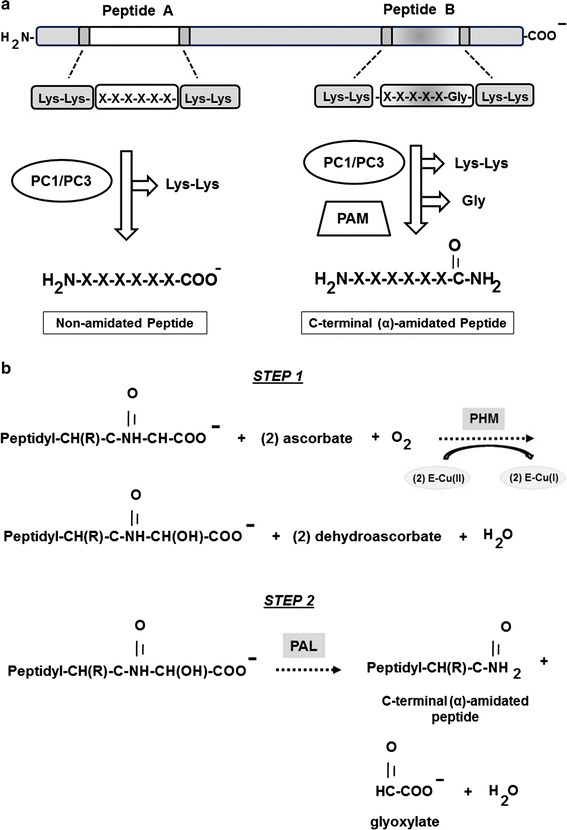 Figure 1
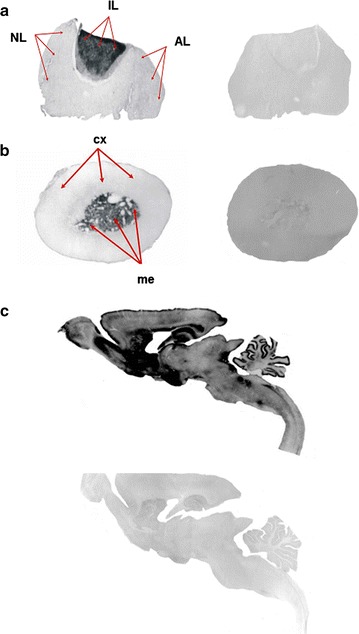 Figure 2
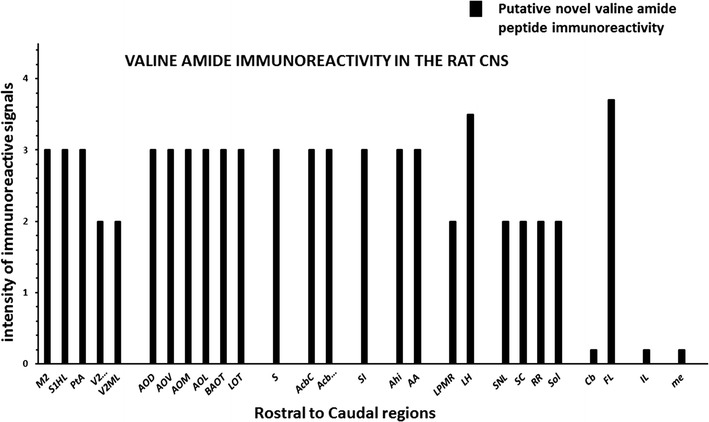 Figure 3
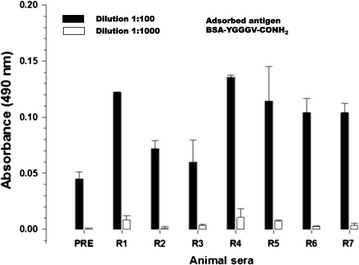 Figure 4
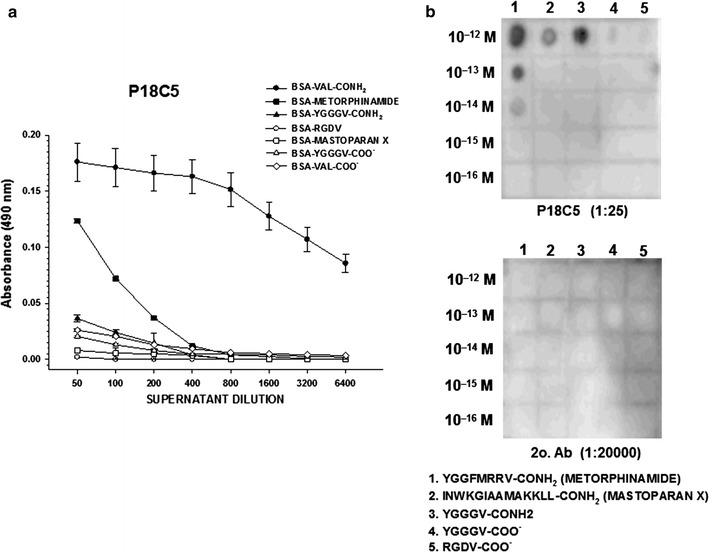 Figure 5
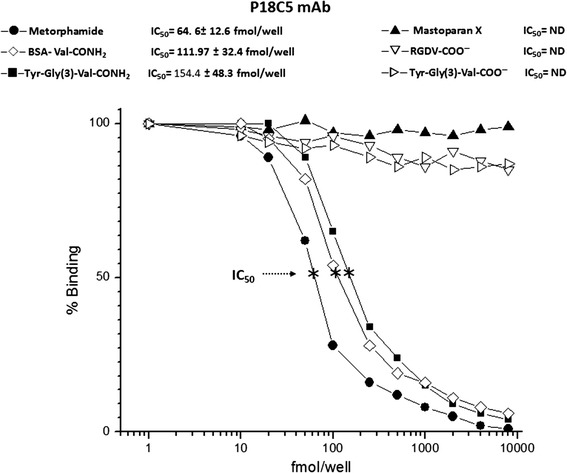 Figure 6
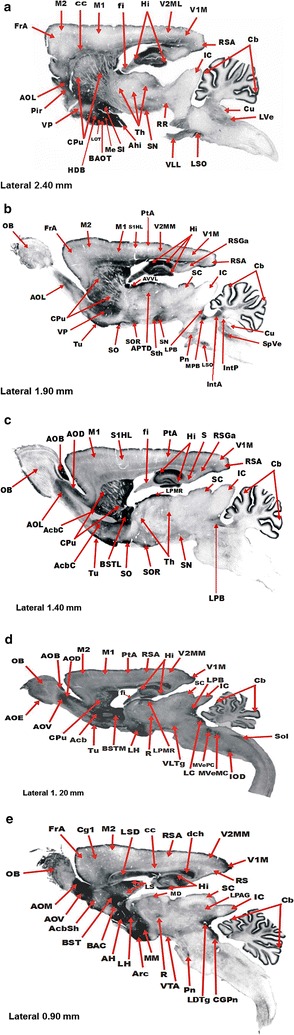 Figure 7
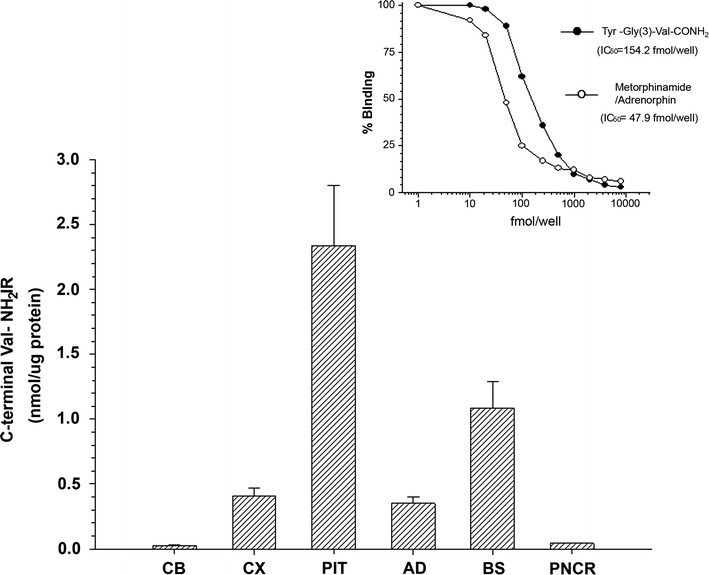 Figure 8
Peer Reviews
No public reviews on file for this paper yet. If you reviewed it on a platform where reviews are public (OpenReview, ICLR, NeurIPS, ICML), you can paste yours below so the community can read it here.
Videos
No videos yet. Explain this paper in a talk, walkthrough, or lecture? Add one.
Taxonomy
TopicsNeuropeptides and Animal Physiology · Receptor Mechanisms and Signaling · Chemical Synthesis and Analysis