Chick embryo xenograft model reveals a novel perineural niche for human adipose-derived stromal cells
Ingrid R. Cordeiro, Daiana V. Lopes, José G. Abreu, Katia Carneiro, Maria I. D. Rossi, José M. Brito

TL;DR
This study shows that human fat-derived cells can follow nerve migration cues in chick embryos, suggesting new potential roles for these cells in development.
Contribution
The study is the first to show that human adipose-derived stromal cells adopt a perineural niche in chick embryos.
Findings
82.5% of hADSC grafted into the trunk associated with HNK1+ peripheral nerves.
74.6% of hADSC grafted into the BA1 region were found in the outflow tract and associated with peripheral nerves.
hADSC responded to neural crest migration cues in the chick embryo environment.
Abstract
Human adipose-derived stromal cells (hADSC) are a heterogeneous cell population that contains adult multipotent stem cells. Although it is well established that hADSC have skeletal potential in vivo in adult organisms, in vitro assays suggest further differentiation capacity, such as into glia. Thus, we propose that grafting hADSC into the embryo can provide them with a much more instructive microenvironment, allowing the human cells to adopt diverse fates or niches. Here, hADSC spheroids were grafted into either the presumptive presomitic mesoderm or the first branchial arch (BA1) regions of chick embryos. Cells were identified without previous manipulations via human-specific Alu probes, which allows efficient long-term tracing of heterogeneous primary cultures. When grafted into the trunk, in contrast to previous studies, hADSC were not found in chondrogenic or osteogenic territories…
Genes, proteins, chemicals, diseases, species, mutations and cell lines named across the full text — each resolved to its canonical identifier and authoritative record.
Click any figure to enlarge with its caption.
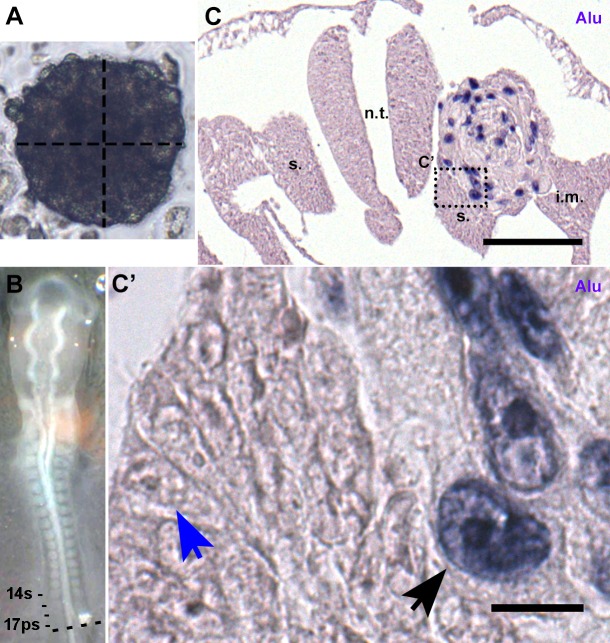 Figure 1
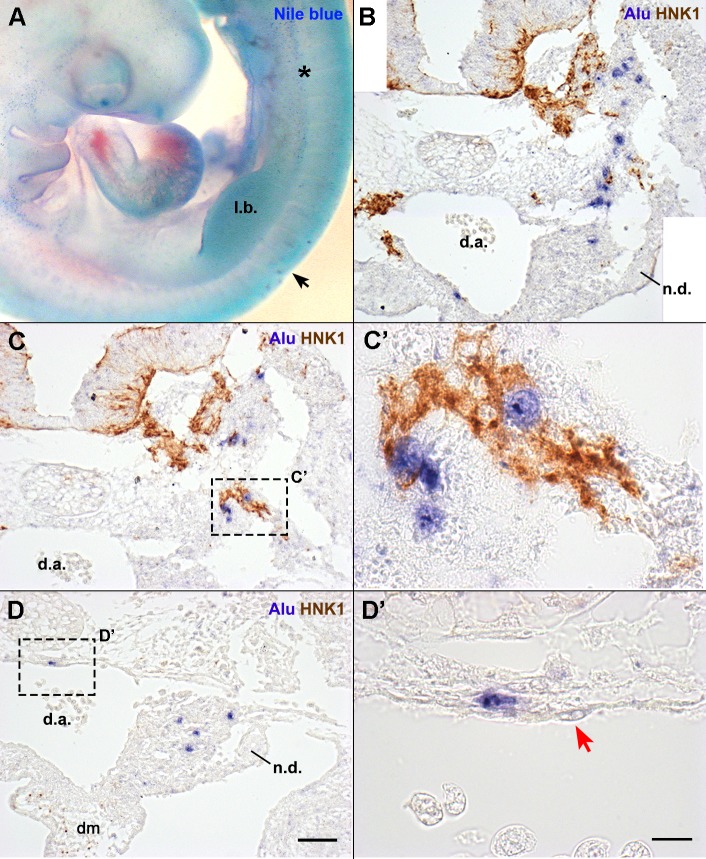 Figure 2
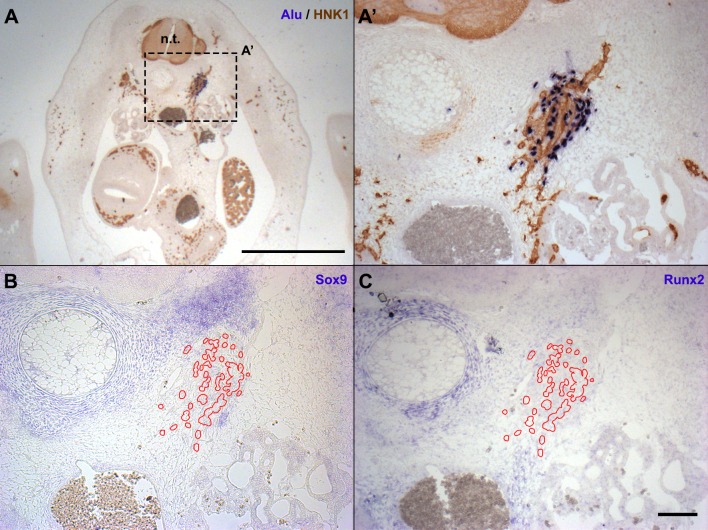 Figure 3
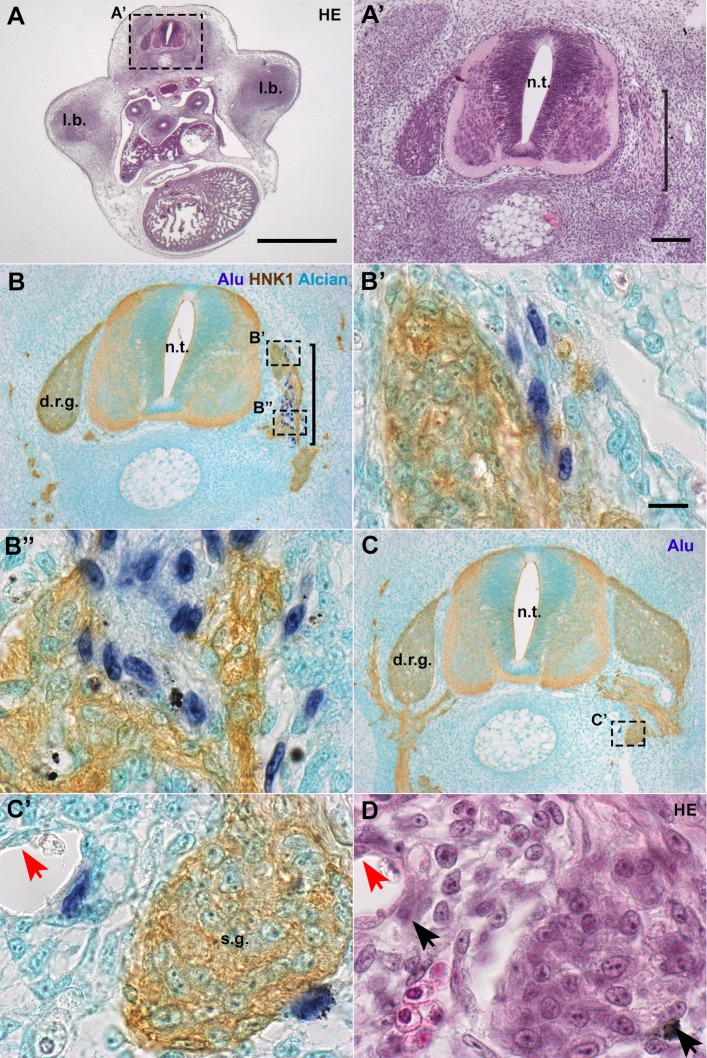 Figure 4
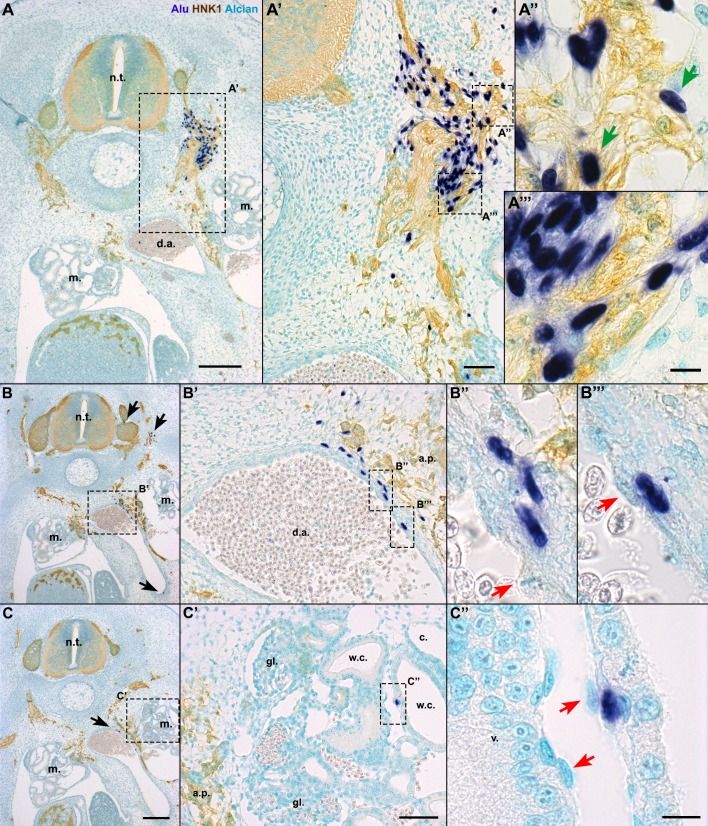 Figure 5
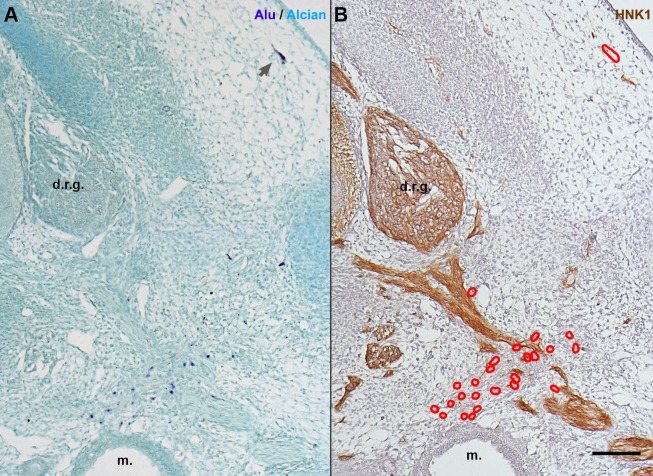 Figure 6
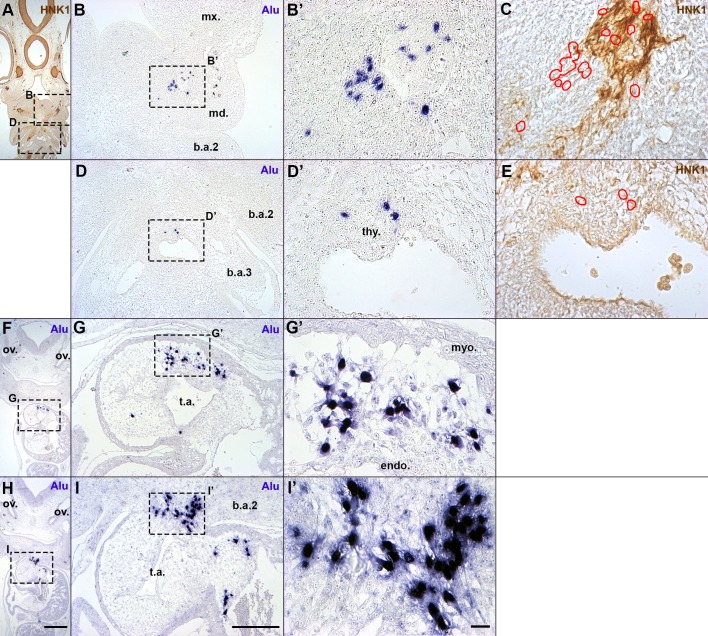 Figure 7
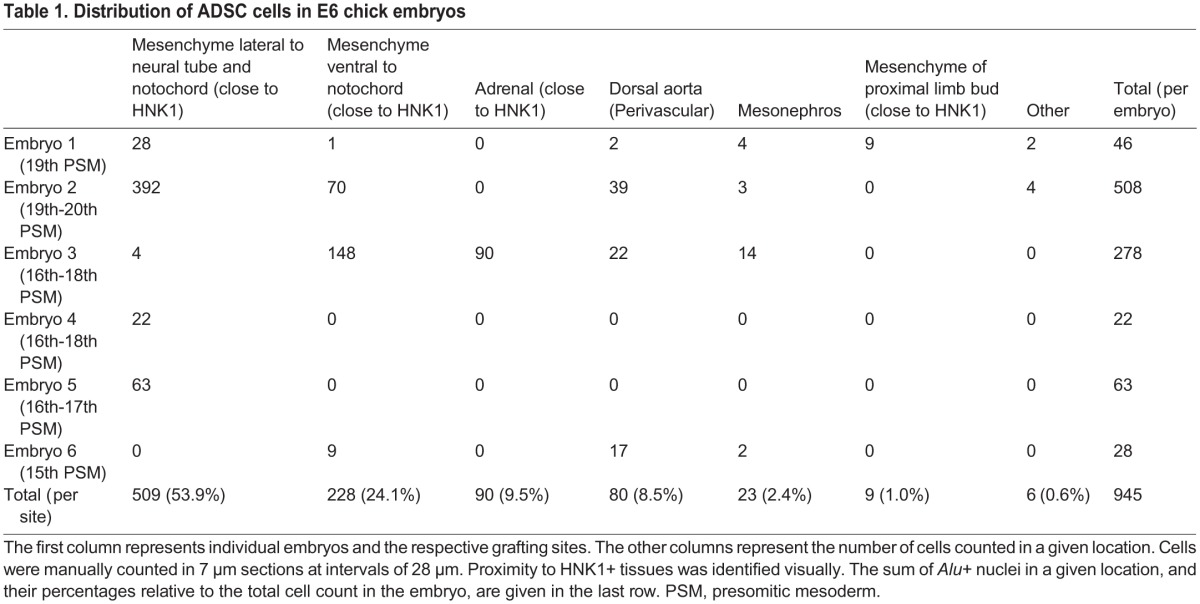 Figure 8
Peer Reviews
No public reviews on file for this paper yet. If you reviewed it on a platform where reviews are public (OpenReview, ICLR, NeurIPS, ICML), you can paste yours below so the community can read it here.
Videos
No videos yet. Explain this paper in a talk, walkthrough, or lecture? Add one.
Taxonomy
TopicsHuman Rights and Immigration · Labor Law and Work Dynamics · Employment, Labor, and Gender Studies