The chemical behavior of terminally tert-butylated polyolefins
Dagmar Klein, Henning Hopf, Peter G Jones, Ina Dix, Ralf Hänel

TL;DR
This paper explores how different polyolefins react chemically, focusing on hydrogenation, bromine addition, epoxidation, and Diels–Alder reactions.
Contribution
The study reveals specific reactivity patterns of terminally tert-butylated polyolefins in various chemical reactions.
Findings
Terminal olefinic carbon atoms in oligoenes are preferentially attacked in bromine addition reactions.
Epoxidation of triene and tetraene with MCPBA and DMDO leads to distinct rearrangement and symmetrical epoxide products.
Diels–Alder reactions with NPTD and TCNE show increased reactivity with extended conjugated π-systems.
Abstract
The chemical behavior of various oligoenes 2 has been studied. The catalytic hydrogenation of diene 3 yielded monoene 4. Triene 7 was hydrogenated to diene 8, monoene 9 and saturated hydrocarbon 10. Bromine addition to 3 and 7 yielded the dibromides 17 and 18, respectively, i.e., the oligoene system has been attacked at its terminal olefinic carbon atoms. Analogously, the higher vinylogs 19 and 20 yielded the 1,8- and 1,10-bromine adduts 23 and 24, respectively, when less than 1 equivalent of bromine was employed. Treatment of tetraene 19 with excess bromine provided tetrabromide 25. In epoxidation reactions, both with meta-chloroperbenzoic acid (MCPBA) and dimethyldioxirane (DMDO) two model oligoenes were studied: triene 7 and tetraene 19. Whereas 7 furnished the rearrangement product 31 with MCPBA, it yielded the symmetrical epoxide 32 with DMDO. Analogously, 19 was converted to…
Genes, proteins, chemicals, diseases, species, mutations and cell lines named across the full text — each resolved to its canonical identifier and authoritative record.
Click any figure to enlarge with its caption.
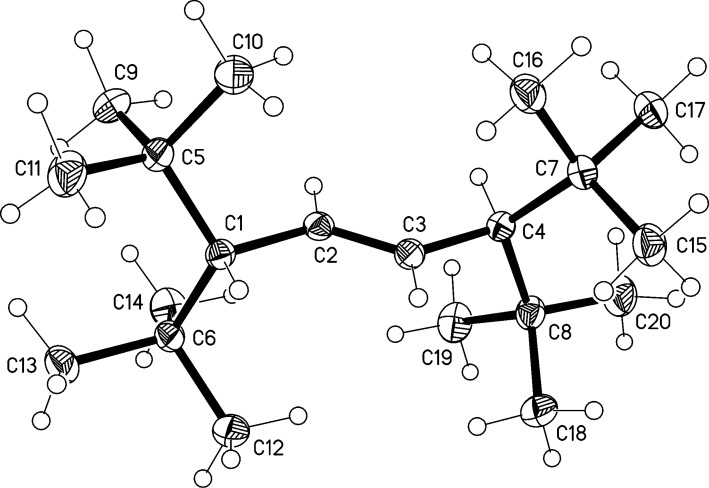 Figure 1
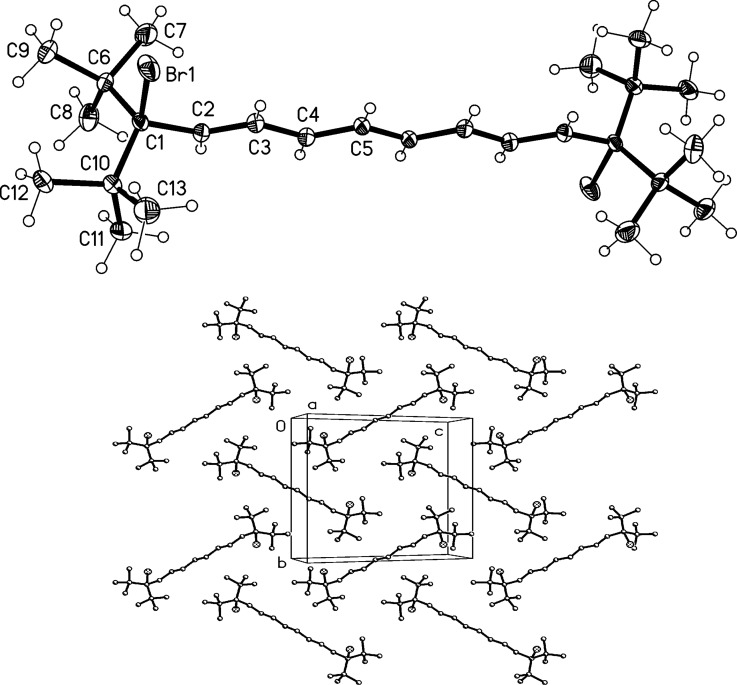 Figure 2
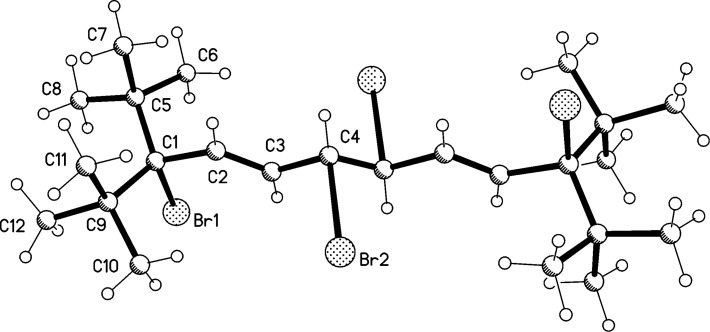 Figure 3
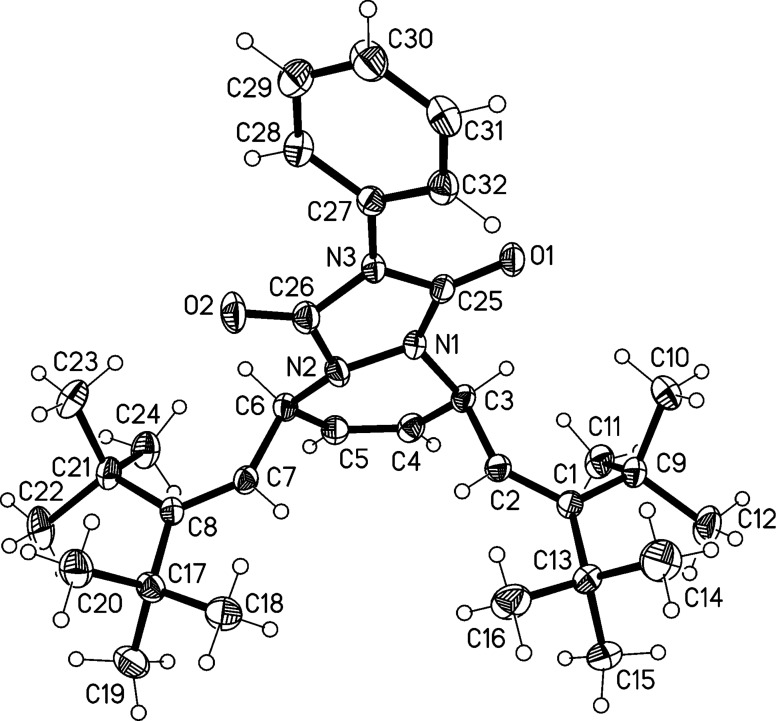 Figure 4
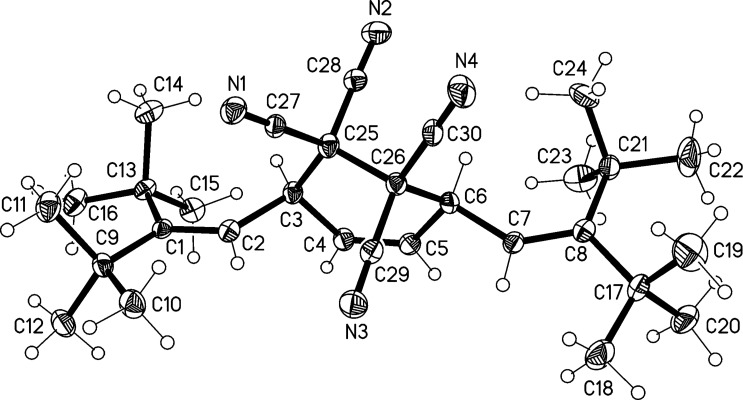 Figure 5
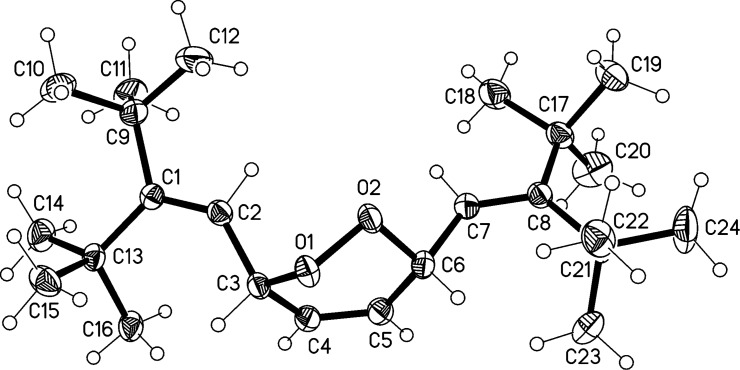 Figure 6
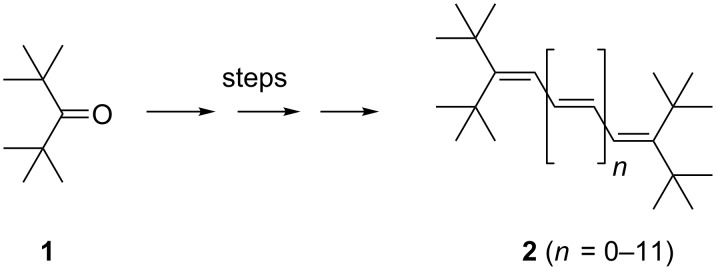 Figure 7
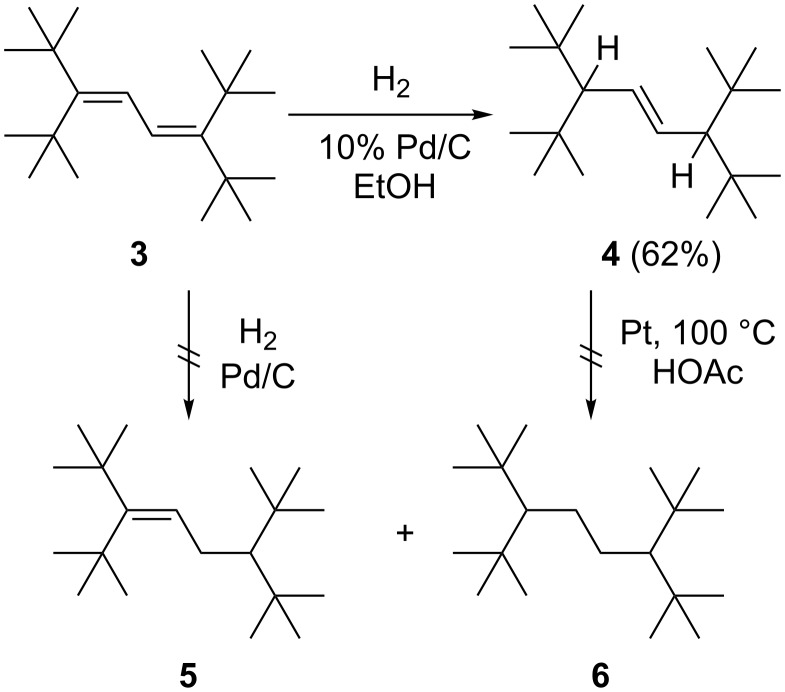 Figure 8
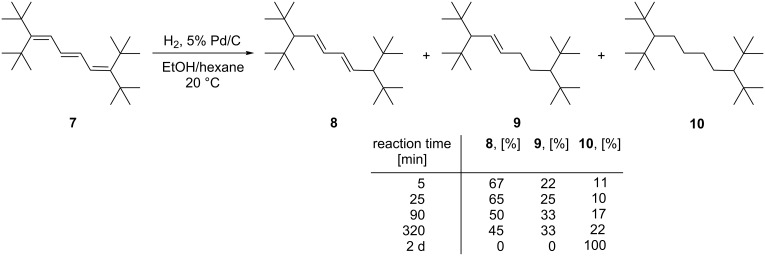 Figure 9
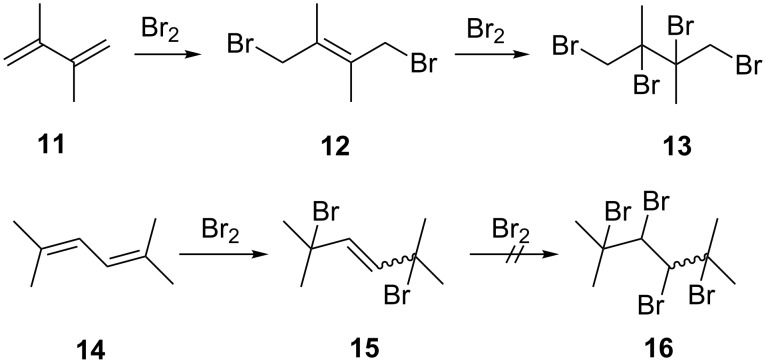 Figure 10
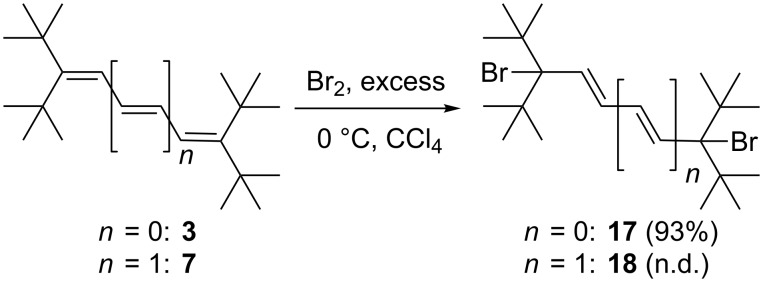 Figure 11
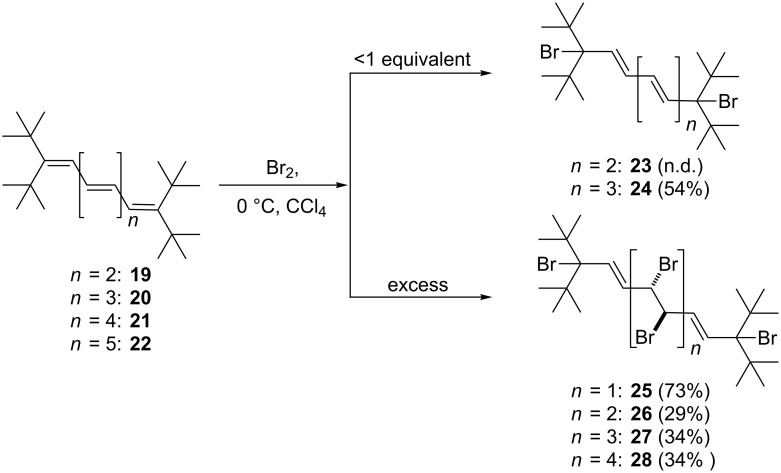 Figure 12
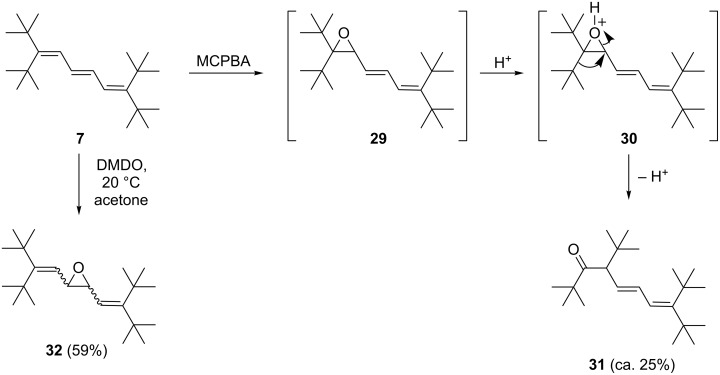 Figure 13
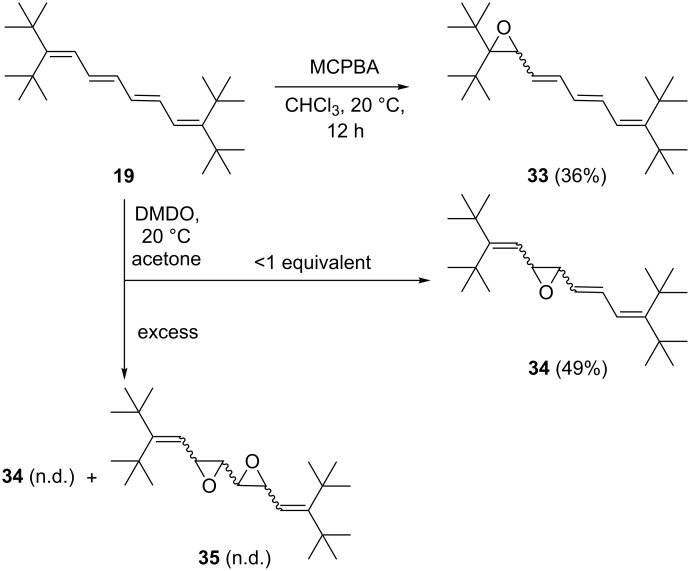 Figure 14
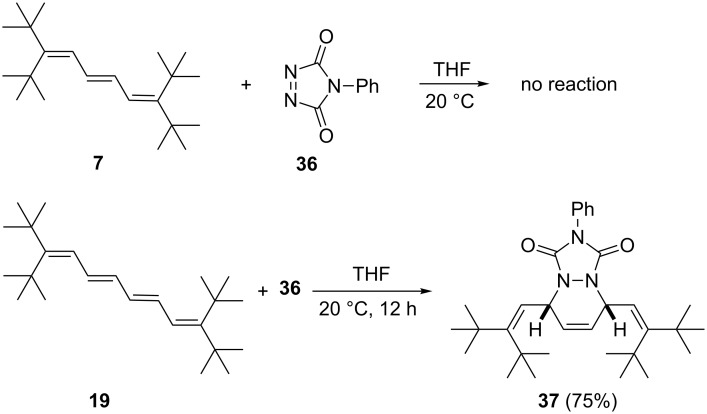 Figure 15
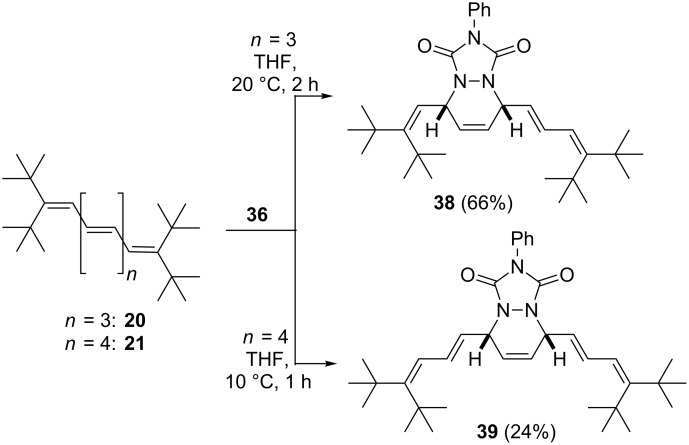 Figure 16
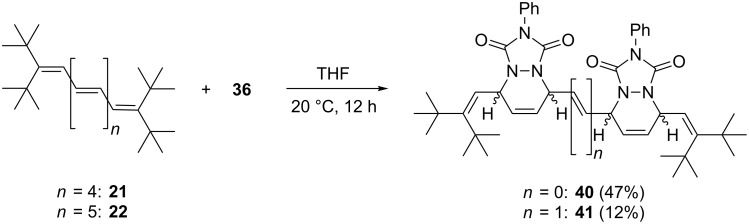 Figure 17
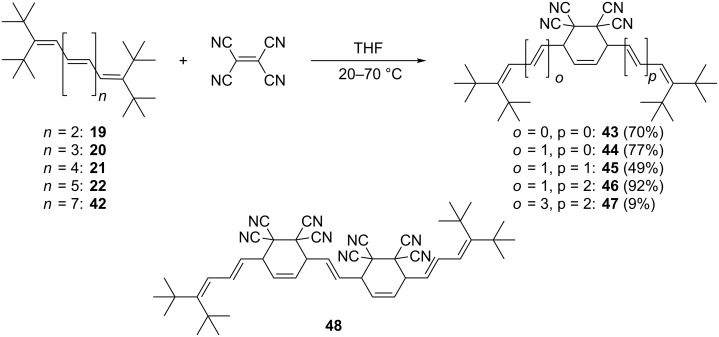 Figure 18
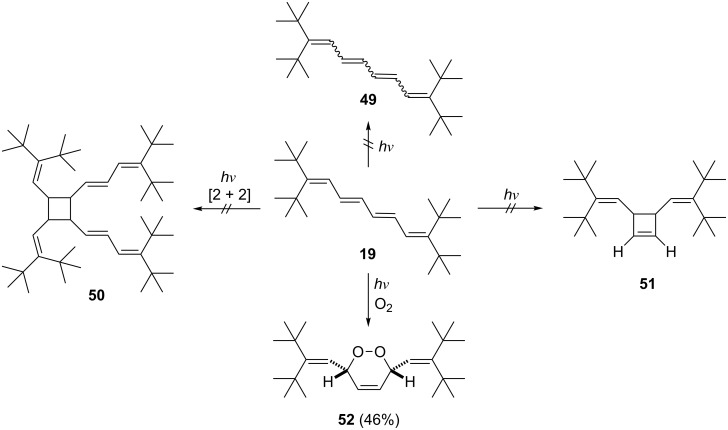 Figure 19
 Figure 20
 Figure 21
Peer Reviews
No public reviews on file for this paper yet. If you reviewed it on a platform where reviews are public (OpenReview, ICLR, NeurIPS, ICML), you can paste yours below so the community can read it here.
Videos
No videos yet. Explain this paper in a talk, walkthrough, or lecture? Add one.
Taxonomy
TopicsOrganic Chemistry Cycloaddition Reactions · Chemical Reaction Mechanisms · Inorganic and Organometallic Chemistry