Structure, Dynamics, and Allosteric Potential of Ionotropic Glutamate Receptor N-Terminal Domains
James Krieger, Ivet Bahar, Ingo H. Greger

TL;DR
This paper explores the structure and function of the N-terminal domain in ionotropic glutamate receptors, focusing on its role in allosteric regulation and potential for drug development.
Contribution
The study provides new insights into the allosteric potential of the N-terminal domain in AMPA-type and NMDA-type ionotropic glutamate receptors using coarse-grained simulations.
Findings
The N-terminal domain's clamshell motions are coupled to rearrangements affecting the ligand-binding and transmembrane domains.
Allosteric regulation in the N-terminal domain impacts receptor function in synaptic environments.
The bilobate fold of the N-terminal domain is intrinsically linked to allostery in ionotropic glutamate receptors.
Abstract
Ionotropic glutamate receptors (iGluRs) are tetrameric cation channels that mediate synaptic transmission and plasticity. They have a unique modular architecture with four domains: the intracellular C-terminal domain (CTD) that is involved in synaptic targeting, the transmembrane domain (TMD) that forms the ion channel, the membrane-proximal ligand-binding domain (LBD) that binds agonists such as L-glutamate, and the distal N-terminal domain (NTD), whose function is the least clear. The extracellular portion, comprised of the LBD and NTD, is loosely arranged, mediating complex allosteric regulation and providing a rich target for drug development. Here, we briefly review recent work on iGluR NTD structure and dynamics, and further explore the allosteric potential for the NTD in AMPA-type iGluRs using coarse-grained simulations. We also investigate mechanisms underlying the established…
Genes, proteins, chemicals, diseases, species, mutations and cell lines named across the full text — each resolved to its canonical identifier and authoritative record.
Click any figure to enlarge with its caption.
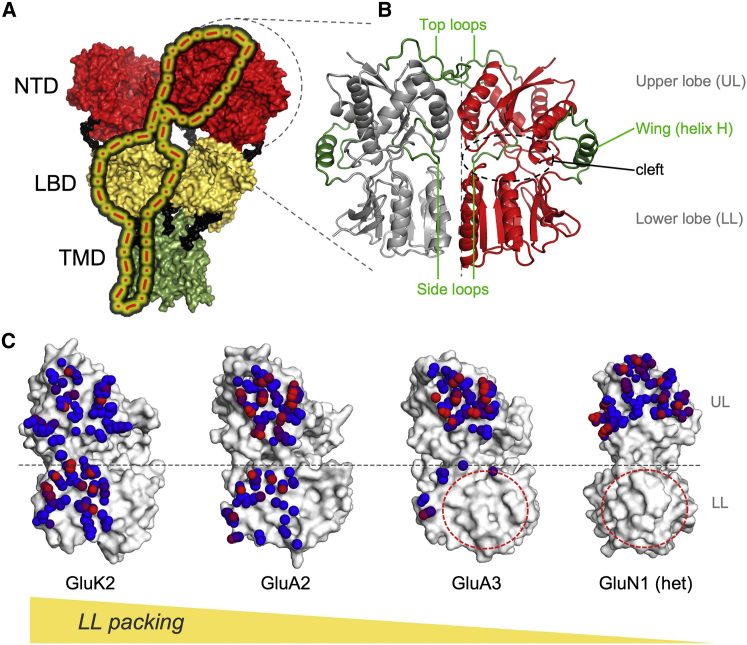 Figure 1
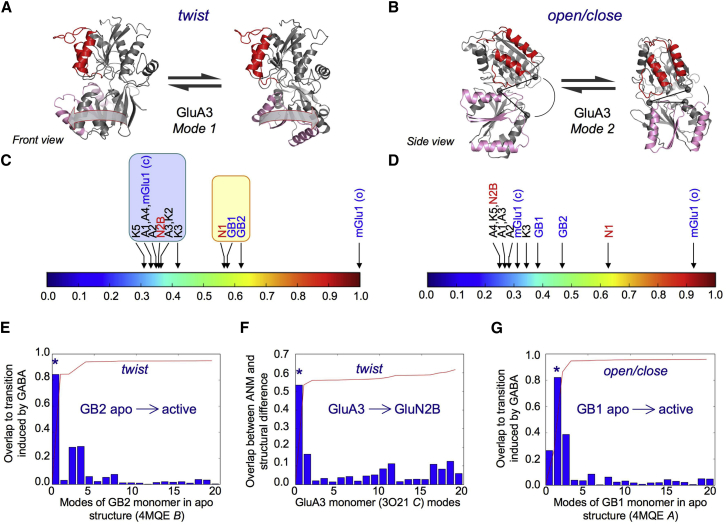 Figure 2
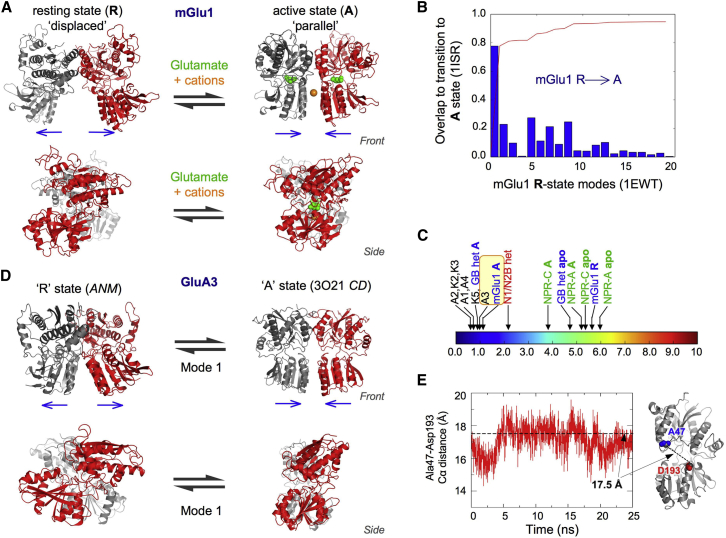 Figure 3
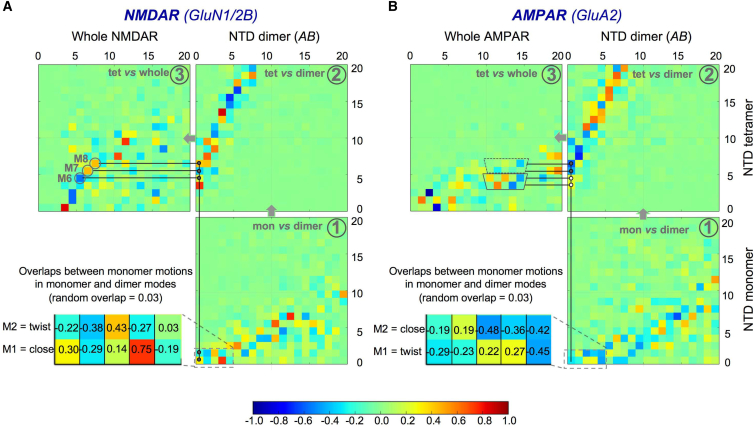 Figure 4
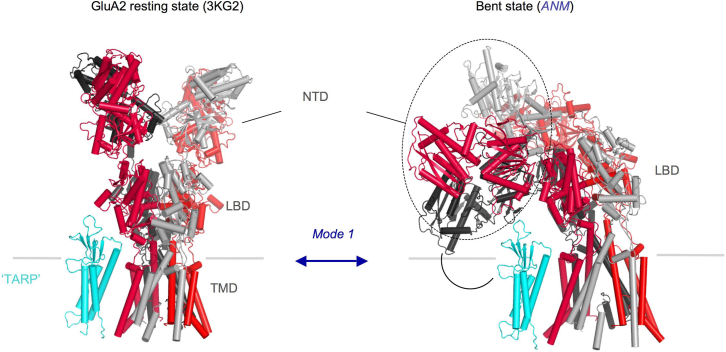 Figure 5
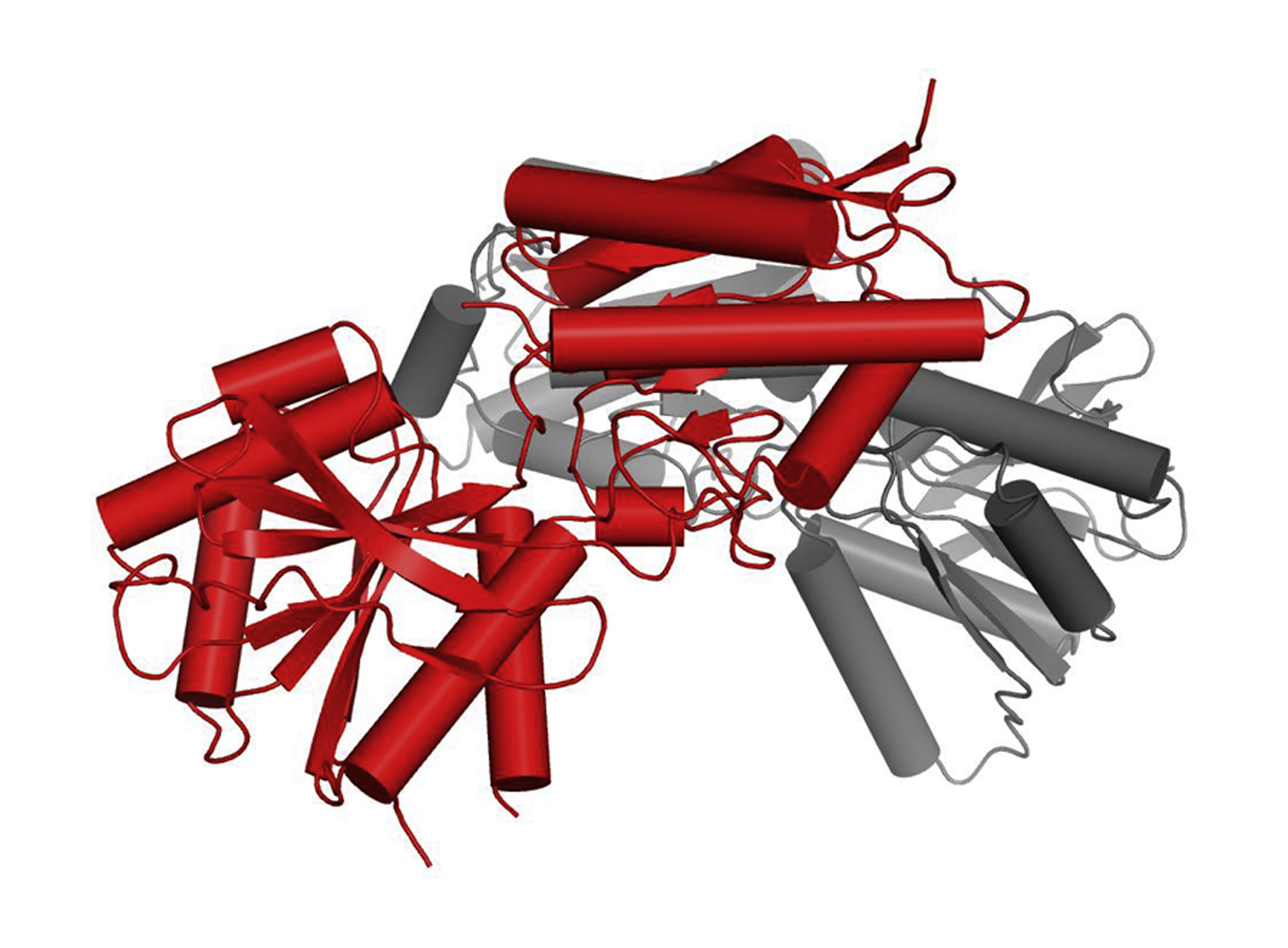 Figure 6
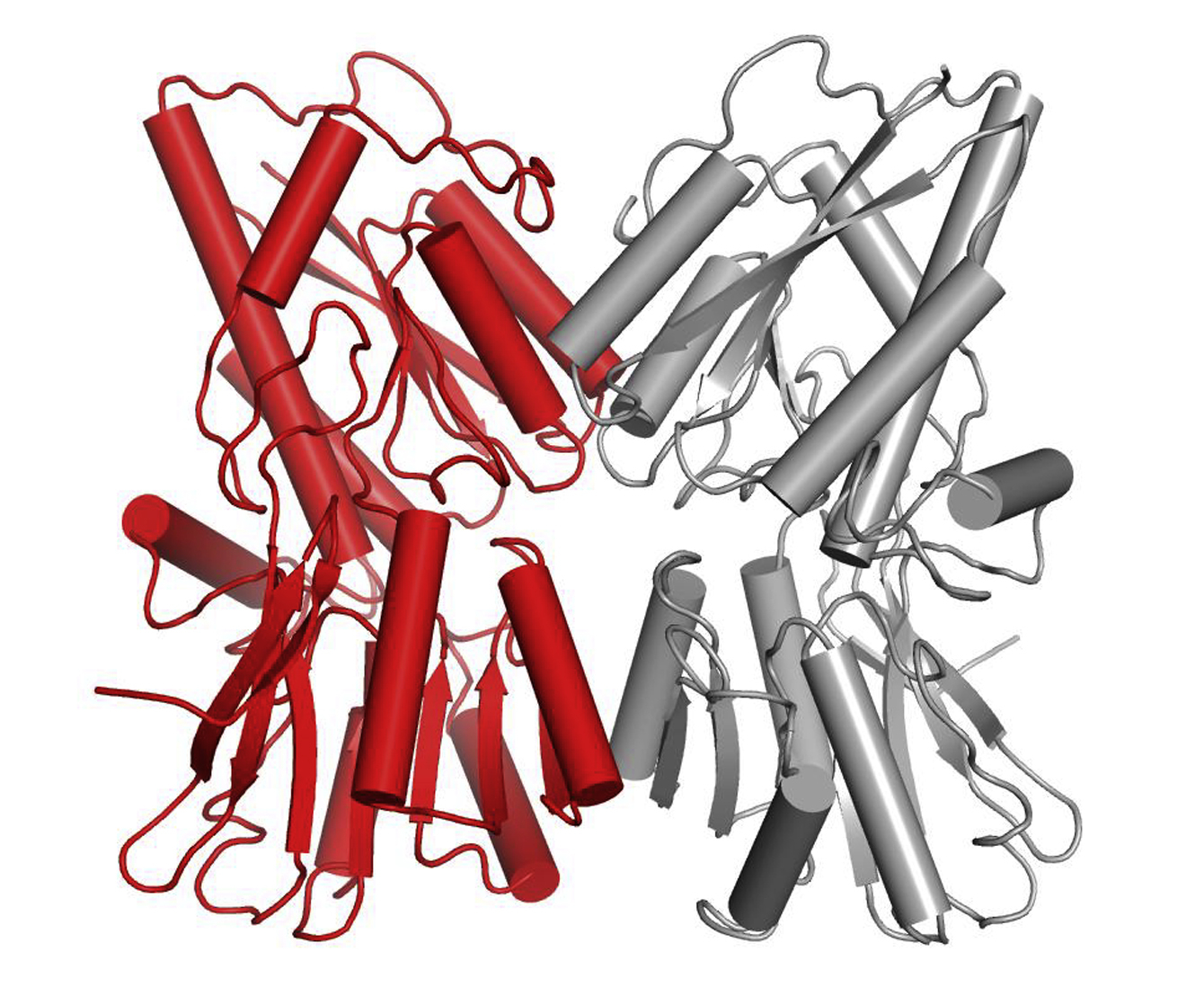 Figure 7
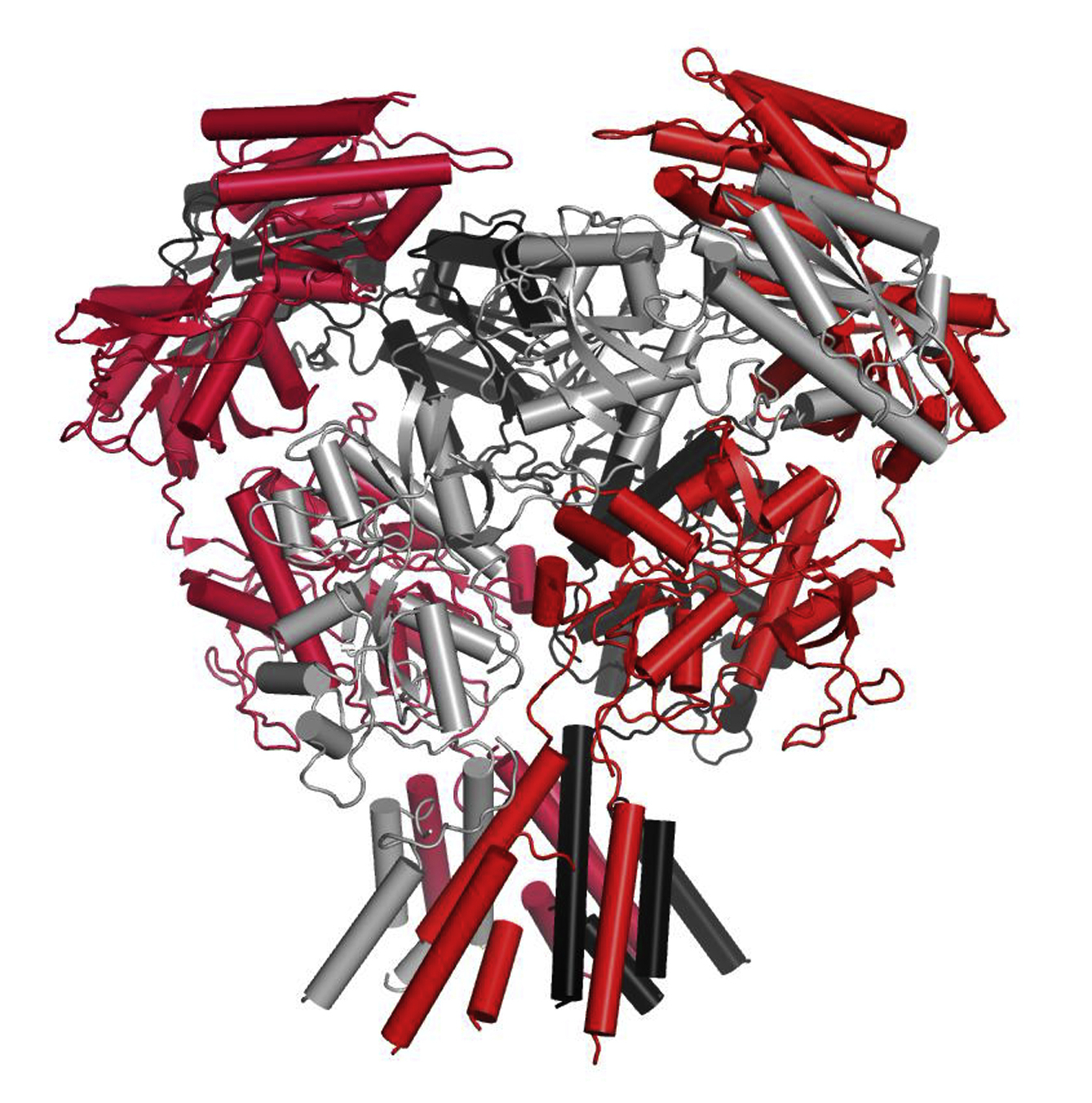 Figure 8
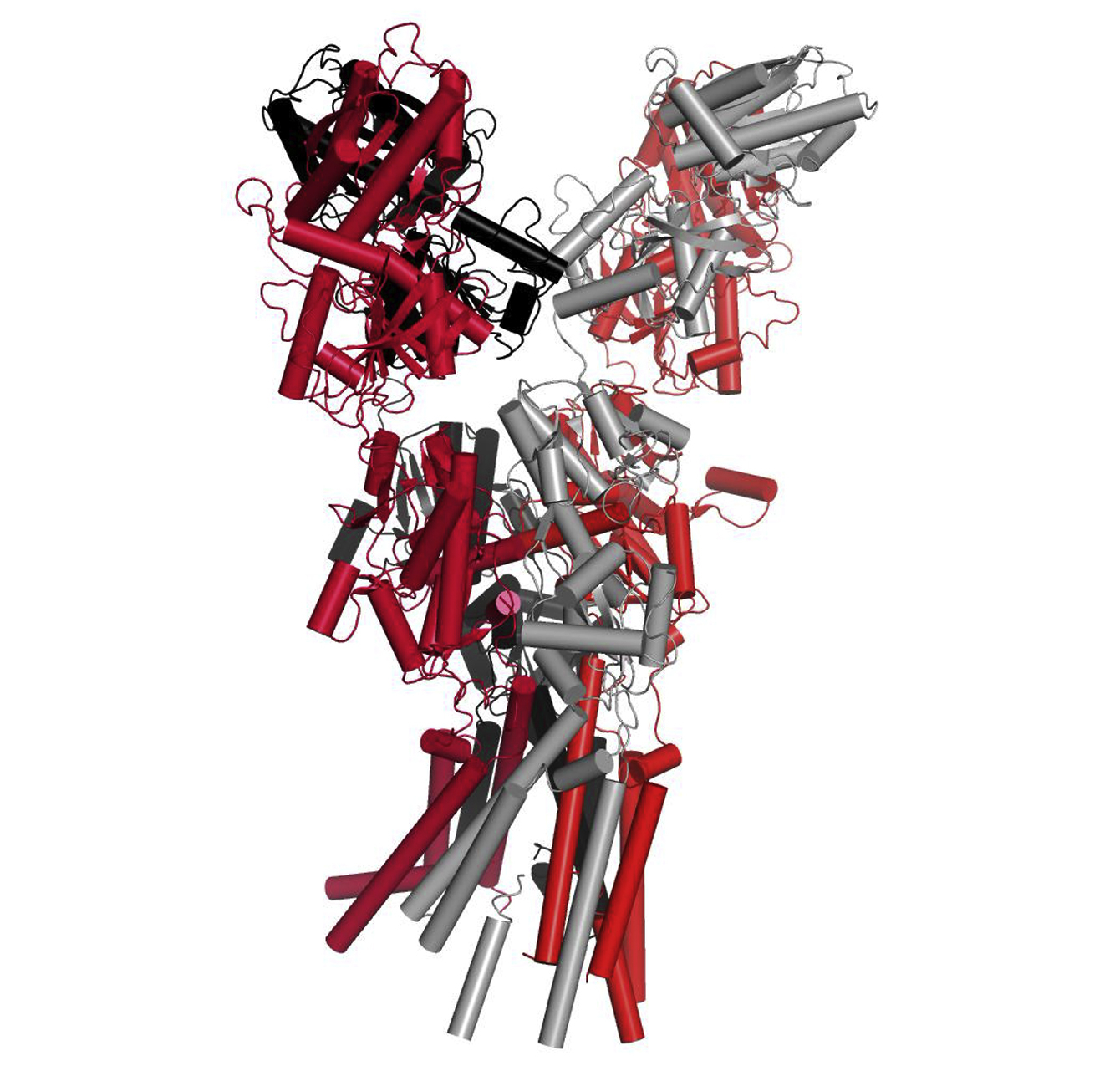 Figure 9
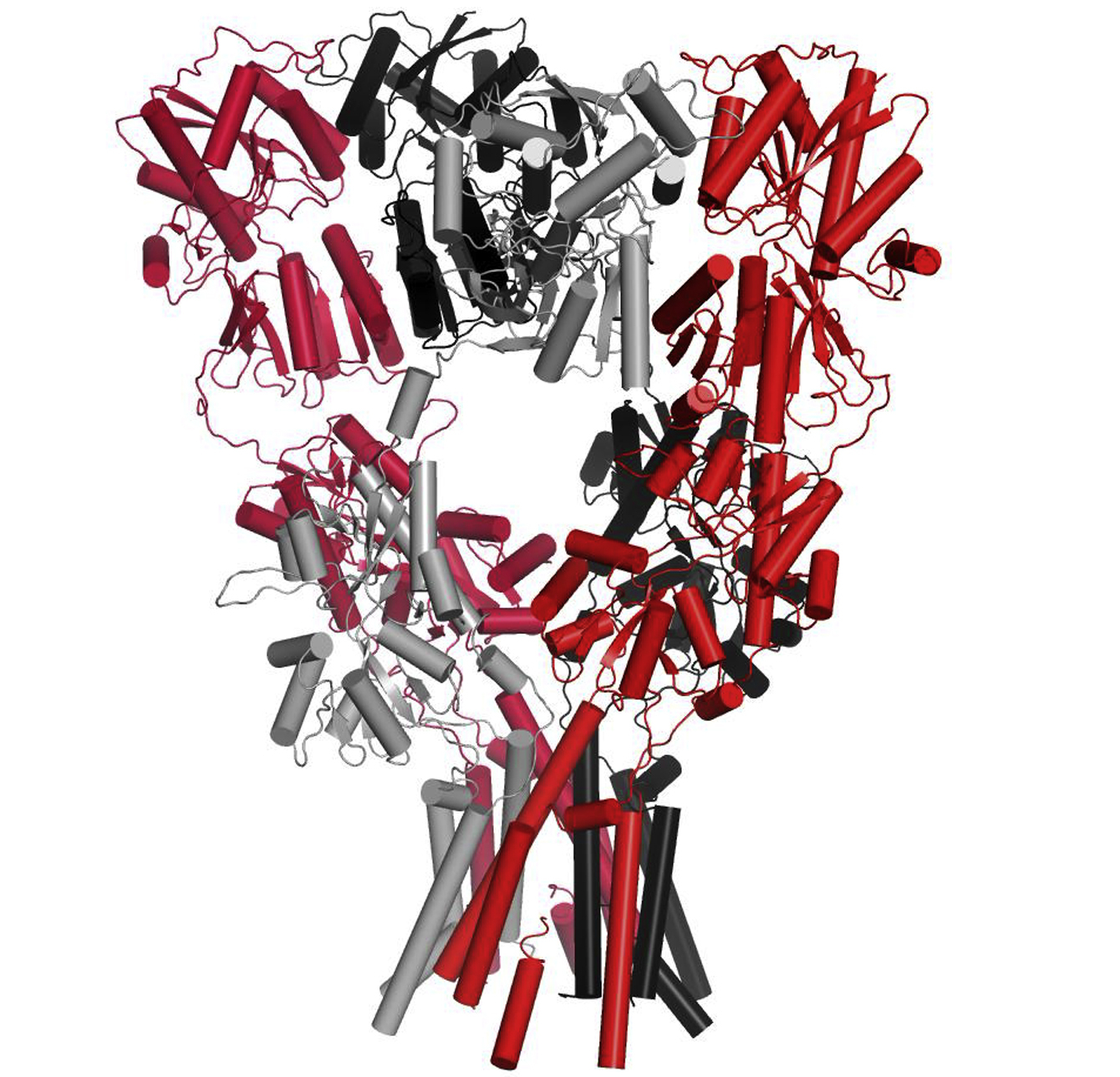 Figure 10
Peer Reviews
No public reviews on file for this paper yet. If you reviewed it on a platform where reviews are public (OpenReview, ICLR, NeurIPS, ICML), you can paste yours below so the community can read it here.
Videos
No videos yet. Explain this paper in a talk, walkthrough, or lecture? Add one.
Taxonomy
TopicsPlant Surface Properties and Treatments · Lightning and Electromagnetic Phenomena · Environmental and Ecological Studies