Subjective and objective results 1 year after robotic sacrocolpopexy using a lightweight Y-mesh
Patrick J. Culligan, Emil Gurshumov, Christa Lewis, Jennifer L. Priestley, Jodie Komar, Nihar Shah, Charbel G. Salamon

TL;DR
This study shows that robotic sacrocolpopexy with a lightweight Y-mesh provides excellent results in treating pelvic organ prolapse one year after surgery.
Contribution
The study evaluates the 12-month outcomes of a specific lightweight Y-mesh in robotic sacrocolpopexy.
Findings
Clinical cure rate was 95% at 12 months.
Objective anatomic cure rate was 84% at 12 months.
Significant improvement in patient-reported outcomes like PFDI-20 and PFIQ-7 scores.
Abstract
The objective of this study was to assess outcomes following robotic sacrocolpopexy using a lightweight polypropylene Y-mesh. During our study period, all patients who underwent robotic sacrocolpopexy were enrolled in this single-arm prospective trial. Endpoints included Pelvic Organ Prolapse Quantification (POP-Q) values; Pelvic Floor Distress Inventory, short form 20 (PFDI-20); Pelvic Floor Impact Questionnaire, short form 7 (PFIQ-7); Surgical Satisfaction scores; and the Sandvik Incontinence Severity Index. All surgeries were performed with a pre-configured monofilament type 1 polypropylene Y-mesh (Alyte©, C.R. Bard, Covington, GA, USA). Cure rates at 12 months were calculated using two separate definitions: (1) “clinical cure”: no POP-Q points > 0, point C ≤ −5, no prolapse symptoms on the PFDI-20, and no reoperations for prolapse and (2) “objective anatomic cure”: POP-Q stage 0 or…
Genes, proteins, chemicals, diseases, species, mutations and cell lines named across the full text — each resolved to its canonical identifier and authoritative record.
Click any figure to enlarge with its caption.
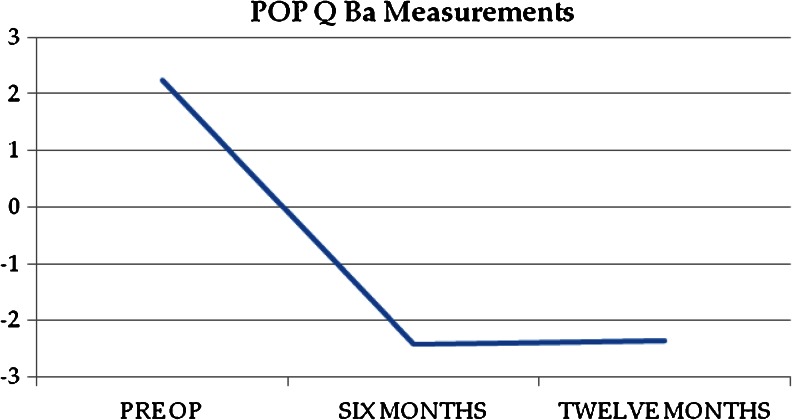 Figure 1
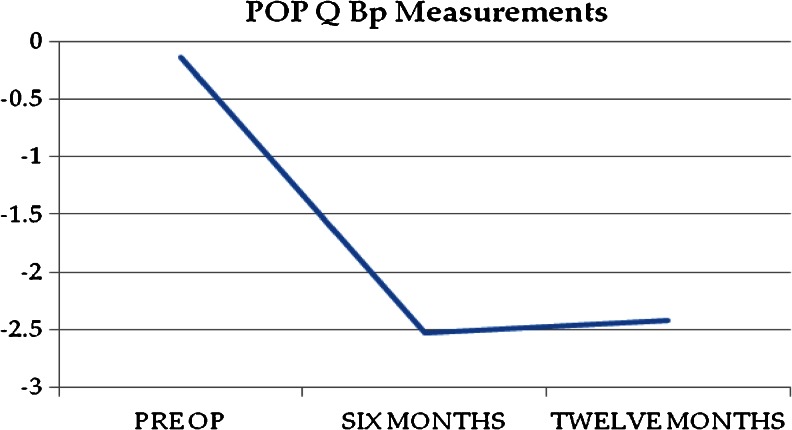 Figure 2
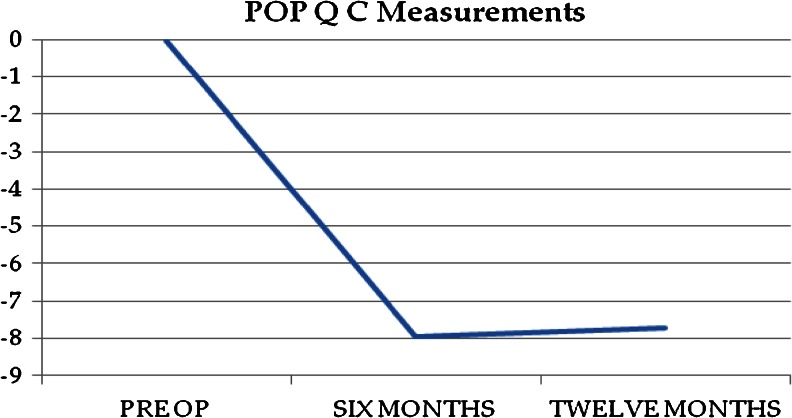 Figure 3
Peer Reviews
No public reviews on file for this paper yet. If you reviewed it on a platform where reviews are public (OpenReview, ICLR, NeurIPS, ICML), you can paste yours below so the community can read it here.
Videos
No videos yet. Explain this paper in a talk, walkthrough, or lecture? Add one.
Taxonomy
TopicsItalian Fascism and Post-war Society