Genome-guided insight into the methylotrophy of Paracoccus aminophilus JCM 7686
Lukasz Dziewit, Jakub Czarnecki, Emilia Prochwicz, Daniel Wibberg, Andreas Schlüter, Alfred Pühler, Dariusz Bartosik

TL;DR
This paper explores how the bacterium Paracoccus aminophilus JCM 7686 uses methylotrophy to metabolize various C1 compounds, based on its genome analysis.
Contribution
The study identifies horizontally acquired gene clusters in P. aminophilus JCM 7686 that enable unique methylotrophic capabilities not found in other Paracoccus species.
Findings
The genome of P. aminophilus JCM 7686 contains genes for oxidizing multiple C1 compounds and the serine cycle.
Methylotrophy-related genes are located in extrachromosomal replicons and are likely horizontally acquired.
Three gene clusters in P. aminophilus JCM 7686 are responsible for unique methylotrophic functions.
Abstract
Paracoccus aminophilus JCM 7686 (Alphaproteobacteria) is a facultative, heterotrophic methylotroph capable of utilizing a wide range of C1 compounds as sole carbon and energy sources. Analysis of the JCM 7686 genome revealed the presence of genes involved in the oxidation of methanol, methylamine, dimethylamine, trimethylamine, N,N-dimethylformamide, and formamide, as well as the serine cycle, which appears to be the only C1 assimilatory pathway in this strain. Many of these genes are located in different extrachromosomal replicons and are not present in the genomes of most members of the genus Paracoccus, which strongly suggests that they have been horizontally acquired. When compared with Paracoccus denitrificans Pd1222 (type strain of the genus Paracoccus), P. aminophilus JCM 7686 has many additional methylotrophic capabilities (oxidation of dimethylamine, trimethylamine,…
Genes, proteins, chemicals, diseases, species, mutations and cell lines named across the full text — each resolved to its canonical identifier and authoritative record.
Click any figure to enlarge with its caption.
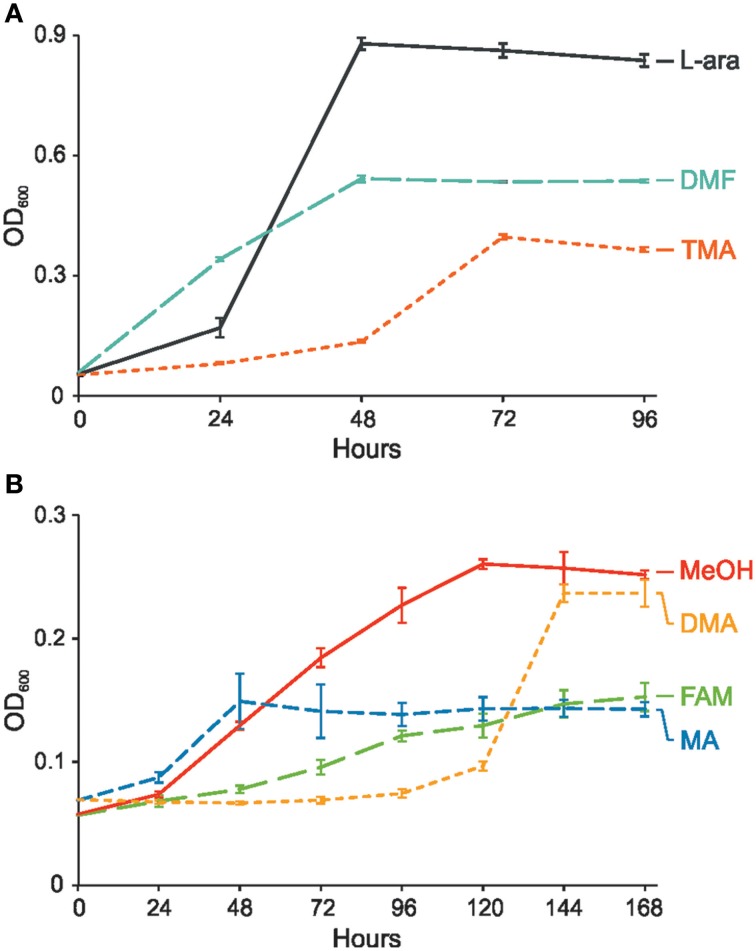 Figure 1
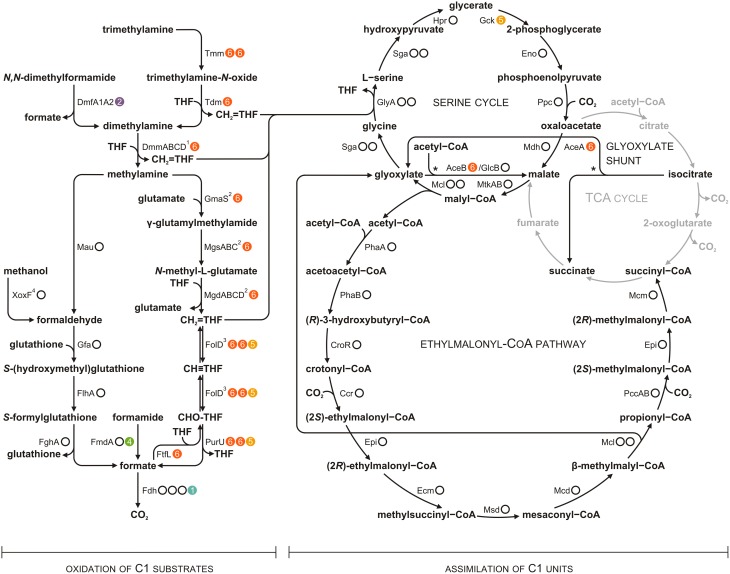 Figure 2
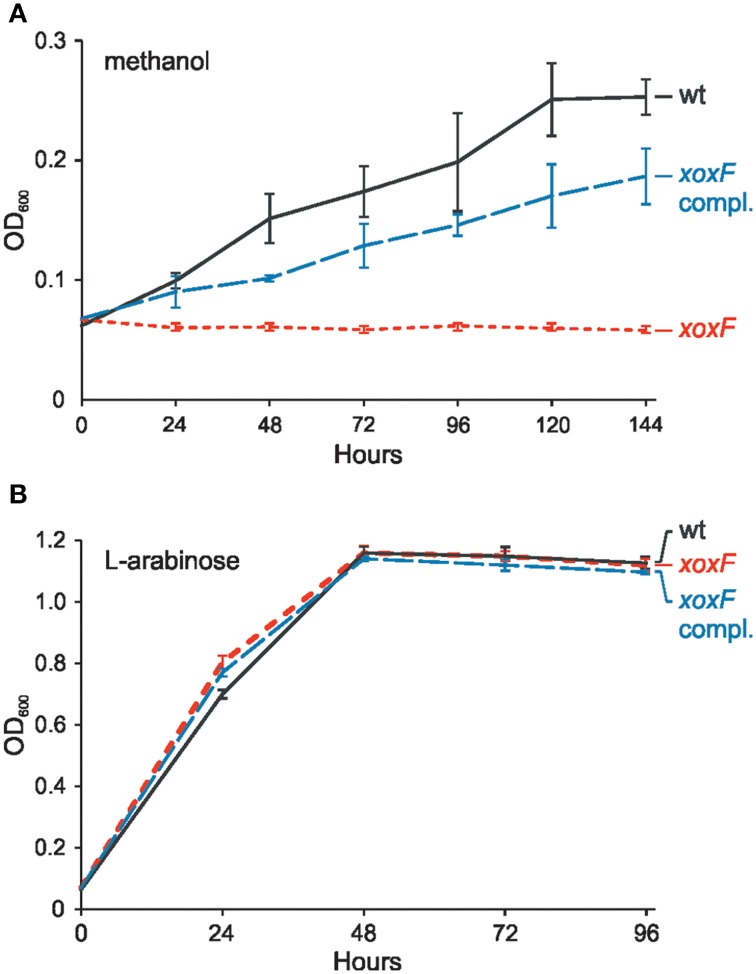 Figure 3
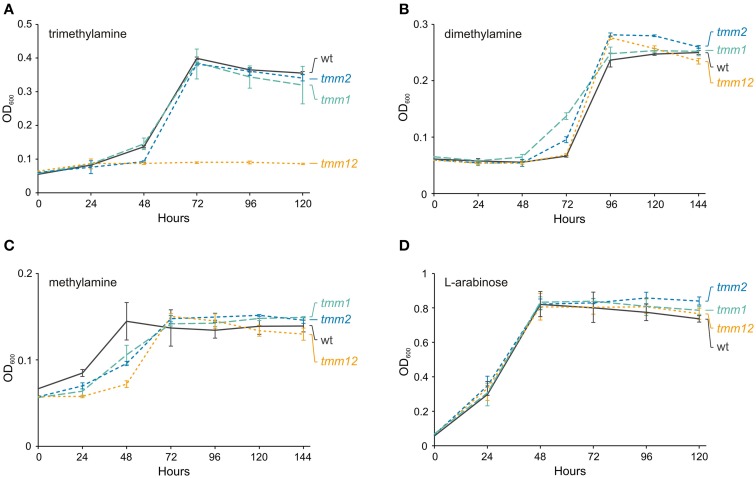 Figure 4
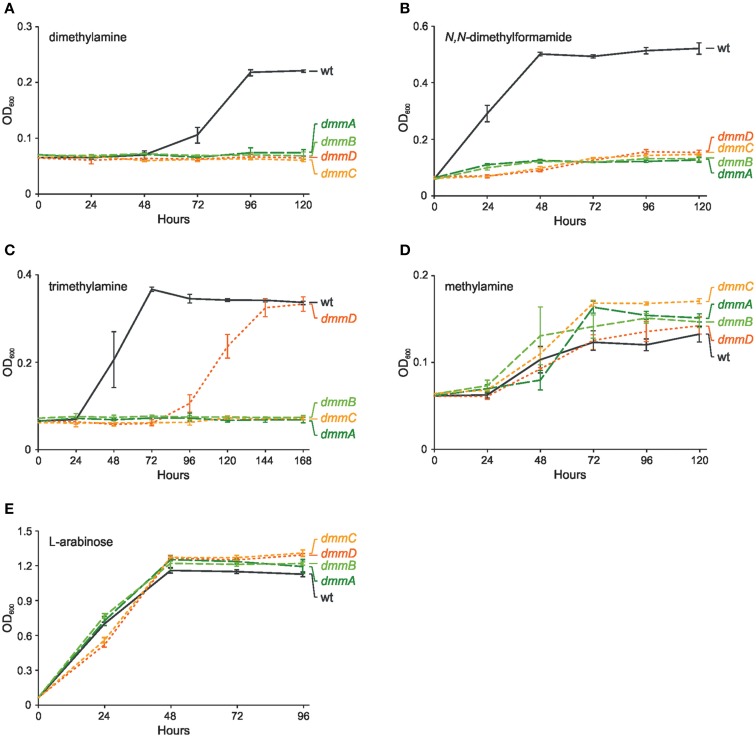 Figure 5
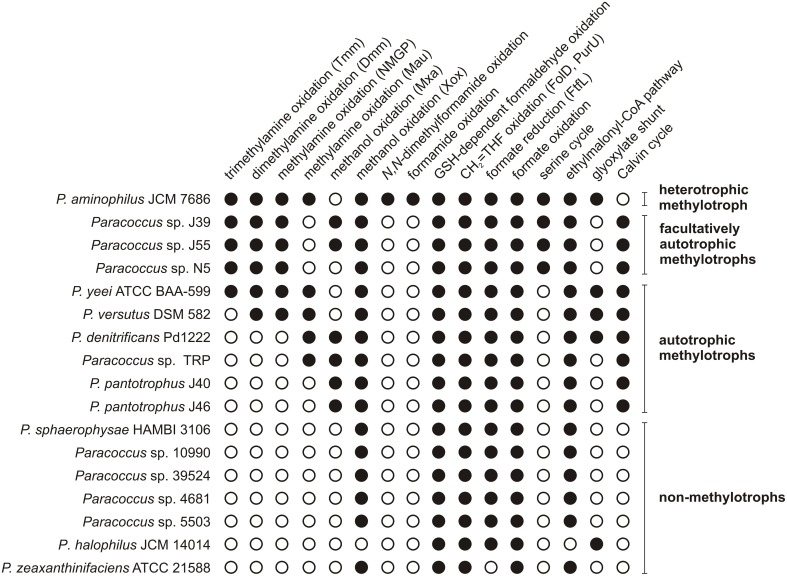 Figure 6
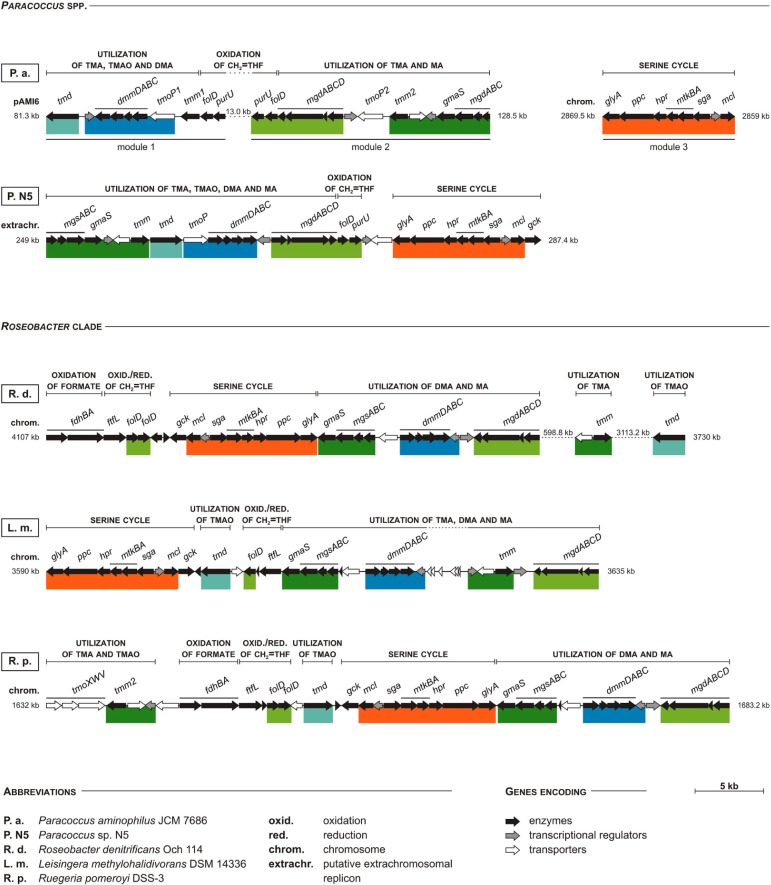 Figure 7
Peer Reviews
No public reviews on file for this paper yet. If you reviewed it on a platform where reviews are public (OpenReview, ICLR, NeurIPS, ICML), you can paste yours below so the community can read it here.
Videos
No videos yet. Explain this paper in a talk, walkthrough, or lecture? Add one.
Taxonomy
TopicsTheology and Canon Law Studies