The homeodomain transcription factor Phox2 in the stellate ganglion of the squid Loligo pealei
J. Peter H. Burbach, Anita J. C. G. M. Hellemons, Philip Grant, Harish C. Pant

TL;DR
This paper identifies a homeodomain transcription factor, lpPhox2, in the squid Loligo pealei and explores its role in neuronal development and function.
Contribution
The study identifies the squid ortholog of Phox2a/b and shows its expression pattern and potential regulatory role in neuronal identity.
Findings
lpPhox2 is expressed in the developing and adult stellate ganglion of squid, specifically in the giant fiber lobe.
lpPhox2 shares homology with mammalian Phox2 only in the homeodomain and cannot transactivate the DBH promoter in mammalian cells.
The Fmrf gene's upstream region contains potential Phox2a/b binding sites, suggesting regulatory interaction.
Abstract
Homeodomain transcription factors regulate development of embryos and cellular physiology in adult systems. Paired-type homeodomain genes constitute a subclass that has been particularly implicated in establishment of neuronal identity in the mammalian nervous system. We isolated fragments of eight homeodomain genes of this subclass expressed in the stellate ganglion of the North Atlantic long finned squid Loligo pealei (lp) [Note: Loligo pealei has been officially renamed Doryteuthis pealei. For reasons of uniformity and clarity Loligo pealei (lp) is used here]. Of the most abundant ones, we cloned a full length cDNA which encoded the squid ortholog of the paired-type homeodomain proteins Phox2a/b. The homology of lpPhox2 to invertebrate and mammalian Phox2 was limited to the homeodomain. In contrast to mouse Phox2b, lpPhox2 was unable to transactivate the dopamine beta-hydroxylase…
Genes, proteins, chemicals, diseases, species, mutations and cell lines named across the full text — each resolved to its canonical identifier and authoritative record.
Click any figure to enlarge with its caption.
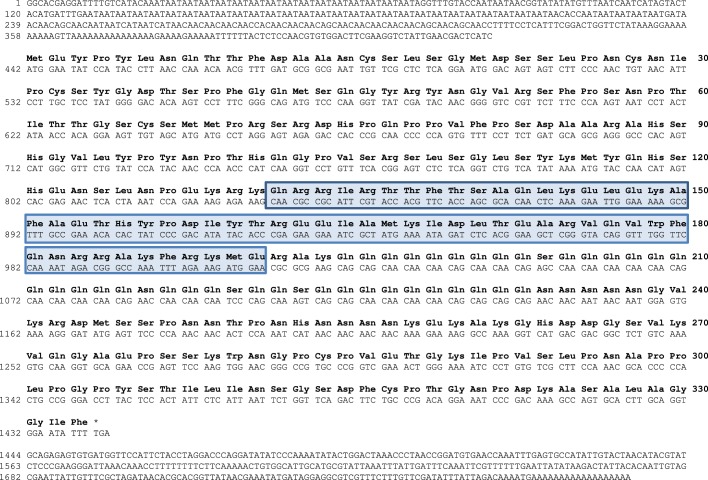 Figure 1
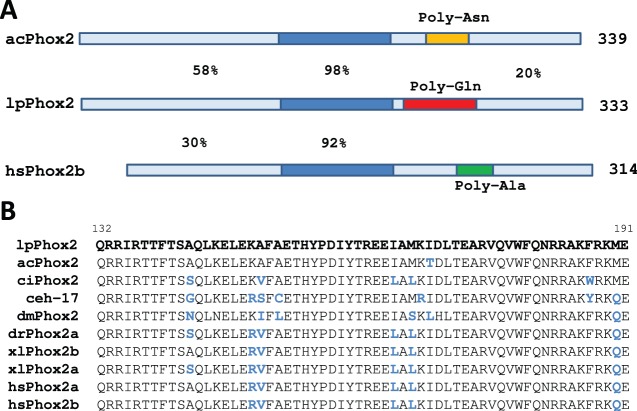 Figure 2
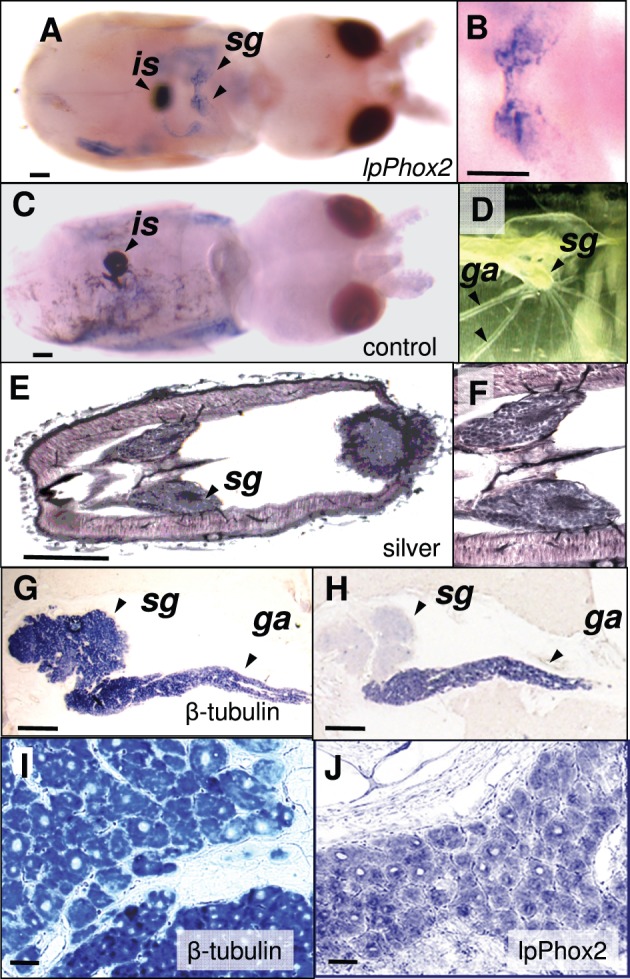 Figure 3
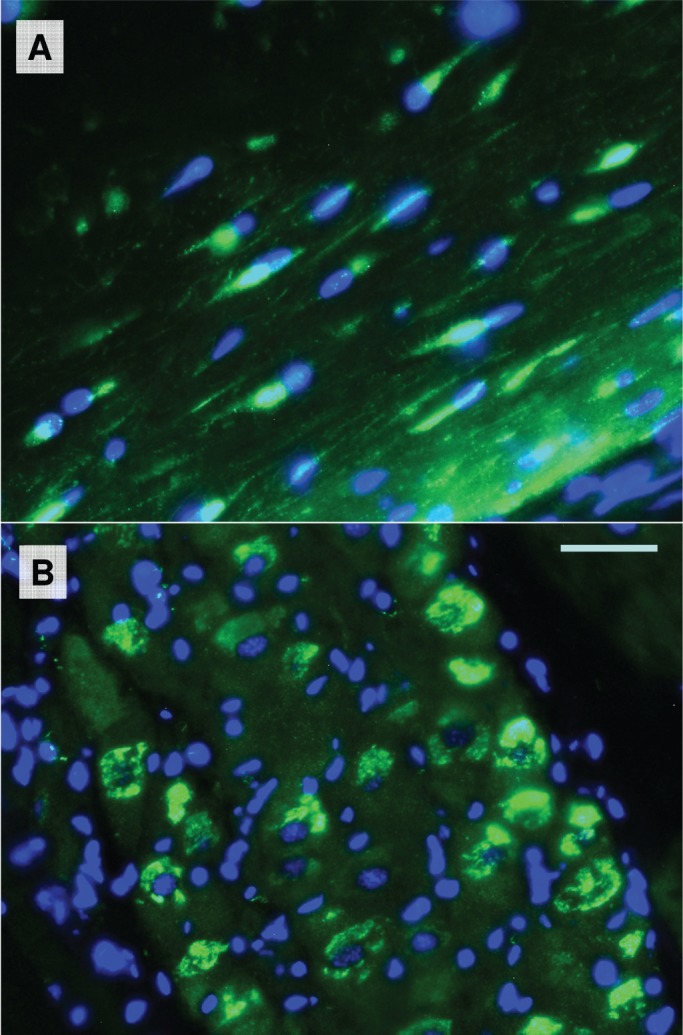 Figure 4
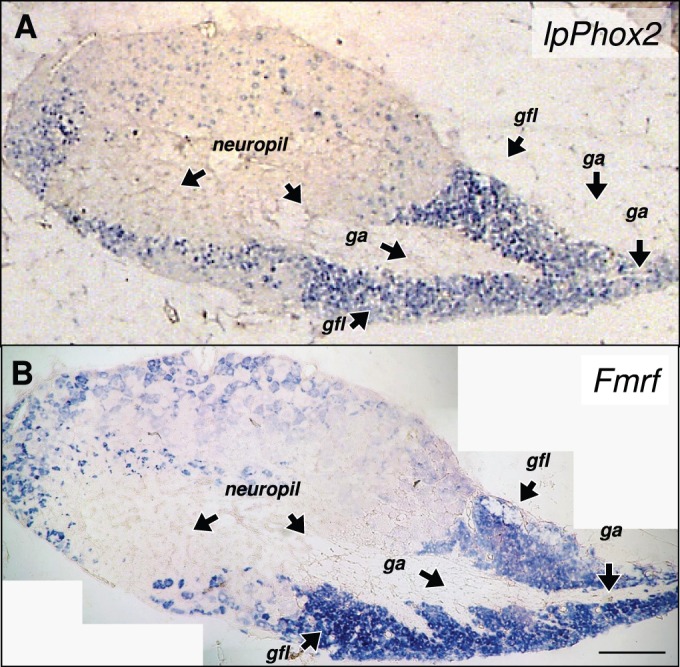 Figure 5
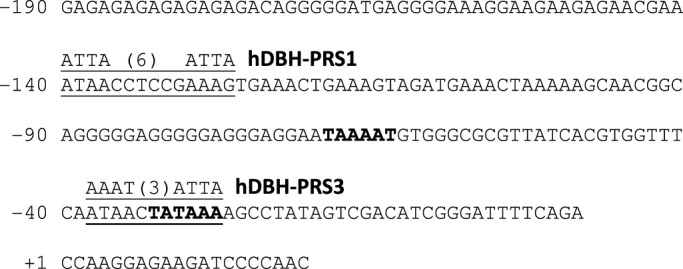 Figure 6
Peer Reviews
No public reviews on file for this paper yet. If you reviewed it on a platform where reviews are public (OpenReview, ICLR, NeurIPS, ICML), you can paste yours below so the community can read it here.
Videos
No videos yet. Explain this paper in a talk, walkthrough, or lecture? Add one.
Taxonomy
TopicsDevelopmental Biology and Gene Regulation · Zebrafish Biomedical Research Applications · Planarian Biology and Electrostimulation