Intratumoral CD3+ T-Lymphocytes Immunoexpression and Its Association with c-Kit, Angiogenesis, and Overall Survival in Malignant Canine Mammary Tumors
Maria Isabel Carvalho, Isabel Pires, Marlene Dias, Justina Prada, Hugo Gregório, Luis Lobo, Felisbina Queiroga

TL;DR
This study explores how immune cells and specific proteins in canine mammary tumors relate to tumor aggression and survival.
Contribution
The study identifies CD3+ T-cells and c-kit/VEGF as independent prognostic factors in malignant canine mammary tumors.
Findings
CD3+ T-cells and c-kit overexpression correlate with VEGF and CD31 in canine mammary tumors.
High CD3/VEGF, c-kit/VEGF, and CD3/c-kit tumors are linked to higher malignancy and poor prognosis.
c-kit/VEGF remains a significant independent prognostic factor in multivariate analysis.
Abstract
In this study 80 malignant CMT were submitted to immunohistochemical detection of CD3, c-kit, VEGF, and CD31, together with clinicopathological parameters of tumor aggressiveness. CD3+ T-cells and c-kit overexpression revealed a positive correlation with VEGF (r = 0.503, P < 0.0001; r = 0.284, P = 0.023 for CD3 and c-kit, resp.) and CD31 (r = 0.654, P < 0.0001; r = 0.365, P = 0.003 for CD3 and c-kit, resp.). A significant association (P = 0.039) and a positive correlation (r = 0.263, P = 0.039) between CD3 and c-kit were also observed. High CD3/VEGF, c-kit/VEGF, and CD3/c-kit tumors were associated with elevated grade of malignancy (P < 0.0001 for all groups), presence of intravascular emboli (P < 0.0001 for CD3/VEGF and CD3/c-kit; P = 0.002 for c-kit/VEGF), and presence of lymph node metastasis (P < 0.0001 for all groups). Tumors with high CD3/VEGF (P = 0.006), c-kit/VEGF (P < 0.0001),…
Genes, proteins, chemicals, diseases, species, mutations and cell lines named across the full text — each resolved to its canonical identifier and authoritative record.
Click any figure to enlarge with its caption.
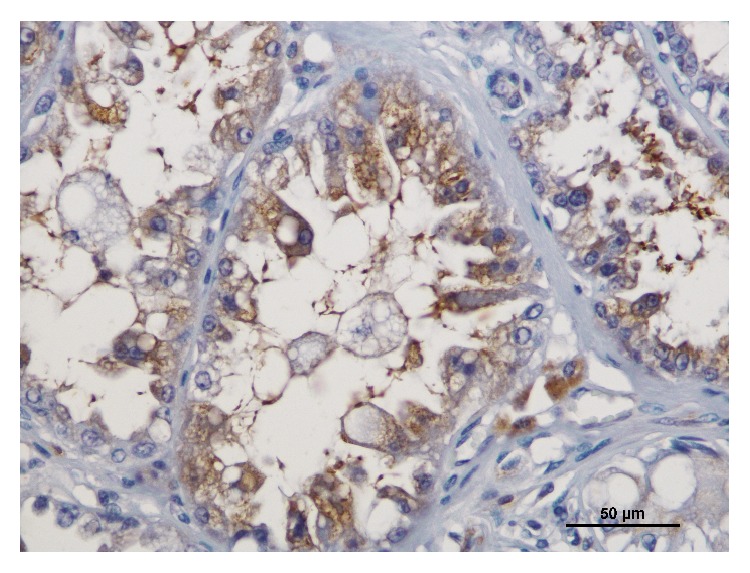 Figure 1
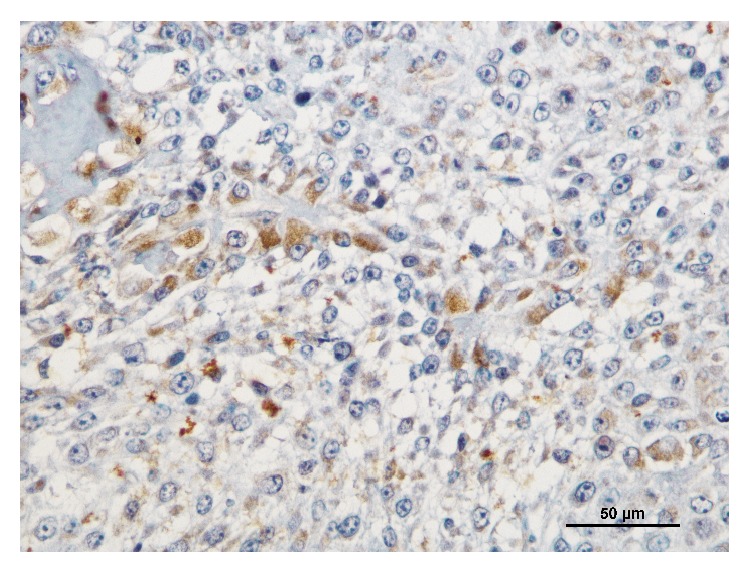 Figure 2
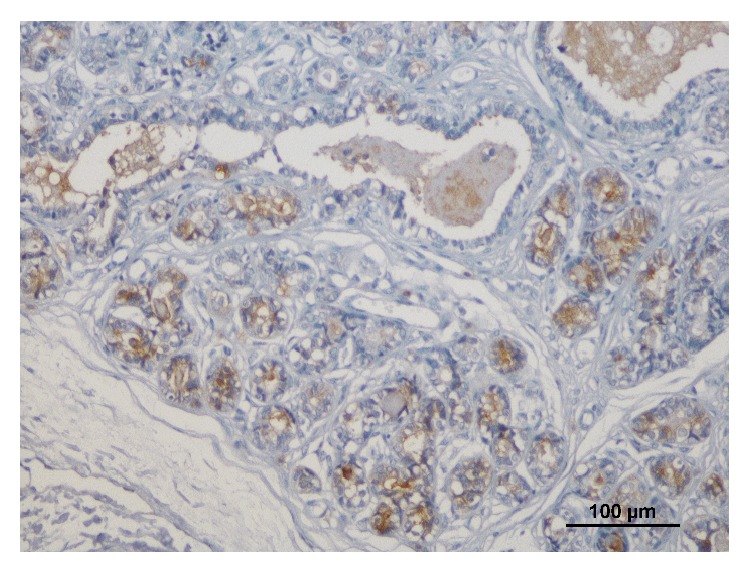 Figure 3
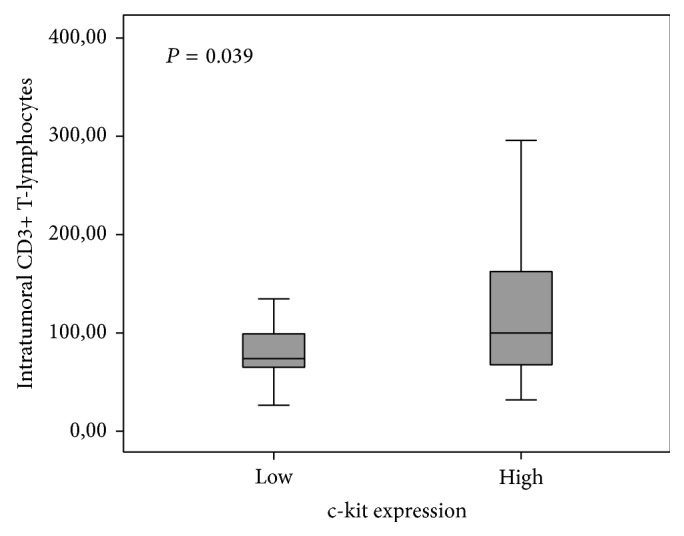 Figure 4
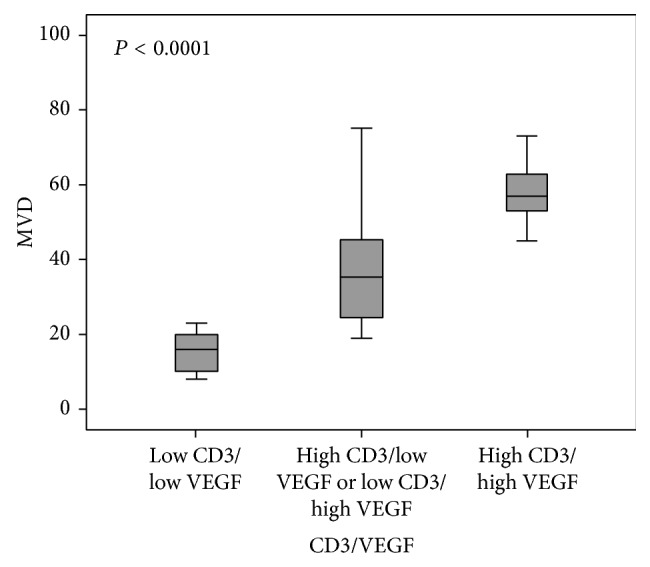 Figure 5
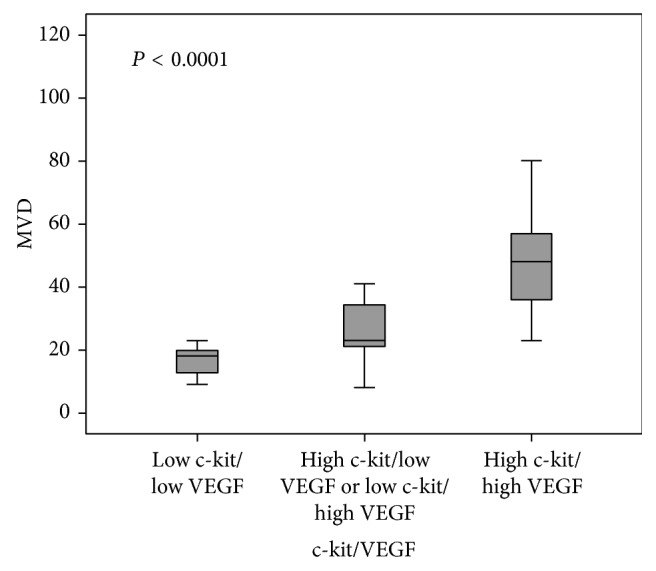 Figure 6
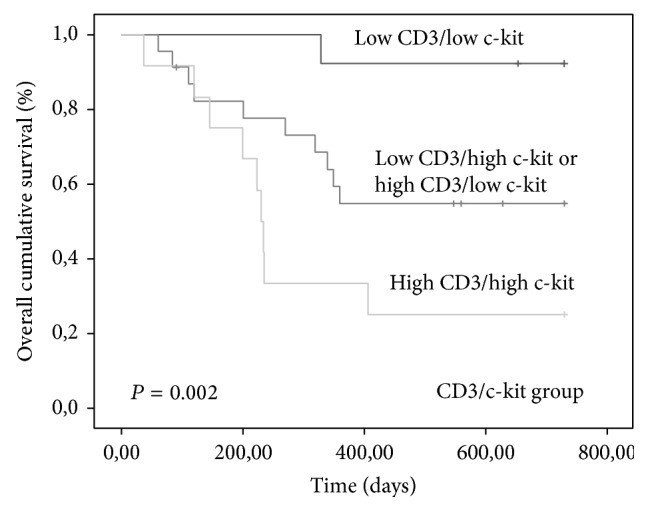 Figure 7
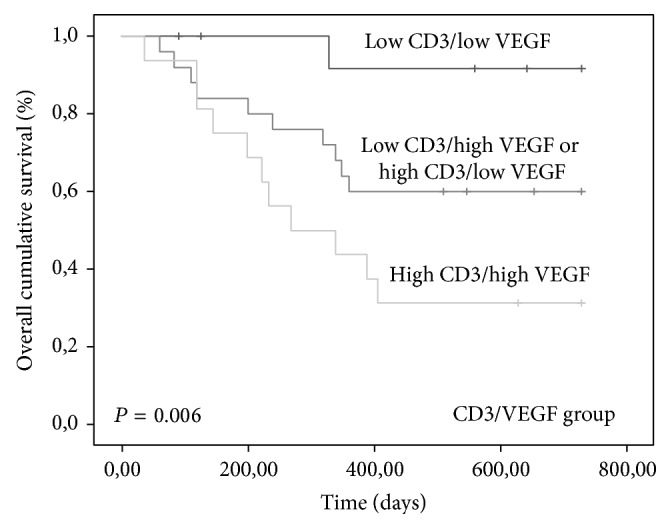 Figure 8
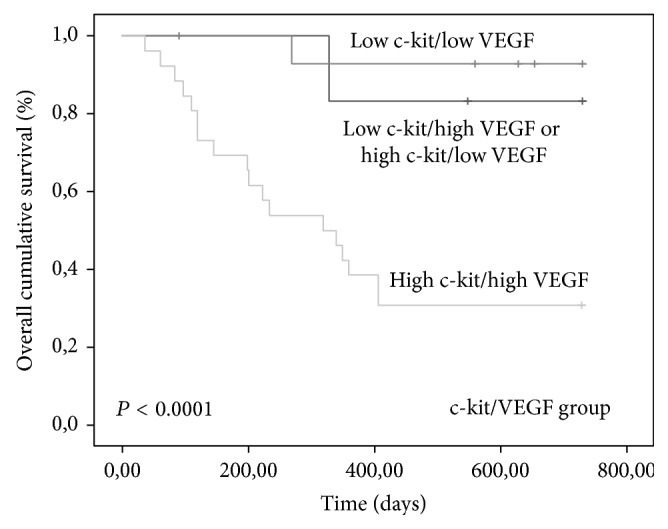 Figure 9
Peer Reviews
No public reviews on file for this paper yet. If you reviewed it on a platform where reviews are public (OpenReview, ICLR, NeurIPS, ICML), you can paste yours below so the community can read it here.
Videos
No videos yet. Explain this paper in a talk, walkthrough, or lecture? Add one.
Taxonomy
TopicsItalian Literature and Culture