A sphingosine kinase inhibitor combined with temozolomide induces glioblastoma cell death through accumulation of dihydrosphingosine and dihydroceramide, endoplasmic reticulum stress and autophagy
J Noack, J Choi, K Richter, A Kopp-Schneider, A Régnier-Vigouroux

TL;DR
Combining a sphingosine kinase inhibitor with temozolomide kills glioblastoma cells through stress and autophagy without harming healthy cells.
Contribution
First demonstration of a sphingosine kinase inhibitor and temozolomide combination inducing tumor-specific cell death via dihydrosphingolipid accumulation and autophagy.
Findings
Combination of sublethal doses of SKI and TMZ potently kills GBM cells without affecting astrocytes.
Dihydrosphingosine and dihydroceramide accumulation, along with ER stress and autophagy, mediate cell death.
Low glutathione peroxidase-1 levels correlate with sensitivity to the combination treatment.
Abstract
Glioblastomas (GBMs) are very aggressive tumors with low chemosensitivity. The DNA-alkylating agent temozolomide (TMZ) is currently the most efficient chemotoxic drug for GBM therapy; however, many patients develop resistance to TMZ. Combining TMZ with another agent could present an improved treatment option if it could overcome TMZ resistance and avoid side effects. Sphingosine kinase inhibitors (SKIs) have emerged as anticancer agents. Sphingosine kinases are often overexpressed in tumors where their activity of phosphorylating sphingosine (Sph) contributes to tumor growth and migration. They control the levels of the pro-apoptotic ceramide (Cer) and Sph and of the pro-survival sphingosine-1 phosphate. In the present work, TMZ was combined with a specific SKI, and the cytotoxic effect of each drug alone or in combination was tested on GBM cell lines. The combination of sublethal doses…
Genes, proteins, chemicals, diseases, species, mutations and cell lines named across the full text — each resolved to its canonical identifier and authoritative record.
Click any figure to enlarge with its caption.
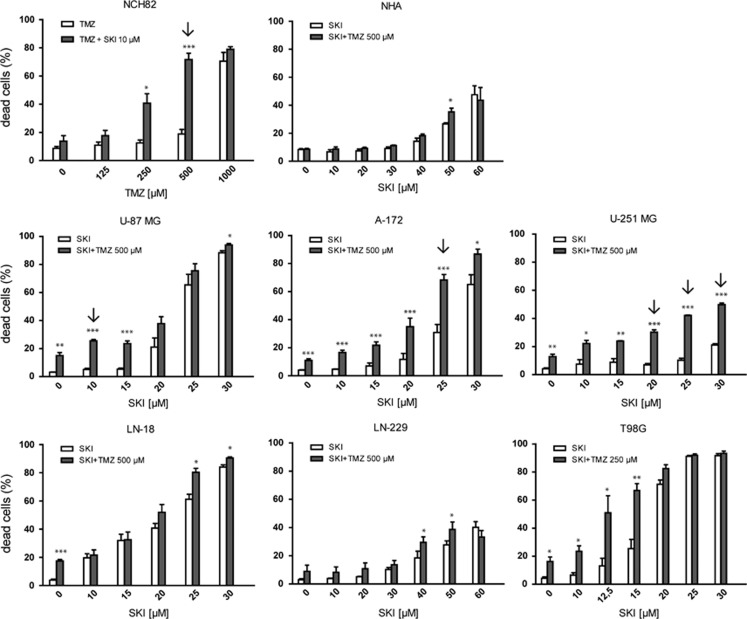 Figure 1
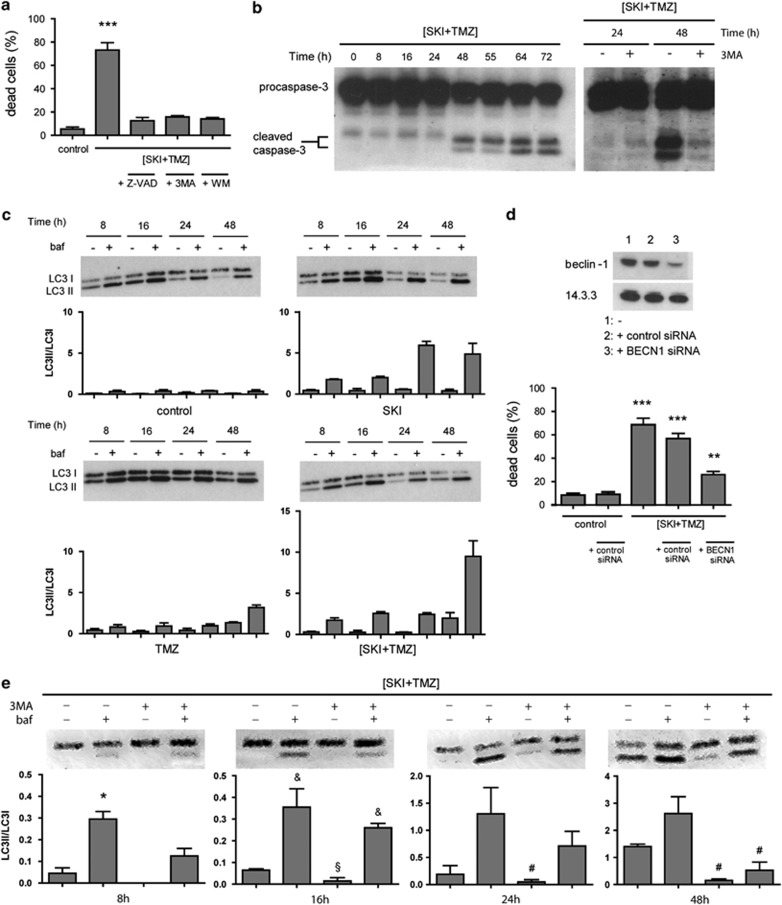 Figure 2
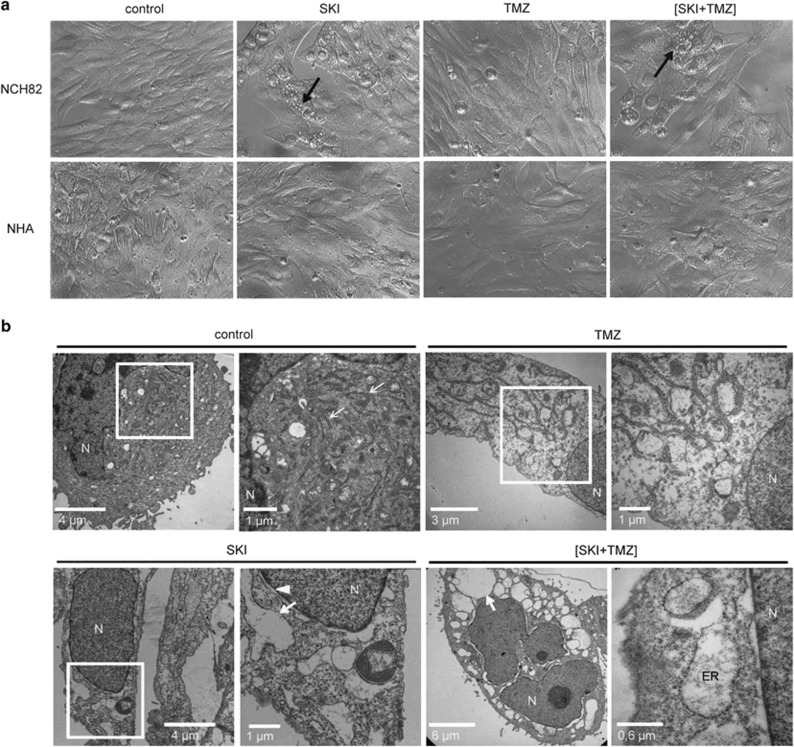 Figure 3
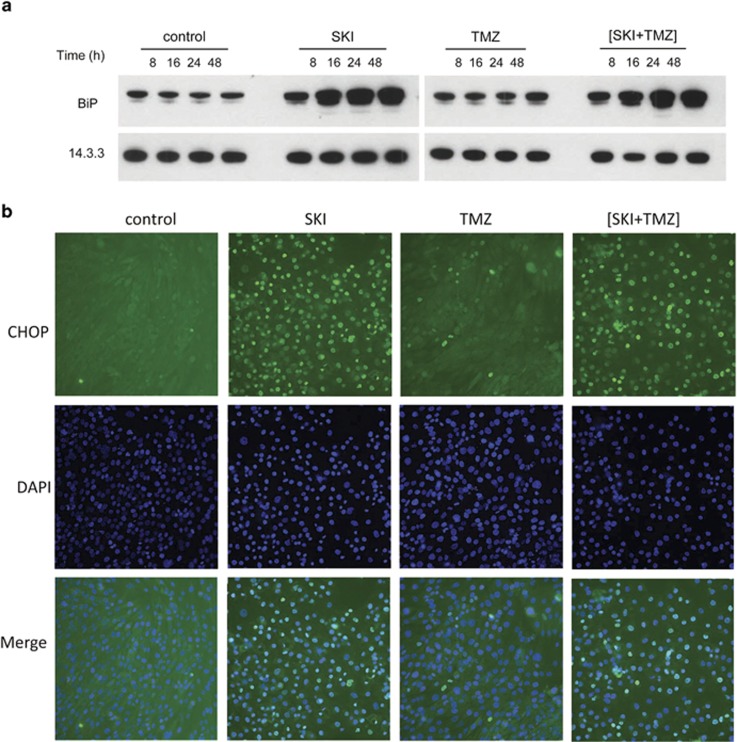 Figure 4
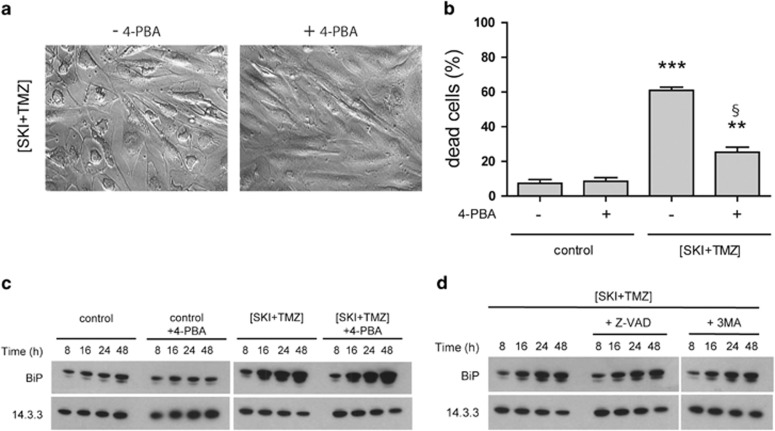 Figure 5
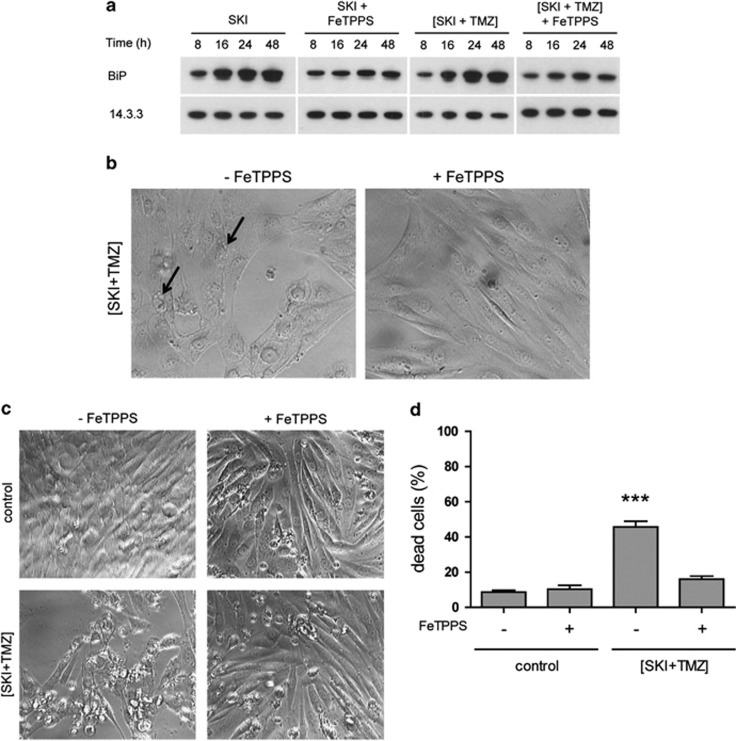 Figure 6
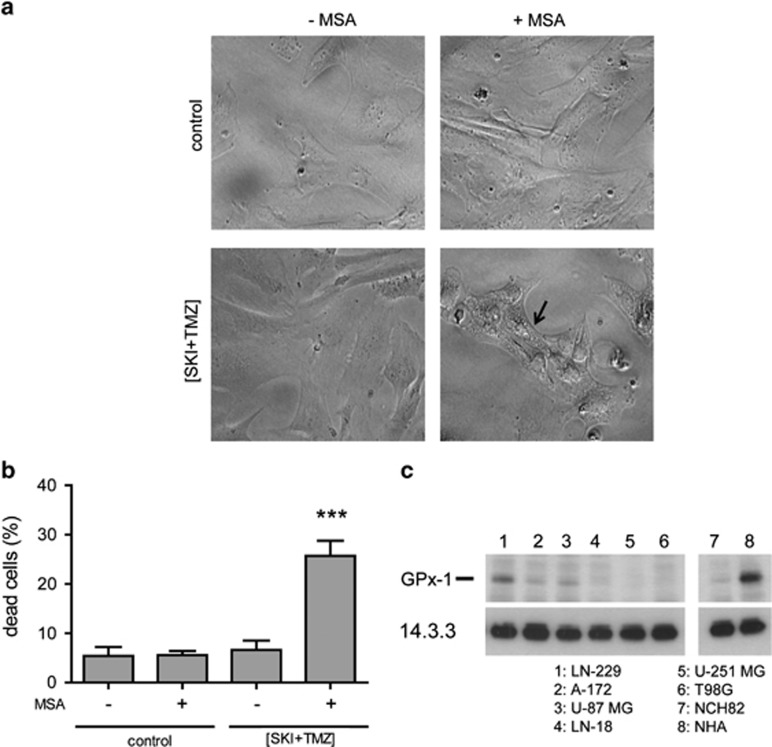 Figure 7
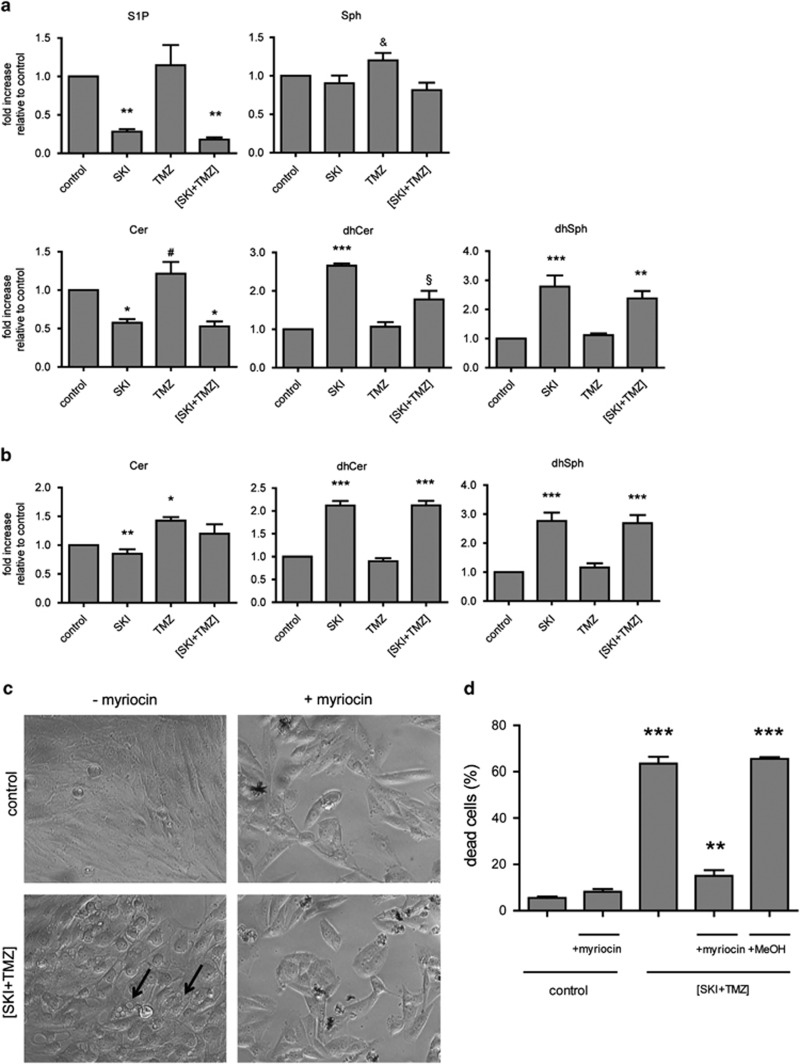 Figure 8
Peer Reviews
No public reviews on file for this paper yet. If you reviewed it on a platform where reviews are public (OpenReview, ICLR, NeurIPS, ICML), you can paste yours below so the community can read it here.
Videos
No videos yet. Explain this paper in a talk, walkthrough, or lecture? Add one.
Taxonomy
TopicsSphingolipid Metabolism and Signaling · Sphingolipid Metabolism and Signaling · Autophagy in Disease and Therapy