Custom 4-Plex DiLeu Isobaric Labels Enable Relative Quantification of Urinary Proteins in Men with Lower Urinary Tract Symptoms (LUTS)
Tyler Greer, Ling Hao, Anatoliy Nechyporenko, Sanghee Lee, Chad M. Vezina, Will A. Ricke, Paul C. Marker, Dale E. Bjorling, Wade Bushman, Lingjun Li

TL;DR
Researchers used a custom labeling method to identify 50 proteins in urine that differ between men with urinary symptoms and controls, linking them to inflammation and fibrosis.
Contribution
The first application of 4-plex DiLeu isobaric labels in a clinical proteomics study of urinary proteins.
Findings
50 proteins were differentially expressed in LUTS patients compared to controls.
Differentially expressed proteins were associated with inflammatory responses and fibrosis.
836 proteins were successfully quantified using the 4-plex DiLeu labeling method.
Abstract
The relative quantification of proteins using liquid chromatography mass spectrometry (LC-MS) has allowed researchers to compile lists of potential disease markers. These complex quantitative workflows often include isobaric labeling of enzymatically-produced peptides to analyze their relative abundances across multiple samples in a single LC-MS run. Recent efforts by our lab have provided scientists with cost-effective alternatives to expensive commercial labels. Although the quantitative performance of these dimethyl leucine (DiLeu) labels has been reported using known ratios of complex protein and peptide standards, their potential in large-scale proteomics studies using a clinically relevant system has never been investigated. Our work rectifies this oversight by implementing 4-plex DiLeu to quantify proteins in the urine of aging human males who suffer from lower urinary tract…
Genes, proteins, chemicals, diseases, species, mutations and cell lines named across the full text — each resolved to its canonical identifier and authoritative record.
Click any figure to enlarge with its caption.
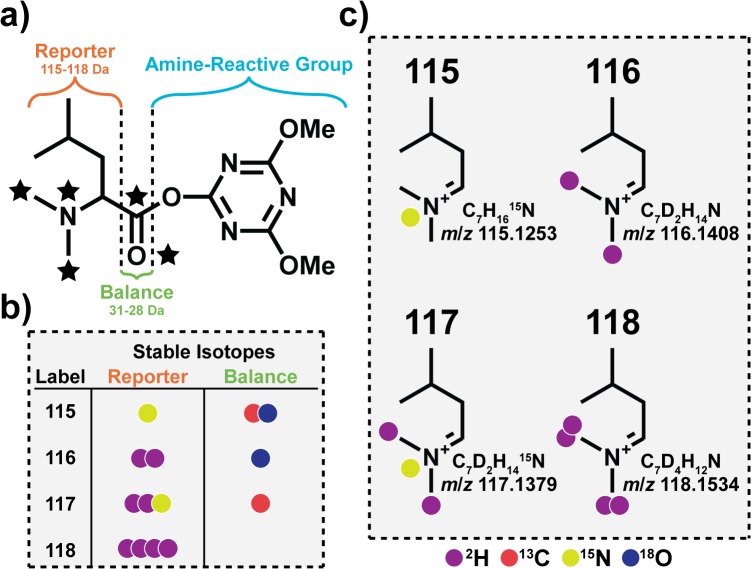 Figure 1
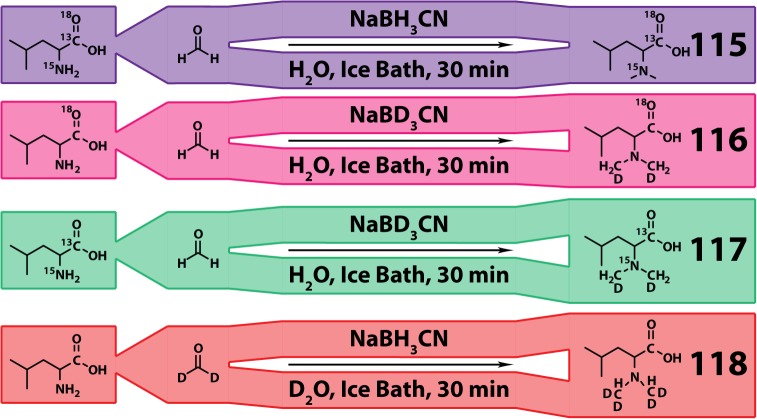 Figure 2
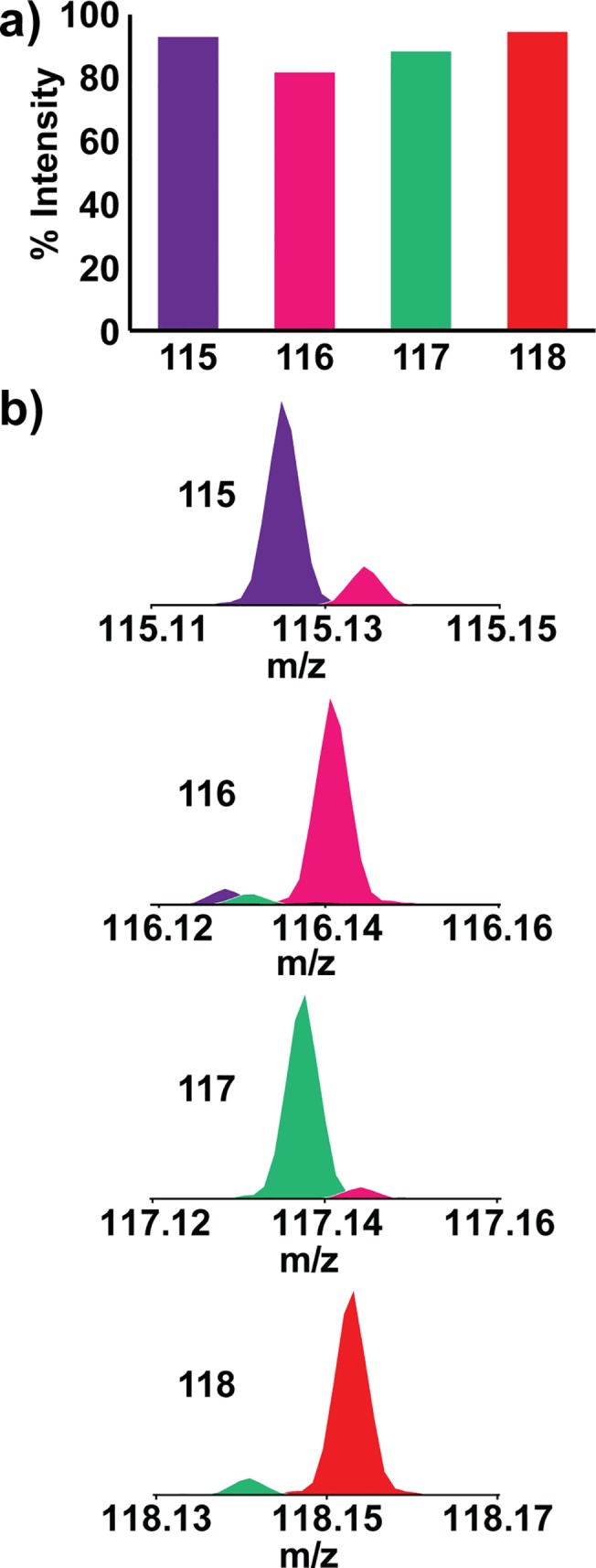 Figure 3
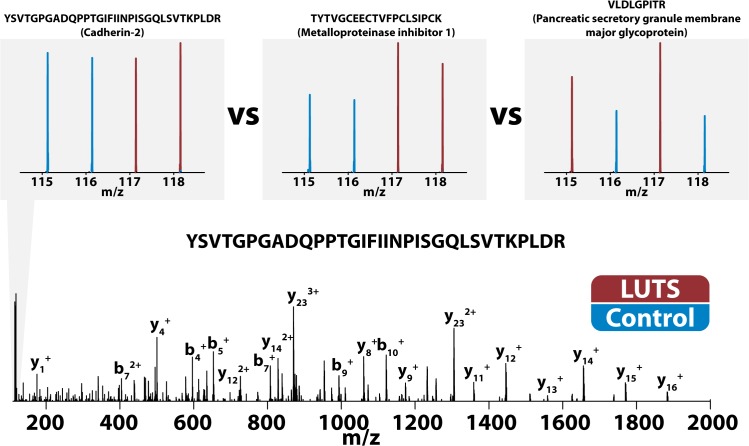 Figure 4
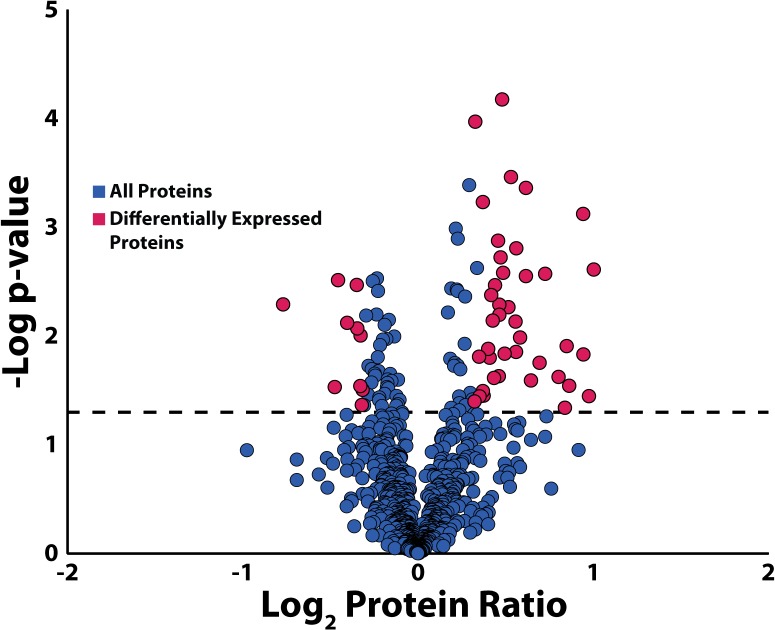 Figure 5
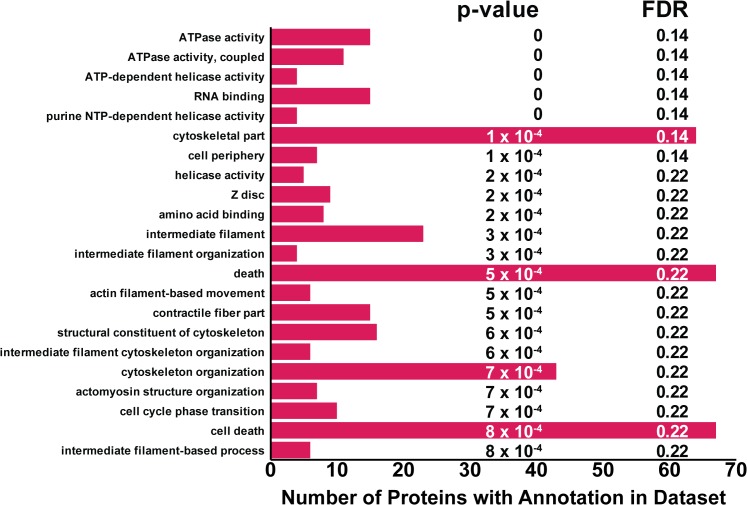 Figure 6
Peer Reviews
No public reviews on file for this paper yet. If you reviewed it on a platform where reviews are public (OpenReview, ICLR, NeurIPS, ICML), you can paste yours below so the community can read it here.
Videos
No videos yet. Explain this paper in a talk, walkthrough, or lecture? Add one.
Taxonomy
TopicsManagement and Optimization Techniques · Agriculture and Agroindustry Studies