Coordinates of Human Visual and Inertial Heading Perception
Benjamin Thomas Crane

TL;DR
This study explores how humans perceive direction using visual and body-based cues, finding that visual direction is biased by eye position while body-based direction is not.
Contribution
The study reveals that visual and inertial heading perception operates in different reference frames.
Findings
Visual heading perception shifts with gaze direction, indicating retina-based processing.
Inertial heading perception remains unaffected by gaze or head position, suggesting body-centered processing.
Combined visual and inertial stimuli produce intermediate heading perception results.
Abstract
Heading estimation involves both inertial and visual cues. Inertial motion is sensed by the labyrinth, somatic sensation by the body, and optic flow by the retina. Because the eye and head are mobile these stimuli are sensed relative to different reference frames and it remains unclear if a perception occurs in a common reference frame. Recent neurophysiologic evidence has suggested the reference frames remain separate even at higher levels of processing but has not addressed the resulting perception. Seven human subjects experienced a 2s, 16 cm/s translation and/or a visual stimulus corresponding with this translation. For each condition 72 stimuli (360° in 5° increments) were delivered in random order. After each stimulus the subject identified the perceived heading using a mechanical dial. Some trial blocks included interleaved conditions in which the influence of ±28° of gaze and/or…
Genes, proteins, chemicals, diseases, species, mutations and cell lines named across the full text — each resolved to its canonical identifier and authoritative record.
Click any figure to enlarge with its caption.
 Figure 1
 Figure 2
 Figure 3
 Figure 4
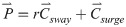 Figure 5
 Figure 6
 Figure 7
 Figure 8
 Figure 9
 Figure 10
 Figure 11
 Figure 12
 Figure 13
 Figure 14
 Figure 15
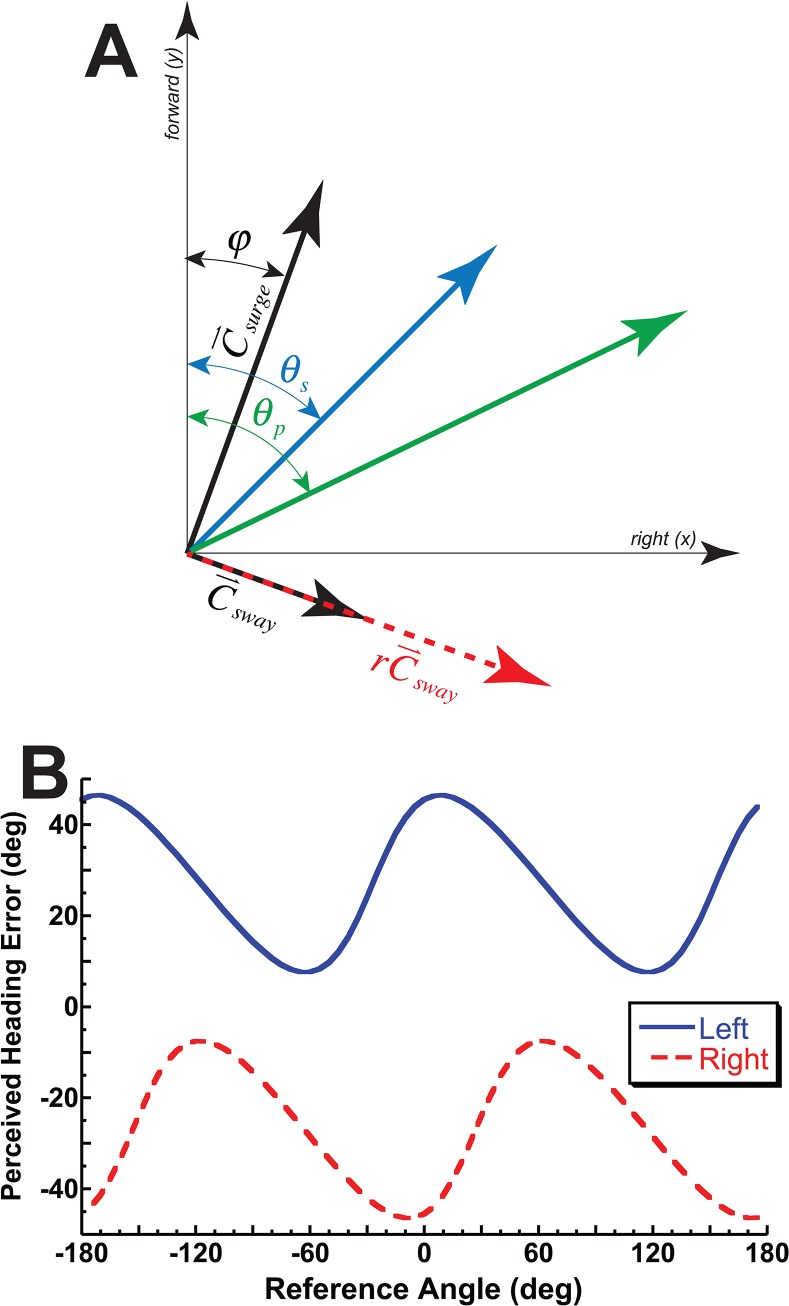 Figure 16
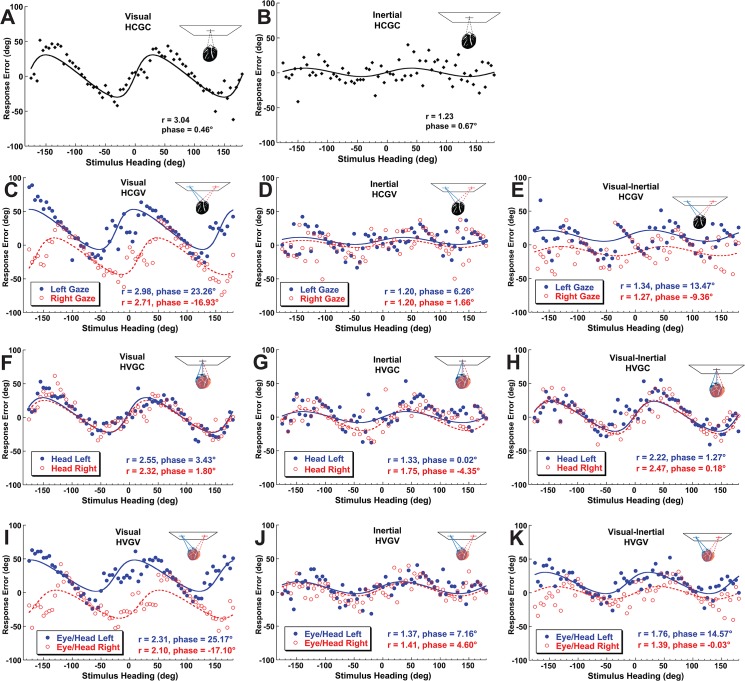 Figure 17
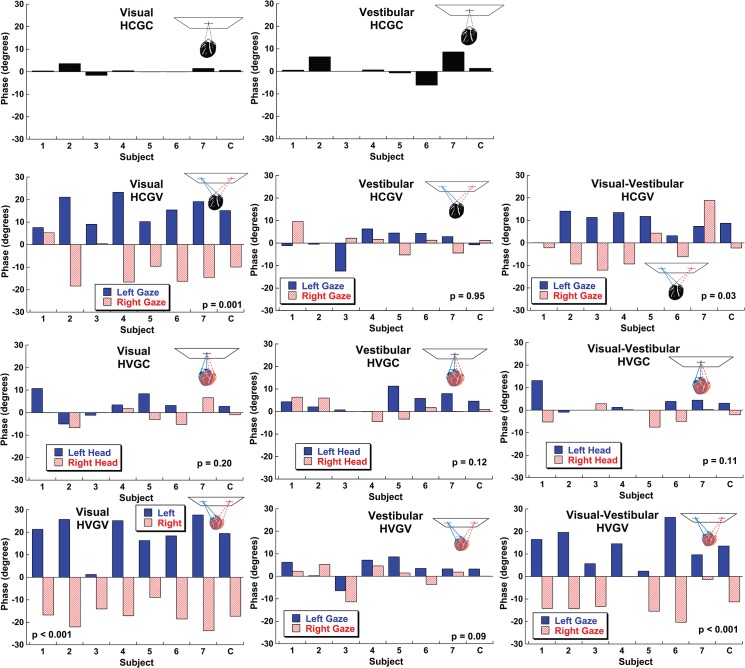 Figure 18
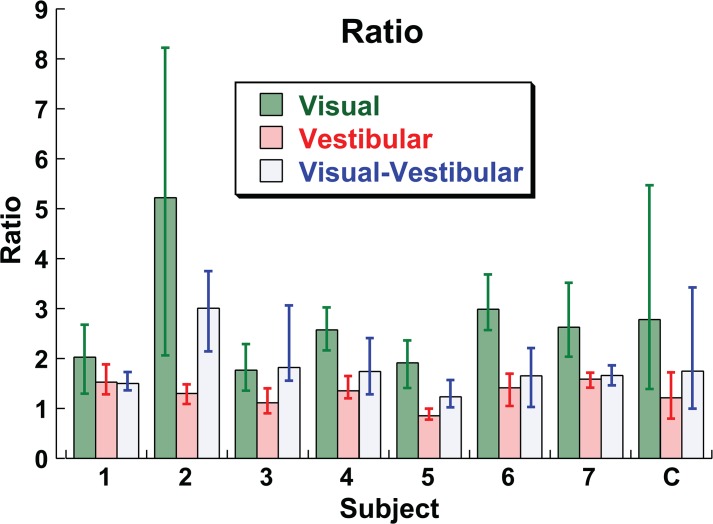 Figure 19
Peer Reviews
No public reviews on file for this paper yet. If you reviewed it on a platform where reviews are public (OpenReview, ICLR, NeurIPS, ICML), you can paste yours below so the community can read it here.
Videos
No videos yet. Explain this paper in a talk, walkthrough, or lecture? Add one.
Taxonomy
TopicsManagement, Economics, and Public Policy · Educational and Social Studies · Italian Social Issues and Migration