Brain activation during dual-task processing is associated with cardiorespiratory fitness and performance in older adults
Chelsea N. Wong, Laura Chaddock-Heyman, Michelle W. Voss, Agnieszka Z. Burzynska, Chandramallika Basak, Kirk I. Erickson, Ruchika S. Prakash, Amanda N. Szabo-Reed, Siobhan M. Phillips, Thomas Wojcicki, Emily L. Mailey, Edward McAuley, Arthur F. Kramer

TL;DR
Higher cardiorespiratory fitness in older adults is linked to better brain activation during dual tasks, which may improve cognitive performance.
Contribution
This study shows that brain activation in the ACC/SMA mediates the relationship between cardiorespiratory fitness and dual-task performance in older adults.
Findings
Higher cardiorespiratory fitness is associated with greater brain activation in regions like ACC/SMA, thalamus, and basal ganglia during dual tasks.
ACC/SMA activation specifically mediates the link between cardiorespiratory fitness and improved dual-task performance.
The findings suggest that cardiorespiratory fitness supports cognitive performance through enhanced brain activation in key regions.
Abstract
Higher cardiorespiratory fitness is associated with better cognitive performance and enhanced brain activation. Yet, the extent to which cardiorespiratory fitness-related brain activation is associated with better cognitive performance is not well understood. In this cross-sectional study, we examined whether the association between cardiorespiratory fitness and executive function was mediated by greater prefrontal cortex activation in healthy older adults. Brain activation was measured during dual-task performance with functional magnetic resonance imaging in a sample of 128 healthy older adults (59–80 years). Higher cardiorespiratory fitness was associated with greater activation during dual-task processing in several brain areas including the anterior cingulate and supplementary motor cortex (ACC/SMA), thalamus and basal ganglia, right motor/somatosensory cortex and middle frontal…
Genes, proteins, chemicals, diseases, species, mutations and cell lines named across the full text — each resolved to its canonical identifier and authoritative record.
Click any figure to enlarge with its caption.
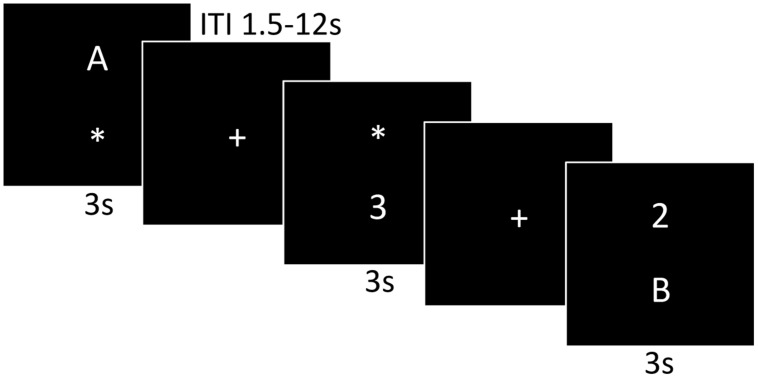 Figure 1
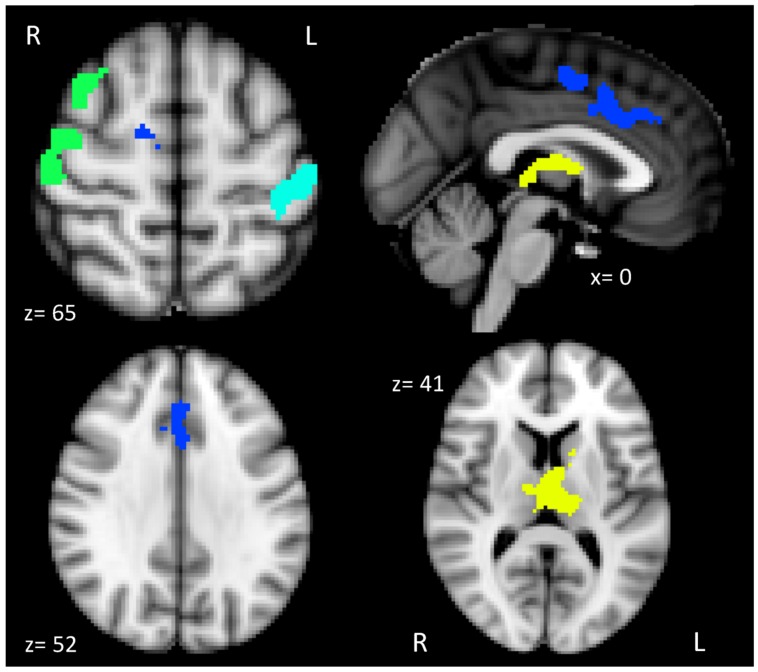 Figure 2
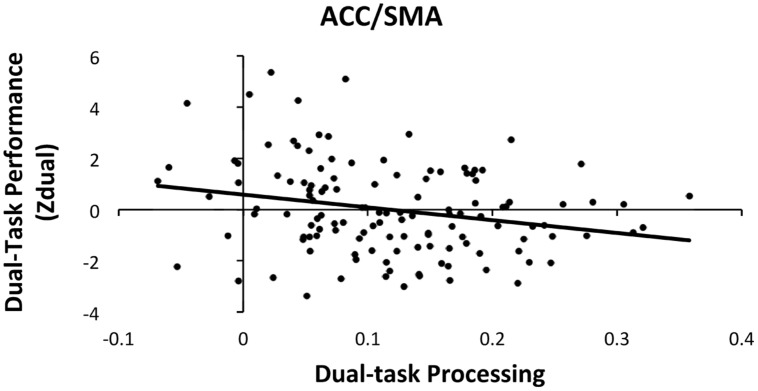 Figure 3
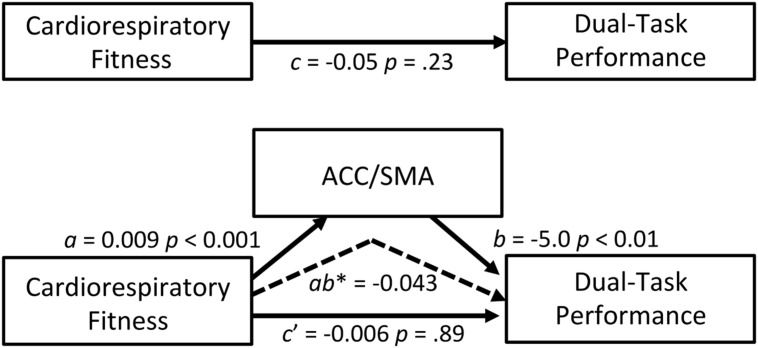 Figure 4
Peer Reviews
No public reviews on file for this paper yet. If you reviewed it on a platform where reviews are public (OpenReview, ICLR, NeurIPS, ICML), you can paste yours below so the community can read it here.
Videos
No videos yet. Explain this paper in a talk, walkthrough, or lecture? Add one.
Taxonomy
TopicsIncome, Poverty, and Inequality · Sustainable Development and Environmental Policy · Economic Growth and Productivity